Celebrate our 20th anniversary and join us for the 37th Cambridge Neuroscience Seminar – CNS2027: A Journey into Interdisciplinary Neuroscience on 14 April at Queens' College!🥳
Find our programme and further details here: https://t.co/qWL5G1AVdz
Registration will open soon!
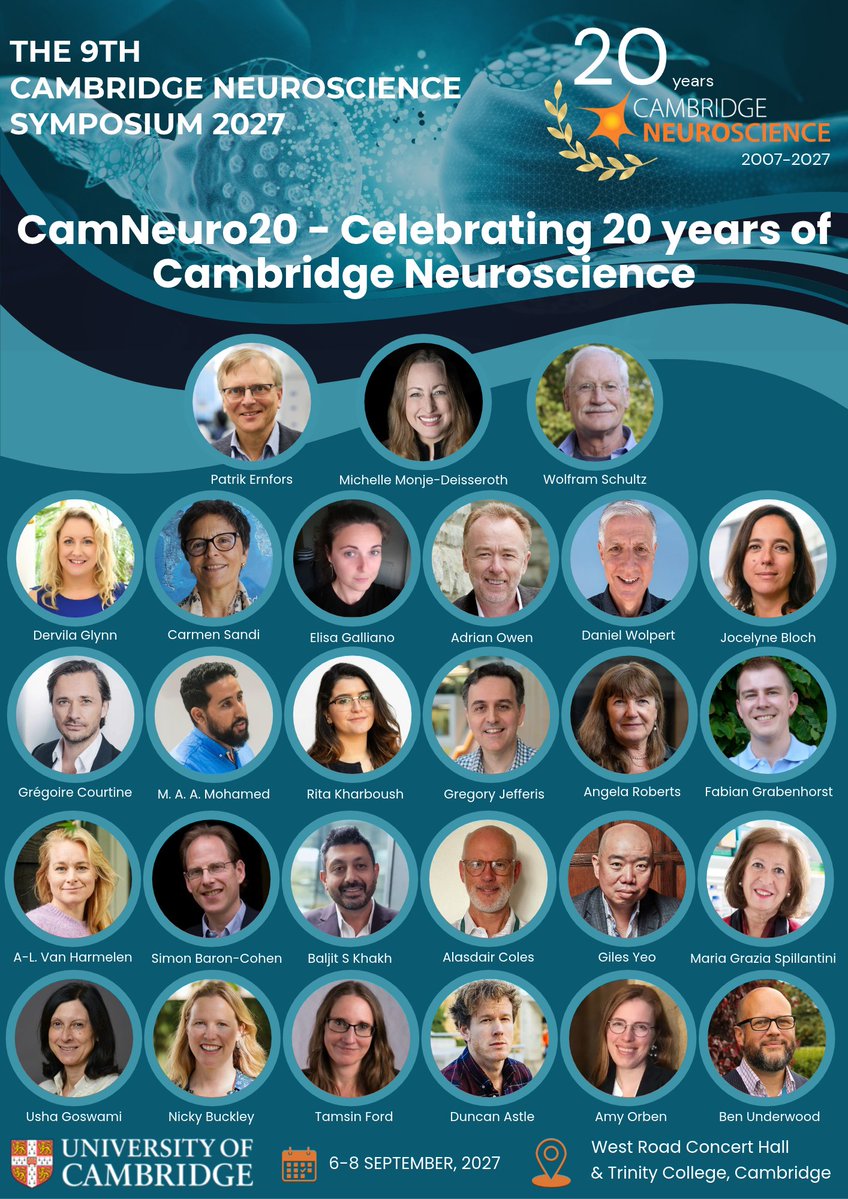
Come and celebrate 20 years of Cambridge Neuroscience with us!🥳
The 9th Cambridge Neuroscience Symposium: CamNeuro20 takes place on 6-8th Sep 2027.
Talks, posters, exhibitions, and much more!🎉
Find details on our website: https://t.co/z4bwp5YarD
Registration will open in 2027.
🧠 Our colleagues at Cambridge NeuroWorks are hosting NeuroNexus!
Join researchers, clinicians and innovators to explore advances in neurotechnology, dementia and brain health, and connect across the UK neurotech community.
📆 27 November
Register: https://t.co/A9YVIhQawb
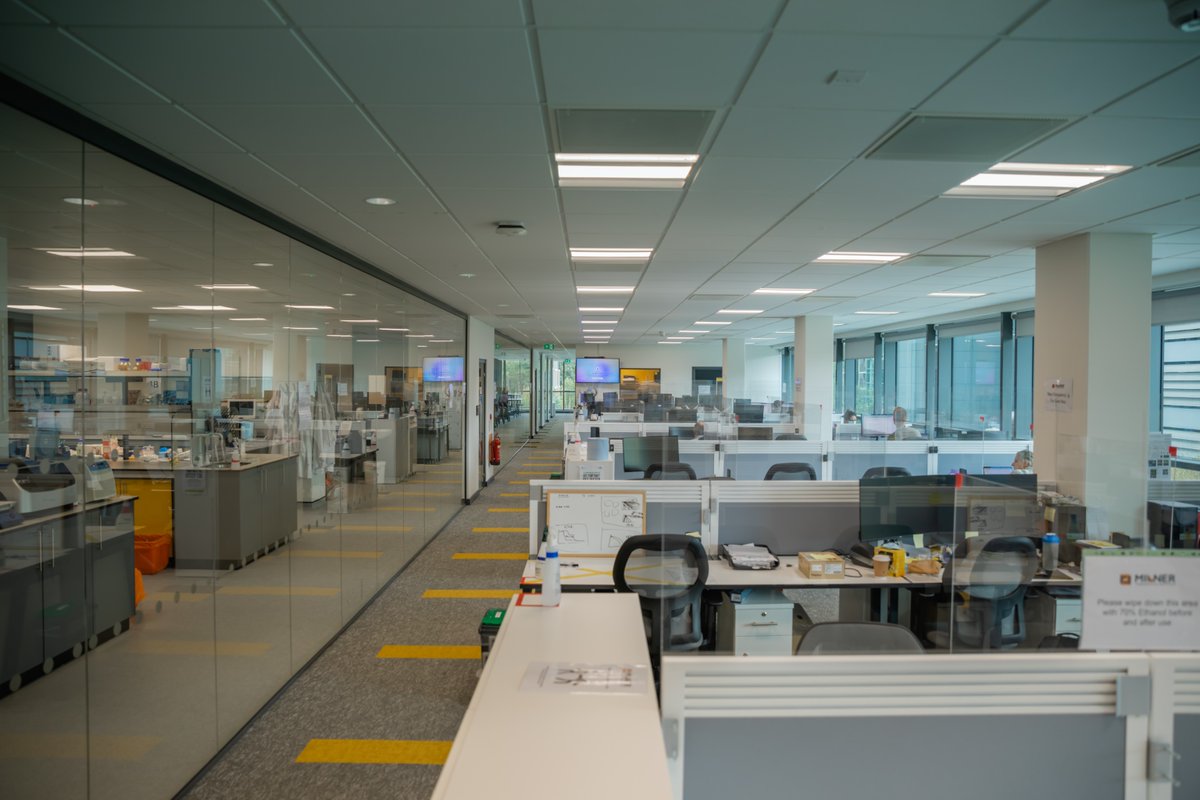
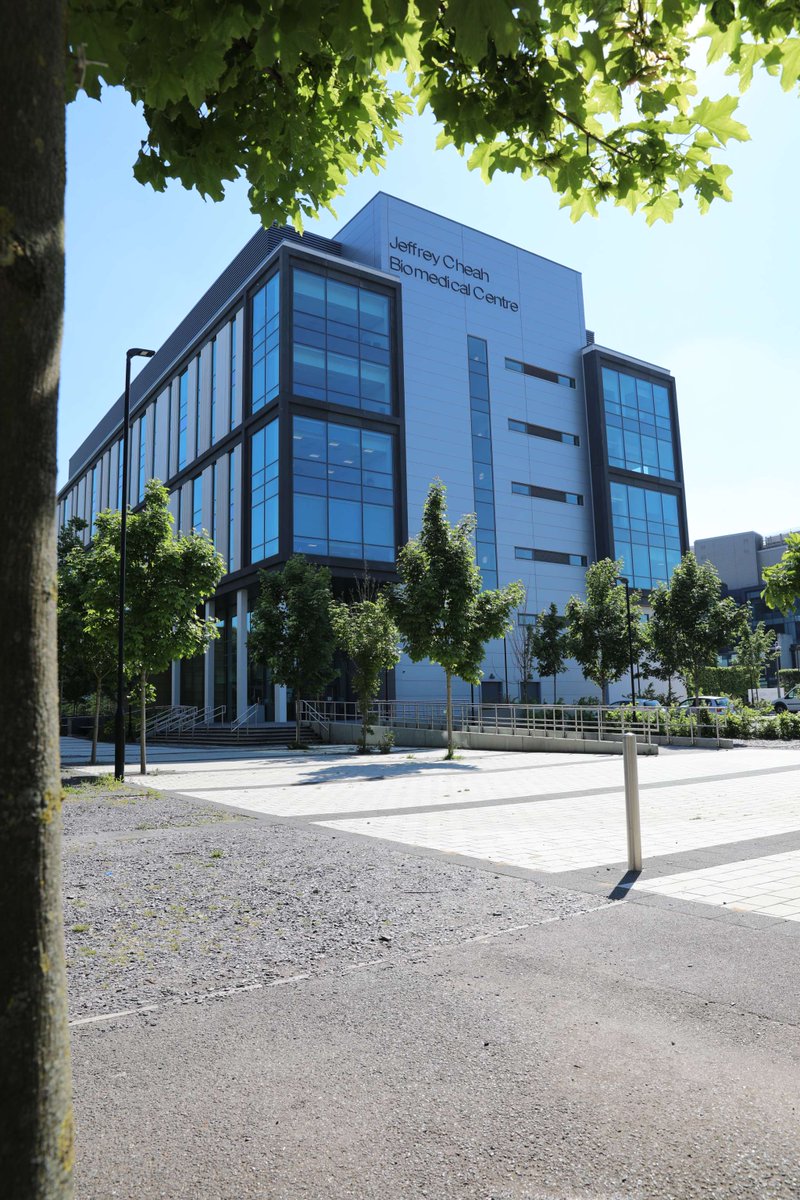
🚀 We’re looking for a Senior Research Associate to join Milner!
🔬 Expertise in AI, computational biology or engineering biology?
Help lead collaborative research in engineering biology and AI for gene and cell therapy.
🗓️ Apply by 27 September
🔗 https://t.co/WQCbAIhmJs
"I really thrive on curiosity." Meet David Ginty & Patrik Ernfors, the 2026 Brain Prize laureates whose work on touch and pain is reshaping neuroscience - and who aren't done asking questions yet.
#BrainPrize#Somatosensation
#BNA2027 registration is OPEN!
The 8th International Festival of #Neuroscience is coming to Belfast, 25–28 April 2027.
Early bird is open – explore the programme and start planning your Festival.
https://t.co/eI0XgAMx2S
More than 1,000 overlooked microproteins in human brain tissue have been detected, including some that are altered in Alzheimer’s disease
https://t.co/aq2FgBQUQl
Scientists at @UCSF built a "Google Maps for tau" to predict how Alzheimer's spreads through the brain and found that both genetics and wiring drive the disease.
The model was built using gene expression data from our Human Brain Atlas.
🔗 https://t.co/D0y6m4PJAI
@RajLab_UCSF
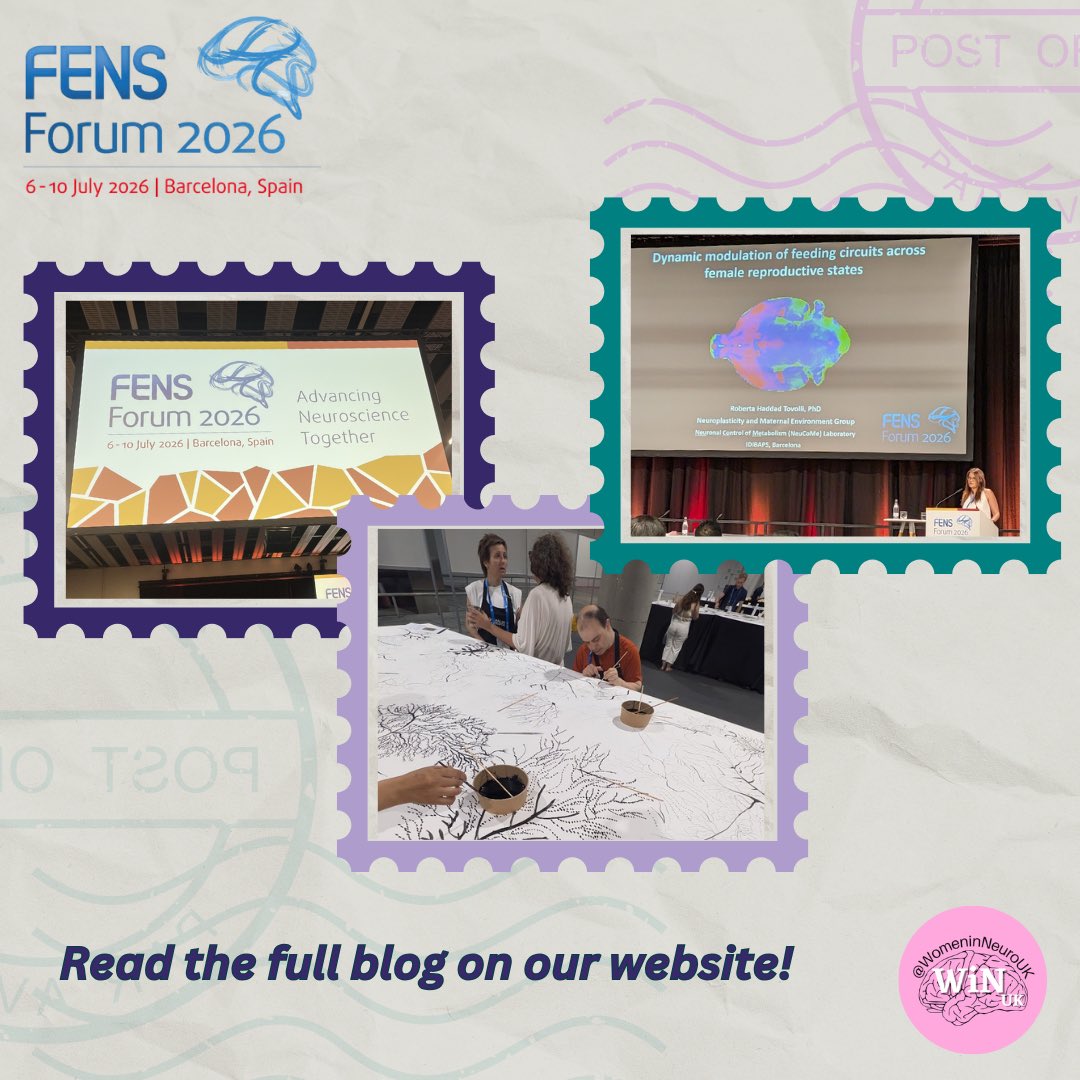
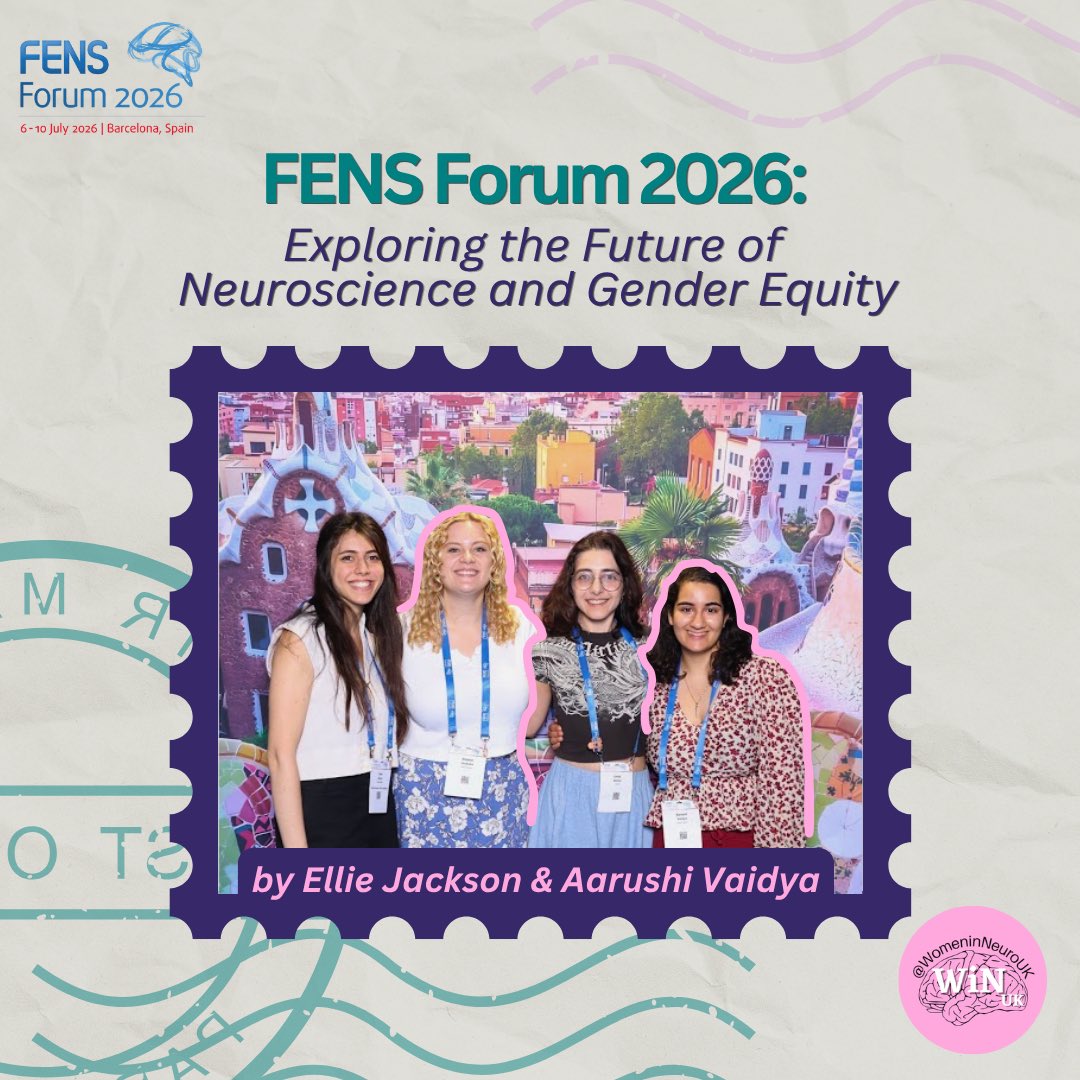
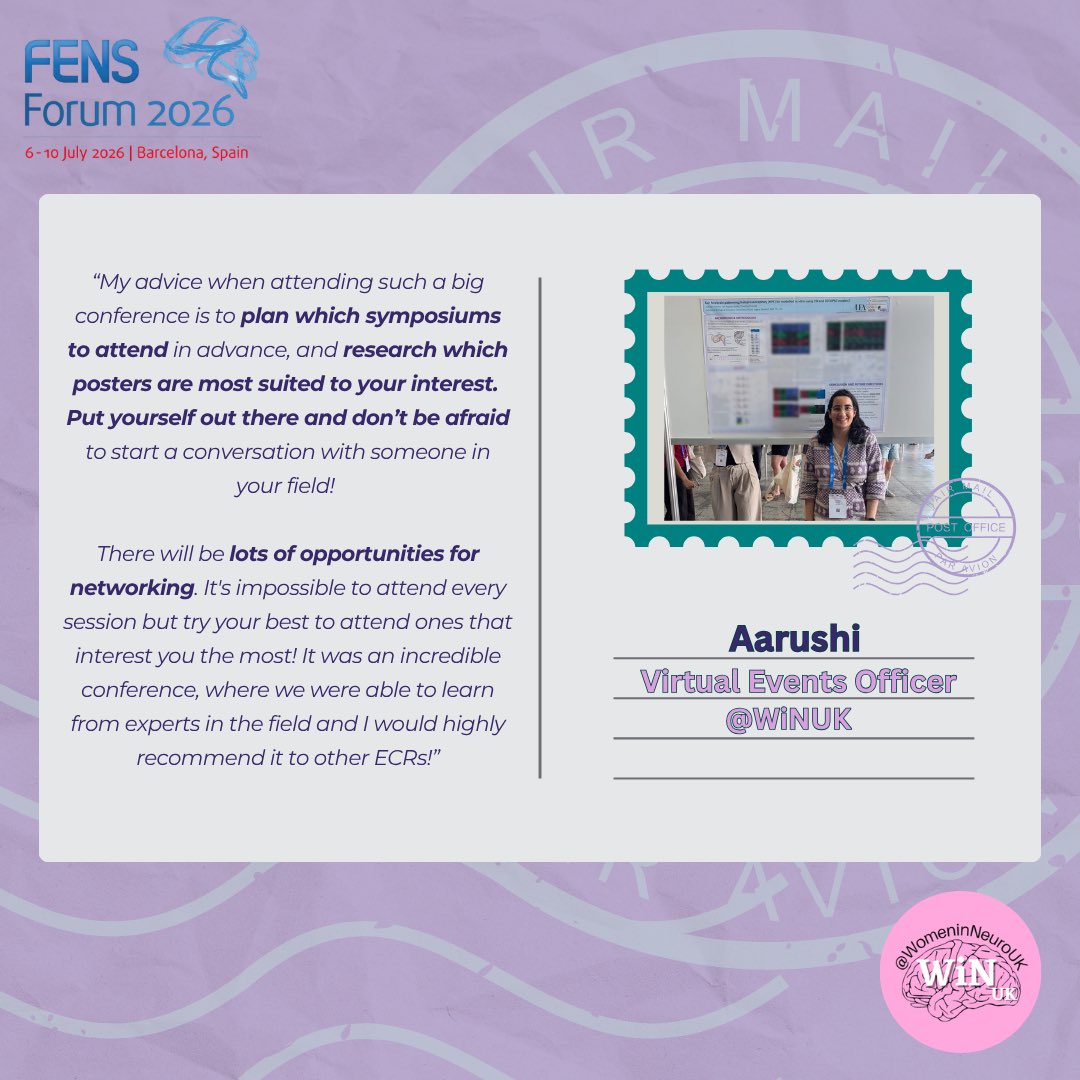
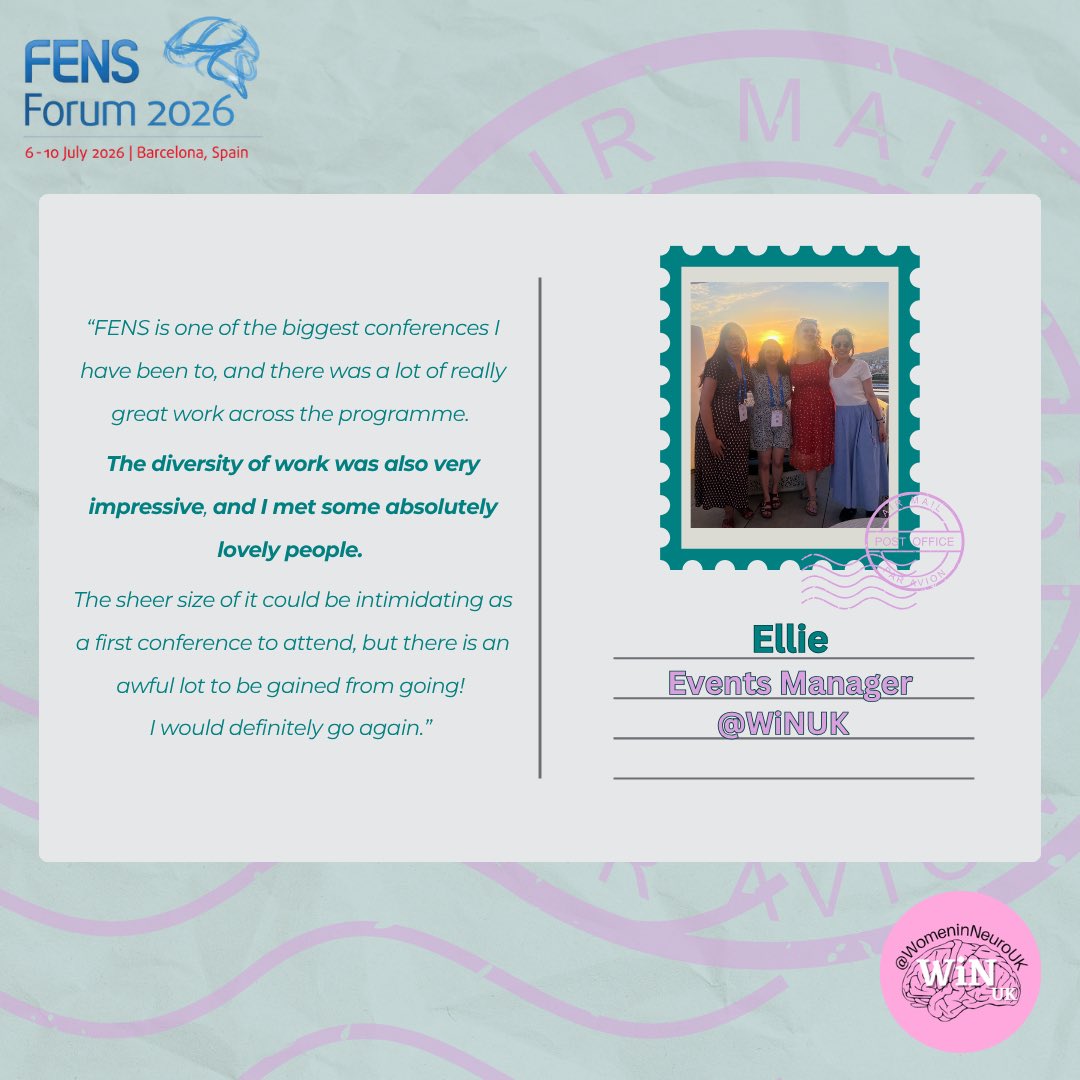
What happens when 8,000+ neuroscientists from 92 countries come together?🧠
Ellie Jackson & Aarushi Vaidya share their highlights from #FENS2026, from sex-inclusive neuroscience and EDI to ECR events, networking and cutting-edge research.
In a 2025 @SciImmunology Review, researchers discussed how interactions between the nervous and immune systems could impact neurological disorders and allergy-related behaviors like food avoidance.
Learn more: https://t.co/rhVox5E0Fx #ScienceMagArchives
What does meaningful PPIE look like in dementia research?
Explore @AlzResearchUK practical guidance on involving people affected by dementia in research - then join our PPIE webinar on 30th September to learn more.
https://t.co/qd0jAjIJmm
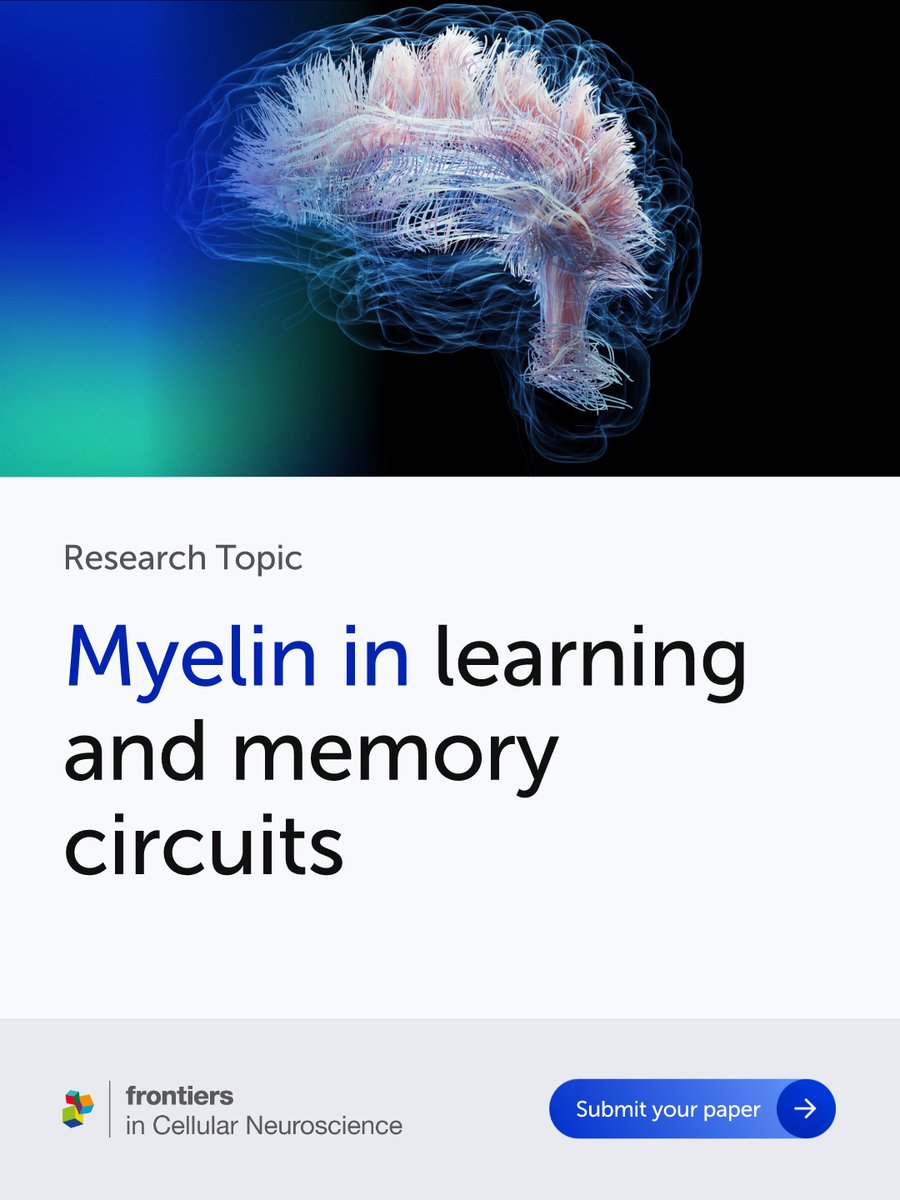
📢Call for papers: “Myelin in Learning and Memory Circuits” — how do oligodendrocytes remodel neural circuits during learning? Open-for-submissions collection in Frontiers in Cellular Neuroscience. Deadline: 30 Nov 2026. Submit your research 👉 https://t.co/hzh6K1TXvW #Neuroscience #Myelin
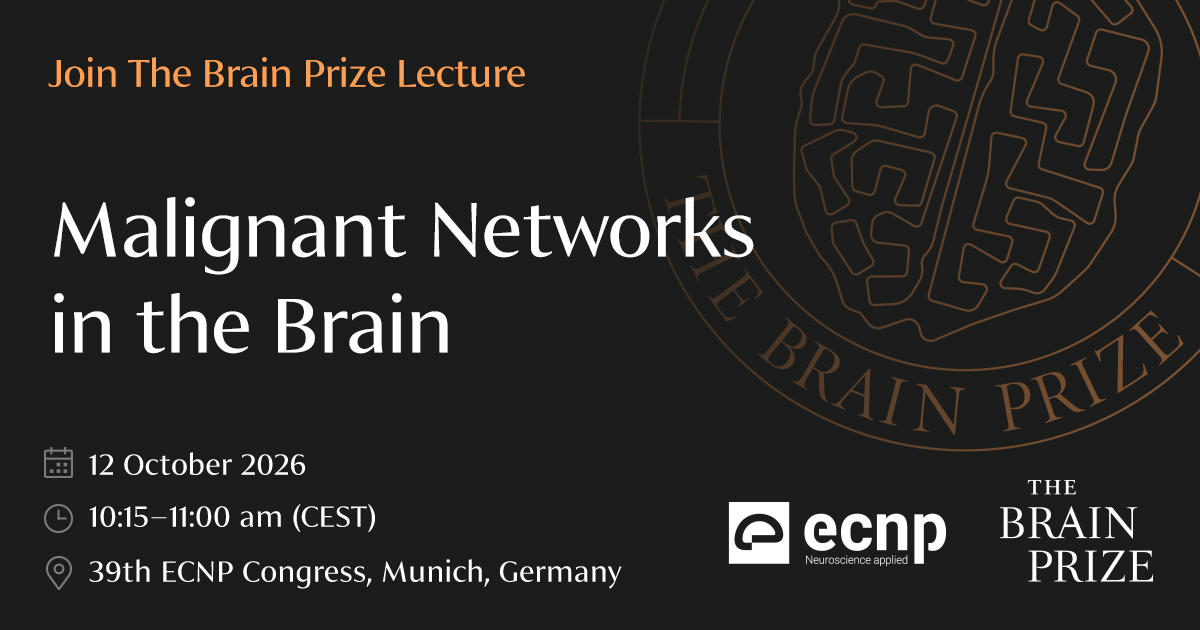
Brain Prize winner 2025 Frank Winkler will be delivering The Brain Prize lecture: Malignant Networks in the Brain, at the 39th ECNP Congress, Munich Germany.
For more information:
https://t.co/cjr70j1Rtb
@ecnptweets#BrainPrize#Neuroscience#ECNP
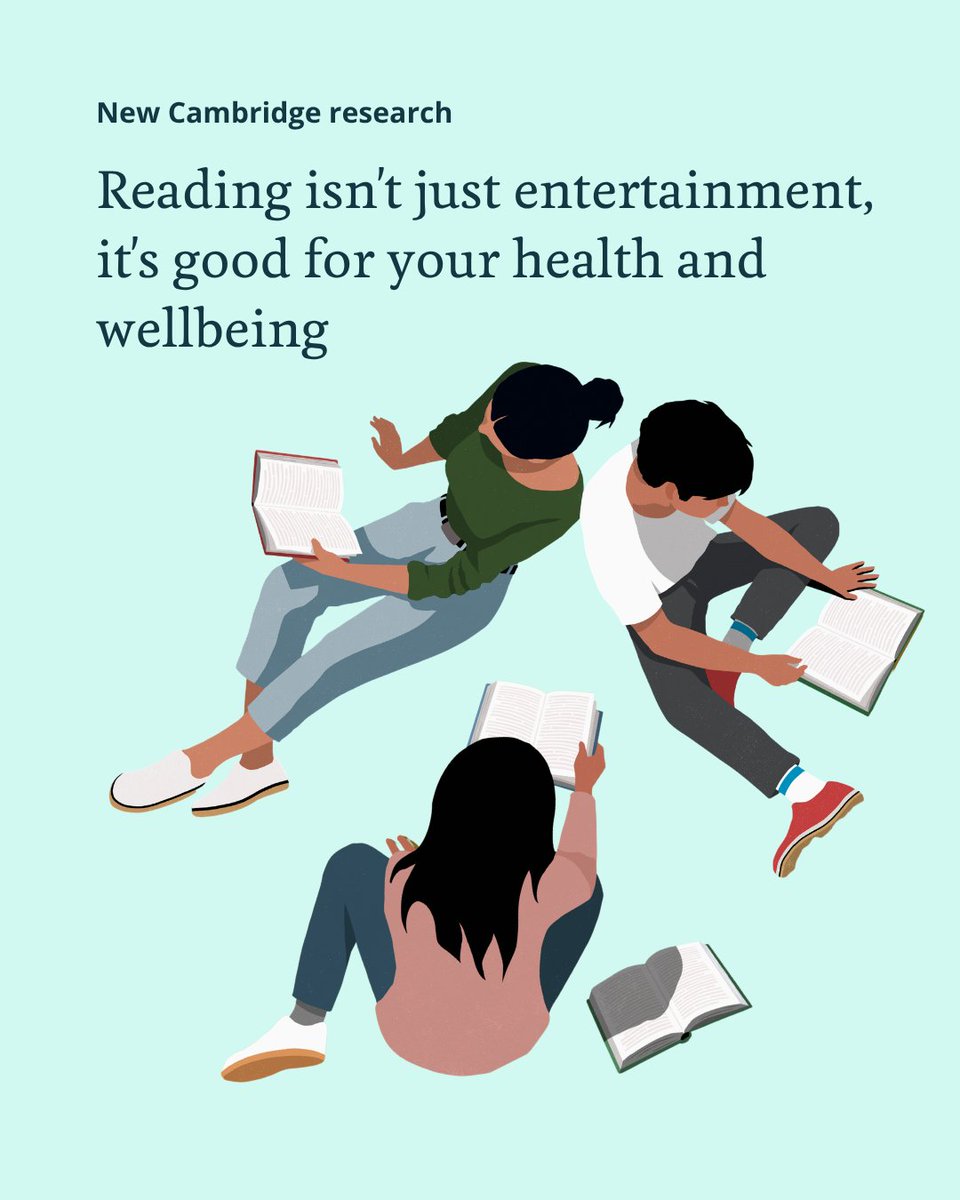
Do you enjoy reading? 📚
Whether you like a Jane Austen classic or #Heartstopper, reading is good for your mental health and wellbeing – and could help protect you from dementia.
Find out why 👇
https://t.co/QC2CMfpksz
#NationalYearOfReading2026
Last year, I was honoured to give the Huttenlocher Lecture at the @FluxSociety conference. Over the past year, I’ve been writing it into a paper:
The developing adolescent brain: Implications for youth justice and children in criminal proceedings
https://t.co/5UxFe28tRk
Only two weeks left to nominate a candidate for The Brain Prize 2027. Nominations close on September 1st.
https://t.co/WDZ30VcmxN
#BrainPrize#Neuroscience