We tested whether those threat-modeling skills people add to Claude Code and Codex actually do anything.
Sort of.
Agents with generic security context prevented ~33% of flaws in our benchmark. Same tasks, context tailored to the specific change: 84%.
That led us to build Kura. We launched it yesterday.
@trq212 I think plan mode is great, but it can just be part of auto mode. I want sessions by default to plan before implementing, this leads to much better results.
After fixing that totally remove it 😁
@MaorShlomo Reducing system prompts is great because it frees the context window. Although it matters less now, I feel steering is a must because of that, the first tokens in the context are the most important ones.
@rzrgrv Interesting. I feel that recently the models are more capable of handling the missions. Another thing I didn’t mention is the instructions for the summoned sessions; I mention a verification step there that solves that issue.
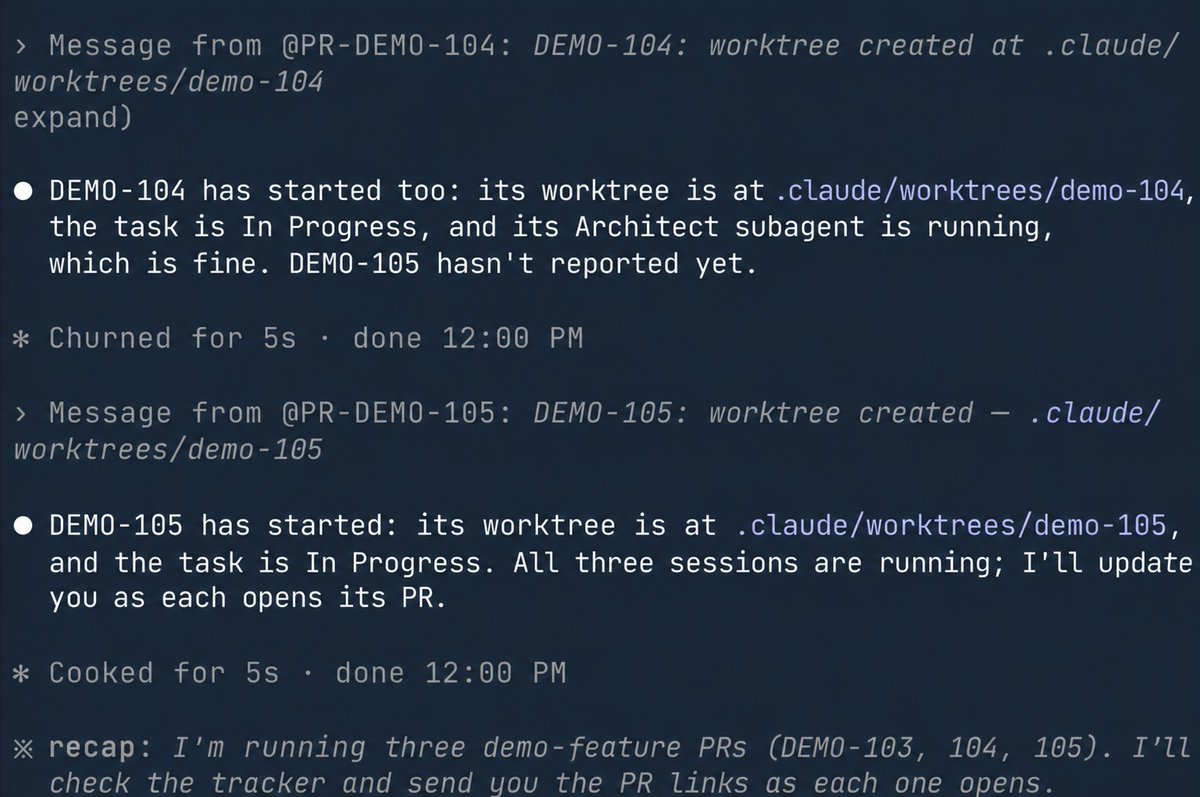
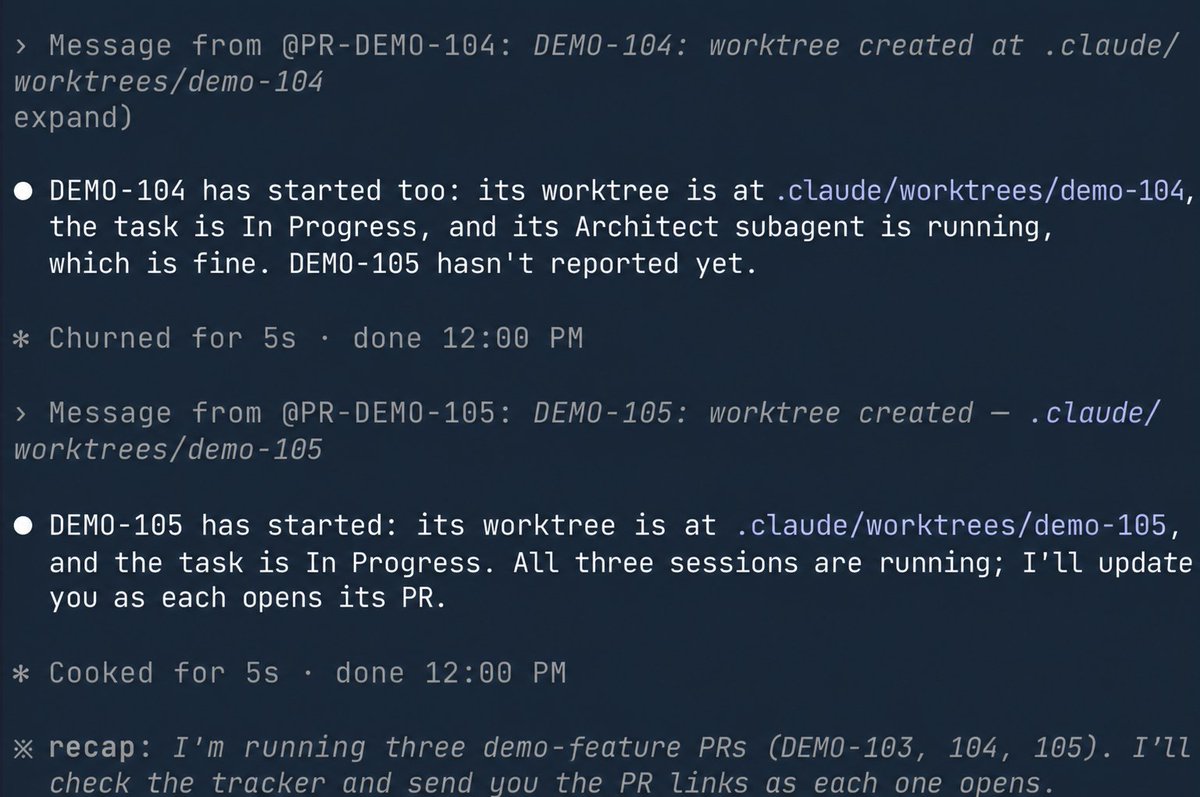
🚀 A Claude Code workflow I’ve been experimenting with:
1. Start with a “grilling” session to stress-test a new feature.
2. Once the plan is solid, turn that same session into an orchestrator.
3. Let it coordinate multiple implementation sessions in parallel.
One session plans the work, then becomes the control plane.
Has anyone else tried this pattern?
🚀 A Claude Code workflow I’ve been experimenting with: 1. Start with a “grilling” session to stress-test a new feature. 2. Once the plan is solid, turn that same session into an orchestrator. 3. Let it coordinate multiple implementation sessions in parallel. One session plans the work, then becomes the control plane.
Today we're rolling out Projects in Claude Code on desktop and web.
A project is one conversation with Claude. It splits the work into threads itself, runs them as parallel cloud sessions, passes context between them, and keeps going when you leave.
In beta for select users.