Africa's carbon future is full of opportunity. Carbon Access Lab connects climate innovation, carbon markets & sustainable finance to build credible projects that benefit communities, investors & the environment. Follow our journey.
Website:https://t.co/WbCICM3JPN
@AbiluTangwa A powerful reminder.
Tree planting is about replacing intent with structured, verifiable action.
Replacing cut trees through organized afforestation, sound methodology, and community stewardship converts climate anxiety into long-term ecological and economic stability.
From the Desk of Mark Mutaahi. "A carbon project becomes investable when environmental integrity, commercial viability and implementation capacity are demonstrated together. Credits alone cannot compensate for a weak underlying business."
Follow CAL for more insights
At CAL, we ensure that carbon market collaboration focuses on infrastructure, compatible approval processes, shared technical expertise, stronger validator capacity, regional buyer relationships and interoperable data systems
Share with teams working on E. African carbon markets
Carbon finance starts with evidence. A credible project needs baseline data, clear boundaries, measurable activities and an MRV system that can withstand independent validation. Skip any of this, and projected carbon revenue is just a guess
#CarbonMarkets#ClimateFinance
Africa’s carbon opportunity extends beyond selling credits. Project design, methodology selection, MRV, validation, financing and trading all create value. Building African carbon markets means developing local capacity
Follow CAL for practical carbon project development insight
@WorldResources Ecosystem restoration isn't just about carbon, it’s about real co-benefits!
From Medellín’s cooling Green Corridors to Lomakatsi’s wildfire resilience & job creation, nature-based solutions prove that strong project prep builds lasting climate & social value
#CarbonAccessLab
To build a thriving bioeconomy, Africa must move from promising green pilots to commercially viable, bankable projects
Whether converting coffee husks into biochar or scaling BSF systems, success depends on reliable MRV, strong governance, and market alignment
#CarbonAccessLab
Africa is turning farm waste into wealth, can Uganda build an industrial-scale bioeconomy?
From coffee husks turned into briquettes to BSF larvae, agricultural residues are becoming high value feedstocks.
https://t.co/v9qV63KFEd
The future of Africa’s forests belongs to the youth who choose to own today’s climate challenges. Investing in tree planting and ecosystem restoration isn't just about conservation, it’s about building sustainable foundations for the globe you will inherit
#CarbonAccessLab
Happy International Youth Day 2026! Today, we celebrate young people turning knowledge into action and shaping a more sustainable future for Africa’s forests.
#IYD2026#AfricanYouths4Forests#Forests#Youths
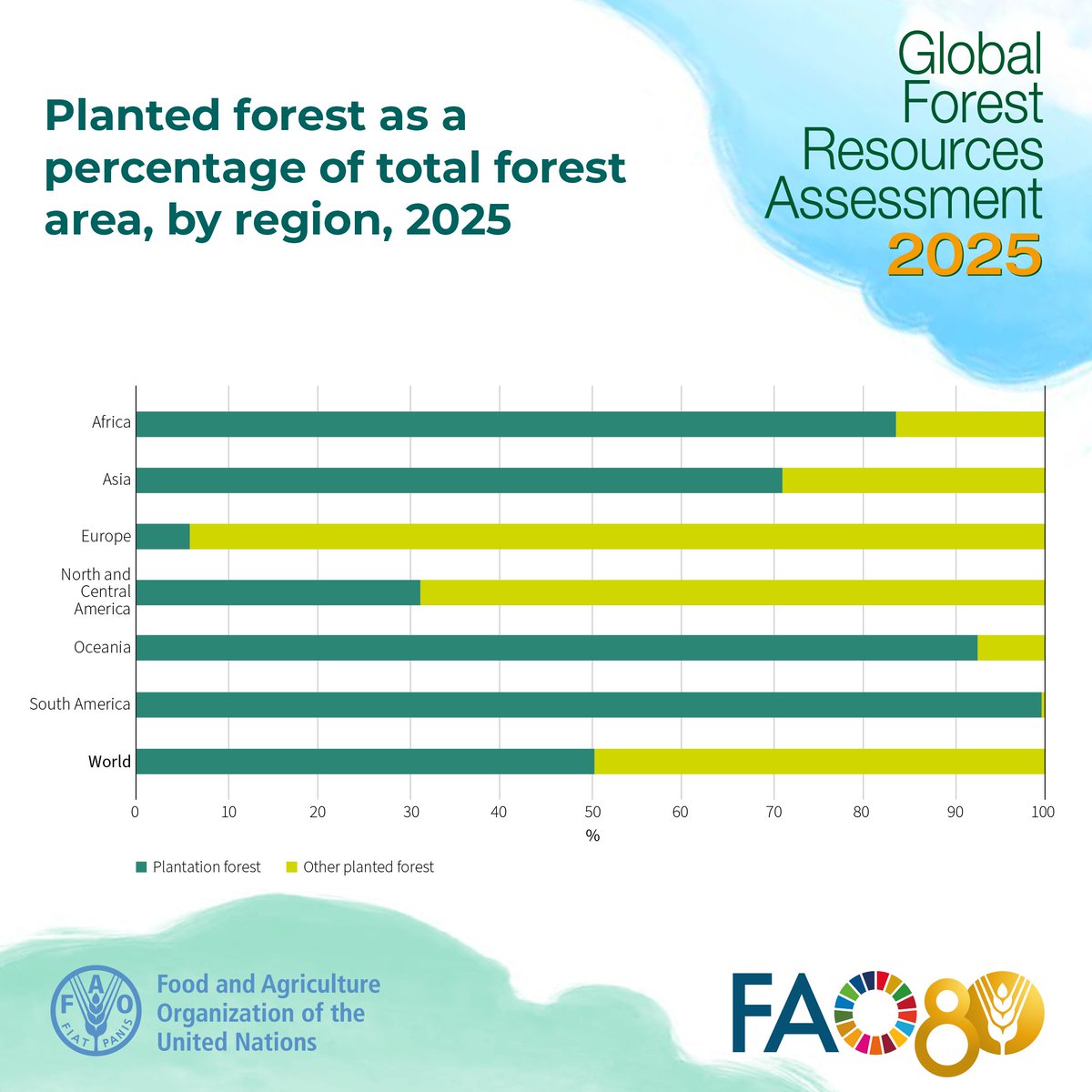
Planting more forests is vital, but resilience must be part of the equation. As we expand planted forests, we should prioritise tree varieties and landscapes that are more fire-resilient. Otherwise, forests meant to capture carbon could become a major emissions challenge.
The largest area of planted forest is in Asia, at 146 million hectares, or 23 percent of the region’s total forest area.
Get more data on the world’s forests in @FAO’s Global Forest Resources Assessment 2025 👉 https://t.co/iArtixHde6
#FRA2025
Congratulations to @nemaug and @UNEP on this important initiative. Tackling plastic pollution while advancing circular economy solutions can unlock environmental and economic value for Uganda. A timely step towards a cleaner, more sustainable future.
#CircularEconomy
HAPPENING NOW....
NEMA, UNEP LAUNCH INITIATIVE TO TACKLE PLASTIC POLLUTION IN UGANDA
NEMA, in partnership with UNEP, has today kicked off a new initiative to strengthen Uganda’s response to plastic pollution and promote investment in circular products.
The initiative brings together NEMA, UNEP, the Embassy of Japan in Uganda and other stakeholders at Sheraton Kampala Hotel.
#PlasticPollution #CircularEconomy
It’s not too late to change the trajectory. Protecting forests, restoring degraded landscapes through robust afforestation, and accelerating the shift to clean energy can help break the cycle of extreme heat, drought and emissions. The solutions are within reach
#CarbonAccessLab
Science is clear: Climate change made these heat extremes up to 5x more likely. Hotter droughts dry vegetation into fuel. Forests that once cooled the planet now burn, releasing massive CO₂,worsening the cycle. We've seen this in the Amazon & Congo too.
@CarbonBrief@RushtonAmy2003 Financial inclusion is climate resilience. When women have access to finance, savings, insurance and credit, households are better equipped to absorb climate shocks. But lasting resilience also requires tackling the structural inequalities that leave women more vulnerable.
@WorldResources We can’t rely on goodwill alone to accelerate the transition to electric mobility. If we are serious about reducing carbon emissions, governments must create enabling policies that make EVs accessible and attractive, including significantly reducing taxes on electric vehicles.
Africa’s carbon opportunity is bigger than generating credits. It’s about building trusted markets that attract quality investment, protect national interests and ensure communities benefit. Kenya’s framework offers important lessons for the region
#CarbonMarkets#ClimateFinance
Kenya's new carbon market framework shows Africa's carbon future is about more than selling credits, it's about building trusted, high integrity markets that attract investment and ensure communities benefit. That's the future @CarbonAccessLab supports.
https://t.co/Y1FBCBBbUD
@CarbonCredits This is a strong signal that high integrity carbon projects can deliver at scale. The next priority should be ensuring this momentum translates into real climate impact, thriving ecosystems, and tangible benefits for local communities.
#CarbonMarkets#ClimateAction
@CREACleanAir@GlobalEnergyMon Building more renewables isn't enough if the grid can't use them. Rising curtailment shows why investment must go beyond generation to storage, transmission and grid flexibility. That's how we reduce coal dependence and maximize every clean energy investment. #CarbonMarkets
This is an encouraging milestone that shows the energy transition is possible with the right policies, infrastructure and incentives. The rest of the world should take note and adapt lessons from the UK's progress to reduce emissions globally.
#ClimateAction#EVs
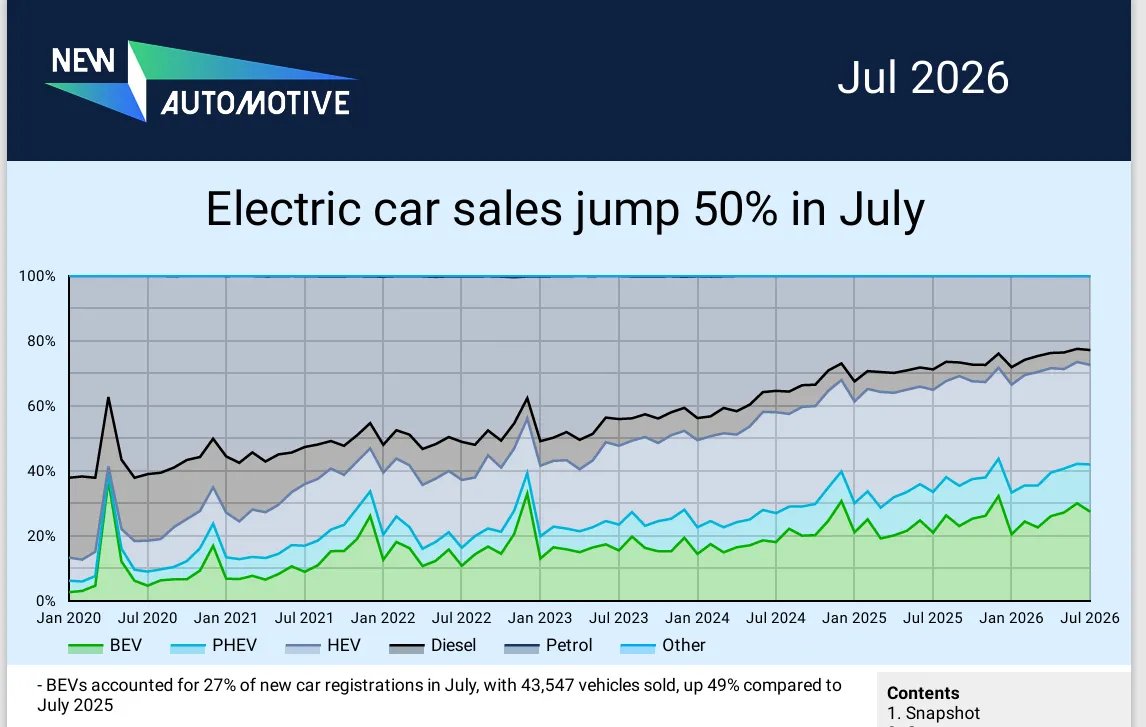
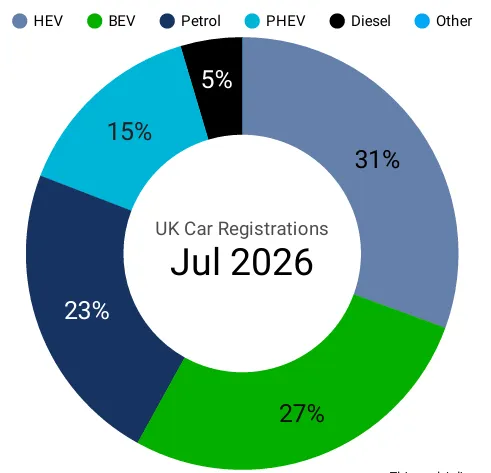
Good morning with good news: UK's fully electric vehicle sales skyrocketed 49% in July, reaching 27% market share.
Plug-in hybrids rose 36% for 15% market share.
BEV & PHEV were 42% of market.
Petrol vehicle sales fell 8% and diesel fell 11%
https://t.co/tAR499626Q
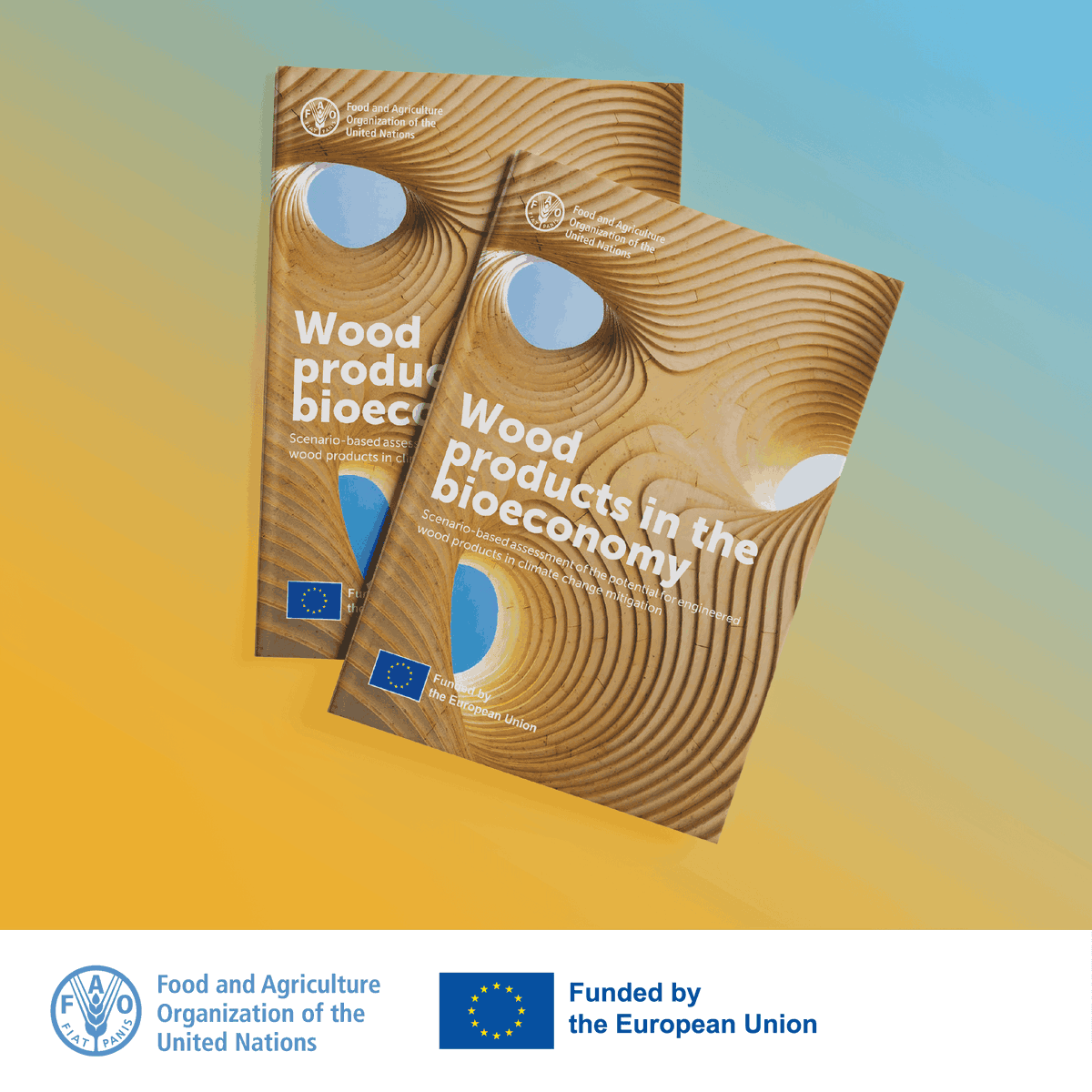
While engineered wood products can play an important role in climate change mitigation, their benefits depend on sustainable forestry. Reducing forest cover only deepens the climate challenge. Stronger reforestation and responsible forest management must go hand in hand.
What if buildings could help fight climate change instead of fuel it?
Discover how in a @FAO & @BauhausEarth report
Wood products in the bioeconomy: Scenario-based assessment of the potential for engineered wood products in climate change mitigation
👉 https://t.co/412tafxoP0
@CarbonBrief Every development plan going forward should therefore include a clear climate conservation strategy. Sustainable growth must protect ecosystems, reduce emissions and strengthen resilience before climate impacts become too costly to contain.
#ClimateAction
@CarbonBrief As CAL, we believe climate conservation is far more affordable than responding to the destruction caused by wildfires and other climate related disasters. The cost of prevention is lower than the cost of emergency response, rebuilding communities and restoring ecosystems.