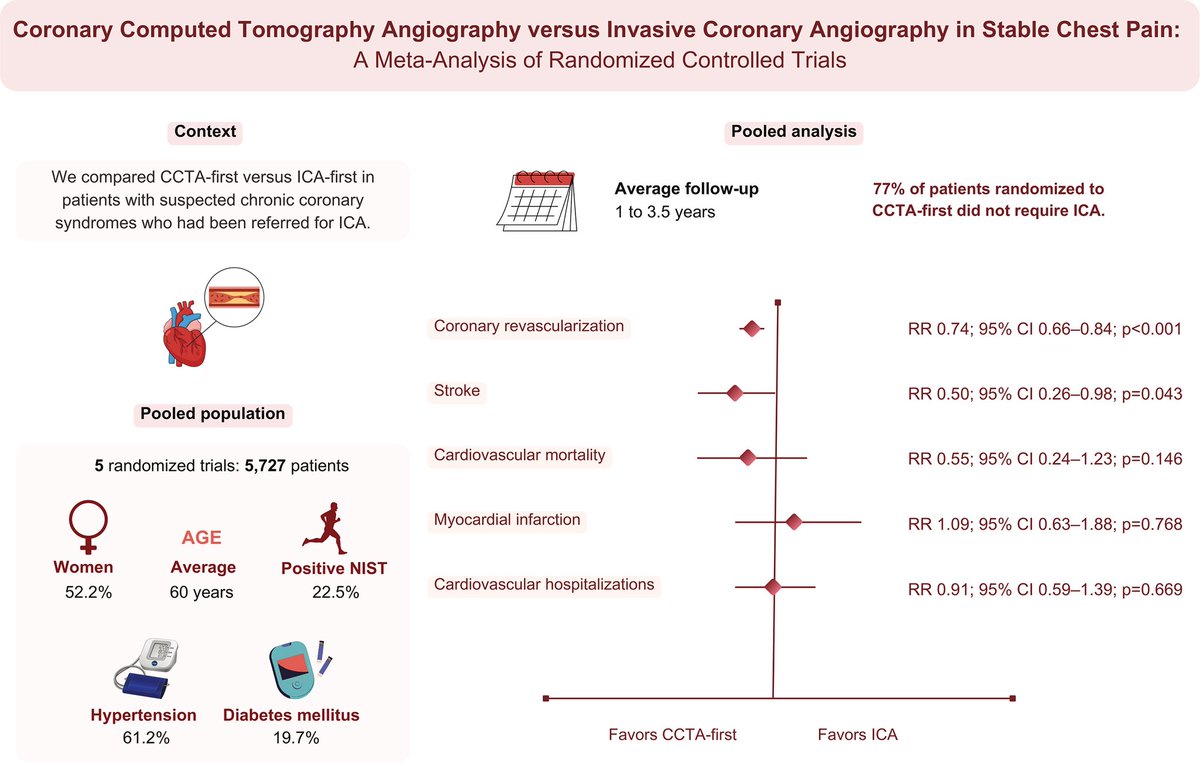
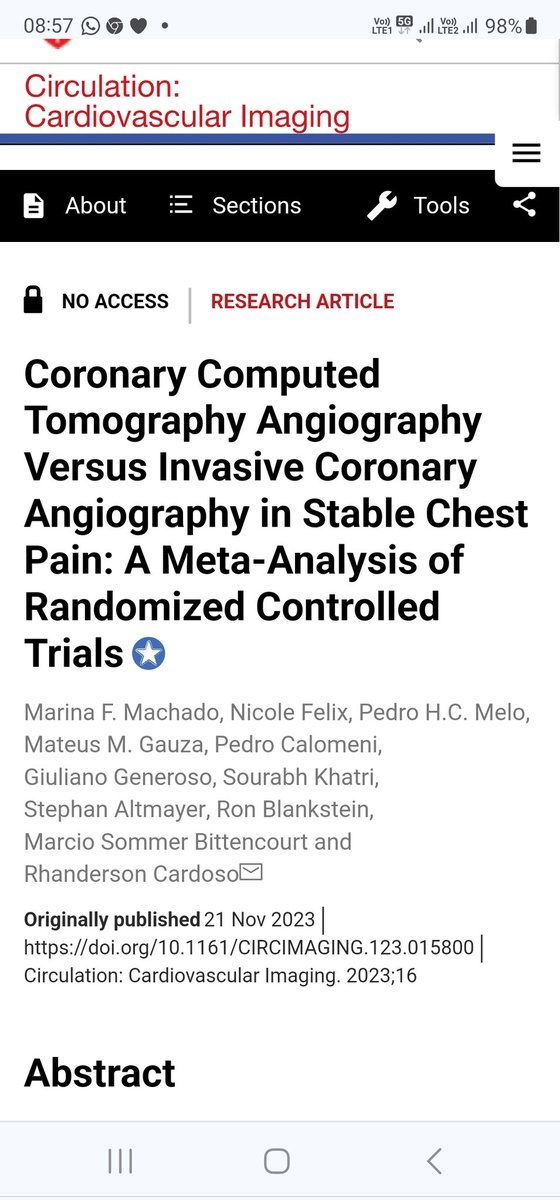
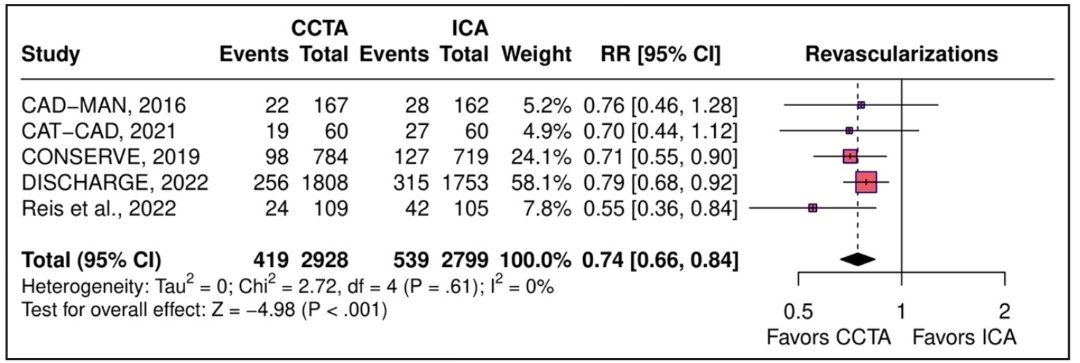
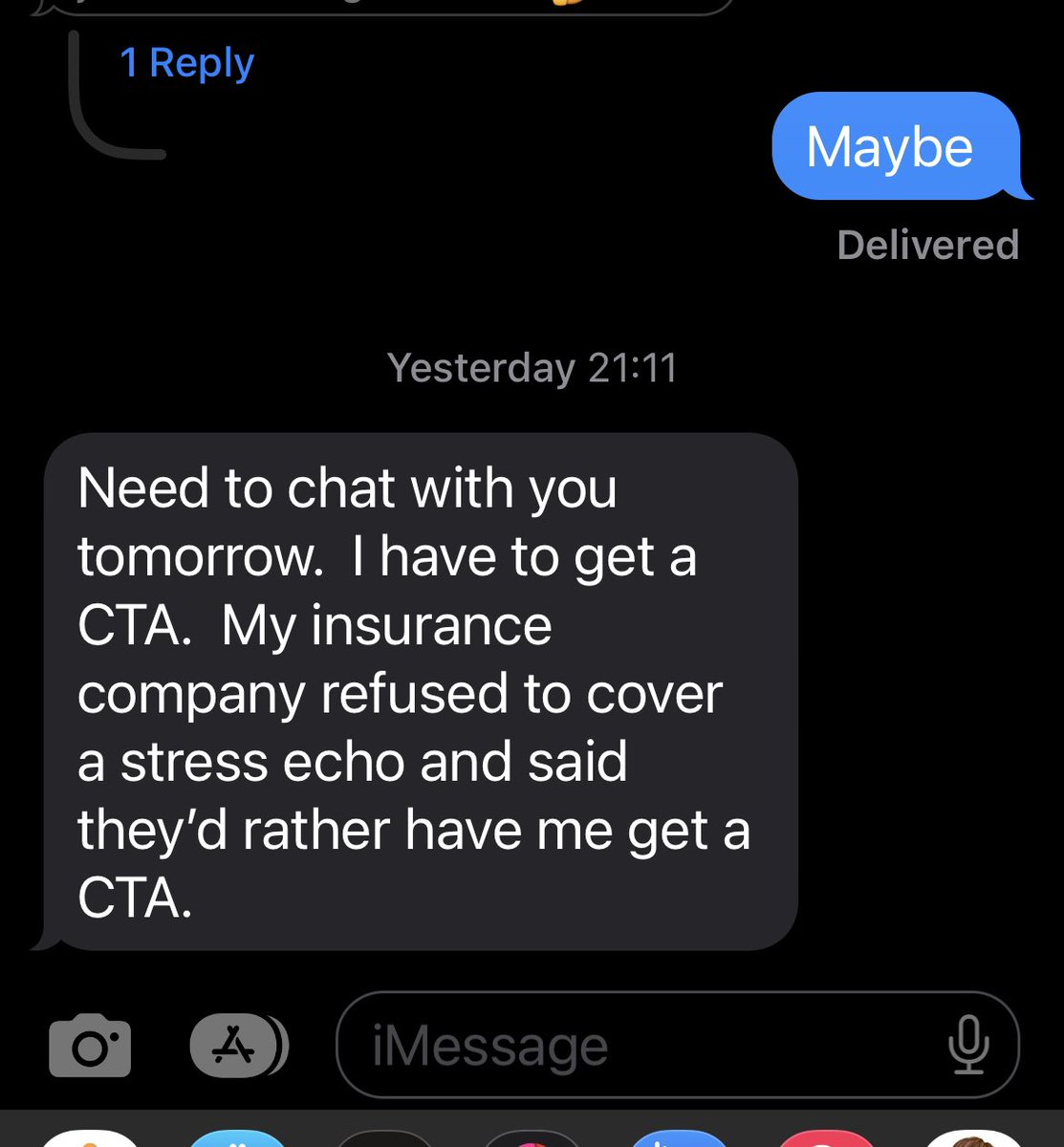
If I need to undergo a coronary angiography due to a stable chest pain complaint: Would I rather choose an invasive approach or a CCTA? This publication says I'd better go non-invasive! Congrats @Marceloibittenc@RonBlankstein@RCardoso_MD and all collaborators! #cardioTwitter
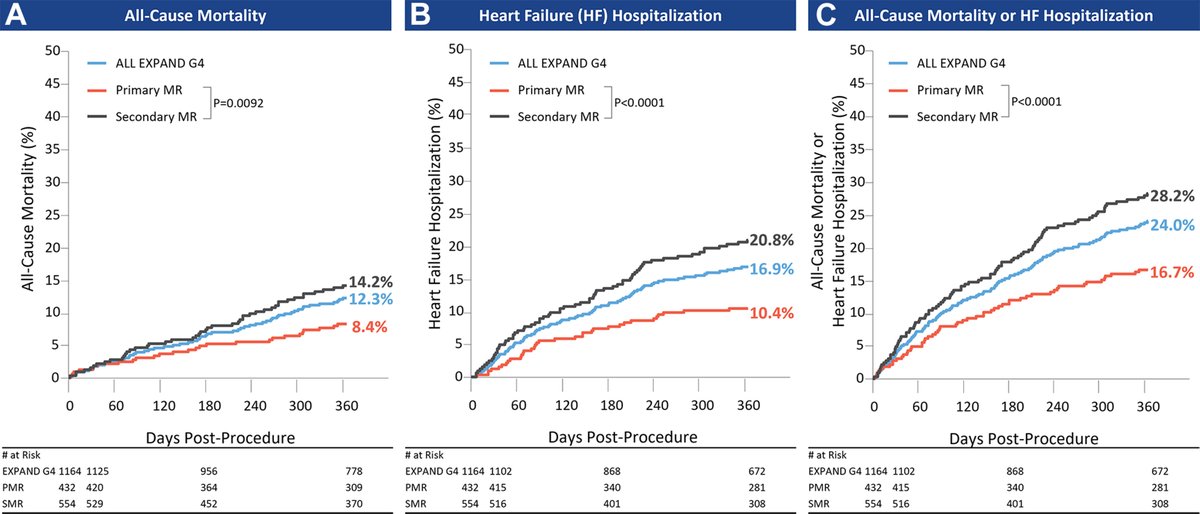
Exciting findings in #MitraClip G4 study! 92.6% achieved durable reduction in mitral regurgitation at 1 year. 🫀 Improved safety, functional capacity, and quality of life observed. https://t.co/nZfEjtc5Hz
#JACCINT#vhdMR#QoL#CardioTwitter@vonBardelebenRS
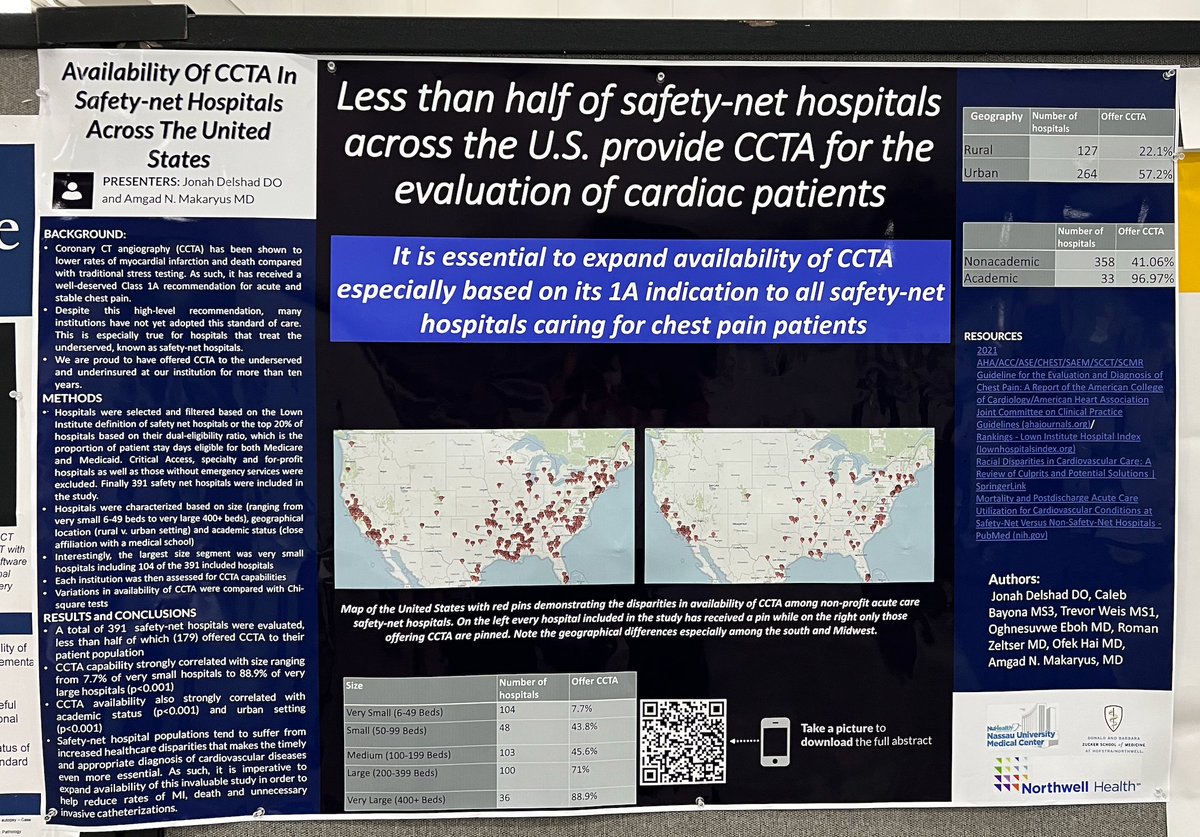
Congrats to Jonah Delshad (a cardiology bound 3rd yr IM resident) on his #SCCT2023 poster showing that less than half of US safety-net hospitals (🏥 serving most disadvantaged populations in the US) offer CCTA services. @CMSGov@Cardiology@RadiologyACR
@EricTopol@NatureMedicine Great study!! - adding epigenetic analysis feels important comparing “microcyclic” vs chronic caloric restriction on circadian/metabolic genes. Also nice to have 18-month data that could open the gateway to the analysis of seasonal changes in genetics/metabolism.
@karrowni Impressive work Wassef. So does adding the Lampoon mean that we might decrease the high rejection rate for severe MAC patients with small LV?
@Allison_Dupont Sounds like a provocative confidence test question and you could have replied, “I do not believe your case requires extra pair of hands BUT do you need someone to hold your hands during the procedure?” 😅
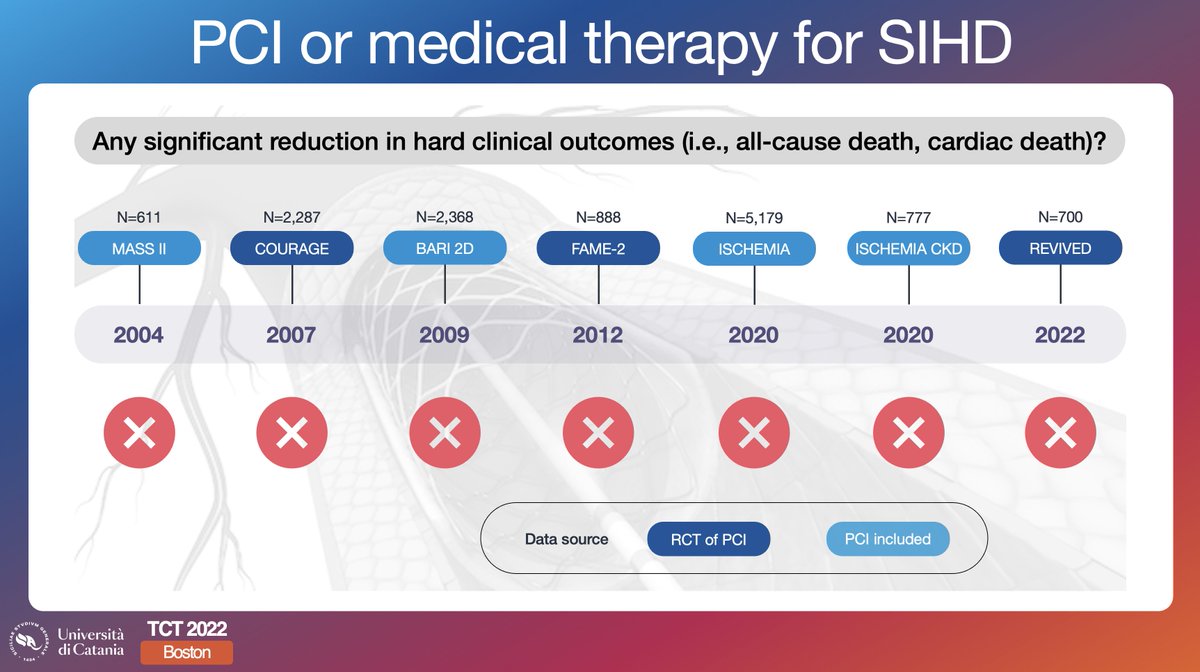
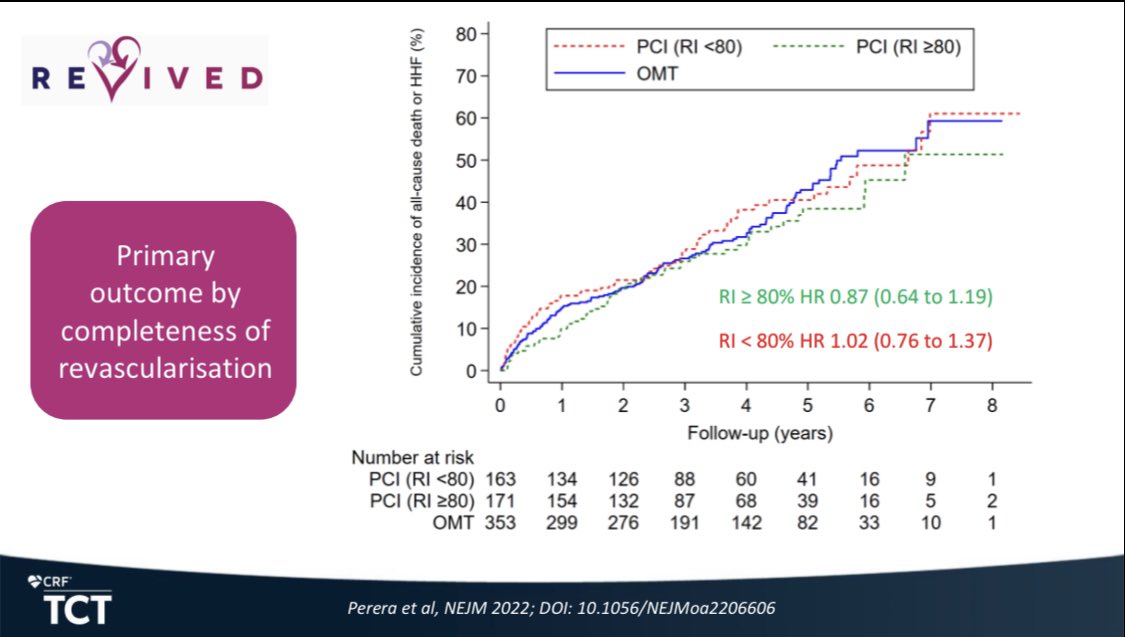
With the evidence generated so far, we may safely conclude that PCI does not improve survival in patients with SIHD. PCI remains key in ACS, and for the improvement of PROMs in consideration of patient compliance and wishes in relation to the intensity of anti-anginals. #TCT2022
#REVIVED discussed in more detail by @divaka_perera#TCT2022@crfheart this morning. Centre-reported completeness of revascularisation high (median 80%) but complete and incomplete: similar outcomes. Look forward to angio corelab outputs in 2023. @NEJM https://t.co/0UPTtwMNcp