Out now in JCEM, multicenter study from the International Study of Inflammation in #COVID19, @CardiacLab, @umich exploring the mediating role of #inflammation between obesity and outcomes across the Covid-19 pandemic in 4,644 hospitalized patients. 1/4🧵
https://t.co/irtSvmeXjU
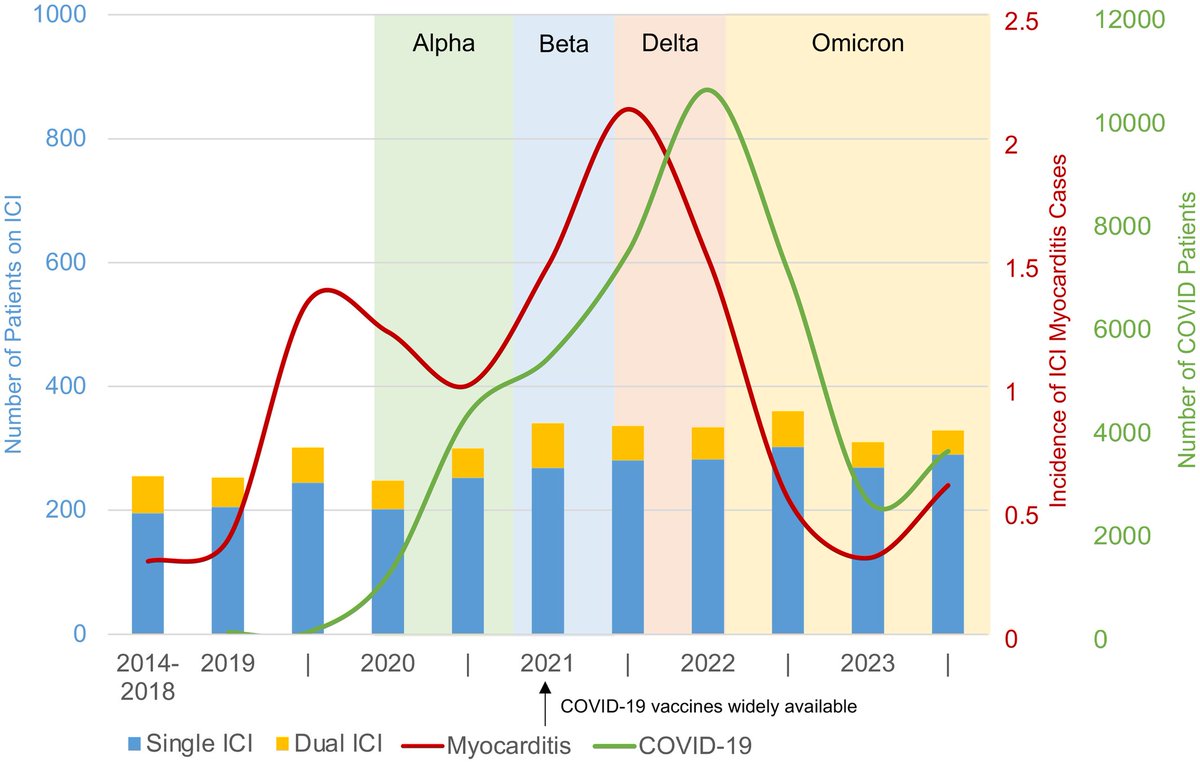
Check out our new paper published in @JAHA_AHA examining the rates of immune-checkpoint inhibitor myocarditis throughout the COVID-19 pandemic! ❤️🦠
📒https://t.co/L2OhqXjrqw
4/7 The International Study of Inflammation in #Covid is now published @wileymicrobio. This multicenter cohort study of over 3000 #Covid-19 patients evaluated the prognostic ability of various biomarkers. #suPAR outperformed others including CRP and IL-6. https://t.co/9ez0NFS0Yp
3/7 For a comprehensive review of suPAR's role in cardiovascular diseases, I recommend @Anis__Ismail's review. It provides a thorough overview of the current data and insights. https://t.co/5UsyoWAW5I
Do you have flu-like symptoms? 😷
You may be eligible for our newest research study with @HealgenSci
Follow the link below to find out more information.
https://t.co/Rjfd3nUccV
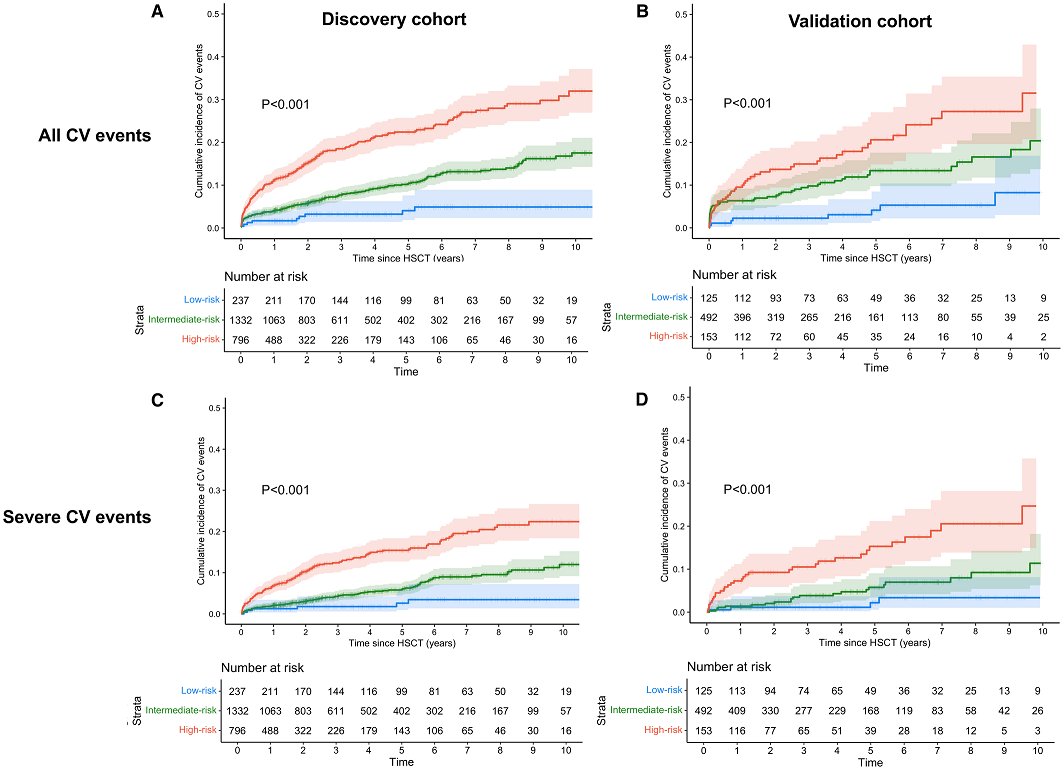
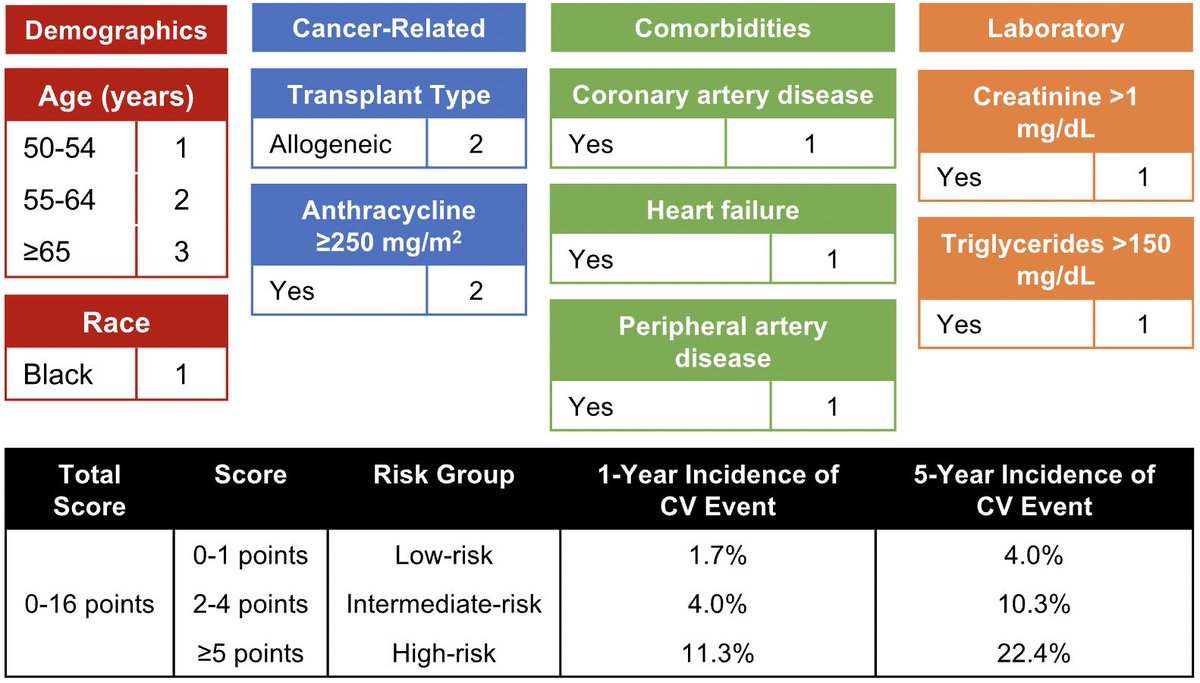
@Avasbind@salimhayek + team @umichCVC developed the CARE-BMT Risk Score to predict cardiovascular events in hematopoietic stem cell transplant recipients.
Learn how to stratify patients' risk before bone marrow transplant👇. #AHAJournals#CardioOncology https://t.co/HIiuDcufWb
Read our most recent work published in @JAHA_AHA! The CARE-BMT risk score can help identify patients at high risk of developing cardiovascular events prior to undergoing stem cell transplant. This is the first pre-transplant risk stratification tool!
https://t.co/ZNyB2YlSJu
Holiday celebration at @CardiacLab feels like a gathering of more than just colleagues. It’s a blend of friendship, support, and shared passion for what we do. Every person here has enriched my life in a unique way. Grateful doesn’t even begin to cover it.
The immune protein suPAR is an important link between viral infections and proteinuria, the elevation of protein in the urine that is known to cause kidney disease, a @umichmedicine and @RushUniversity-led study in @NatureComms finds:
https://t.co/8DzSxZQCU5