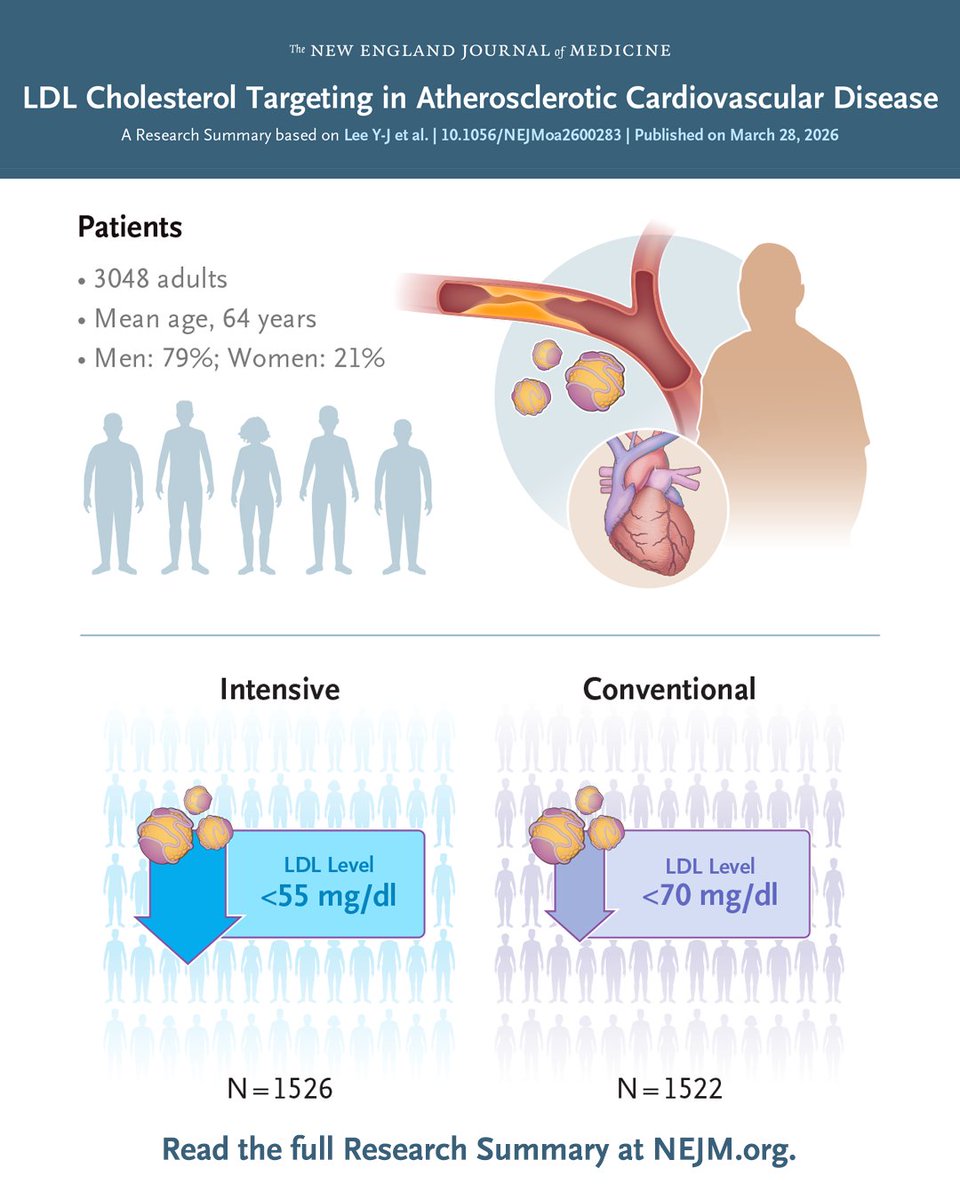
Among patients with atherosclerotic cardiovascular disease, targeting an LDL cholesterol level below 55 mg per deciliter led to a lower 3-year risk of cardiovascular events than targeting a level below 70 mg per deciliter. Full Ez-PAVE trial results and Research Summary: https://t.co/q0vNdAoJJL
What is the pullback pressure gradient (PPG)? And how to perform it? 👇
📄 What is PPG? @JACCJournals State-of-the-art review: https://t.co/1uC9iBKdVl
🎥 How to perform PPG? Step-by-step live case (Minneapolis Heart Institute): https://t.co/3sQ8ZkQGxO
• Favor steady hyperemia for a slow, continuous pullback (~15 s) https://t.co/uytZhD1Uyx
• Objective PPG quantification classifies disease as focal, mixed, or diffuse
• Ensure good technique. Confirm no pressure drift
@CCAD_MHIF@MHIF_Heart@AbbottCardio@coroventis@ColletCarlos@esbrilakis
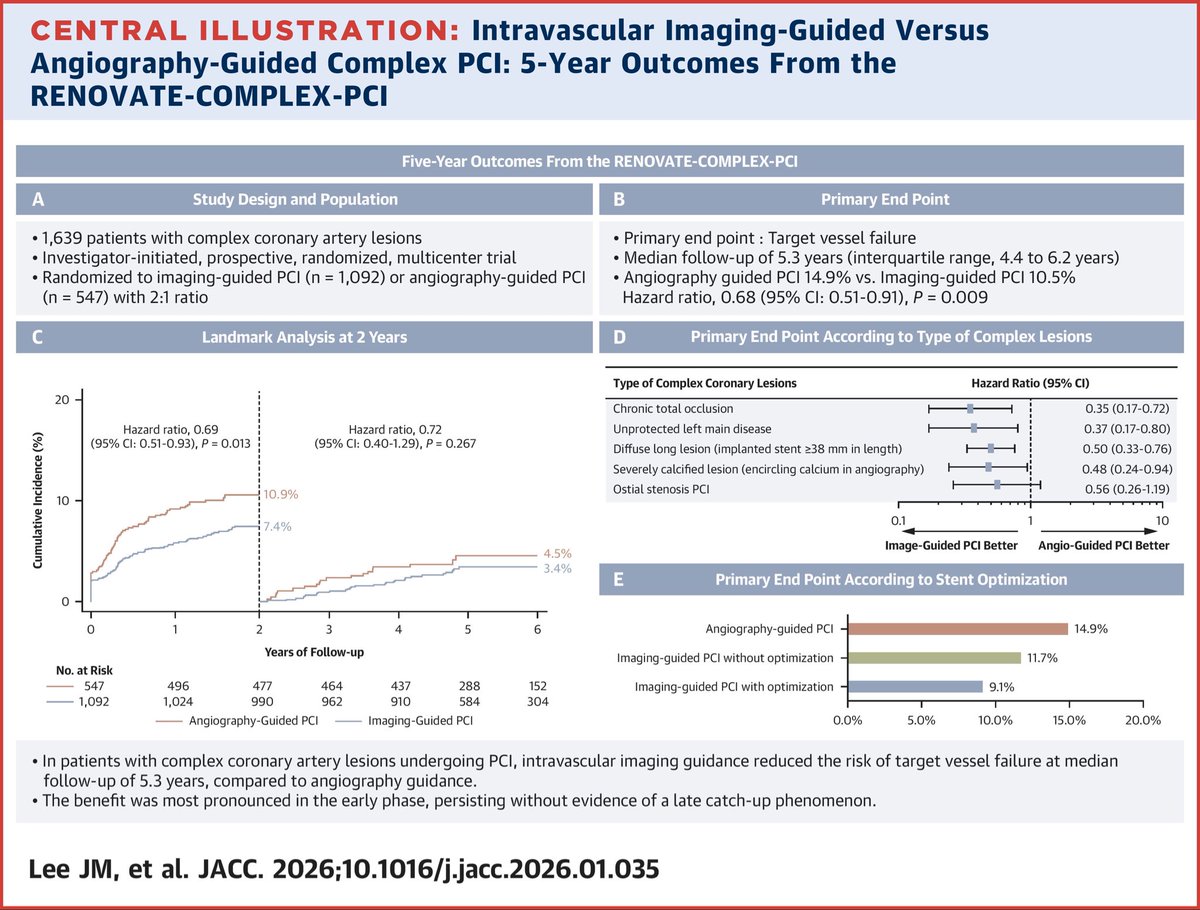
Intravascular Imaging- vs Angiography-Guided Complex PCI: 5-Year Outcomes From a Randomized Trial
In patients with complex coronary artery lesions undergoing PCI, intravascular imaging guidance reduced the risk of a composite of cardiac death, target vessel–related myocardial infarction, or clinically driven target vessel revascularization at median follow-up of 5.3 years, compared to angiography guidance
#Cardiology #MedTwitter #CardioTwitter #HeartHealth #Healthcare
@JACCJournals@ACCinTouch@CMichaelGibson@hvanspall@DrMarthaGulati@Hragy@cardioceptor
https://t.co/6x6qC8lRAL
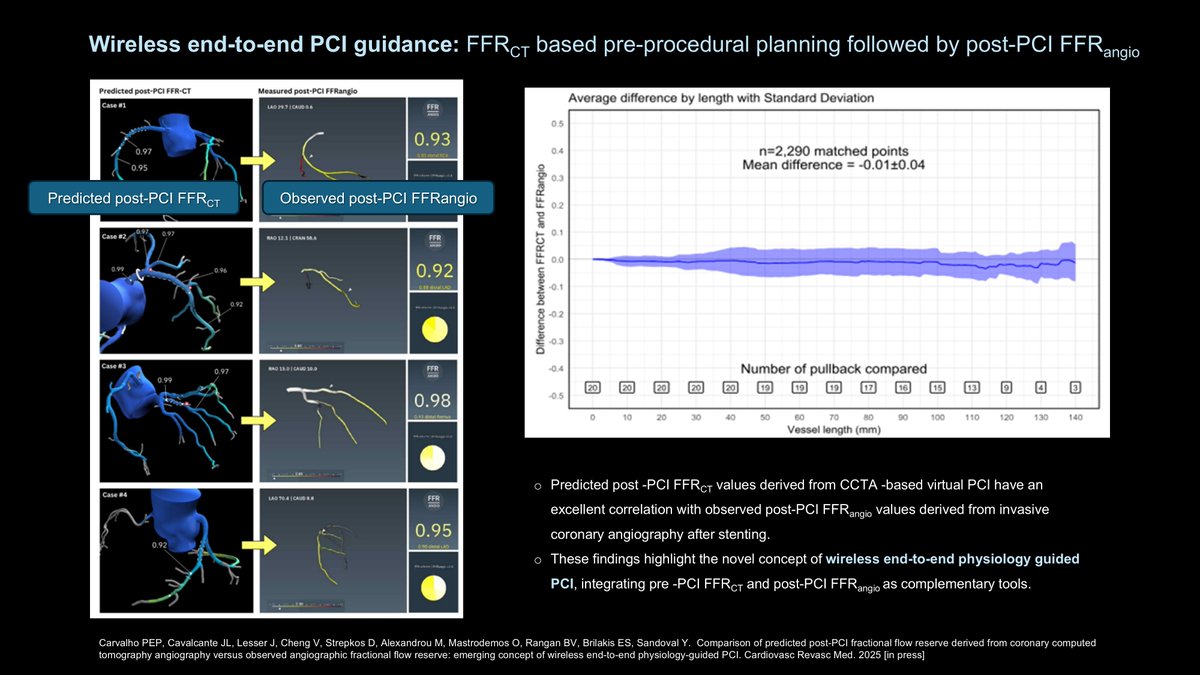
Does predicted post-PCI FFR-CT from CCTA align with observed post-PCI FFRangio?
Following our initial report (https://t.co/RqdPmCwak3), we now extend these observations by comparing predicted post-PCI FFR-CT with observed post-PCI FFRangio, now in press @CRMjournal (https://t.co/7cIQcrX6qr).
While larger studies are needed, these data support the evolving concept of wireless end-to-end physiology guided PCI, in which assessment of both pre- and post-PCI physiology becomes more practical and accessible, allowing expected post PCI physiology to be defined before entering the catheterization laboratory and verified at the time of PCI from routine angiography.
@PedroEPCarvalho@esbrilakis@CCAD_MHIF@MHIF_Heart@Bavana_Rangan@m1chaella_alex@DStrepkos@ColletCarlos
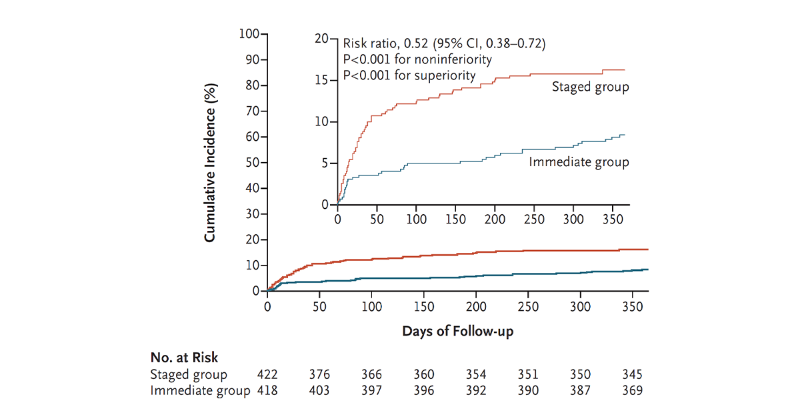
Original Article: Timing of Complete Revascularization with Multivessel PCI for Myocardial Infarction (MULTISTARS AMI trial) https://t.co/09sSlN7nSe
Editorial: Timing Is Everything — Evidence for When to Perform Complete Revascularization in STEMI https://t.co/QMrfqxDTt1
In this final report of the TALENT trial, the use of the Supraflex ultrathin strut stent was at least as safe and efficacious as the XIENCE stent at 3 years in an all-comers population. #EAPCI#EIJBestOf. https://t.co/ttWG5oEkQt
A debate! 📣 Revascularización de lesiones no culpables en SCA. ¿Guiada por fisiología, por OCT o por ambas? #recintervcardiol
🚨 Perspectiva desde la fisiología @MauroEchavPinto https://t.co/7EUv3gqAG6
🚨 Perspectiva desde la imagen @josepgomezlara https://t.co/cGaeeywBD0
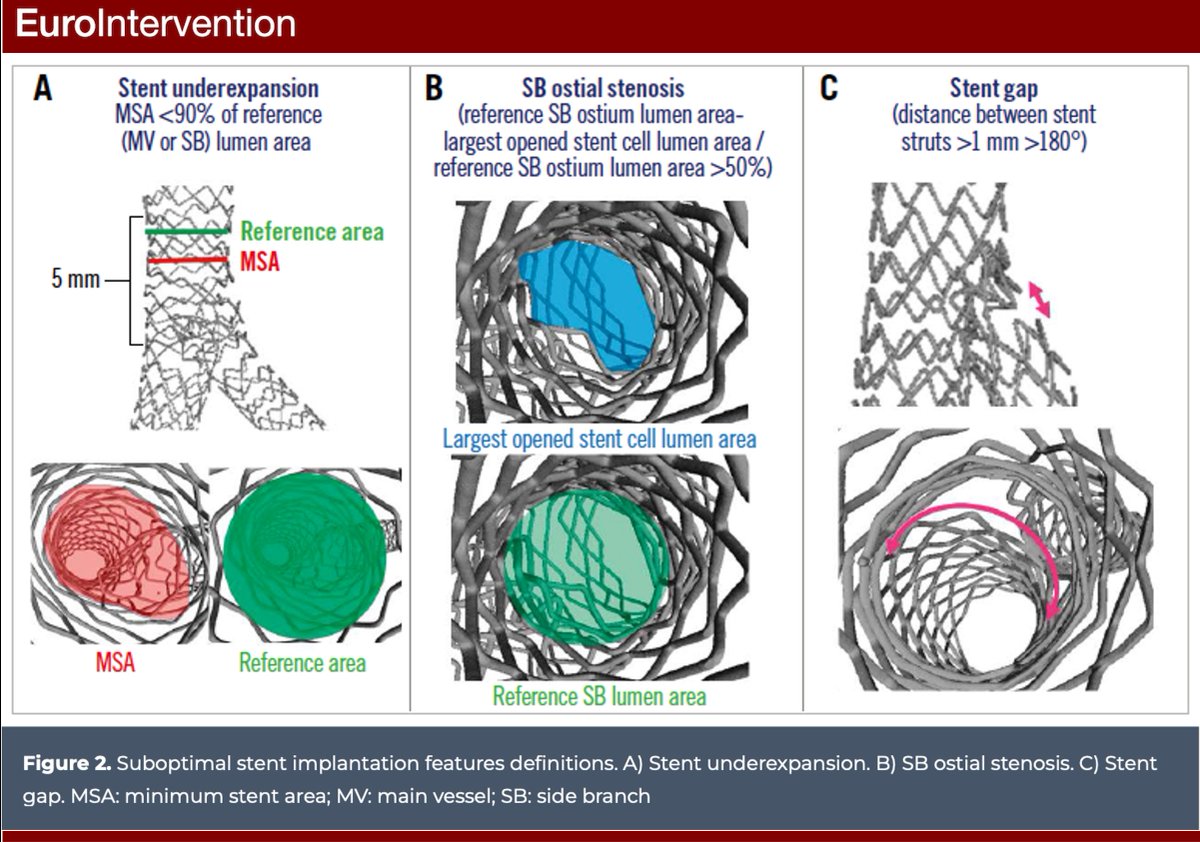
The MOBBEM study evaluated the stent configuration achieved after PCI with 2-stent techniques in explanted beating hearts via micro-CT. Despite a favourable experimental environment, suboptimal stent implantation was observed in as many as 53.7% of cases. https://t.co/zz1CYO8FEi
📌NUEVA CALCULADORA DE RIESGO STS:
De uso móvil ➡diseño simplificado e intuitivo para mejorar la toma de decisiones médico-paciente. Formato más amigable.
Calculadora de 1 sola página que responde al tamaño de la pantalla.
Desarrollada en Base de Datos STS más recientes de 2023.
@angioplastyorg Stable CAD shouldn't be in the cath lab. And if they do and you find MV or LM disease then remove the patient from the cath lab (its stable CAD) and have patient + heart team discussion.
@mricano86 Es usted muy quisquilloso con sus definiciones. Ya dijo como vaguido sin perder la consciencia, desmayo transitorio .sic, osea TVNS / pausita por la edad.
#vFFR post #CTO_PCI@drnvanmieghem@JoostDaemen
🫀 50 recanalised CTOs
🫀 Strong correlation btwn vFFR & FFR
🫀 vFFR potentially attractive post long #CTO
❓still remains does physiology based optimisation translated to improved clinical outcomes
🔗 https://t.co/sxLFaPLBn2
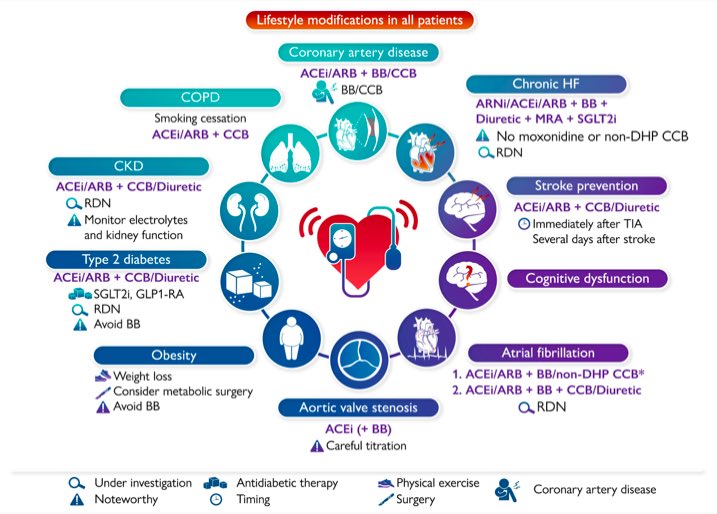
TRATAMIENTO DE HIPERTENSIÓN ARTERIAL EN PACIENTES CON COMORBILIDADES
-Iniciar con terapias combinadas
-Los ACEi o ARB son beneficioso en casi todas las comorbilidades asociadas
Revisión @ESC_Journals
https://t.co/CP9oXphz8d
@Jurista54@CanalOnceTV Muchas gracias por tus comentarios. Los telefonos del consultorio son 551664-7295 y 551664-7296, con gusto en lo que pueda ayudarlo.
New #JACC#StateOfTheArtReview!
What are the most recent recommendations on management of in-stent restenosis?
In this insightful piece, Drs. @g_giustinoMD, Samin Sharma, and colleagues discuss recent updates and practice: https://t.co/Mt0NhQXhbo
#cvCAD#PCI#CardioTwitter
@liuzhaohui15@AlcantaraCardio We did not use Ecmo or IABP. The pt went for 4 cycles of CPR, before we decided to deploy the valve. And sinus rhythm restored 1 cycle after valve was implanted.
75 yo male, high risk TAVR, post predilatation VFib, vfib/CPR valve deployment, post TAVR sinus. Mild paravalvular leak. @AlcantaraCardio. #cardiacarrest#TAVR.