Not all stage I lung adenocarcinomas carry the same risk.
A simple pathology-based score using:
🔹 IASLC Grade 3
🔹 STAS
🔹 VPI
🔹 LVI
identified a high-risk subgroup (score ≥3) with a 5-year DFS of only ~72–79%, compared with ~97–99% in low-risk patients.
Perhaps it’s time to look beyond TNM stage alone when discussing postoperative surveillance and adjuvant strategies in early-stage LUAD.
@OncoAlert@weoncologists@christine_lovly@StephenVLiu@GlopesMd@OncoReporte@MedwatchKate@ManuelDomine
🫁 ICI Rechallenge in ES-SCLC.
In a real-world study of 151 patients progressing after first-line chemoimmunotherapy, ICI rechallenge improved ORR (26% vs 11.8%), PFS2 (3.98 vs 2.43 months), and OS (9.43 vs 6.23 months), with low rates of severe irAEs (2%).
Prospective validation is needed, but these findings support reconsidering immunotherapy in selected patients with relapsed ES-SCLC.
📖 Lung Cancer DOI 👉🏻 https://t.co/7GekgVsWMf
#CánCare #SCLC #lcsm #Immunotherapy #ThoracicOncology
🫁 RET Fusion-Positive LUAD: Fusion partner matters.
In 268 RET+ LUAD cases, KIF5B-RET represented 65% of fusions and was linked to earlier-stage disease. CDKN2A co-mutations were enriched in non-KIF5B tumors.
Selective RET inhibitors achieved ORR 57.9% and mPFS 12.0 months. Non-KIF5B fusions showed longer PFS with pralsetinib vs KIF5B-RET (17.0 vs 5.5 months).
Fusion partners may influence response to RET-targeted therapy.
📖 Lung Cancer
DOI 👉🏻 https://t.co/LxtACIr2dt
#CánCare #lungcancer #nsclc #RET #targetedtherapy #biomarkers #precisiononcology #thoraciconcology
🎯 NRG1 Fusions in NSCLC.
In a real-world cohort of 1,536 non-squamous NSCLC cases evaluated with paired DNA/RNA NGS, NRG1 fusions were detected in 0.8%, higher than historical estimates.
Most cases were invasive mucinous adenocarcinomas, PD-L1 negative and TMB-low. Metastatic patients without access to targeted therapy had a median OS of only 7.9 months.
RNA sequencing matters.
📖 Lung Cancer
DOI 👉🏻 https://t.co/piIEPHg0cb
#CánCare #NSCLC #lcsm #NRG1 #thoraciconcology #precisiononcology
🫁 PD-L1 Negative NSCLC.
In a real-world cohort of 457 patients, nivolumab + ipilimumab + chemotherapy was associated with longer OS than pembrolizumab + chemotherapy in PD-L1 TPS <1% tumors:
• Median OS: 47.4 vs 16.6 months
• HR 0.50 (p=0.007)
No OS difference was observed in PD-L1 TPS ≥1%.
📖 Lung Cancer
DOI 👉🏻 https://t.co/I0ToWgihVK
#CánCare #NSCLC #lcsm #ThoracicOncology #Immunotherapy #PDL1
After 6 months of using NotebookLM, I can say it's the research tool that has revolutionized my workflow the most.
But only because I learned these 10 prompts.
Here's the complete system that turns 200 pages into clear answers in under an hour:
After 6 months of using NotebookLM, I can say it's the research tool that has revolutionized my workflow the most.
But only because I learned these 10 prompts.
Here's the complete system that turns 200 pages into clear answers in under an hour:
Lung cancer staging always felt confusing to me… until I learnt the simple 3-4-5 rule 👇
• ≤3 cm → IA
• 3–4 cm → IB
• 4–5 cm → IIA
IA → No chemo
IB → Gray zone
≥II → Adjuvant chemo
Nodes ↑ stage
Metastasis → Stage IV
#MVOnco#LungCancer
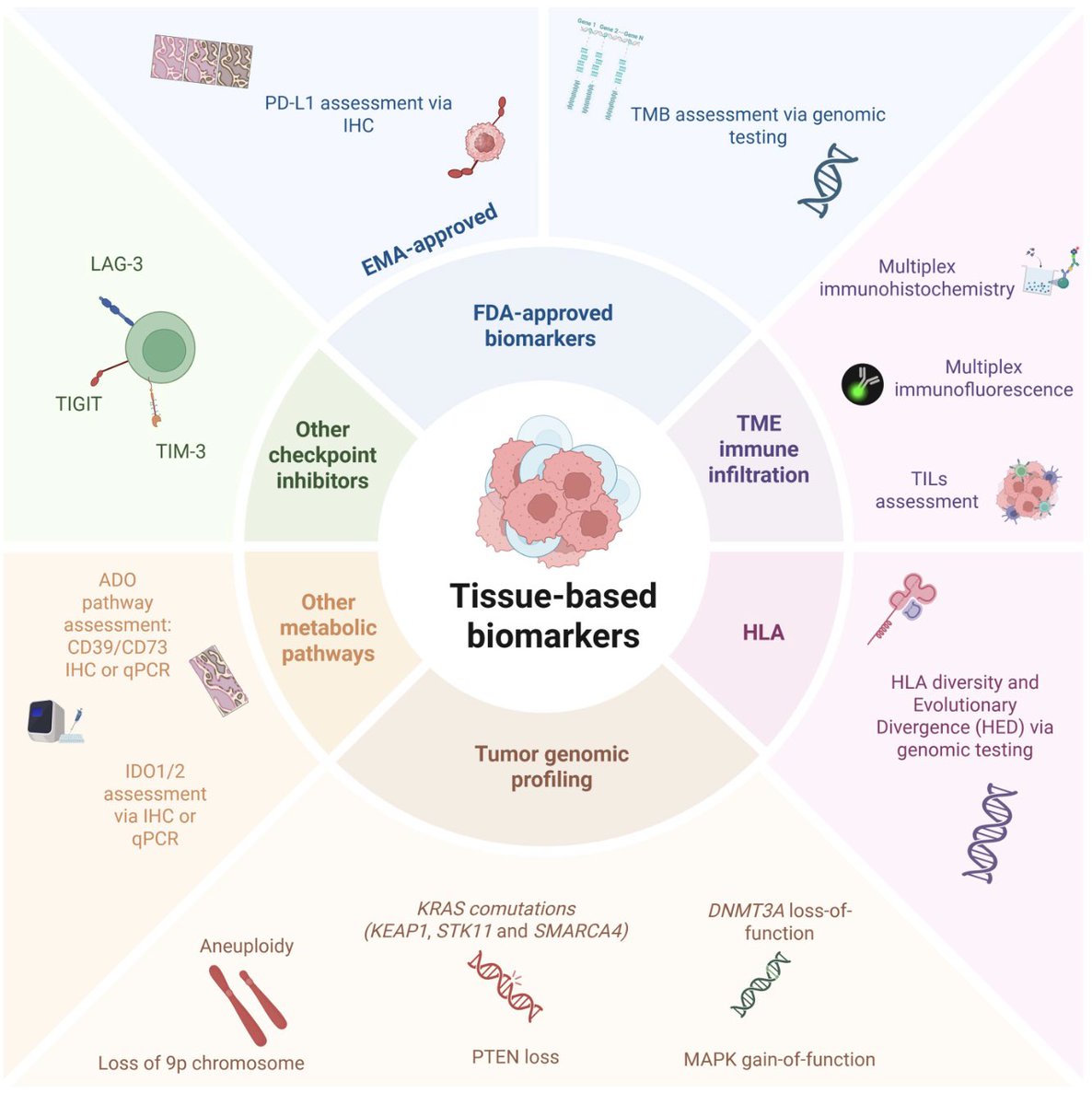
🫁 Emerging Biomarkers for Immunotherapy in NSCLC.
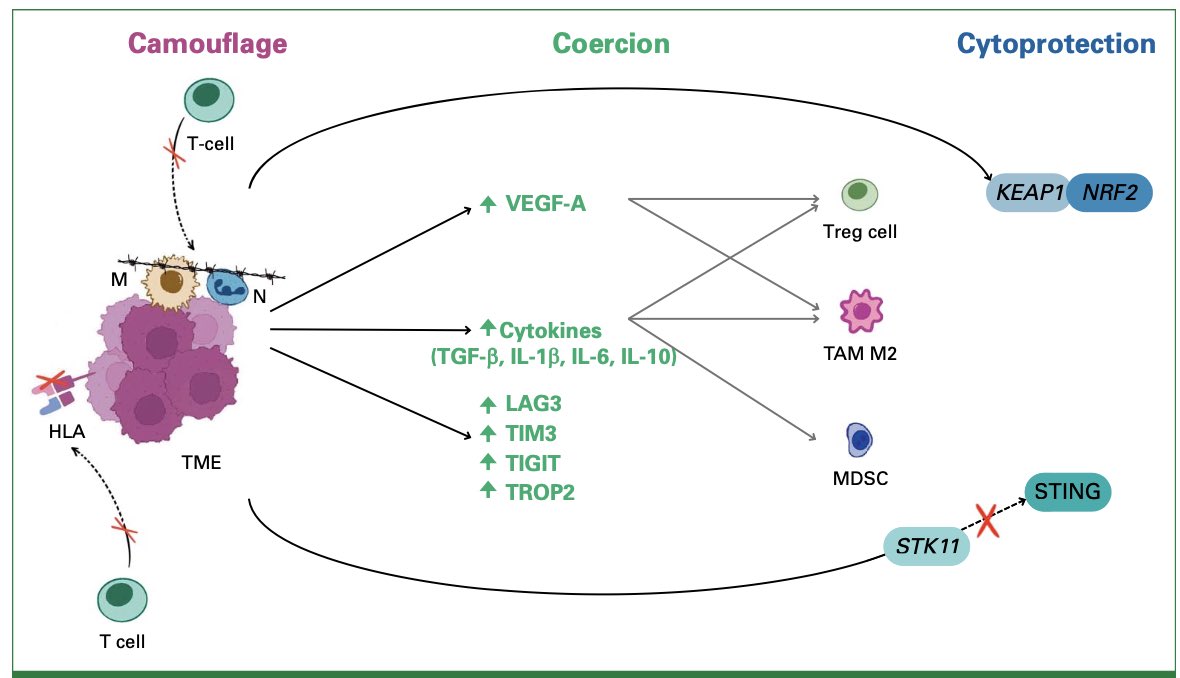
PD-L1 and TMB remain imperfect predictors of response to ICIs in NSCLC. Emerging biomarkers include genomic alterations (KEAP1, STK11, SMARCA4), tumor-infiltrating lymphocytes, metabolic pathways (IDO, adenosine), and blood-based markers such as ctDNA and inflammatory signatures. AI-driven composite models may improve prediction.
📖 ImmunoTargets and Therapy
DOI: https://t.co/3QO97TUaj4
#CánCare #NSCLC #lungcancer #immunotherapy #biomarkers
Eu acidentalmente descobri como comprimir um semestre de aprendizado em 48 horas.
Um estudante de pós-graduação do Massachusetts Institute of Technology me mostrou a configuração dele no NotebookLM. Eu pensei que ele só fosse organizado. Até ver ele passar em um exame de qualificação sobre um assunto que ele nunca tinha estudado antes.
Aqui está exatamente o que ele fez:
Primeiro: ele não enviou apenas um livro.
Ele enviou 6 livros, 15 artigos de pesquisa e todas as transcrições de aulas que conseguiu encontrar sobre o assunto.
Depois ele fez uma pergunta ao NotebookLM:
“Quais são os 5 modelos mentais centrais que todo especialista nesta área compartilha?”
Não “resuma isso”.
Não “explique este tópico”.
Modelos mentais.
As coisas que levam anos para professores desenvolverem.
Mas a próxima parte foi o que realmente explodiu minha mente.
Ele continuou com:
“Agora mostre os 3 pontos em que especialistas desta área discordam fundamentalmente, e qual é o argumento mais forte de cada lado.”
Em 20 minutos ele tinha um mapa de todo o panorama intelectual da área:
os debates
os consensos
as questões em aberto
A maioria dos estudantes passa um semestre inteiro apenas descobrindo que esses debates existem.
Então ele fez algo que eu nunca tinha visto antes.
Ele perguntou:
“Gere 10 perguntas que revelem se alguém realmente entende profundamente este assunto ou se apenas memorizou fatos.”
Ele passou as 6 horas seguintes respondendo essas perguntas usando o material original.
Cada resposta errada gerava outra pergunta:
“Explique por que isso está errado e o que está faltando no meu entendimento.”
Ao final de 48 horas, ele conseguia manter uma conversa com seu orientador de tese sem ser destruído.
A ferramenta não mudou.
As perguntas mudaram.
A maioria das pessoas usa o NotebookLM como um marca-texto sofisticado.
Esses estudantes estão usando como um tutor particular que leu tudo o que já foi escrito sobre o assunto.
A diferença entre um semestre e 48 horas não é a quantidade de conteúdo.
É saber quais perguntas fazer. 🚀
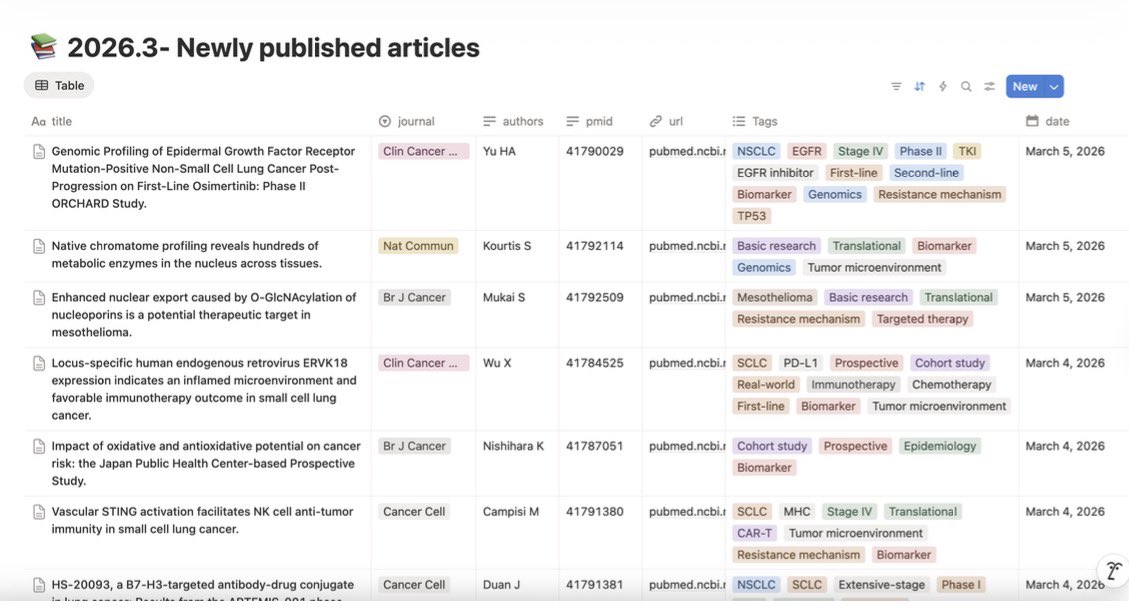
🫁How I stay on top of thoracic oncology literature?
👨💻A "hands-free" workflow built with Google Apps Script, connecting #PubMed, #Claude, #Obsidian and #Notion to fetch new papers daily, summarize them, and auto-tag the key insights!
📚Never miss an important paper again!
TEP agudo não é só diagnóstico.
É estratificação correta + decisão rápida + terapia adequada ao risco.
O que mudou no guideline 2026?
✔️ Probabilidade pré-teste obrigatória (Wells/Geneva)
✔️ Algoritmo YEARS + Dímero-D ajustado por idade
✔️ CTPA como padrão-ouro
✔️ Nova classificação AHA/ACC (A–E) baseada em gravidade
✔️ Biomarcadores + imagem para definir transição de risco
✔️ Preferência por DOACs
✔️ PERT para risco intermediário-alto
✔️ Terapias avançadas no alto risco (choque)
TEP é doença tempo-dependente.
Estratificar bem salva miocárdio direito. E salva vida.
Salve esse post para revisar antes do próximo plantão.
📚 Referência:
Creager MA et al. 2026 Acute Pulmonary Embolism Guideline. J Am Coll Cardiol. 2026.
#tep #tromboembolismopulmonar #emergencia #uti #cardiologia #medicina #med
Not all RET+ NSCLC are the same.
KIF5B-RET and non-KIF5B behave differently.
🎯 Selective RET inhibitors:
Non-KIF5B → better PFS
(17.0 vs 5.5 months)
🧬 CDKN2A co-alterations enriched in non-KIF5B
💉 IO-chemo: similar outcomes, partner-independent
Should fusion partner guide our sequencing strategy?
@OncoAlert@OncBrothers@OncoReporte@MedwatchKate@lungoncdoc
Immunotherapy - Lung Cancer https://t.co/FNllmiomPg
NEW TOOL: Kaplan-Meier digitizer
https://t.co/qZD5RXVK08
Allows cross trial comparisons of survival; Use KM plot images to create reconstructed curves #oncology#biostats#clinicaltrials