Space exploration took center stage at @RedRocksCO.
Earlier this month, @NASA's Artemis II crew shared mission footage, views of the Moon and stories from life in space while celebrating the thousands of people who helped make the mission possible.
Best mates! 🚀
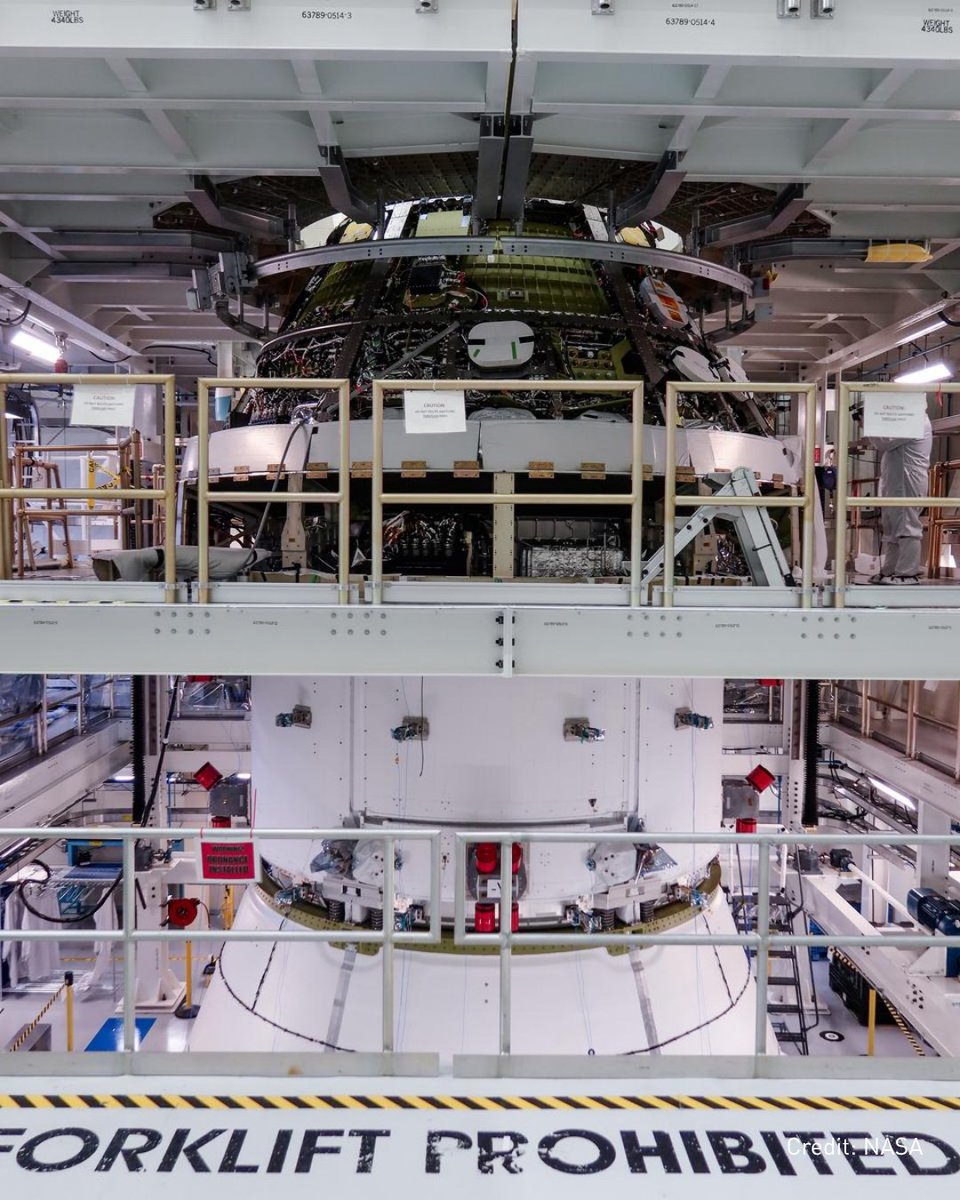
We recently mated @NASA's Orion crew and service modules for Artemis III. Next up: powering on the spacecraft as teams continue preparing for next year's mission.
We are accelerating the delivery of Orion to support an earlier launch opportunity.
Built in Florida. Built for the Moon. Still in the running. 🚀
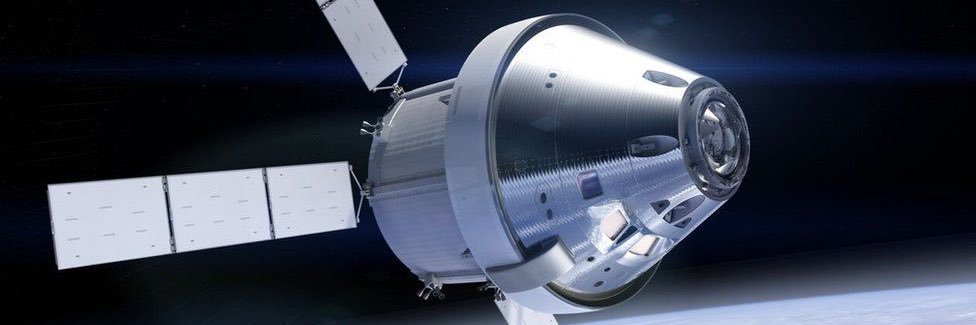
@NASA's Orion spacecraft has advanced to Round 2 of the Coolest Thing Made in Florida competition.
Vote daily and help keep Orion moving forward:
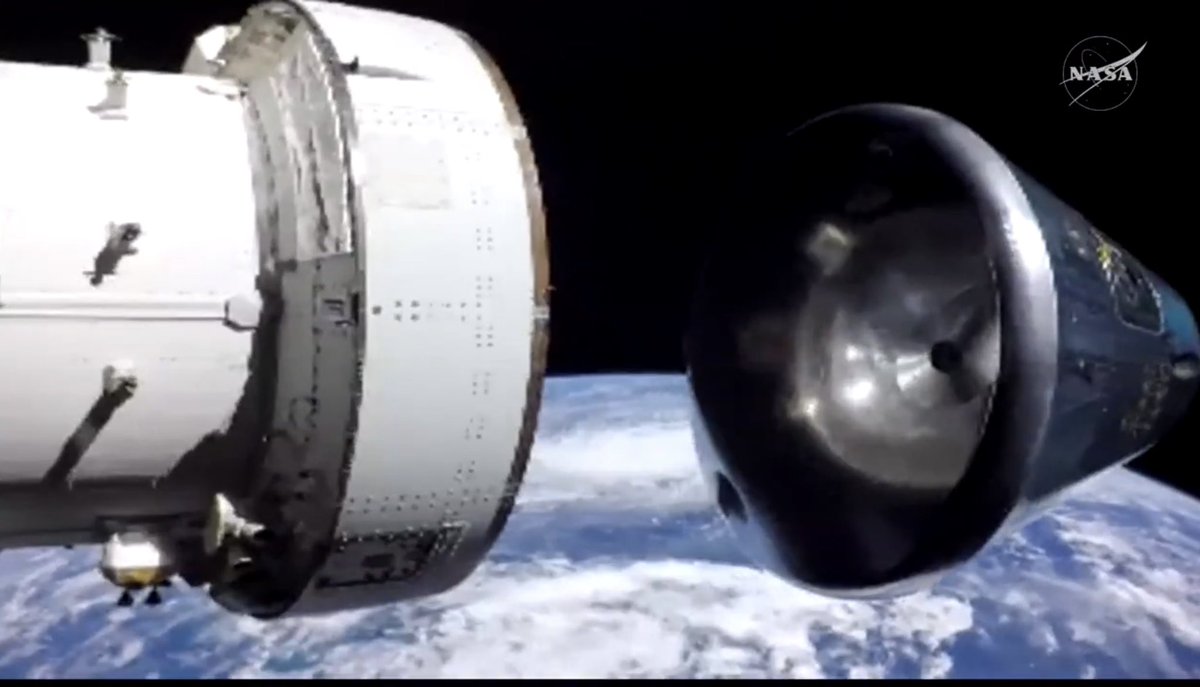
POV: You’re coming home after a journey around the Moon. 🌕
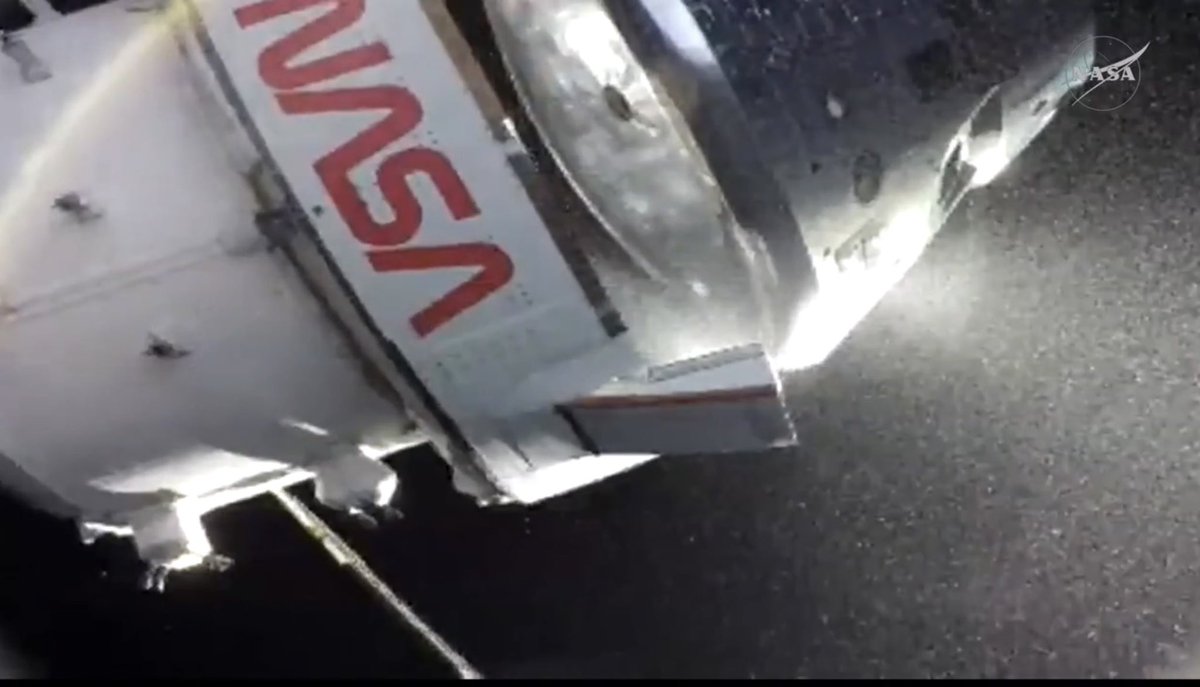
Before reentering Earth’s atmosphere at the end of Artemis II, the Orion spacecraft’s crew module — carrying the astronauts — separated from the service module that provided propulsion and power throughout the mission.
@bucees cannot completely express the level of disappointment yesterday when I stopped in to stock up on my favorite hot sauce but learned that it has been discontinued 😭 Please bring back the Peach Habanero Hot Sauce 🙏🏻
Mission accomplished.
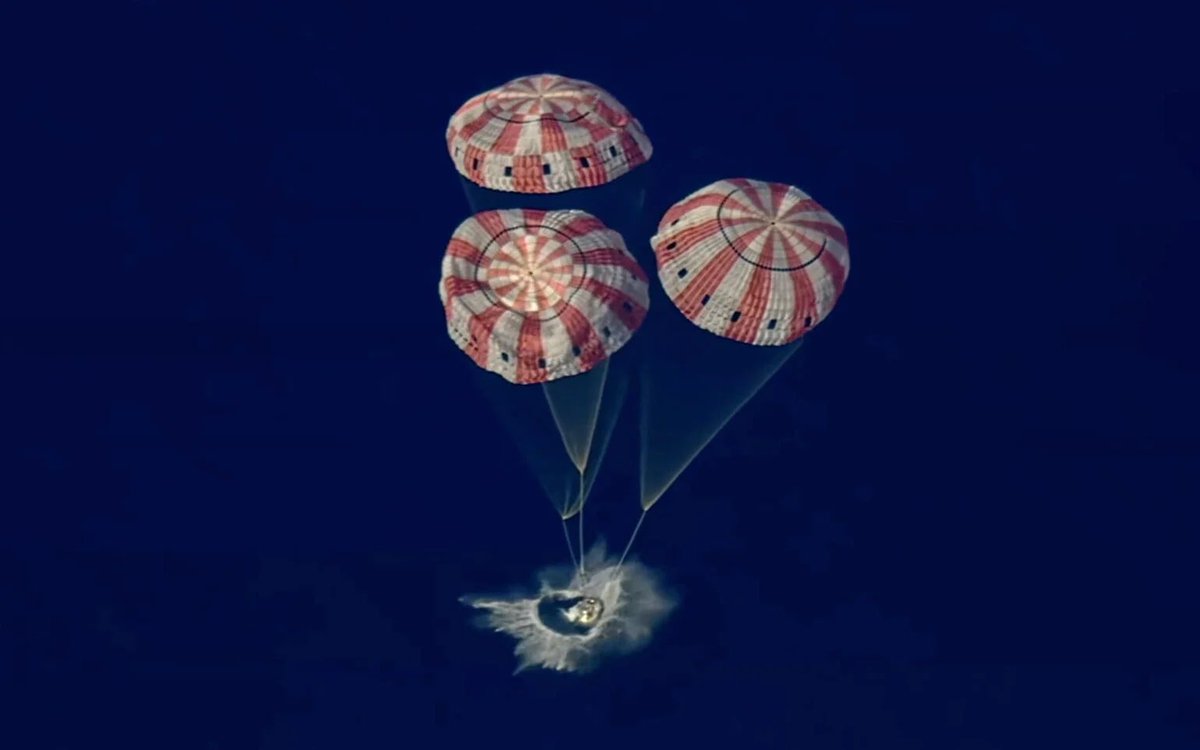
@NASA's Orion spacecraft we built for the Artemis II mission has safely returned to Earth, bringing back four astronauts from their historic 10-day journey to the Moon and back. Humanity's first step toward a permanent presence at the Moon has begun.
Orion’s crew and service module have separated. The crew module continues on its path towards Earth while the service module will harmlessly burn up in Earth’s atmosphere over the Pacific Ocean. The Artemis II return trajectory is designed to ensure any remaining debris does not pose a hazard to land, people, or shipping lanes.
LIVE: They are coming home.
Watch as the Artemis II crew returns to Earth, splashing down at around 8:07pm ET (0007 UTC April 11). https://t.co/n3vZE2rcFv