>be Naval Ravikant
>spawn in New Delhi
>poor immigrant family
>father leaves shortly after they land in Queens, New York
>mother works menial jobs by day, night school after
>age 9, alone in a country you don't understand
>no friends
>no safety net
>no connections
>the library becomes your entire world
>get into Stuyvesant High School
>yes, that Stuyvesant
>the public school that produced four Nobel laureates
>one entrance exam changes the trajectory of your life
>go from blue collar to white collar in a single move
>graduate and land Dartmouth
>double major
>computer science and economics
>pay your way through by washing dishes, delivering newspapers, tutoring, fixing computers
>move to Silicon Valley with nothing but a degree and a bet on yourself
>join @Home Network
>watch a $20 billion company go to zero in the dot-com crash
>work on Intrinsic Graphics
>the thing that eventually becomes Google Earth
>co-found Epinions in 1999
>a consumer review site before Yelp and TripAdvisor existed
>raise $45 million in venture capital
>get screwed by your own co-founder and VCs
>they hide the company's real value during a merger
>the company IPOs at $750 million
>you walk away with $0
>not a typo
>zero
>sue Benchmark Capital and August Capital
>everyone in Silicon Valley calls you radioactive
>one VC tells the press you'll never work in the valley again
>settle the case
>learn the game from the inside out
>instead of quitting, you decide to rewrite the rules
>start Venture Hacks in 2007
>a blog that tears the veil off VC term sheets
>give founders the playbook that VCs never wanted them to have
>launch a $20 million fund called Hit Forge
>back Twitter before anyone cares
>back Uber before anyone believes
>back Stack Overflow, Notion, Postmates, Opendoor, Yammer
>turn Venture Hacks into AngelList in 2010
>50 angel investors
>$80 million committed in year one
>100 new startups signing up per day
>build the https://t.co/WLqfUQ0o7R for founders and investors
>do what LinkedIn tried and failed to do
>actually get people to transact
>realize US securities law is blocking everything
>fly to Washington DC
>spend six months lobbying Congress
>rally 5,000 investors and entrepreneurs for an online petition
>call in 100 favors
>get the JOBS Act signed into law by Barack Obama in 2012
>single-handedly open startup investing to ordinary Americans
>the entire equity crowdfunding industry exists because of this
>AngelList hits $4 billion valuation
>over $3.5 billion invested through the platform
>200+ unicorns funded
>spin off Product Hunt, Republic, CoinList
>companies like Neuralink and Rippling get backed through your Spearhead fund
>co-found MetaStable Capital in 2014
>a crypto hedge fund backed by Andreessen Horowitz and Sequoia
>bet on Bitcoin and Ethereum before it's fashionable
>earn a penny on every Uber ride taken on the planet
>invest in 200+ companies across your career
>drop a 40-tweet storm on May 31, 2018
>"How to Get Rich (without getting lucky)"
>it goes more viral than most product launches
>turns into a podcast series, then a global movement
>Eric Jorgenson compiles your tweets and interviews into The Almanack of Naval Ravikant
>it becomes a perennial bestseller
>you didn't even write the book
>your ideas were so good someone else did it for you
>go on Joe Rogan, Tim Ferriss, Shane Parrish, Chris Williamson
>every episode becomes a top-10 all-time listen
>millions of people re-read your tweets like scripture
>you become the most quoted man on the internet who isn't dead
>launch Airchat in 2023
>voice-first social media with AI transcription
>because you think text-only platforms made us forget humans can get along
>here is what Naval actually taught the world
>you're not going to get rich renting out your time
>own equity or stay a renter forever
>specific knowledge is the stuff that feels like play to you but looks like work to others
>leverage is a force multiplier for your judgment
>code and media are permissionless leverage
>you don't need anyone's approval
>10,000 iterations is not 10,000 repetitions
>one is mastery, the other is a treadmill
>if you can't decide, the answer is no
>when two choices look equal, pick the harder one short term
>stress is an inability to decide what's important
>desire is a contract you make with yourself to be unhappy until you get what you want
>inspiration is perishable
>act on it immediately
>the three big decisions: what you do, where you live, who you're with
>people spend years optimizing careers but pick partners and cities on autopilot
>not optimizing for wealth
>optimizing for sovereignty
>win the game fast enough that you get to stop playing
‼️Every coach and leader should listen to this.
📢The success Indiana has achieved has not been an accident.
💪This is a 45 second synopsis of how you become elite.
26 weapons grade parenting tips:
1/ Give them a "heads up," 5 minutes until bedtime, 10 minutes before leaving the playground
2/ Look at the world more through their eyes
3/ Don’t discipline like an angry madman. Stay calm and firm, model how you want THEM to resolve conflict
4/ Let them argue their case respectfully. Teaches negotiation and critical thinking
5/ Skip the long lectures
6/ Use natural consequences: forgot homework? Let them explain it to the teacher. Forgot their lunch? They'll figure it out
7/ Be consistent and follow through. "We are leaving the playground if you don't stop..."
8/ Make "How can I help?" part of YOUR vocabulary. It builds reliability
9/ Share your unseen efforts: hustling for work, hitting the gym. Actions speak louder than words but when they can’t see it, TELL THEM
10/ Teach accountability by modeling it yourself: “I was wrong. sorry”
11/ Create family traditions like weekly movie nights, Sunday pancakes, whatever works
12/ More game nights
13/ Take an interest in their interests: video games, books, sports... do it with them.
14/ Hike together. Nature slows time and generates gratitude
15/ Build something. LEGO, puzzles, a fort, the Amazon delivery box
16/ Teach them skills: tie knots, start a fire, read a map
17/ Introduce chess or checkers. Start early
18/ Let them plan a family outing or navigate you there (they can get you through the airport)
19/ Always greet your wife with love. That moment sets the tone for the family
20/ Share some challenges (age appropriate)
21/ Respect their privacy. Knock before entering their room
22/ Teach the value of money early: "wants vs. needs," compounding, saving, etc
23/ Let them see you sweat
24/ Teach them to cook. Start small: eggs, pancakes, cookies. Embrace the mess
25/ No screens at meals ever
26/ Prioritize movement as a UNIT: family walks, workouts, hikes, dance-offs- whatever gets the everyone in synch
My dad turns 70 today.
No single person has had a greater impact on how I move through the world.
But he rarely sat me down to teach lessons or offer lectures. He just lived in a way that showed me what mattered most.
Here are 7 lessons he taught me—by living them:
1. Always have high expectations (and high support).
The two pillars of strong relationships: High Expectations and High Support.
High Expectations: The belief that the other person is capable of excellence, that their potential is only limited by their own views.
High Support: The ability and willingness to provide the love, support, and engagement to help the person meet those high expectations.
The magic is found at the collision of the two. That’s what my father gave to me. And what I’ll always strive to give others.
2. Never give up your agency.
When I was 12, I got cut from the first all-star baseball team I tried out for. I was devastated.
My dad walked into my room and said:
"I know you're upset. I understand. But here are the three things the coaches said you needed to work on. Let's go out every day this summer and work on them together."
My dad subtly reframed that failure as an opportunity. Then he showed up to help me capitalize on it.
It was a reminder that I was capable of taking an action to create a desired outcome. That I was in control. That I was at the wheel.
I'll never forget that.
3. Choose your path, not theirs.
There’s a beautiful quote often attributed to Joseph Campbell:
“If the path before you is clear, you’re probably on someone else’s.”
It’s painful to step off the clear path, but the greatest rewards in life always accrue to those who have the courage to do just that.
4. Hard work is never overrated.
A lot of people say this, but my dad is one of the hardest workers I’ve ever seen. Throughout my life, I saw him work hard on things he cared about, to create outcomes he cared about (for his work, but also for his life).
I’ll always show up and work like a madman for the people and things I care about—because it’s the surest way to get the things you want out of life.
5. Just keep showing up.
A few days into my freshman year at Stanford, I called my dad and told him I was feeling pretty discouraged. I felt way out of my depth on the baseball field and in the classroom.
His guidance was simple:
“Just keep showing up.”
You can get pretty damn far in life by just being someone that people can count on to show up and do the work. Never bet against the person who just keeps showing up.
6. You are how you treat people when nobody’s watching.
He treated every single person with the same level of kindness, warmth, and respect.
He lived by a simple rule:
Character is who you are when nobody’s watching.
7. Choose the path with the larger luck surface area.
You can take deliberate actions to expand the surface area on which lucky events can strike in your life. It's hard to get lucky watching TV at home. It's much easier to get lucky when you're creating motion in the world.
***
At the end of one of my book tour events, my father was asked by the moderator how he feels seeing his son on stage:
“I’m proud that he is becoming the man he wants to be.”
Not the man I want him to be—but the man that he wants to be.
Well, it comes full circle, because he is the man I want to be. He was, and always will be, my hero.
To my Dad on his 70th birthday. Thank you. For everything. I love you!
Your entire life will change when you realize that the people you choose to surround yourself with will determine your outcomes. Some people push you to dream bigger. Some people tell you to be realistic. Your time and energy are finite, so choose wisely.
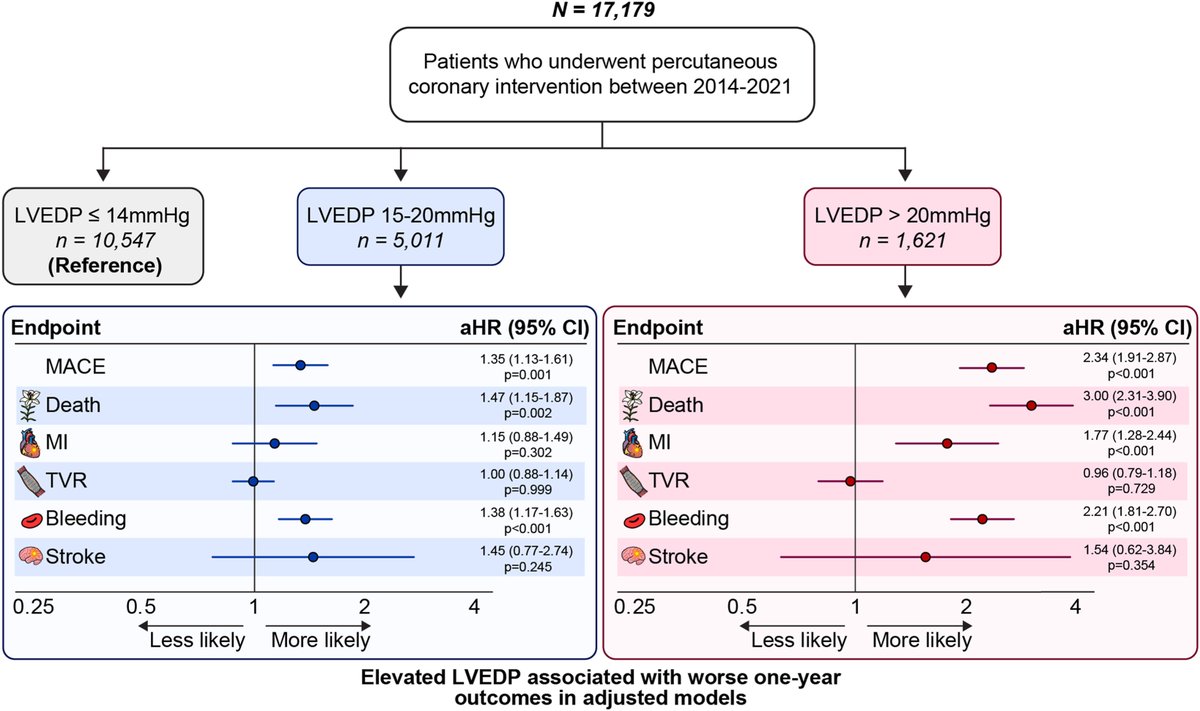
The definition of a high-risk plaque should be expanded beyond the traditional focus on plaque rupture and thin-cap fibroatheroma in the setting of #cvACS.
🔎 🆕 #JACCIMG Position Statement: https://t.co/Y0puoUMzVD
@JACCJournals
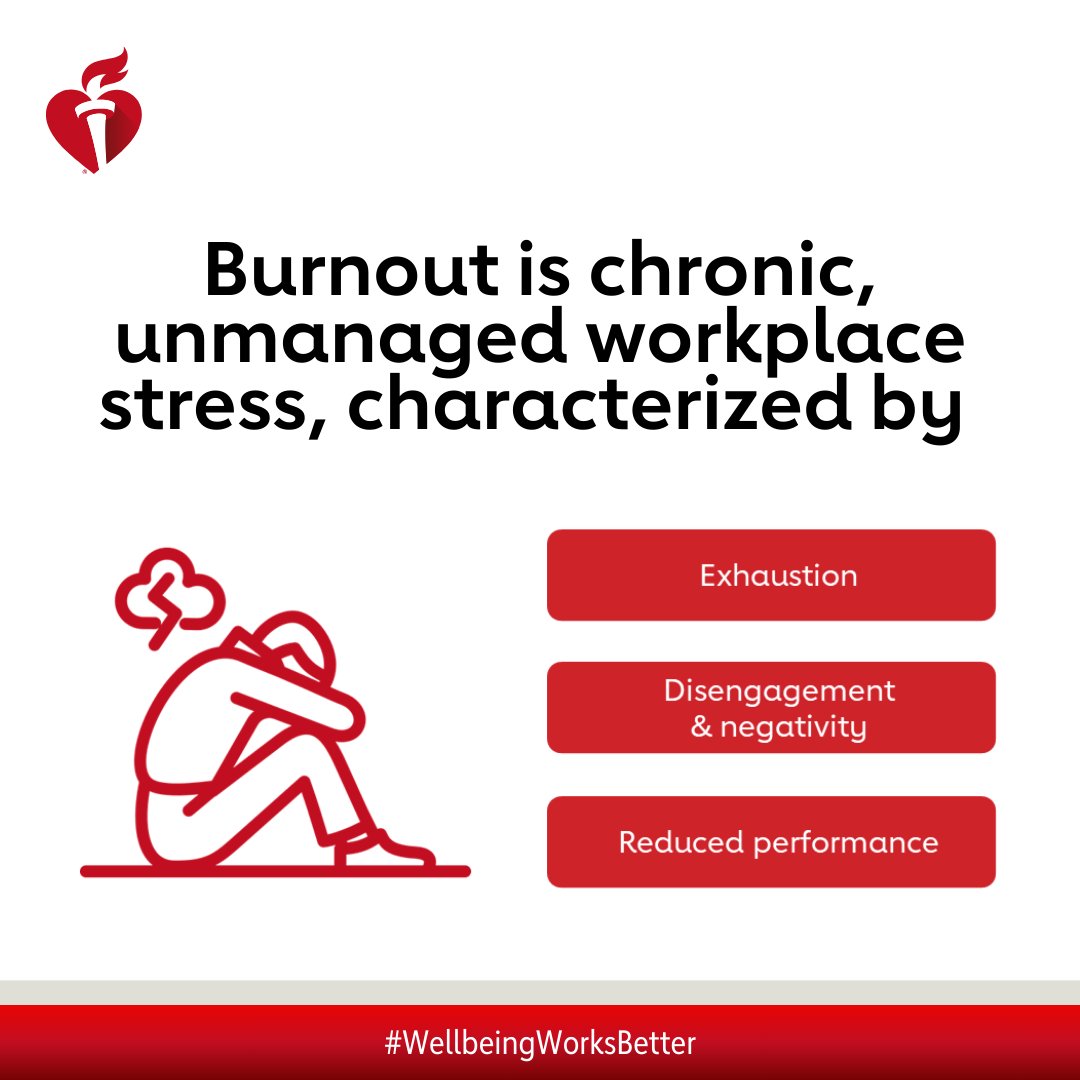
It’s normal to have some work stress from deadlines, tough meetings, or not enough sleep. But burnout is much more than everyday stress. It’s chronic, unmanaged workplace stress characterized by exhaustion, disengagement, negativity, and reduced performance. #WellbeingWorksBetter
Cardiac Rehab can:
💔 Lower chances of a 2nd heart attack or surgery
🩺 Lessen chest pain
💪 Control risk factors
🏃♀️ Help with weight loss
Share #CardioSmart resources w/ your patients to help them manage their ❤️ health!
#cvRehab#HeartMonth#CardiacRehabilitationWeek
The purpose of negative emotions is not to cause misery. It’s to prevent mistakes.
Outrage is a signal to speak. Disappointment is a cue to persist. Anxiety is a prompt to prepare. Guilt is a reminder to repair.
Pain reveals principles. Where we hurt is a clue to what we value.
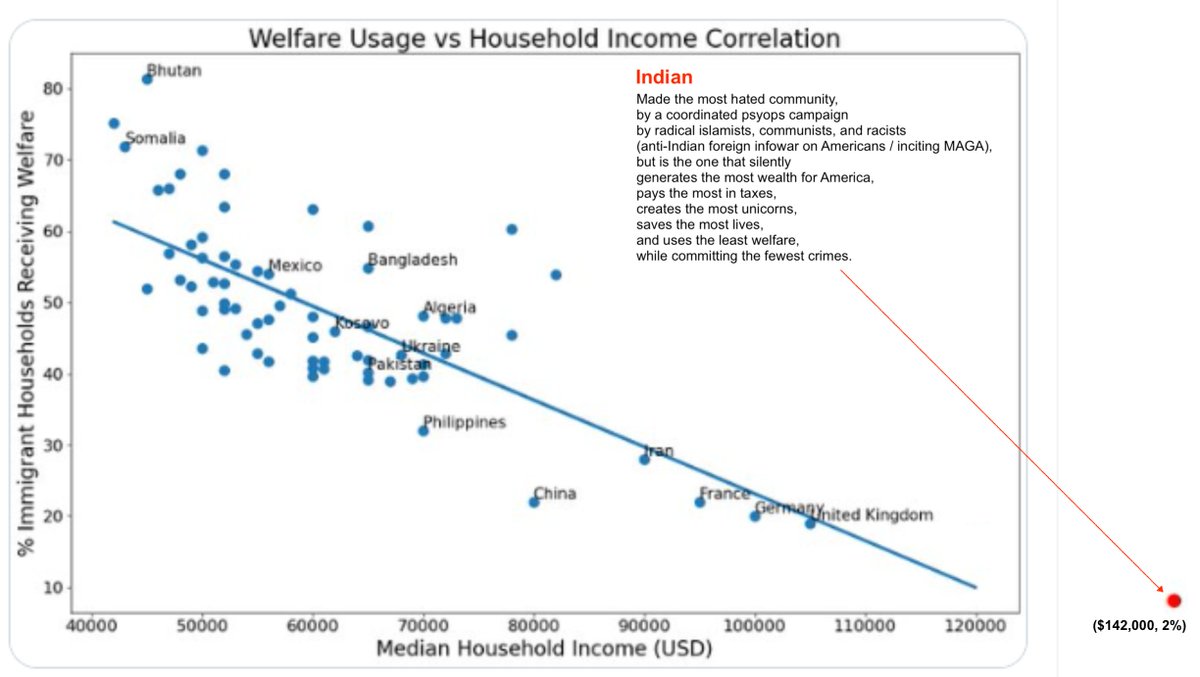
Why did @VivekGRamaswamy start such an immigrations fire storm?
Brutal truth: We've gotten too comfortable making life easy for our kids.
Working in healthcare, I saw it firsthand. My immigrant colleagues' kids crushed it in STEM and medicine while many American parents sheltered their kids from struggle.
Hard work isn't child abuse. It's preparation for life.
My own wake-up call came watching 16-year-old interns from an immigrant families outworking our entire team.
They had been taught excellence was non-negotiable.
We can't expect our kids to develop grit while we bubble wrap their existence.
Want exceptional kids? Start by being exceptional yourself.
Tough love time: Are we raising the next generation of innovators and leaders, or are we raising professional excuse makers?
What's your take - have we gone too soft on ourselves and our kids?
If you set aside the racism, at the core of this H-1B brouhaha is a very real age old debate of meritocracy vs protectionism.
Some Americans feel like their country is giving away great jobs to people from other countries (and India IS a majority here) which can also dilute its culture. People in tech argue that we need to attract the best and brightest talent no matter where they're from to be able to build the coolest things.
Competing in a global marketplace of talent is difficult, and a lot of Americans haven't been dealt a good hand. DEI initiatives in college hurt the white middle class. Good education is expensive. And to Vivek's point, as much as I love American culture, it's just not as conducive to creating software engineers as a far more resource-constrained education-heavy culture like in India. In India, people often grow up grinding their entire life studying away to get a shot at an engineering job. In history, this is often the case. Developed countries become complacent and developing ones have hunger.
When Americans compete with people who have worked harder for longer (and speak English) in a global marketplace, the odds are stacked against you. Indian families will go to extremes: pool all their wealth and take a loan to bet on a world-class education. Would Americans do that? In the past, this hasn't been an issue since the tech pie was getting bigger and there were jobs for all. Now, amidst layoffs, there may not be. Separately, any flagrant abuse of the H-1B by non innovative low wage IT consulting firms should be stopped.
Ultimately, you have an ideological battle to pick - do you want meritocracy or protectionism? One has helped America historically become a world leader in innovation and technology whereas the other usually leads to Europe. To be protectionist and win, you might need to be prepared to do the 996 grind like China. You need to invest domestically in STEM education from an early age (it blows my mind that you can finish high school in the US and have calculus be optional).
It's an important political debate to have, and I wish it wasn't clouded by midwits and racists who cite anecdotes and use ad-hominem instead of facts and reason.