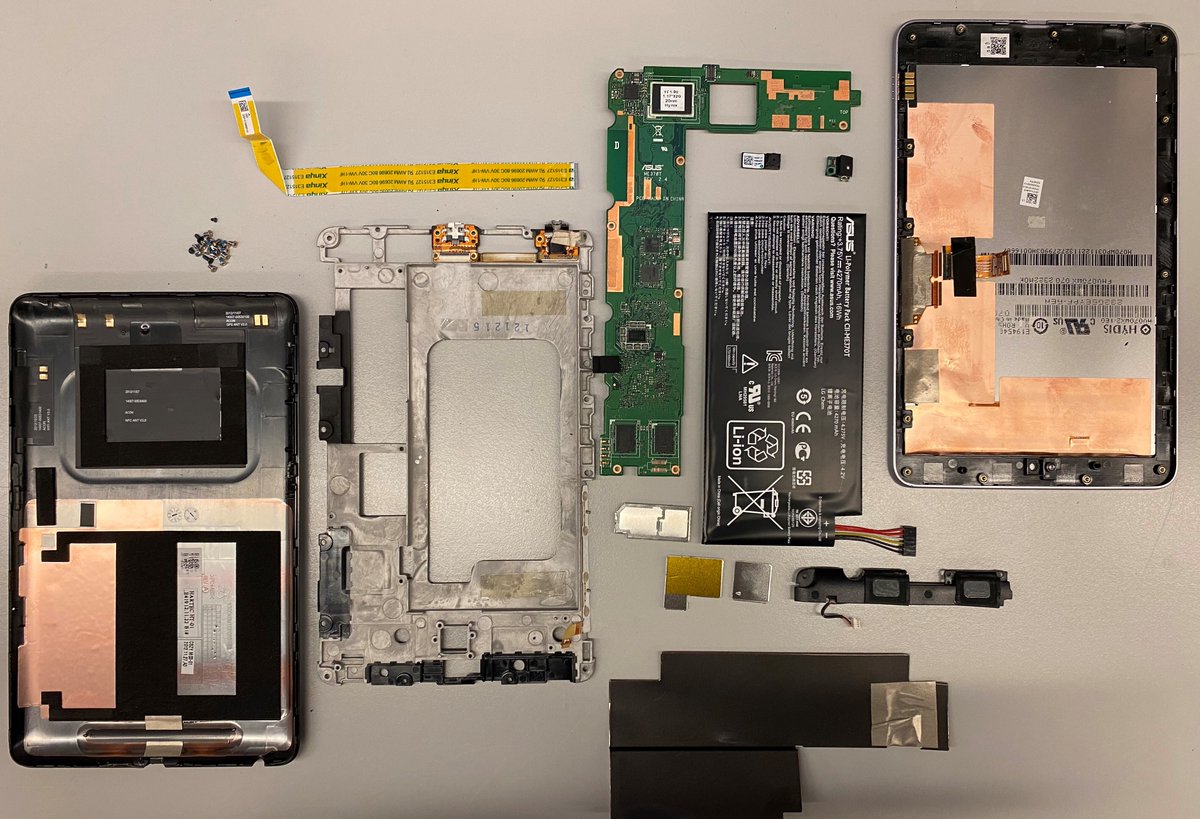
💻 If you’re serious about computation in economics, you eventually need to get serious about hardware. And that includes FPGAs 🔌.
⚙️ Field-programmable gate arrays (FPGAs) allow users to configure programmable logic blocks to execute specific algorithms, avoiding the “one-size-fits-all” limits of standard CPUs.
In economics, we deal with very heavy computation:
• Hundreds of millions of observations
• Large-scale ML model training
• Dynamic programming with dozens of state variables
(among many others).
Even with state-of-the-art algorithms and high-performance programming languages like C++, runtimes can stretch into weeks.
Economists have therefore turned to more advanced hardware, including large-scale parallelization and GPU acceleration. I’ve published on both.
But FPGAs? Still underused—despite being far more accessible today, thanks to cheaper hardware and new high-level synthesis (HLS) compilers.
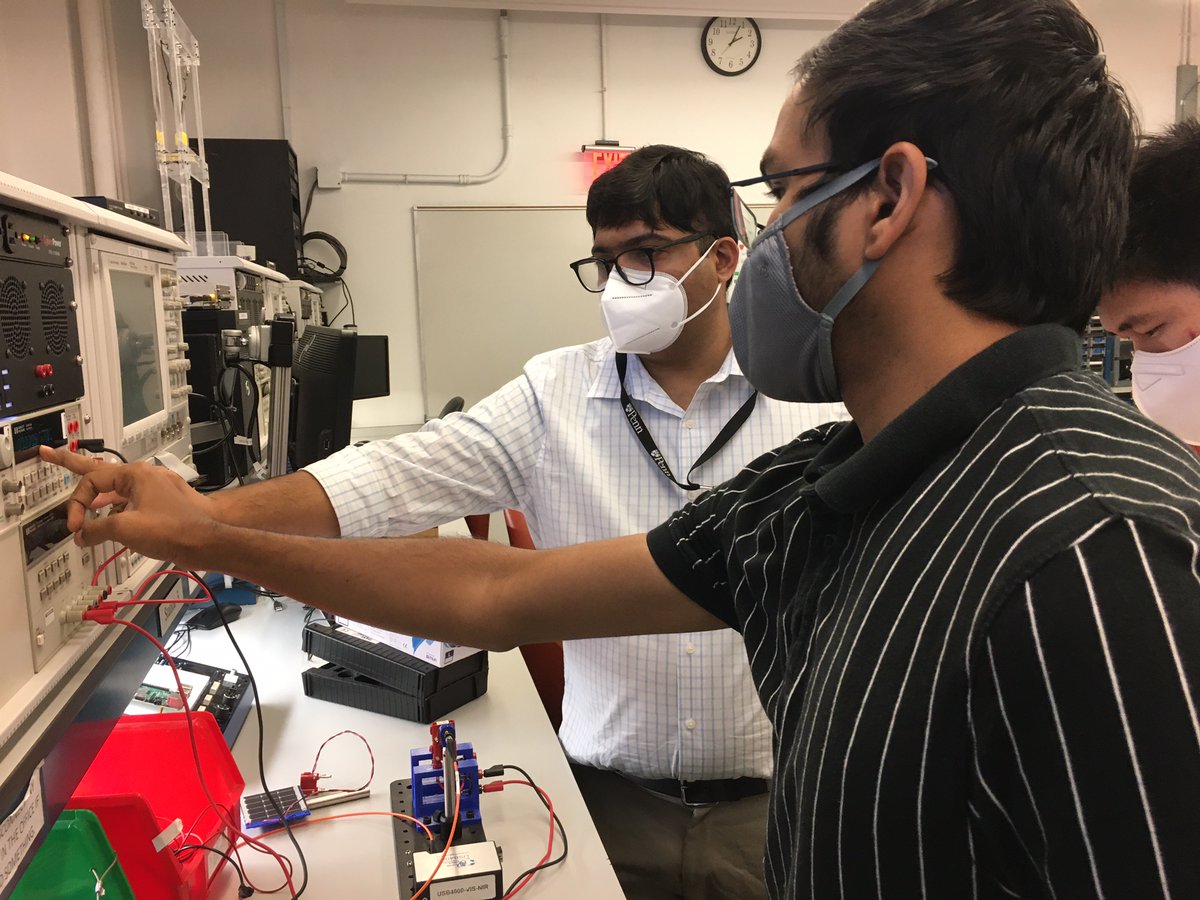
🔬 Together with @ChBhagath, André DeHon, and @AlePeri83, we explored how FPGAs can accelerate macroeconomic models.
We programmed an FPGA to solve heterogeneous agent models with incomplete markets and aggregate uncertainty—a standard but intensely demanding macro problem.
🚀 Result: a single FPGA performs on par with 69 CPU cores on a conventional cluster.
Why? Because FPGAs unlock:
• Instruction pipelining
• Data-level parallelism
• Precision tuning
These gains are not theoretical. You can now access FPGAs easily via Amazon Web Services. The implications for economics are significant.
Check this link:
https://t.co/798LDDsKgJ
for:
📄 Paper.
📂 Replication code.
📘 Tutorial PDF.
FPGAs are no longer exotic. They are useful, affordable, and within reach. Economists should take note.
The Gadchiroli blockchain-based caste certificate implementation by @0xLegitDoc (built on @0xPolygon) was one of the highlights at DAVOS. Amazing to see Indian blockchain implementations getting recognition on a global stage!
@ShubhamGupta_11
(13/14) We believe, the future is tech stacks built on web3 and, India has the best chance to bootstrap it for the world!
Given these arguments, our on-chain caste cert project is a humble attempt to nudge India towards web3 based national stacks.
For the first time in 🇮🇳 65000 caste certificates have been issued on @0xPolygon network by the Maharashrta government.
A big thank you to @MartisNeil founder @LegitDocIndia for convincing and executing the project.
Thank you to our Young dynamic IAS officer @ShubhamGupta_11
BEL got into ventilator prodn in May 2020 when country had to prepare for #COVID19India. Today BEL produced 30000th ventilators. New prodn line, indigenised components & time bound production. Gr8 example of #AtmaNirbharBharat
Well done!
@cmdbel@DefProdnIndia@SpokespersonMoD
here's a cross section of the MAX233 RS-232 driver and receiver. this part doesn't need external capacitors--because there are four of them built right in!