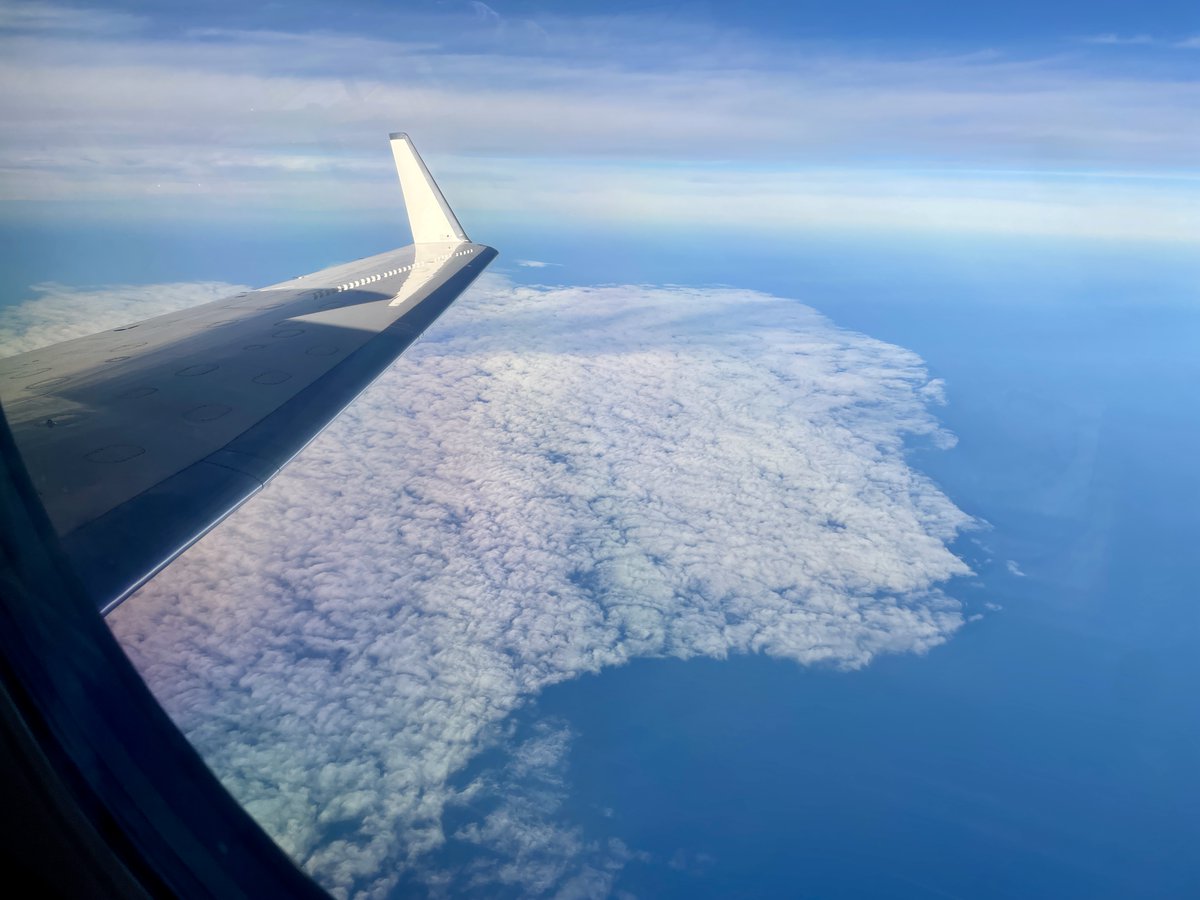
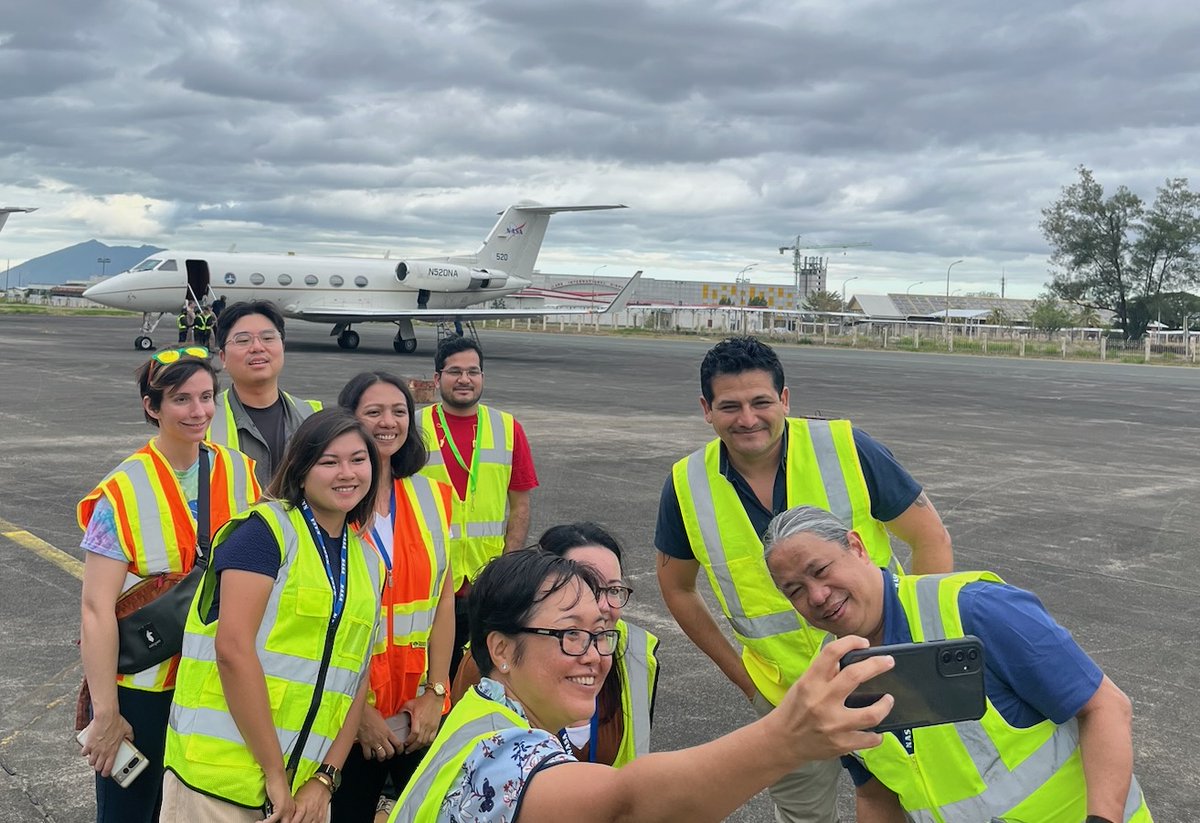
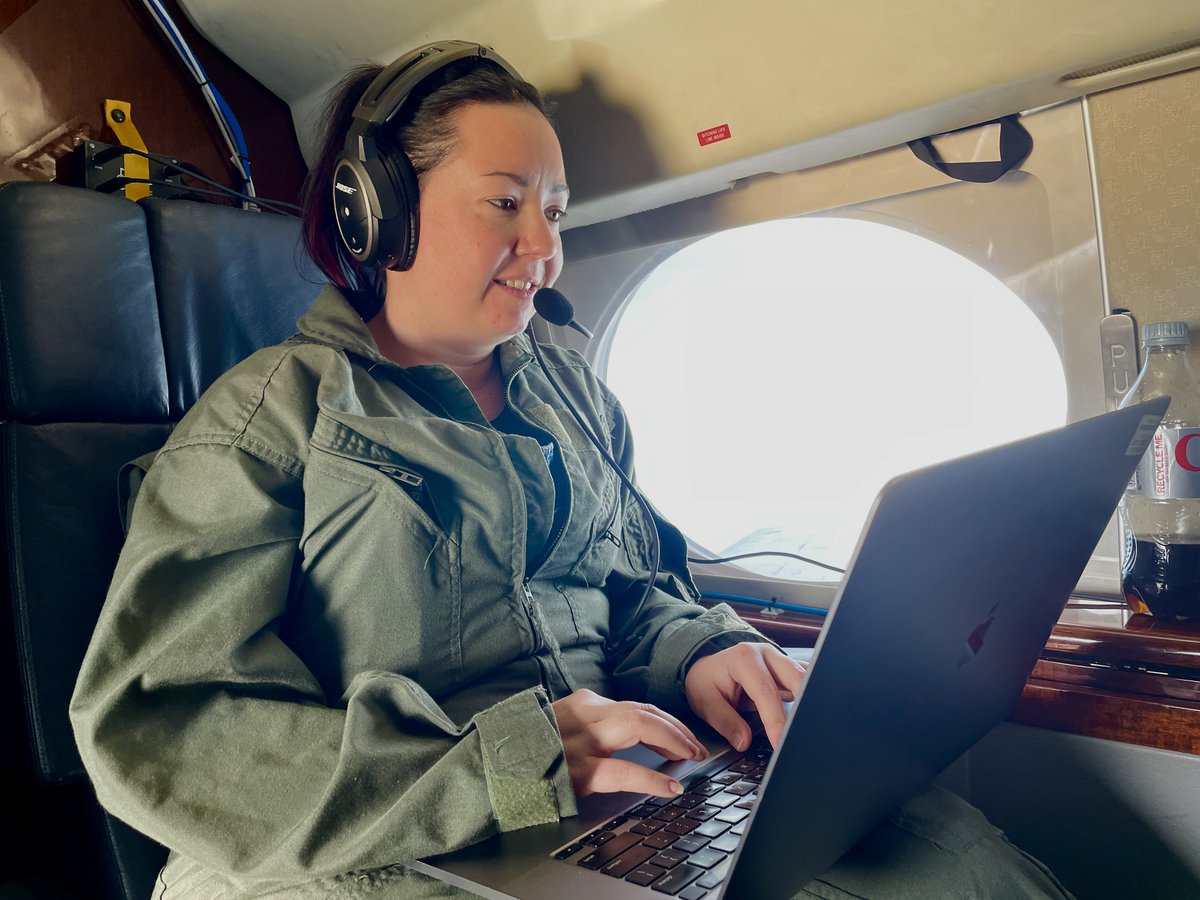
Our NASA Langley aircraft are an essential part of NASA’s airborne science missions. Our Gulfstream III (G-III) research aircraft is one of the planes we use to broaden our understanding of Earth and our atmosphere. 🌎
Learn more about our science missions: https://t.co/N9id6ZZZmO
📸: NASA/Ryan Hill
Ever wonder what’s in the air we breathe?
New data is now available from NASA’s TEMPO satellite through Langley’s Atmospheric Science Data Center! 🌎📊
Learn more: https://t.co/V0CjbdGoTS
A one-of-a-kind NASA instrument, called Arcstone, successfully launched to improve the quality of data from Earth-viewing sensors in orbit.
The mission will measure sunlight reflected from the Moon— also called lunar spectral reflectance: https://t.co/SZqOxoXdye
In the wake of the tornadoes that struck the Southeastern U.S. March 14-16, NASA Langley researchers supported by the NASA Disasters Program, mapped potential severe weather by observing patterns in the storm-tops using @NOAA GOES satellite data. https://t.co/b6cdyKoanU
NASA Langley is part of the @NASA Disasters Response Coordination System that's partnering closely with agencies working to give emergency support for Hurricane Milton.
Get the latest info on #Milton and evacuation orders, open shelters, and more resources here: https://t.co/1E6j0qanEt
Hey teachers, don't forget to add My NASA Data to your list of school supplies this year 🍎🏫
With the new Earth data visualizer, My NASA Data brings NASA Earth science right to your classroom. Learn more about how you and your class can use NASA data to keep this school year down to earth: https://t.co/5ha5pIKnBm
Ice, ice, baby!
@NASA’s ARCSIX mission is headed out on part two of its field campaign to better understand the relationship between clouds and Arctic sea ice and our planet's rapidly changing climate.
It may seem far away, but what happens in the Arctic doesn’t stay in the Arctic!
Learn more: https://t.co/s1oDPRT1HN
The Langley science team recently returned from a two-week mission in Greenland where they spent their time studying Arctic sea ice and what factors contribute to its melting.
Curious about the ARCSIX mission? Learn more: https://t.co/XwFFhBEc1o
☁️🛰 1,000,000 and counting!
NASA's GLOBE Program has been helping citizen scientists match their data to geostationary satellite imagery since 2017.
Last week the GLOBE Clouds team reached their 1 millionth geostationary satellite comparison to GLOBE citizen science data!
Help the team get to 2,000,000 by downloading the GLOBE Observer app and observing the clouds near you! https://t.co/9ZeOrDWXEF
Thanks to a @NASA instrument, we now have a near real-time look at air pollution over our own neighborhoods.
NASA’s TEMPO instrument, which gathers hourly daytime scans of North America’s atmosphere from coast to coast, will help us better understand what’s in the air we breathe. Data gathered from TEMPO is also publicly available, so people can use this data to make informed decisions for their communities.
Learn more: https://t.co/WnnK5Vu0hO
A view like no other 🌑☀️
During yesterday’s #eclipse, a team of Langley researchers traveled to Fort Drum, N.Y., to study changes in the weather during the total solar eclipse using a specially modified drone flying at 10,000 feet.
The researchers captured on video the incredible moment the eclipse’s shadow swept over the drone mid-flight.
The atmosphere is a global resource, so it’s important we understand what’s in the air we breathe 🌎
NASA Langley scientists are part of an international mission between NASA and its partners studying air quality in Asia. This collaboration will help us validate satellite measurements and improve air quality forecasts.
Learn more: https://t.co/fEBPrVSEjD
@NASAArmstrong | @NASAEarth
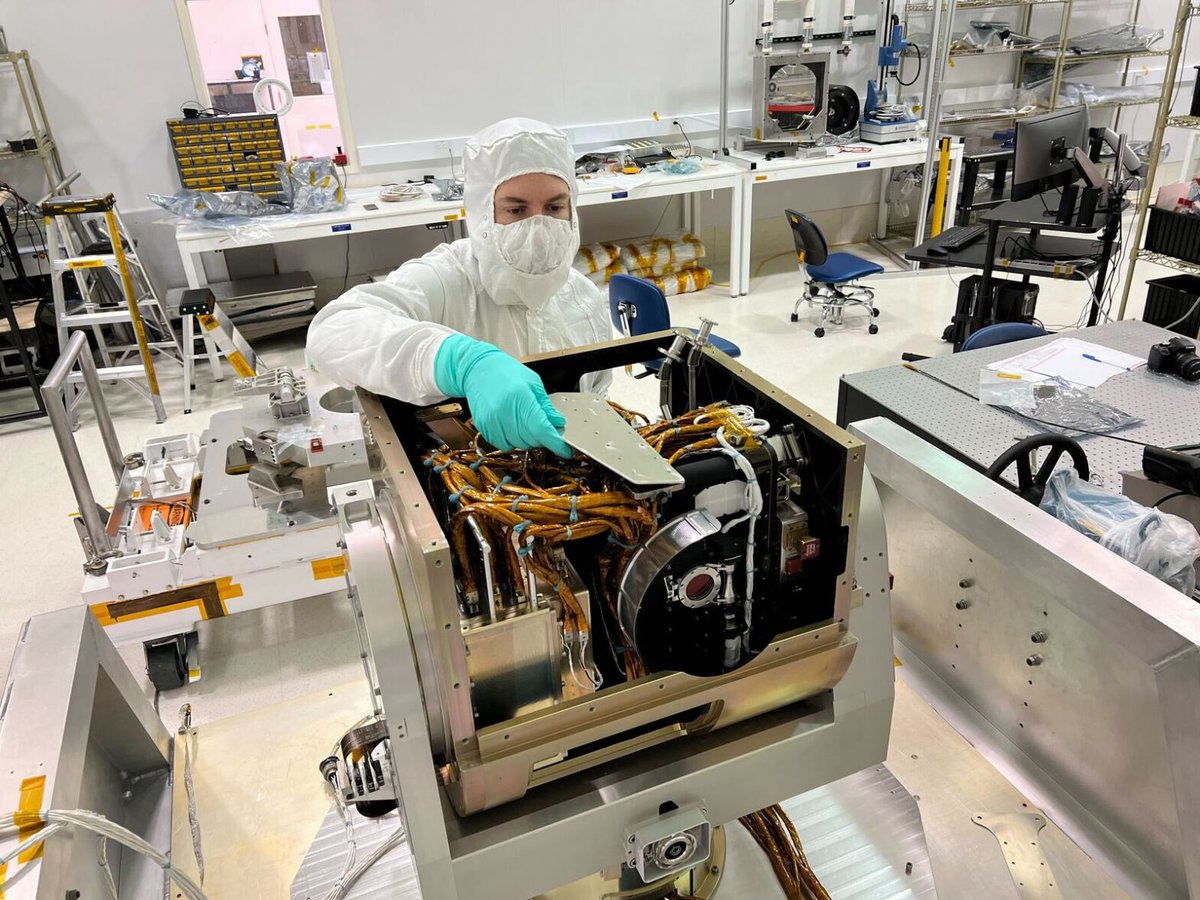
✅ @NASA's CLARREO Pathfinder (CPF) payload has been integrated!
Up next: Tests to demonstrate CPF can withstand launch conditions and operate in space as it measures Earth's climate aboard @ISS_Research
Learn more about CPF: https://t.co/HH3rvstu06
On Jan. 12, we'll broadcast the rollout ceremony of our new X-59 #Quesst aircraft, designed to fly faster than the speed of sound with a sonic thump rather than a sonic boom.
Flight tests, set for later in 2024, could open the skies to supersonic travel over land.
Houston, we have a winner!
From tech that will help us better understand what's in the air we breathe to a quiet supersonic aircraft, four NASA technologies were recently recognized for changing the world ⬇️ https://t.co/wvZOrM6LaI
We've got big news: @NASA's quiet supersonic aircraft, the X-59, will officially be unveiled on Jan. 12, 2024!
Mark your calendars and stay tuned for info on how you can watch the rollout ceremony of the X-59.
Get the latest on the #Quesst mission here: https://t.co/sY1UDKsZbG
Over the past few weeks, NASA and its partners flew a combined 100 flight hours and 2 days of ground testing to study the science of contrail formation (the lines of clouds formed from high-flying aircraft) and climate impacts.
Read about Langley’s role⬇️ https://t.co/evgdn3j49T