I was a very fortunate kid. My dad's GP surgery sat between the Dell and Hampshire's County Ground, so at weekends I could go to a game and get a lift home afterwards. It left me with a passion for both sports and a belief that sport opens a window onto who we are.
When I was growing up, the Tebbit test was a matter of intense debate. Which side did you cheer for at the cricket? For all the criticism it received, it was a test anyone could pass. If you supported England because you saw it as home, you were part of the team regardless of the colour of your skin. Born in Southampton, 10 year old me passed it without even knowing about it.
Giving the @MCCOfficial's Cowdrey Lecture on Thursday made me think about cricket's place in our national life and the current arguments about identity.
In Britain we've built the world's most successful multi-faith, multi-ethnic democracy. I was a beneficiary of it. Whatever issues people had with me as PM (and there was no shortage) my race and religion weren't among them. I could read a lesson at the King's coronation or light Diwali diyas on Downing Street with my daughters without controversy. Foreign leaders assumed these must be huge symbolic moments. For most Brits, they just weren't that big a deal.
But Britain's democratic achievement is now under strain. Some of the challenges are ones I've written about before, like Islamism, and the failure of governments, including the one I led, to adequately control immigration. But something else is going on - a risk that we start equating skin colour with nationality.
After I left office, a debate kicked off here on @X about whether I was English at all, because I was a "brown Hindu". During the election campaign I'd been shocked when footage was broadcast of someone calling me a "Paki." It was shocking precisely because it was so unusual. That kind of abuse had simply not been a feature of my political life. But the Englishness argument was stranger still. Call it the reverse Tebbit test. If you're not white, it no longer matters who you support at the cricket, because you can never be English. It's a test no non-white person can ever pass.
I have no truck with people who offend our sense of fairness and come here illegally; I spent half my premiership trying to deport them to Rwanda. I think the bar for legal migration should be high. It is entirely possible to want a radical reduction in immigration and a far more robust approach to integration, and still totally reject the attempt to turn Britishness into a DNA test.
If you're born and brought up in England and view it as home, what are you other than English? Denying people their Englishness or their Britishness because of the colour of their skin is a recipe for alienation and a two-tier society. How are children who hear this meant to feel?
Sport can play a small but significant role here. Cricket is played by nearly every major ethnic group in this country. Ask what my largely white rural constituents in the Dales and the British-Asian kids in Bradford have in common, and the answer is cricket. If cricket can produce England teams in which every kid can see themselves, the impact reaches far beyond the boundary.
As I write in @thetimes today, we must all be on the same side, cheering for the same team.
We cannot allow race to be reintroduced into our politics. We cannot allow Briton to be set against Briton.
Today on @bookclubpodhq Tabitha and I explore a truly beautiful novel, J. L. Carr's A MONTH IN THE COUNTRY.
The memory of the Great War, the English countryside, art, love, loss - this is such a moving book. Everybody should read it.
🏴 https://t.co/JlovhwA9zJ
@mrianleslie Very interesting. I think what is missing is discussion of the requirement that we all demonstrate our 'impact' for REF/institutional funding. That encourages us to extrapolate our findings to calls for action - and in socsci those actions are likely to be political.
@theiaincameron Are you not going to tell us what the other 'the' country is? I can think of several possibilities (eg the Netherlands, the Bahamas, the Ukraine)
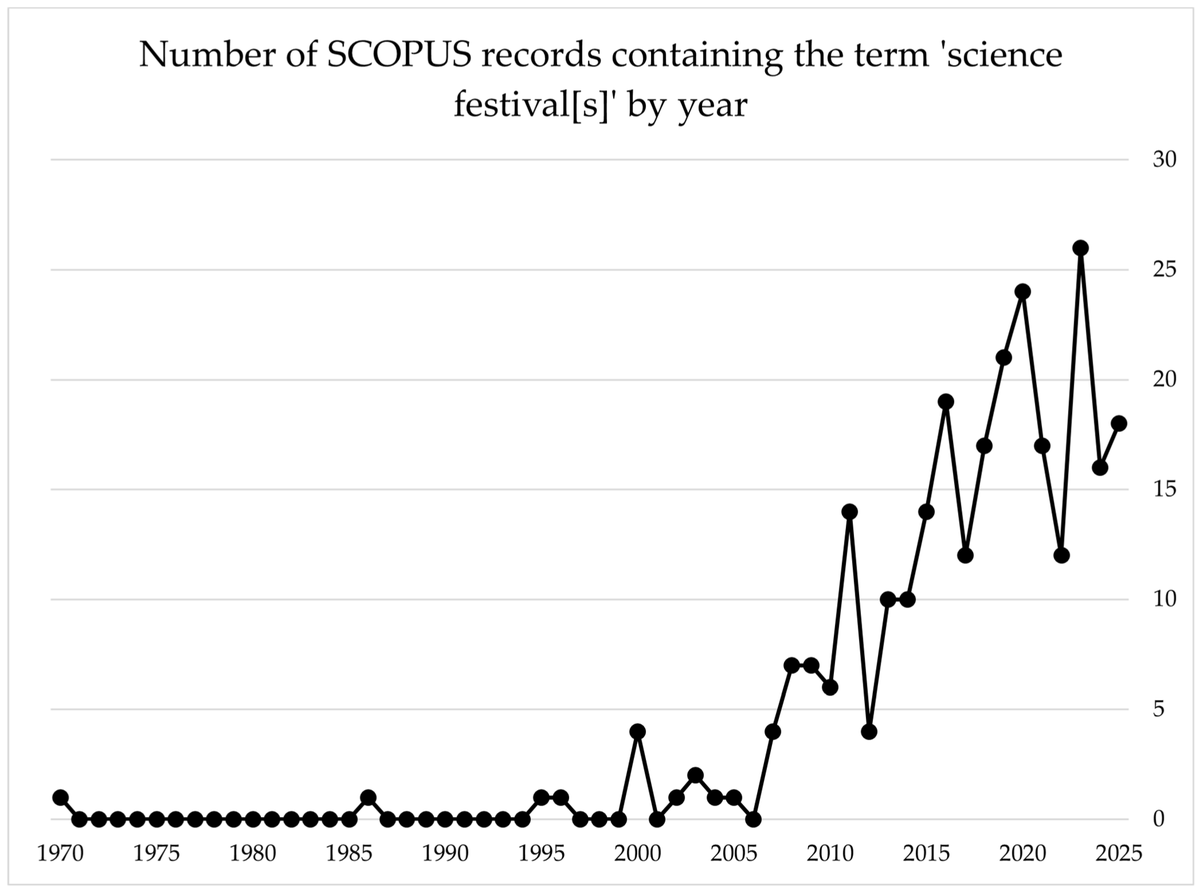
🎉 New article! "Science Festivals: Evolution, Structures, Impacts and Challenges" by Cherry Canovan @Uni_Lancashire
🔍 Festivals spark curiosity, boost literacy, and connect public with scientists — but what about diversity?
🔗 https://t.co/HOLY8qVGZj
#ScienceFestivals#STEM