As joint security teams concluded multi-hour searches at the residence of former Speaker Anita Annet Among on Mackinnon Road in Kampala’s upscale Nakasero suburb — and reportedly expanded operations to other properties linked to her associates — an equally striking development began unfolding online: a quiet but noticeable digital retreat by individuals once publicly aligned with the powerful legislator.
Across X (formerly Twitter), WhatsApp, and other social media platforms, profiles were edited, political affiliations toned down, photographs removed, and privacy settings tightened. The shifts, while subtle, reflected growing unease within sections of Uganda’s political establishment as the anti-corruption probe gathered momentum.
https://t.co/QlrTOF0InP
Uganda has taken 3 full days to swear in newly elected MPs. They have 556 MPs in total for a population of 50M. The current chamber can only hold a maximum of 180 MPs. The level of stupidity in Africa is astronomical
Here’s why legislative plagiarism, like what we see in the recently passed Sovereignty Bill, is a problem for Uganda.
Learn more: https://t.co/ypR8LHk9YT
Parliament passes Sovereignty Bill after seven-hour showdown. The passage capped an unusually rapid legislative process, with the Bill enacted in just 20 days, raising concerns about parliament’s constitutional oversight role. Introduced by the government on April 15, the Bill advanced largely on the strength of the ruling NRM’s numerical dominance and the backing of speaker Anita Among https://t.co/OGpS8XpQhS
The emphasis on the pressure exerted by the Chinese on the Zambian authorities about admitting delegates from Taiwan to explain the sudden cancellation of the conference is most unconvincing. In my view, this excuse is simply the perfect pretext that Zambia needed to conceal the real reason behind the decision: domestic politics. It is most absurd to suggest that a conference of over 2000 delegates would have been called off simply because one or two participants from Taiwan, who could have been denied entry visas or sent back on arrival, were going to attend.
The cancellation of the RightsCon summit must be understood within the broader context of the ongoing deterioration of human rights in Zambia under the Hichilema administration. This period has been marked by severe restrictions on the rights to peaceful assembly, free speech, and freedom of association, as well as the retention of repressive laws and the introduction of new cyber legislation that undermines human rights.
In addition, there have been frequent arrests of government critics and political opponents on charges such as criminal libel, sedition, unlawful assembly, and violations of broadly defined hate speech laws. The official justification for cancelling the conference cites concerns regarding the “invited speakers��� and “thematic issues.” However, it is plausible that the main motivation was the government’s apprehension that the event would draw international attention to its systematic efforts to undermine human rights. Such scrutiny would have challenged the government’s narrative of an improved human rights environment since Hichilema’s election.
Ironically, by cancelling the summit, the authorities have inadvertently intensified international focus on the shrinking civic and political space in Zambia. For a country seeking a seat on the UN Human Rights Council, these actions demonstrate its unsuitability for such a role. As under the previous administration, human rights in Zambia remain precarious.
Reminder: Digital Security Session Tomorrow!⏲️
Digital is our default & security shouldn't be an afterthought. Let’s move past the 'minefield' & create a strong, reliable workflow together.🛡️📸
Don't just tell your stories. Protect them!
🔗Sign-up >> https://t.co/cDm1MYsM19
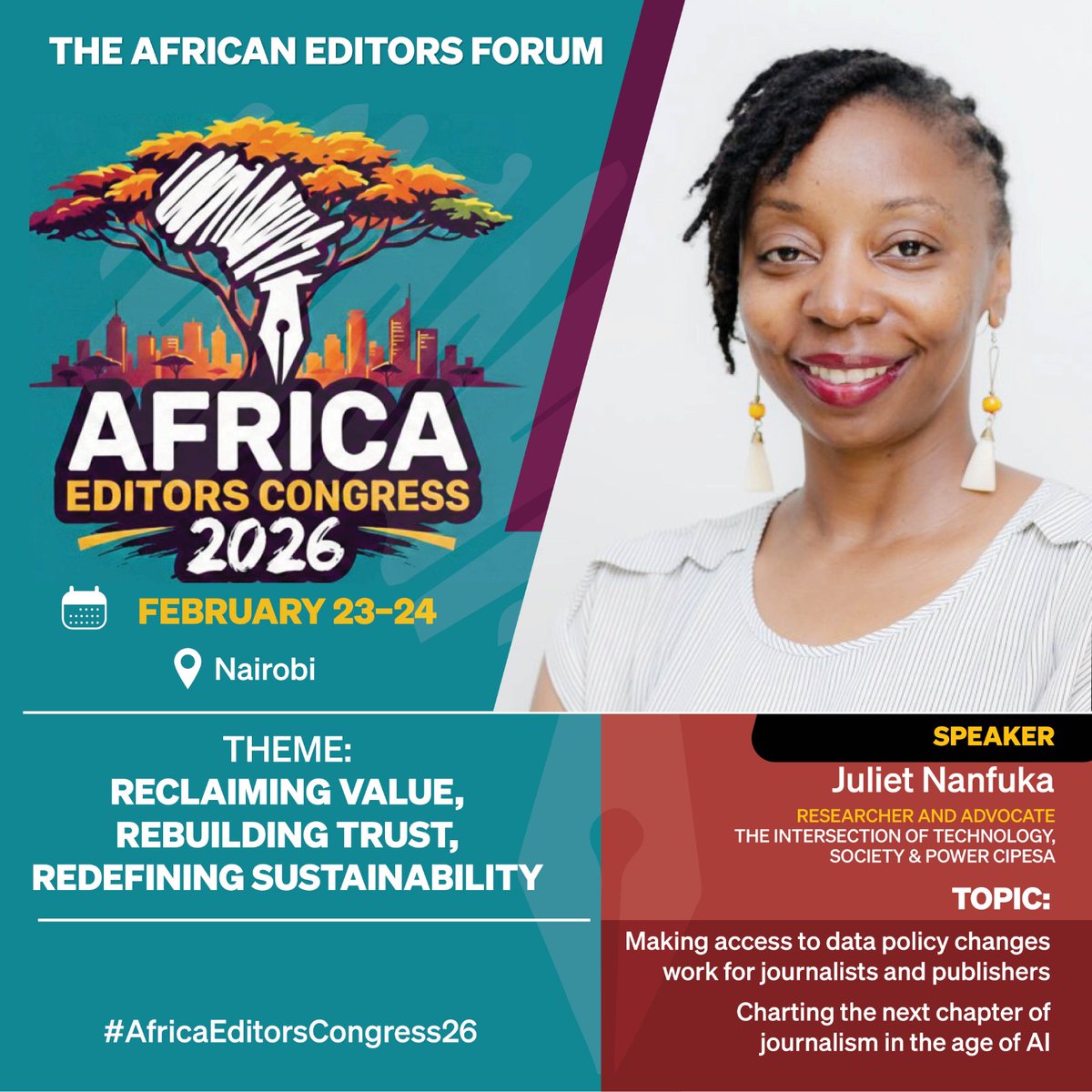
At the Africa Editors Congress 2026, I looking forward to sharing insights on Charting the next chapter of journalism in the age of AI. #AfricaEditorsCongress
We are at the #IndiaAISummit2026 where the vast ecosystem that makes up #ArtificialIntelligence is under debate and discussion.
There is an underbelly in many discussions, and that is the human labour upon which AI is built. Unseen, unheard yet immensly valuable!
#TechTapestry
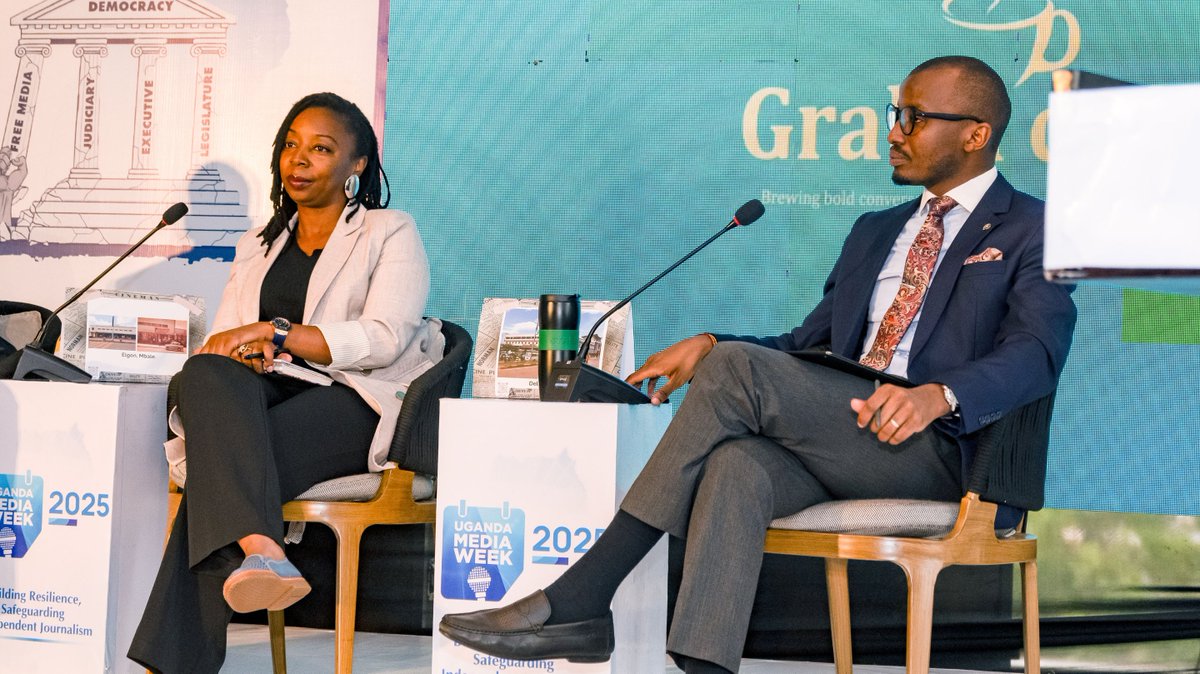
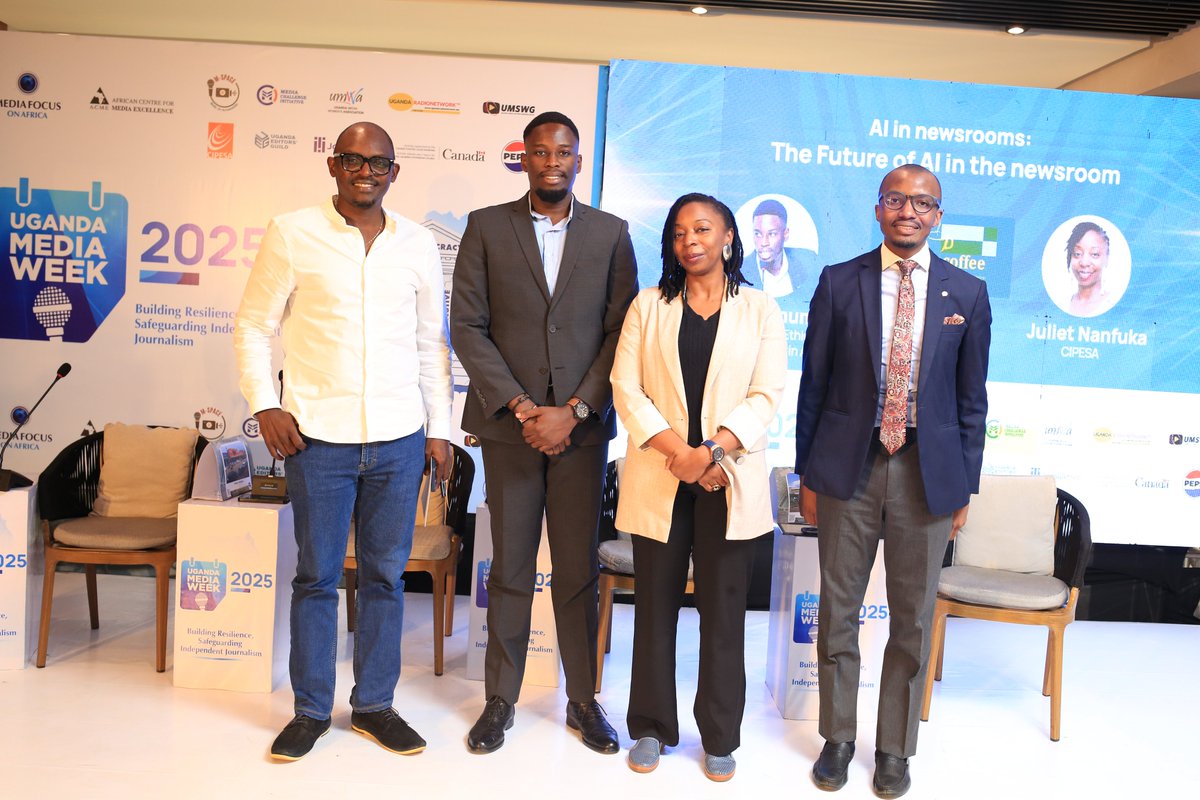
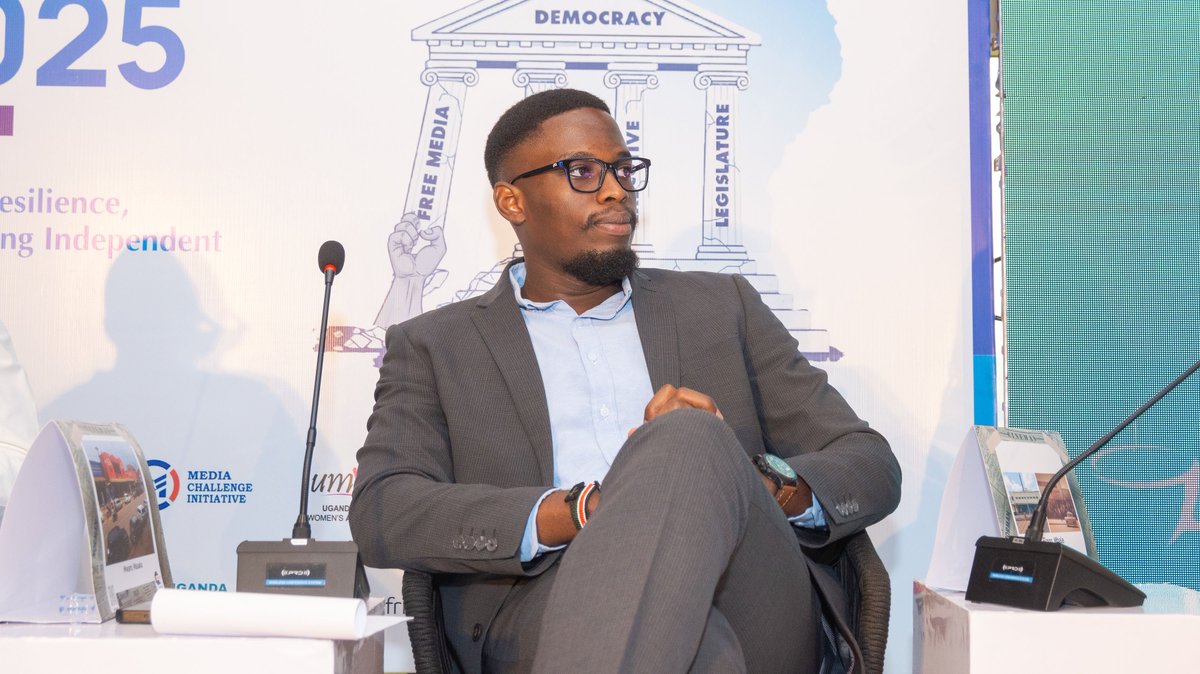
Our panel discussion on AI and Journalism at #UgandaMediaWeek 2025, hosted by @MFAUganda was an engaging session exploring how AI is reshaping the field of Journalism both as a tool for innovation and a call for ethical vigilance.
We kicked off with historical context, noting how journalism has adapted to past disruptions like the internet, and positioned AI as a similar opportunity rather than an outright threat. Key opportunities discussed included using AI for efficient research, headline optimization, workflow automation, interview transcription, data visualisation (shoutout to tools like Google Pinpoint), and even cross-border collaborations especially vital for resource-limited African newsrooms.
We also discussed the real challenges: potential job displacements in production roles, ethical dilemmas like unauthorised voice cloning or content homogenisation, IP attribution issues, and the need for robust policies to tackle data privacy and biases in AI training (particularly the underrepresentation of African data resulting in a re-entrenchment of Eurocentric narratives).
Kudos to my co-panelists, Juliet N. Nanfuka (@chewingstones) from @cipesaug , @gijn Africa Editor Ben Oluka, the team from the @GrabACoffeePod and to our gracious hosts, Media Focus on Africa.
Let’s continue to emphasise proactive adoption, shifting from fear to exploration, integrating AI ethically, and advocating for meaningful reforms. We have a moral duty to lead the charge in making AI work for journalism, while preserving the human touch audiences value. Grateful for the thoughtful exchanges and looking forward to seeing how we implement these ideas.
Link to full recording: https://t.co/RcLw2OlbkI
#UgandaMediaWeek #AIinJournalism #FutureOfMedia #AfricanJournalism #UgMediaWeek2025
UCC Bans Split-Screen Advertising on NBS TV, Sets Precedent for All TV Stations
@UCC_Official has ordered NBS TV to immediately stop split-screen advertising during news and current affairs programmes, citing breaches of the Advertising Standards 2019 and the Uganda Communications Act, and directing all TV broadcasters to comply.
Read the full story:
https://t.co/v2TDPlGHwg
@OneTechConnect note that, "This marks one of the strongest assertions of African #datasovereignty, setting a precedent for holding multinational technology companies accountable under national law."
Via >>> https://t.co/qOGqdiZxgC
In November 2024, four Ugandan complainants filed a complaint before the Uganda Personal Data Protection Office (PDPO) challenging Google’s noncompliance with the law including failure to register with the PDPO & conducting cross-border data transfers without PDPO approval.
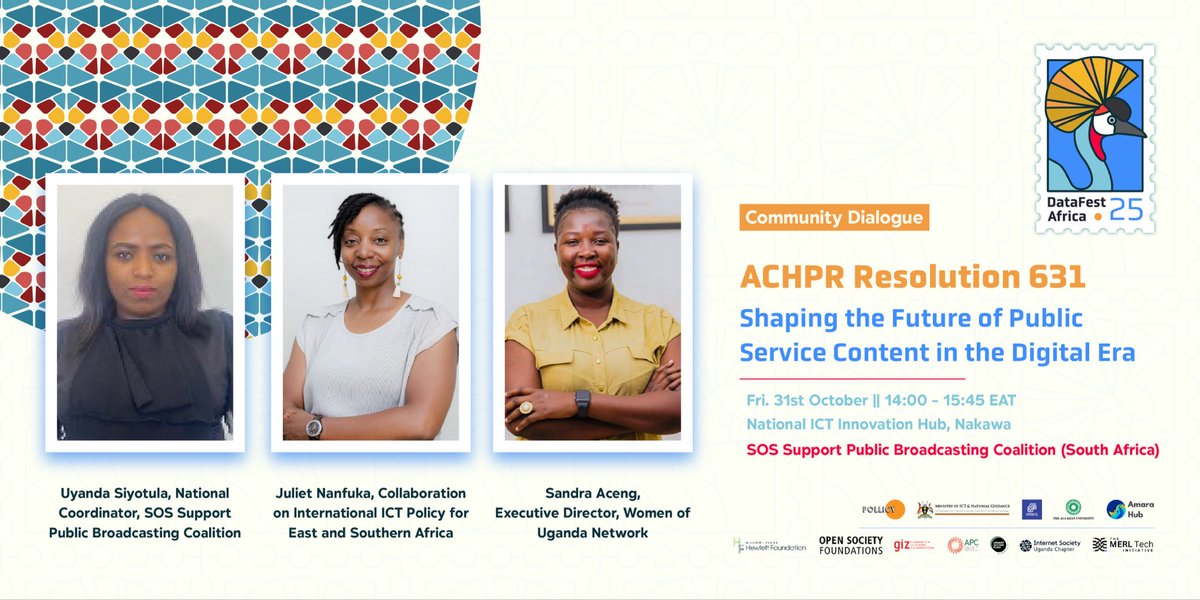
We shall be at #DataFestAfrica2025!
Join the dialogue on ACHPR Resolution 631, a landmark step by the African Commission on Human & Peoples’ Rights to protect and promote public-interest content in the digital era.
Let’s shape the future of media that serves everyone.
The Thursday Daily Monitor..
Be sure to acquaint yourself with the relevant information all-round. The e-copy can be accessed via https://t.co/IQlYhxJU16
#MonitorUpdates#JournalismIsNotACrime