🚨 PGY2 EM Phase II 🚨
Still looking for the right fit?
UW Health – SwedishAmerican Hospital
🔥 Level II Trauma
☣️ Poison Center rotation
🚑 EMS involvement
🧠 High-acuity EM training
🥼Recruiting 11th resident
🔗https://t.co/HaXrPRPHKG
#ASHP2026#EMPharmacy#EMRx#TwitteRx
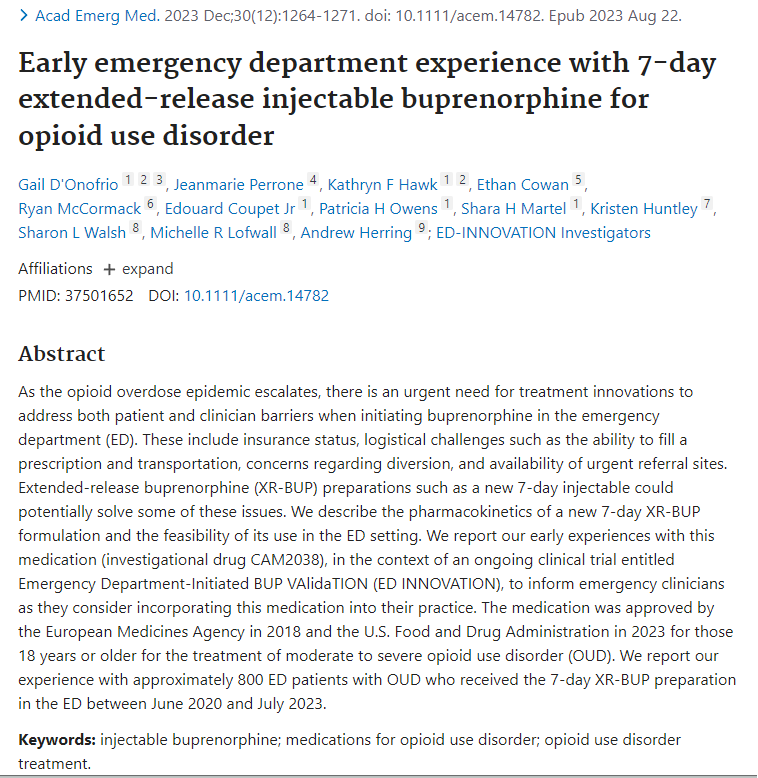
Cool new article on initiation of long-acting (7 day) buprenorphine in the ED. Seems like an awesome way to bridge the gap between ED and OP OUD-specific follow up
https://t.co/OEHvvqGrJH
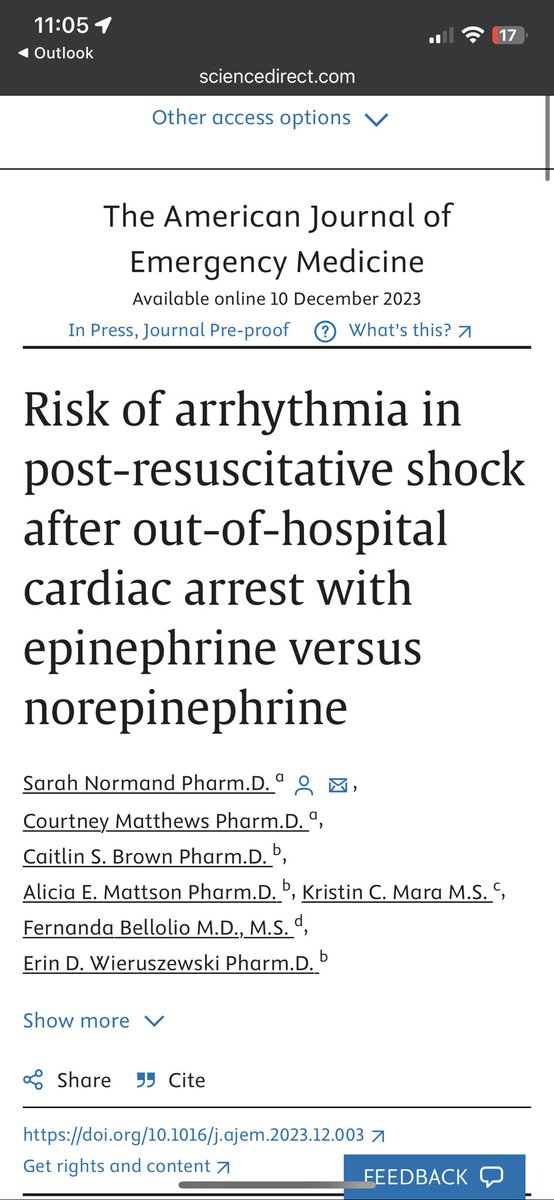
ANOTHER PREHOSPITAL POST ROSC NE vs EPI (TWO IN TWO MONTHS!?)
EPI again with more re-arrests than NE. More nails in the coffin.
Nice work @MayoClinic @CBthePHARMD @EDWieru and the many authors involved!
https://t.co/3r8Kwxj0LD
#MedTwitter#TwitterX#MedEd#FOAMed#FOAM
Looking forward to meeting all the amazing future pharmacist clinicians and leaders at the Midyear clinical meeting!!
Come check out CoxHealth PGY1 Pharmacy Practice and PGY2 Amb Care programs. Booth 6144 Tuesday afternoon! #twitteRx#PharmRes
Our PGY2 EM program will be recruiting at ASHP Midyear for our 2024-2025 year! We are searching for our 9th PGY2 EM pharmacy resident! Even if you are not attending Midyear, see the link below for more info and sign up for our emails! #EMRx#TwitteRx
https://t.co/mdprrrl3NQ
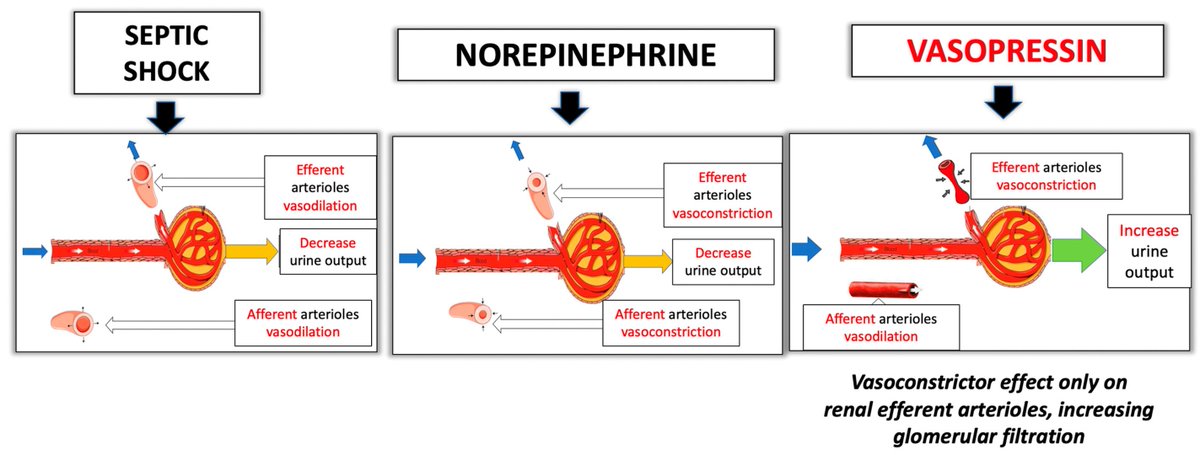
Vasopressin in Sepsis and Other Shock States: State of the Art
CCR Journal Watch
https://t.co/Sp06oA6IDG
Get the latest critical care literature every weekend via the CCR Newsletter - subscribe at https://t.co/nitMzacLrj
10 in 10
(Random collection of) ICU Pharmacy Pearls (or: Pet Peeves):
I witnessed all of them the last month & decided to write them down. You may disagree with many of them but there we go:
1. If the patient is on warfarin, presents to the ED w massive upper GI bleeding &
The ASHP Foundation, alongside @PharmGradWish, is thrilled to offer the new ASHP Midyear Travel Award Program, which will provide at least 30 stipends of $500 each to offset the cost of attending the AHSP Midyear Meeting & Exhibition. Learn more at https://t.co/zRkVSsg98p.
Overnight ED Position available in Springfield, MO! Our team is rapidly growing, and I would love to chat with anyone who may be interested! https://t.co/500UtvOWIK
Why Resuscitate Before Intubation? Optimizing Physiology
The principle of "resuscitate before you intubate" is a critical aspect of patient management in pre hospital, intensive care unit (ICU) or emergency department (ED). Let's delve into why this practice is so integral to the process of patient care.
1️⃣ Mitigating Peri-intubation Hypoxia: During the process of intubation, patients typically experience a period of apnea, where they do not breathe. This interruption in oxygen flow can cause a rapid decrease in oxygen levels (desaturation), particularly in critically ill patients who have low oxygen reserves to begin with. Pre-oxygenation, typically done with high-flow nasal cannula (HFNC) or non-invasive ventilation (NIV), can create an oxygen reservoir in the lungs and increase the time to desaturation during apnea. Additionally, some clinicians use apneic oxygenation techniques during intubation to maintain oxygenation. These strategies together help to prevent significant hypoxia during the intubation process.
2️⃣ Addressing Hemodynamic Instability: The switch from spontaneous breathing to positive pressure ventilation during intubation can dramatically impact a patient's cardiovascular dynamics. Positive pressure ventilation increases intrathoracic pressure, which can decrease venous return to the heart, and consequently, lower cardiac output. This can lead to hypotension, a situation particularly dangerous in patients who are already hypovolemic or have pre-existing cardiac conditions. Furthermore, positive pressure can also increase systemic vascular resistance, which acts as the afterload on the left ventricle, potentially worsening left ventricular failure. Prior to intubation, it's crucial to optimize the patient's volume status and use vasopressors or inotropes if needed to stabilize hemodynamics.
3️⃣ Correcting Acid-Base Disturbances: In conditions of severe metabolic acidosis, patients often hyperventilate to 'blow off' carbon dioxide and compensate for the acidosis, thus maintaining a relatively normal pH. During intubation, however, the use of paralytics and the transition to mechanical ventilation can result in a period of hypoventilation. This can lead to an acute rise in carbon dioxide levels, worsening the acidosis and potentially causing hemodynamic instability. Prior to intubation, it's vital to correct the metabolic disturbances as much as possible to stabilize the patient's pH and bicarbonate levels.
4️⃣ Maximizing Physiologic Reserve: Critically ill patients often have a significantly reduced physiologic reserve, making them more susceptible to brief periods of hypoxia or hypotension, which can lead to end-organ damage. Ensuring adequate oxygenation, hemodynamic stability, and correction of metabolic disturbances before intubation enhances their resilience to the process, reducing the risk of further harm.
In summary, the purpose of the "resuscitate before you intubate" approach is to place the patient in the best possible physiological condition to withstand the stresses of intubation and mechanical ventilation. It emphasizes the need to anticipate potential complications and to take steps to prevent them, thereby providing the safest and most effective care for our patients.
3 job openings at CoxHealth in Springfield, MO!
Level 1 trauma center, Stroke Center of Excellence, and STEMI center!
• Critical Care II
• ED / CC cross coverage
• ED overnight 7on/7off https://t.co/BmqsKpcSrn
3 job openings at CoxHealth in Springfield, MO!
Level 1 trauma center, Stroke Center of Excellence, and STEMI center!
• Critical Care II
• ED / CC cross coverage
• ED overnight 7on/7off
https://t.co/ZxYAkQFwuY