Ahead of @POTUS' prime-time address, @RichardvReeves and I examine the expanded #ChildTaxCredit. The new law will drastically cut child poverty and--we argue--boost kids' long-term success. Thread (1/9) @BrookingsEcon
https://t.co/q1RJJAz8Y6
OK full disclosure: @ChrisLPulliam is a former colleague from @brookings and now @aibm_org Student Fellow. Only because he is such a fine scholar though….
So incredibly honored to receive this award and join the ranks of so many other scholars whose work I deeply admire (including two of my current colleagues!) and grateful to so many fantastic mentors and collaborators who I have been fortunate enough to work with over the years!
New Tax Policy Center analysis shows that the highest income 20% of taxpayers would get more than 90% of the benefit of repealing the cap on SALT deductions. https://t.co/gfsh6suLVD
Our study (Effects of the expanded Child Tax Credit on employment outcomes) is out in the world after finding a home with @JPubEcon. We found statistically insignificant and inconsistently signed differences in emp and LF participation for eligible adults during the the CTC exp.
I am thrilled to announce that our ANNALS Volume on the 2021 Child Tax Credit dropped today! Open access for the full volume is available!
Thanks to my Co-editors @ZParolin@MeganACurran and the star studded cast of authors.
https://t.co/rElhFe9ZsJ
Abstracts for papers in the areas of education policy or immigration and migration are particularly solicited, but abstracts in other areas are also encouraged.
Junior women and non-binary scholars, please submit your papers!
#EconTwitter
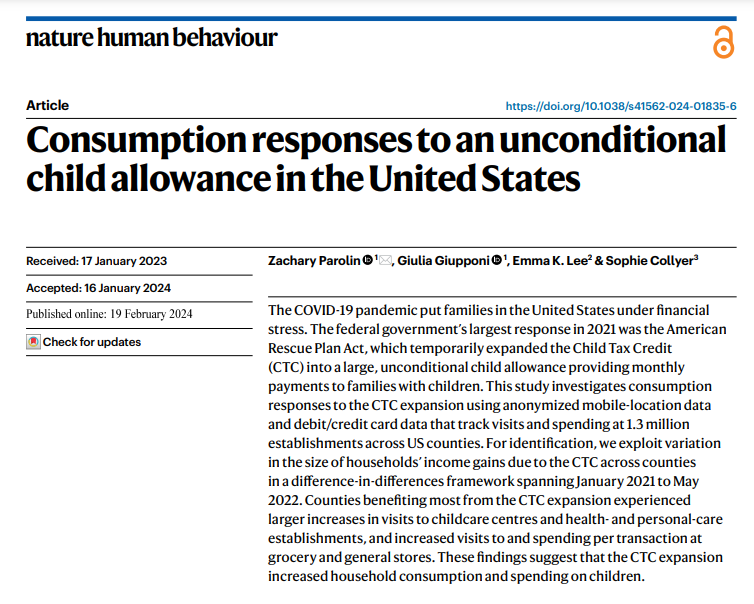
At Nature Human Behaviour: "Consumption Responses to an Unconditional Child Allowance in the U.S." We study how the 2021 CTC expansion affected family expenditures using observed (rather than reported) consumption data from 1.3 million establishments. https://t.co/AE80y6nUuz
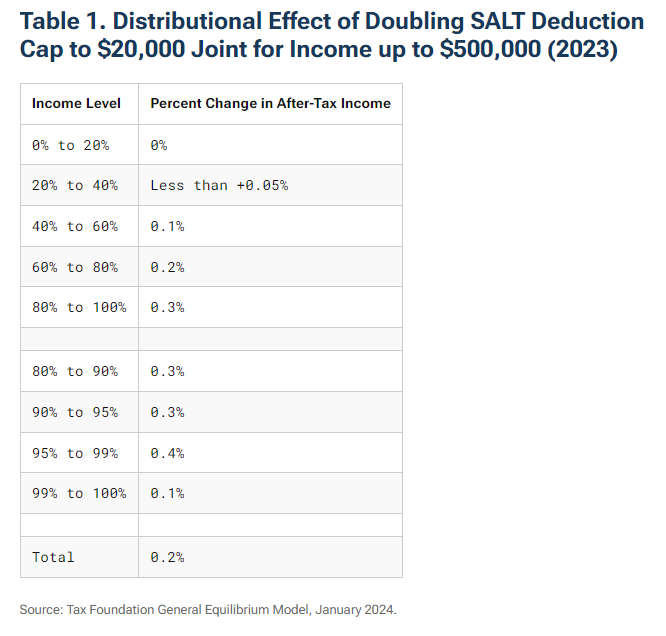
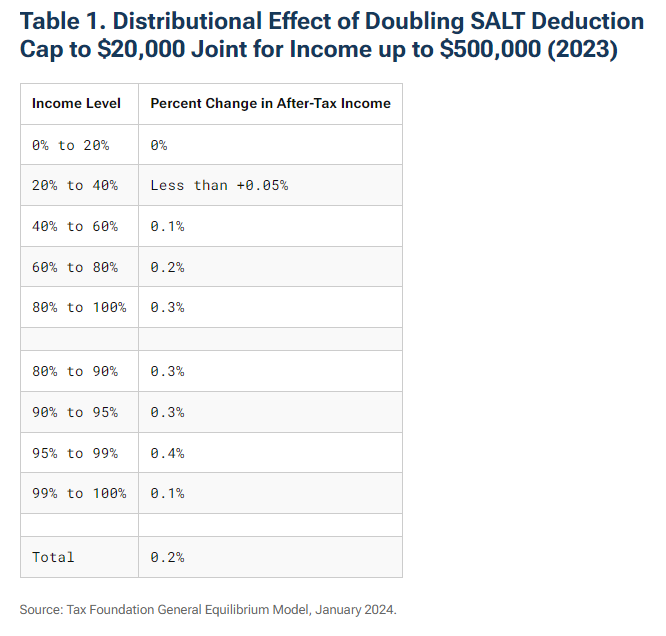
⚡ New SALT deduction cap proposal would increase the budget deficit, create a new cliff in the tax code, and mostly benefit higher earners, all without improving long-run economic growth.
~$9B of the $11.7B in lost revenue would accrue to joint filers earning more than $200k.
The number of defined-benefit plans like pensions shrunk by half since the '80s while defined-contribution plans like 401(k)s quadrupled, making it harder for workers to plan out lifetime income, write Mark Iwry, @dcjretiresecure, & @WilliamGale2
-> https://t.co/tMsVd0Mb2e
The House SALT proposal is silly. It costs $8 billion to benefit 3% of households, ones who are already doing just fine. It also creates an insane cliff, where some families *lose* money by making more money. This is not a serious attempt at SALT reform. https://t.co/5wuQqe94te
⚡ New SALT deduction cap proposal would increase the budget deficit, create a new cliff in the tax code, and mostly benefit higher earners, all without improving long-run economic growth.
~$9B of the $11.7B in lost revenue would accrue to joint filers earning more than $200k.
1/6 Really? SALT again? {sigh}.
OK, here we go. The SALT deduction is a massively regressive tax cut for the rich. Trump was right to cap it. For the data from me and @ChrisLPulliam see this @BrookingsInst piece https://t.co/sxfrWrxuGa