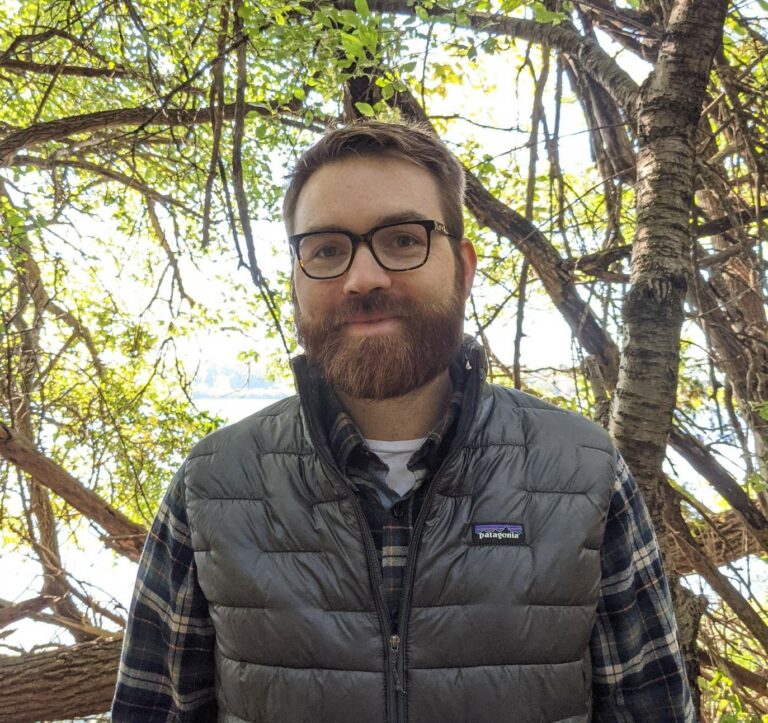
Assistant Professor at University of Wisconsin-Madison in the Department of Geoscience. Multiphase flow, contaminant hydrogeology, CO2 storage, energy resources
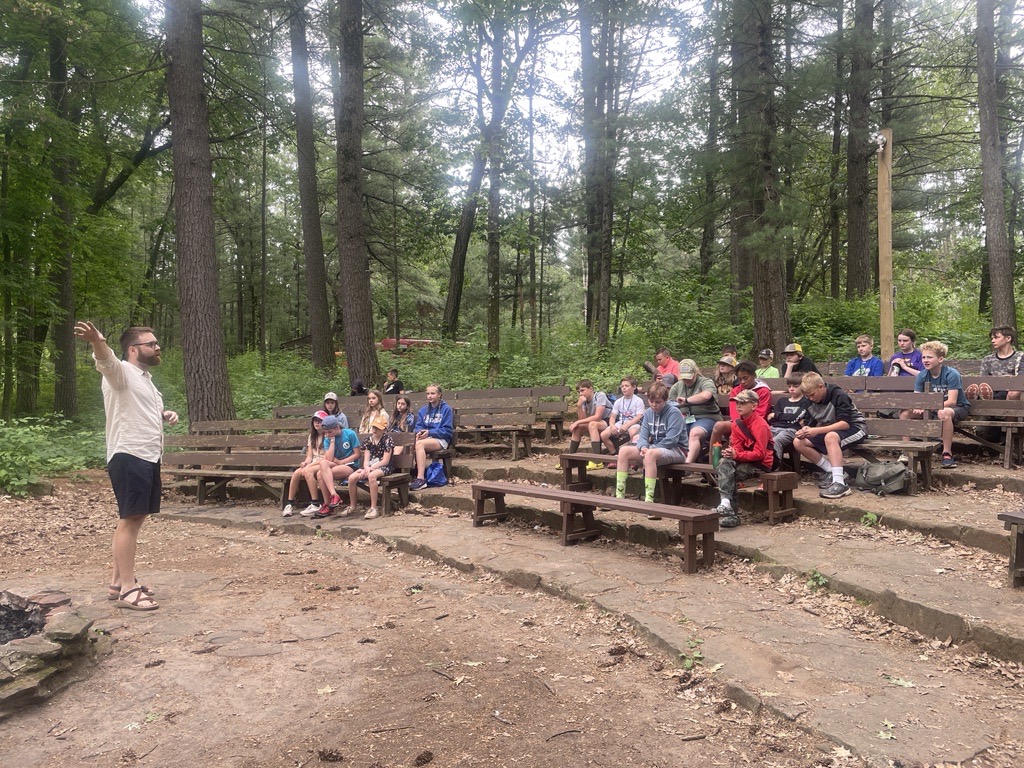
This week, Professor Chris Zahasky of the @UWMadison Department of Geoscience shared his research on the movement of phosphorus between the Wisconsin River and groundwater with middle school participants during @wilandwater camp! #researchinaction#youthinSTEM @UWMadisonExtNRI
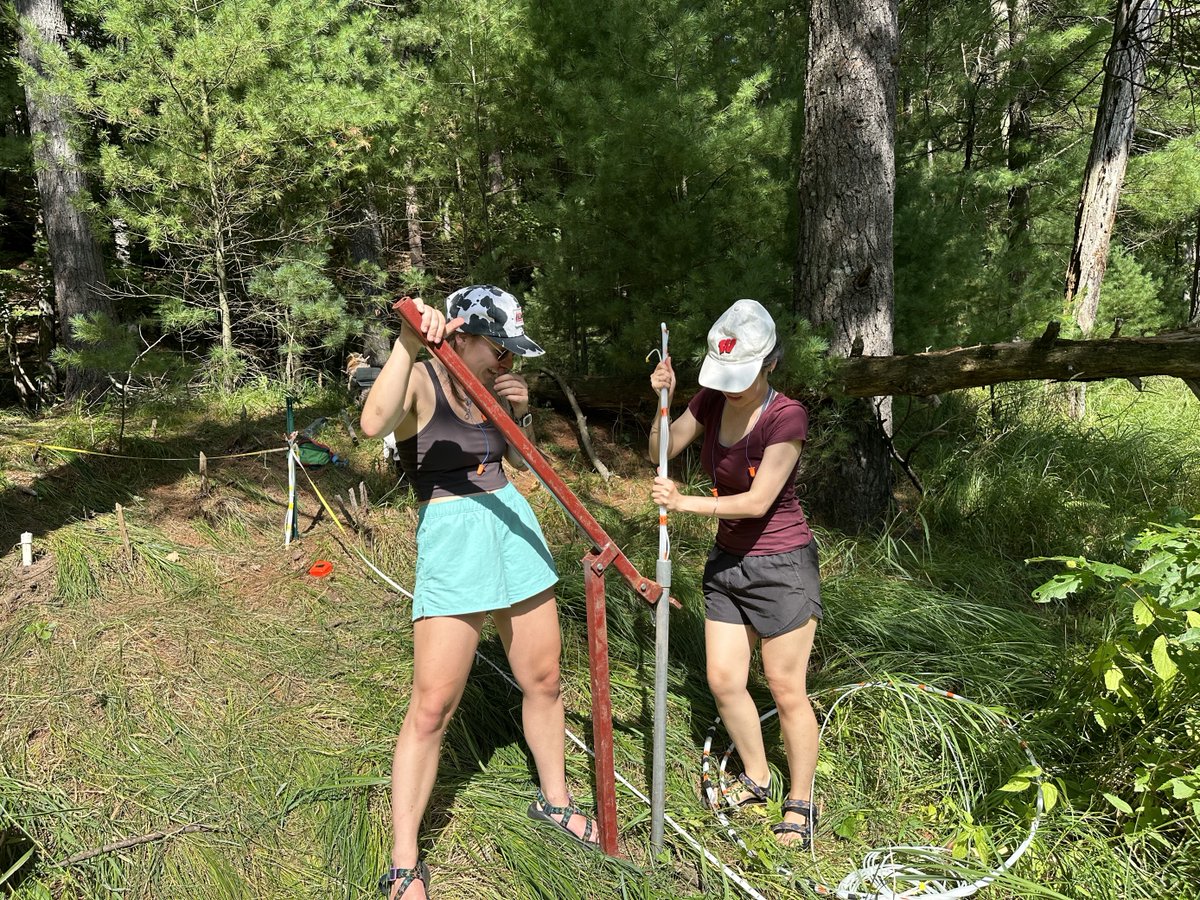
Some exciting research happening at Upham Woods with the Subsurface Hydrophysics Lab at UW-Madison. We are currently a field site where they are studying surface water-groundwater contaminant transport.
@uwgeoscience @UWMadisonExtNRI
Today is Election Day in Wisconsin! Find your polling place, bring your ID and vote! For voter ID and more #BadgersVote info, visit: https://t.co/ruXDe7hnsr
@uwgeoscience and @UWMadisonGLE students in contaminant hydrogeology toured @widatcp lab facilities to learn how scientists like @Carla_PantaRhei monitor for pesticides in groundwater in Wisconsin.
Come work for us at @UW_AOS and @uwgeoscience and Environmental Sci. We need an undergraduate advisor. Help shape atmso/geosci student college experience and lives! DM for any qs. https://t.co/ZM0aBU21rA
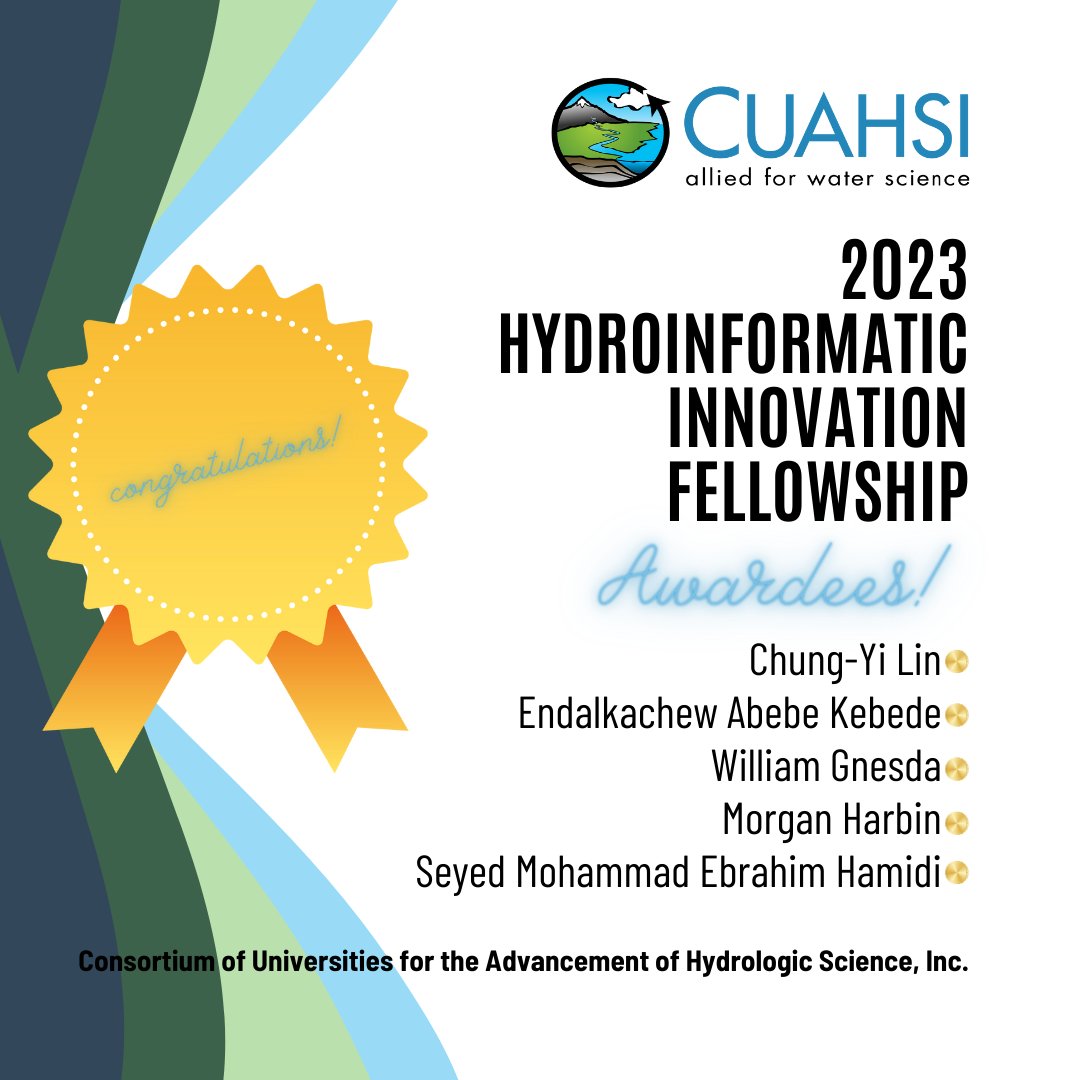
@uwgeoscience graduate student Will Gnesda making @UWMadScience news with his @NSF-funded work on PFAS transport in the vadose zone!
https://t.co/MCUlyJnSYm
Tune in to the latest from our WI #Water News podcast! 🎧 "Percolating Pollution" looks at research by @ChrisZahasky of UW-Madison. Through tech usually used for cancer imaging, he studies how contaminants move through soil: https://t.co/32Dna7XfvP #Groundwater#WaterQuality
A groundwater #pollution project uses cancer imaging technology in a novel way to help understand how E. coli percolates through soil & ends up in #groundwater and private well #water. Work led by @ChrisZahasky of UW-Madison and funded by WRI; learn more: https://t.co/mKM4KsJOrf
#Hydrology Twitter! We put together a survey to better understand how the community knows about our goals and mission and how we can better serve the hydrology community. This survey should take about 10 minutes to complete. Please retweet and share! https://t.co/vX58UbwIJn
First-generation students face challenges navigating graduate school. A @NatureCareers feature story examines how institutions can better support these students. https://t.co/WmYpMN2i4g
Our fieldwork, and hand-augering technique, made the news! This is a great collaboration between researchers from @uwgeoscience, @UWMadisonCEE, and @WGNHS investigating the PFAS contamination in Rhinelander, WI. https://t.co/TYwDKfQhFj via @WJFW12
@skuylerherzog I have a couple notebooks that I use for the contaminant hydro course that I teach to help students get python set up and introduce some basic functionality: https://t.co/SicjARSmq3
WI is lucky to have amazing water resources and a group of agencies & individuals dedicated to monitoring them. Check out our NEW water quantity monitoring StoryMap (authors Joe Rosnow & Nicki Clayton) @WDNR@WGNHS@USGS#groundwater https://t.co/3dIj3DfpGz
Available open access now is our new paper using CNNs to determine the 3D permeability fields of different geologic cores using time-lapse PET imaging data. Super proud of the @UWMadison undergraduate student Zitong Huang who took on this project!
https://t.co/nSYFAppN7y
@remucal@WiscLimnology@creekthinker@hildug @goodgracious23 @EStanLimnology Pheasant Branch Creek is spring fed and stays open most of the winter. There are some boardwalks and bridges for access in a couple spots in the Pheasant Branch preserve.