Sedimentation can be a problem for shallow bays, filling them in and covering plants. Covering and CDOM also contributes to preventing light from reaching aquatic plants. #Aquaeco2018
"The light brown color is probably caused mainly by heavy sediment ... the waters getting darker is a sign of the heavy sediment settling out, while all the CDOM is still in the water because it is dissolved."
Look at that CDOM go! #AquaEco2018
https://t.co/dQdwtRlCZo
Using ENCORE https://t.co/JtClJZVqy1 $1.6T in economic production are shown to have high dependance on nature, with water provisioning and flood protection the top three most important services, showing how water resources impact the economy #AquaEco2018 https://t.co/XCggVnrJx2
In the short term dams, reservoirs and canals benefit us allowing ecosystem services to serve more people. What might the long term implications be of constructing these cooridors? #AquaEco2018
Humans are actively creating cooridors which change how many aquatic ecosystems function. Such coordiors consist of dams, reservors and canals. Each having their own impact on nutrient quality and species diversity. https://t.co/ezwOppGJ5X #aquaeco2018
Due to nutrient loading, the Great Bay Estuary isn't the healthiest, but it's important to remember the health of our estuaries and coastal communities starts at the headwaters! Stay updated on the health of seacoast estuaries here https://t.co/HIDsNSrqQg #AquaEco2018
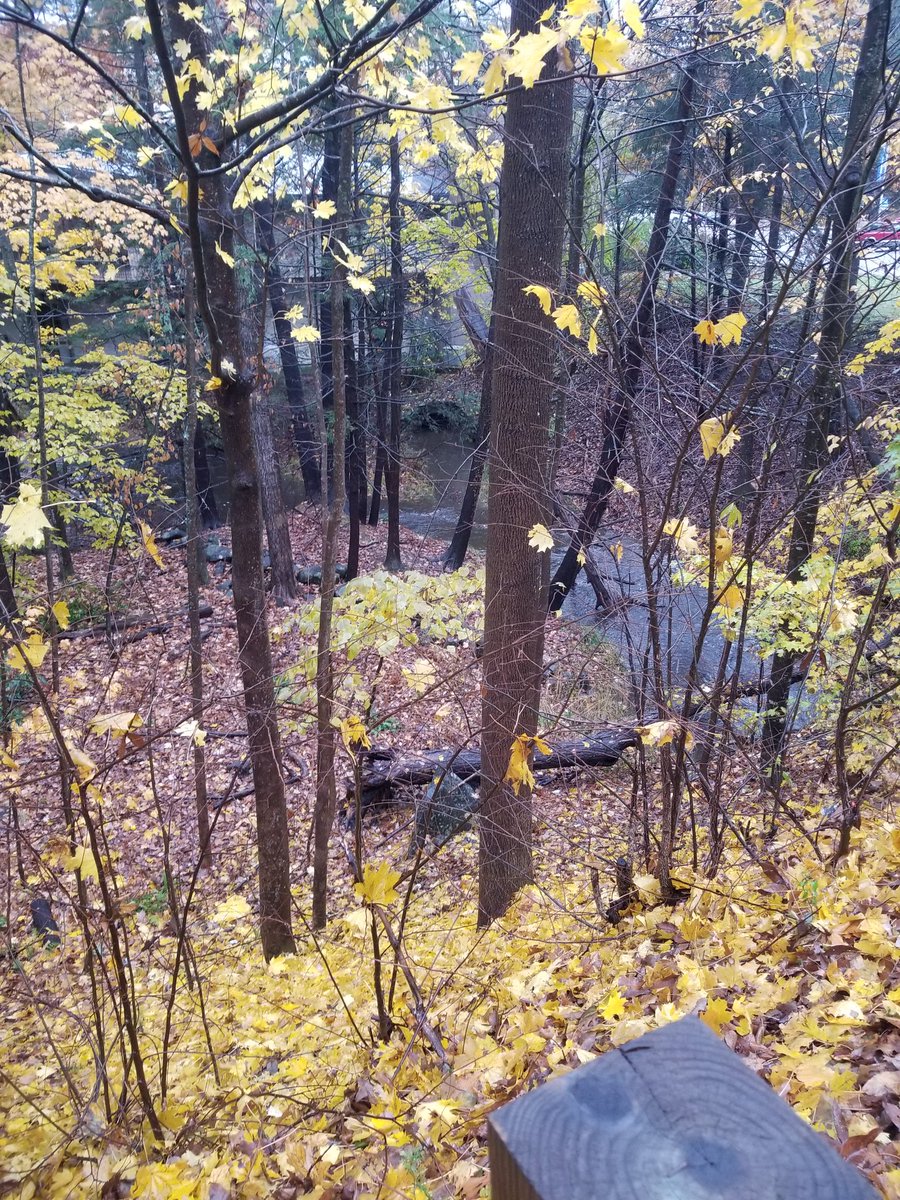
Almost a week after the rain storms and College Brook remains wider and deeper than usual. Any ideas as to how more snowfall (and less rain) will affect flow? #AquaEco2018
High flows observed behind the library this afternoon. Remember, width changes faster than depth and velocity as discharge increases! #AquaEco2018#HydraulicGeometry
poly- and perfluoroalkyl substances (PFASs) are man-made compounds that have been found to exceed EPA guidelines of safe limits in drinking water for over 6 million Americans. Does anyone know if they can be filtered out of drinking water? #AquaEco2018 https://t.co/Ko481T5S96
Crazy to see flows so high! After touring UNH's water treatment facility last Tuesday they noted that flows over the Oyster River Reservoir were more than a foot high from the rains! #AquaEco2018
The best part about all this recent rain is getting to see the powerful runoff! I've never seen the Cocheco river this high! This video was taken in downtown Dover. #AquaEco2018
Where did Earths water come from? An ASU study suggests possibly as much as 2% of Earths water came from the solar nebula creating our solar system and the rest form asteroids. Very cool when you think of all the things water is used for today #AquaEco2018 https://t.co/GkOo3Ygodn
Weathering of impervious surfaces not only increases runoff but can also increase salinity and make freshwater systems more alkaline. This is not just a problem for aquatic species but also for drinking water #AquaEco2018 https://t.co/OhmmwAs4Bc
High flows like this can cause rivers to get wider and deeper. Down the road, widening rivers could potentially be a problem for buildings like the MUB which has structural supports on either side of the river bank #AquaEco2018
Two streams on campus, behind MUB and behind the Alumni Center, were going over their banks during the storm early yesterday morning. I've never seen either so high. Going to check back tomorrow to see if either have gone down. #AquaEco2018
Texas had drought conditions all summer, within a week drought concerns turned to flooding concerns as heavy rain moved in. Extreme weather changes like this are becoming more common everywhere, stressing terrestria and aquatic ecossytems https://t.co/F6lb7hP2D8 #AquaEco2018
Amazing how much of an impact organizations can have on water quality! Curious what other factors changed due to improved water quality... helping keep local freshwater systems clean can have large positive impacts on diversity, larger water bodies and more! #AquaEco2018
Environmental nonprofits such as @nh_lakes have been found to greatly improve water qualities in their communities! These areas demonstrated a reduced dissolved oxygen deficiency when compared to watersheds with no active environmental groups #AquaEco2018 https://t.co/HFWCKjL94k
In some places salinity levels are on the rise due to decreased dilution and increased addition of salty runoff. If salinity increases a lot, I wonder if it will cause these toxic algae blooms to occur in places off the coast #AquaEco2018
A study by the USGS found salt water can break cell walls of algae in freshwater systems releasing toxins which worsens toxic algal blooms especially in coastal areas. The study provides insight as to what can make toxic algal blooms so bad #AquaEco2018 https://t.co/FNn9VjTcEo
Check out this yearly flow cycle of Lamprey River over the past five years! Flow is typically lowest in early October, but with all the rain this fall, we don't see that drop quite yet! Check out your local river at https://t.co/1IxwfZgno4 #AquaEco2018
Clean drinking water is good, but safe drinking water is better. Most of the heavy metals in our water aren't from the water source, but from the pipes they travel in. In the morning run water for a few seconds to wash out heavy metals that have accunulated overnight #AquaEco2018
While it's natural for metals to make their way into drinking water, it is so important to consider how our actions have poisoned the same water that we drink. The lack of care for our water comes with an increase in life-threatening diseases. #AquaEco2018 https://t.co/aMzsaxp1AH
Congress has approved the Water Infrastructure Bill. It will increase funding for state drinking water systems and expand the number of chemicals monitored in our drinking water and hopefully expand availability of clean drinking water in the States #AquaEco2018
Snow mounds take immense energy to dissipate due to the air pockets. I never thought of all of the chemicals they harbour and how they impact waterways. Minus the chemicals and waste, these piles may be beneficial to maintain river flow or recharge ground water #AquaEco2018
Impervious surfaces and parking lot glaciers go together. It is often fouled with oil or chemicals from cars or trash - a good reason not to let in run into our lakes and rivers and it seems like a waste to dispose of it before potential summer drought conditions... #AquaEco2018
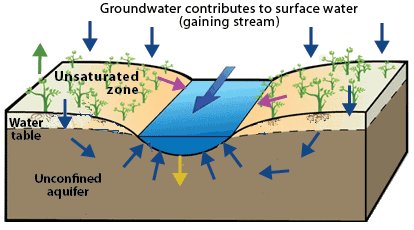
California does not presently consider groundwater recharge a beneficial use of water however, it is a vital part of surface flow, sometimes making up most of the discharge for a river. Is storing (later use) or recharging waterways better? #AquaEco2018 https://t.co/dBgrPzu4ZJ
#microbial activity is increasing worldwide with warming temperatures melting permafrost. Who knew their respiration could crack a frozen lake. Curious if methane emissions from arctic rivers has also increased due to warming increasing microbial activity #aquaEco2018
Methane erupting from an arctic lake is concerning scientists. Methane builds up when frozen lakes thaw allowing microbial activity to ensue. The concern is if other lakes begin to emit the same volume, then warming would occur more rapidly #aquaeco2018 https://t.co/d10dTS5aPr
#daylighting is a neat attempt to bring urban rivers back to a more natural state by making aboveground channels for them. Denver is in the process of daylighting https://t.co/AIWB60VdAc but many cities already have completed ones like the Cheonggyecheon in Seoul! #AquaEco2018