New NASA‑funded research finds that over the past decade U.S. wildfires have boosted ground‑level ozone far beyond fire zones, creating unhealthy air weeks after a blaze. The study quantifies this hidden ozone toll and links smoke transport to widespread O₃ spikes.
https://t.co/2zSxBVmK16
#WildfireOzone #AirQuality
I understand some in the community have an affinity for specific hardware, but the focus should be on outcomes. With respect to SLS, the desired outcome is launching crewed Orion spacecraft at a reasonable cadence, rebuilding muscle memory, and buying down risk so we can land astronauts on the Moon. This is until such time as there are multiple crewed pathways that allow us to undertake lunar missions with even greater frequency and at lower cost, so that Artemis can live on for decades into the future.
The idea that Artemis II was only held up by the heat shield is not correct. Administrator Bill Nelson stated in December 2024, two years after Artemis I flew, that we would refly the same heat shield design on Artemis II, yet the mission did not fly until April 2026. On a side note, if leadership knew at the time that Artemis II would not launch until April 2026, it probably would have made sense to replace the heat shield altogether.
Even with as clean of a mission as Artemis II, it is hard to imagine waiting until 2028 to fly again and jump right to a lunar landing. SLS and Orion must launch with a reasonable cadence, and we need every opportunity to learn. That is why we added Artemis III, an easy trade against funding programs overbudget and behind schedule, in advance of a landing on Artemis IV.
You cannot point to the ML-2 structure and a single EUS tank and say it was “pretty much done" and you certainly have no specifics as to the suitability of stage adapter. The Government Accountability Office has been clear on the timing and remaining costs for both ML-2 and EUS, based on a history of OIG oversight reports. Simply put, we would be committing billions more to troubled programs when we can work cooperatively with the OEM and its joint venture to leverage an in-production upper stage with decades of flight heritage and get very good at turning ML-1. Of course, we retain the option of working with industry on ML-2, converting it to the SLS standard, or harvesting parts.
I am not here to favor companies or perpetuate underperforming programs. I do not want to throw away billions of taxpayer dollars, and time we do not have, on a flavor of a rocket that is not necessary to return astronauts to the moon. Those billions could go toward more Artemis missions or more science and discovery. Our focus must be on the immensely hard task of sending astronauts to the Moon with frequency and safely so we can land and stay.
Above all else, I care about outcomes, and so does the hardworking team at NASA, focused on delivering for the American people and everyone around the world who eagerly await the headlines we all experienced this past weekend.
Melt. Extract. Breathe. Repeat. 🧑🚀
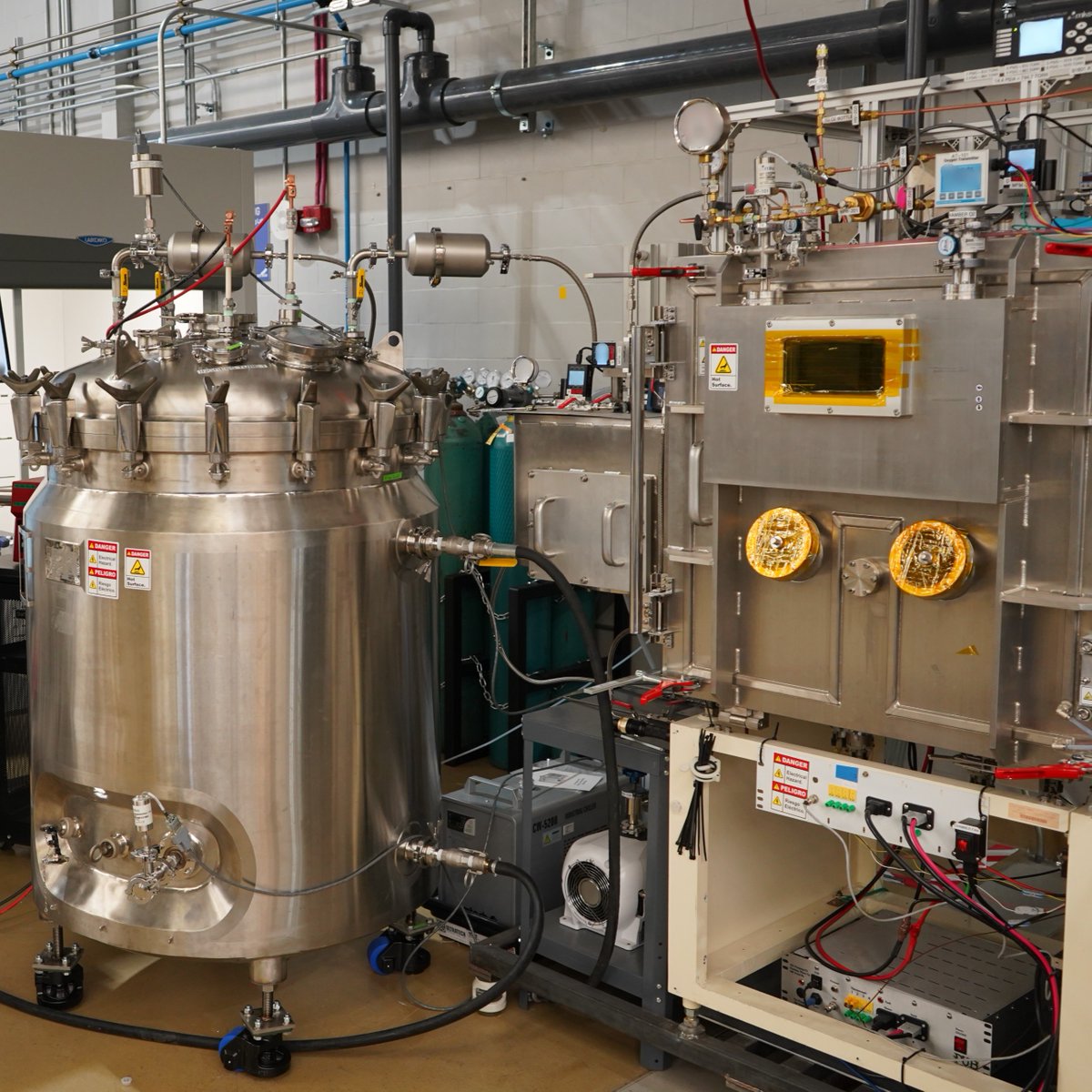
From Moon dust to fresh air, our Air Pioneer technology turns lunar regolith into breathable oxygen, ready for astronauts returning to the Moon. At our Space Resources Center of Excellence in LA, we developed a reactor (left) that melts regolith simulant and passes a current through it to release oxygen and other gases. The gases flow into the purification system (right) and emerge as medical- and propellant-grade oxygen. A flight-qualified Air Pioneer at this same scale could provide the first breath of life for a sustainable Moon base. 🌕
The eclipse from Orion.
On April 6, external cameras attached to the Orion spacecraft's solar array wings captured the Moon backlit by the Sun during a solar eclipse.
I’ve never seen this much progress in robotics
In the lab, we’re watching AI capabilities emerge that we didn’t even know were possible
I’ll show you tomorrow 9am pt
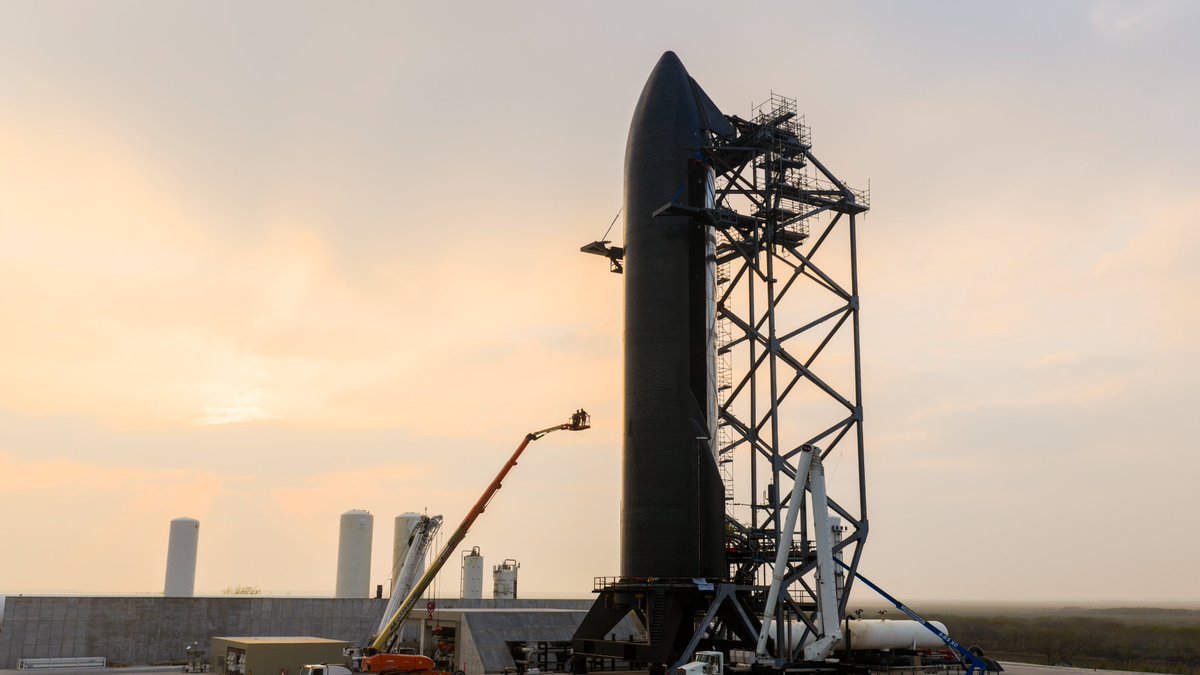
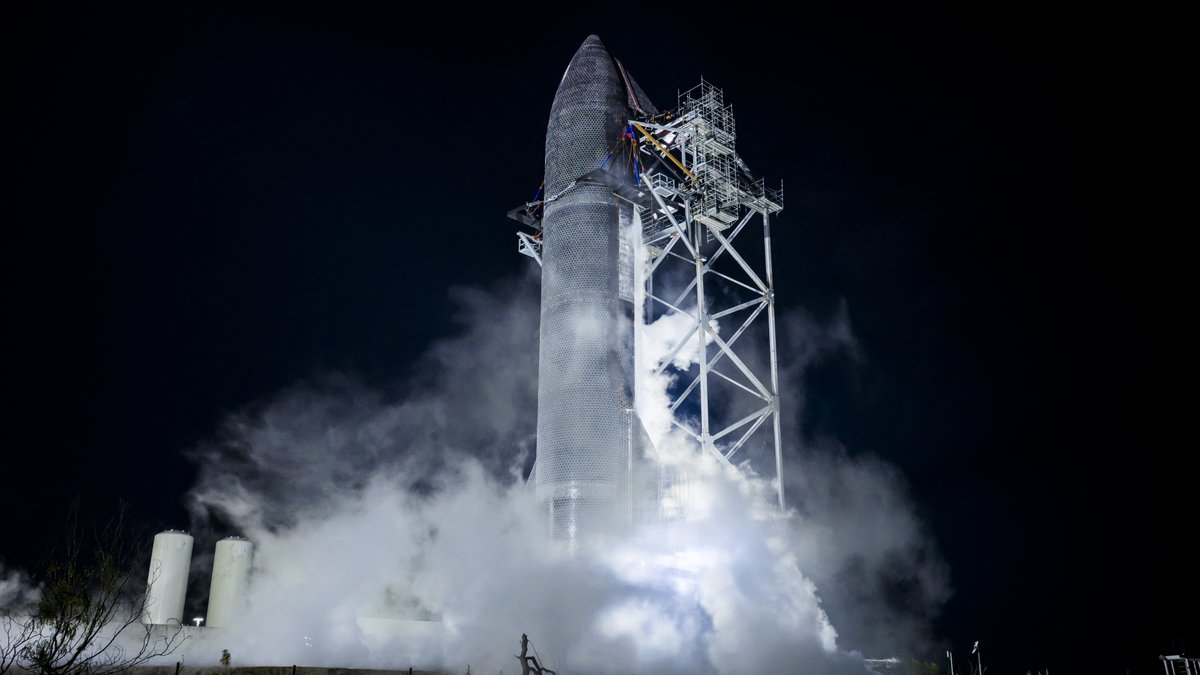
Ship 39 cryoproof operations complete, the first campaign with a next generation Starship V3.
Across several days, engineers tested the vehicle’s redesigned propellant system and its structural strength, including squeeze tests to mimic the forces of future ship catches
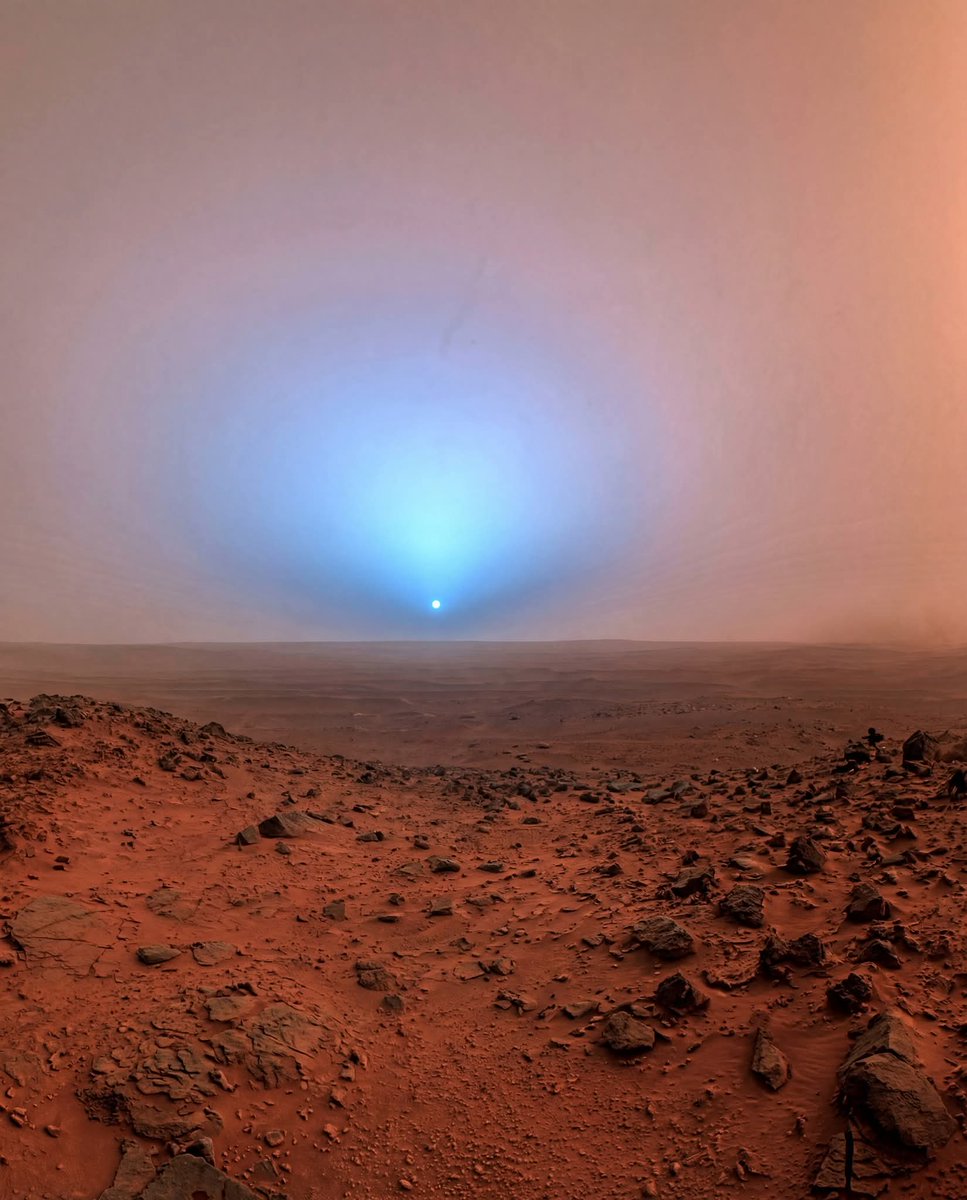
There have been thousands of generations of humans, and you are alive to witness the first photo of a Sunset on another World.
This is a real photo of the sunset on Mars.