We share the persuasive math & science of city-making that supports better decisions for communities & cities. Associated with @TODUrbanWORKS. #citymakingmath
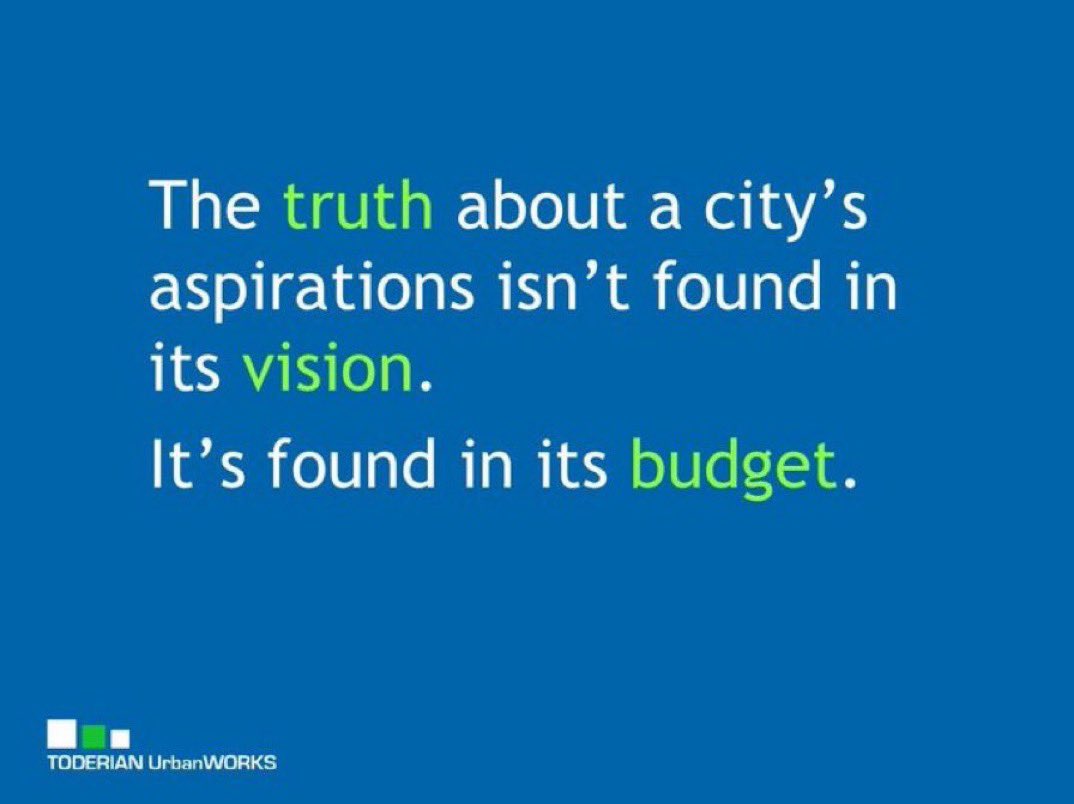
Want better designed cities? Make the #CityMakingMath memorable! This collection by @BrentToderian@TODUrbanWORKS sums up our purpose here on Twitter — read, share, & discuss! https://t.co/3xfB1D4NQC
The #Gastown#WaterStreet pedestrian pilot is up and running. Check out the transformation of the space and share your thoughts on what's working (and areas areas for possible improvement). This is a pilot, so enjoy and evaluate with that in mind!
https://t.co/HL8r3sB1eh
“Instead of fighting a war on cars, urbanists should fight a war on car dependency — on cities that leave residents with few choices other than cars. Alleviating car dependency can improve commutes for everyone, including drivers.”— @BrentToderian@NYTimes
https://t.co/h9fnDPonDl
People who commute by bike have:
- a 52% lower risk of death from heart disease;
- a 46% lower risk of developing heart disease;
- a 40% lower risk of death from cancer
- a 45% lower risk of developing cancer
#CityMakingMath British study in @bmj_latest: https://t.co/MEzXdZcx6X
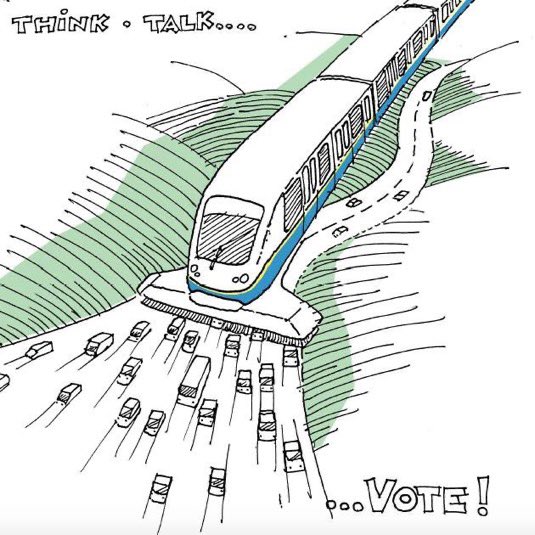
It’s estimated that one Skytrain transit line in #MetroVancouver replaces between 20 & 26 lanes of freeway vehicle traffic. And then consider the amount of PARKING it replaces, how much pollution & GHG emissions it replaces, how much public cost it replaces. #CityMakingMath
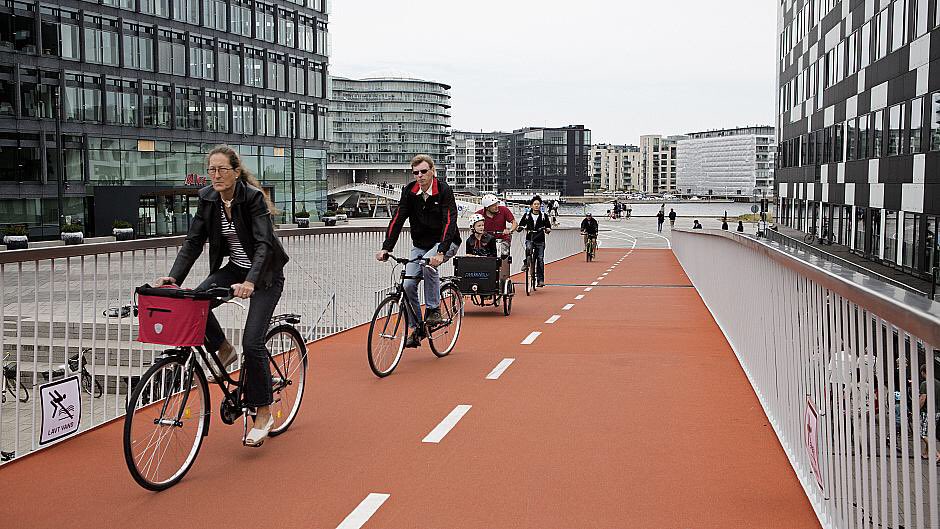
The Dutch invest €595 million annually on urban biking, resulting in €19 BILLION saved in public health care costs alone. That’s how smart govts do the math on investing in better mobility.
Let’s be clear — it wastes public money to NOT do it.
#CityMakingMath HT @modacitylife
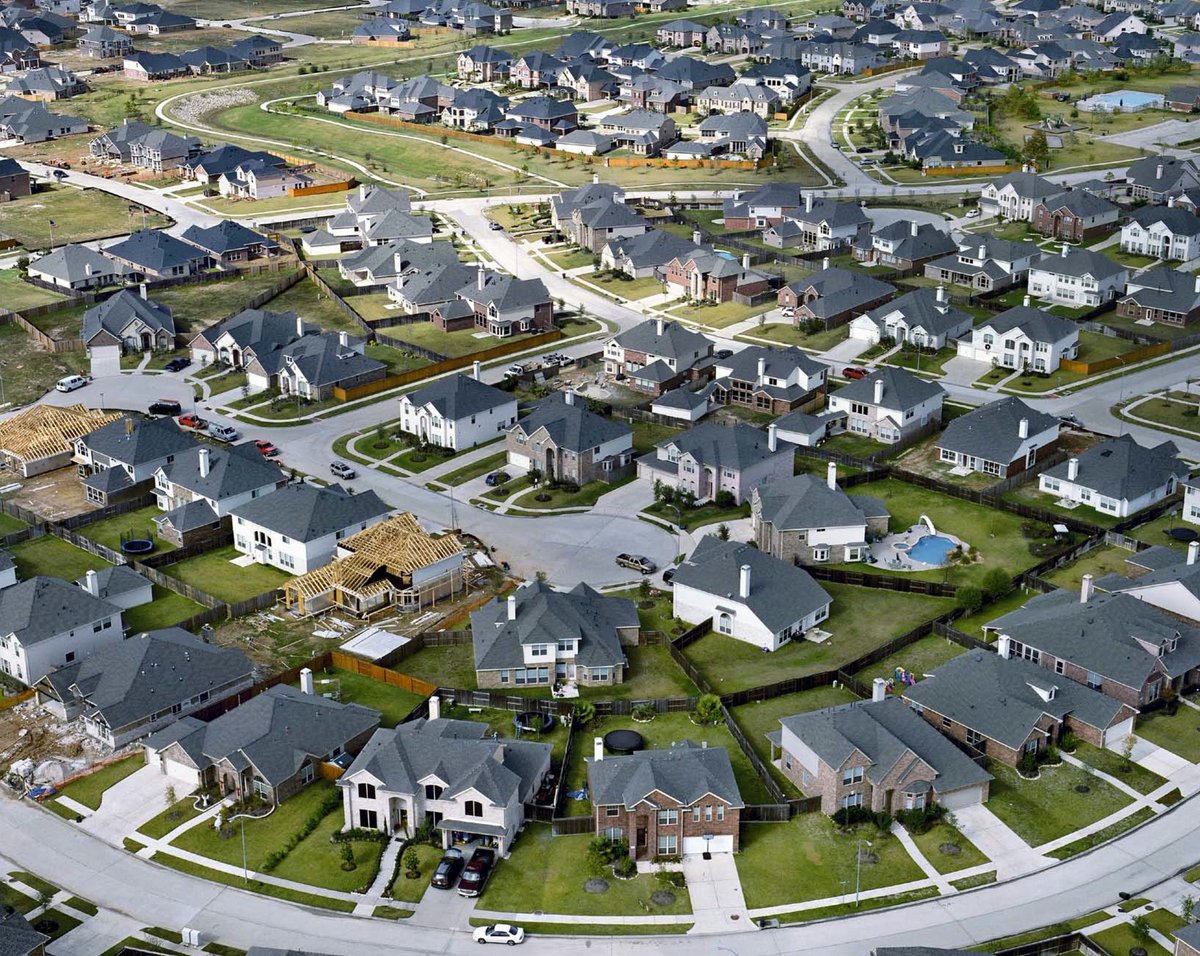
Suburban #Sprawl costs 38% more in upfront public costs & 10% more in ongoing costs than compact development, PLUS has only 1/10th the tax revenue per acre, confirms report summarizing 17 studies. Important #citymakingmath via @CityLab & @SmartGrowthUSA:
https://t.co/5i4H2rw9cg
VOTE: Who are the Most “Influential”Urbanists, Past & Present? @Planetizen is redoing this event with intention to have a more diverse & inclusive result. Vote for those you support among 200 nominated. I’m in there (votes appreciated) among MANY friends! https://t.co/DchUlgMk7Y
The Dutch invest €595 million annually on urban biking, resulting in €19 BILLION saved in public health care costs alone. That’s how smart govts do the math on investing in better mobility.
Let’s be clear — it wastes public money to NOT do it.
#CityMakingMath HT @modacitylife
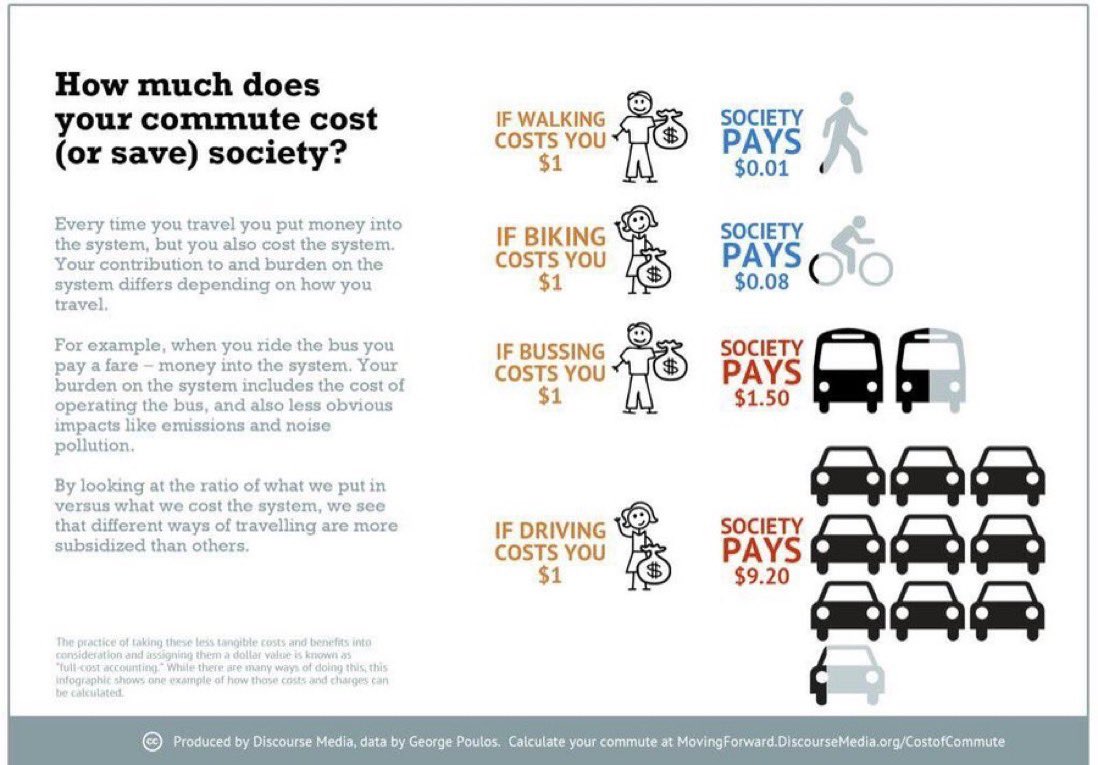
If walking costs you $1, we all pay $0.01. If biking costs you $1, we all pay $0.08. If bussing costs you $1, we all pay $1.50. If driving costs you $1, we all pay $9.20. Via @thediscourse study.
This isn’t just about choice. It’s about who pays for your choice.
#citymakingmath
“Is it any wonder that planning has failed to curb suburban sprawl, when the very kinds of land-use that it is trying to curb are subsidized & offered at discount prices, while the kinds it is trying to encourage are overpriced?” — @PamelaBlais#PerverseSubsidies#CityMakingMath
@BrentToderian Probably not unusual for your followers, but most days I watch people bike down Adanac St in Van and it gives me hope that more small changes (in this case making a slow street) can snowball into more joyous, human scaled neighbourhoods
What’s the full cost of this 5 km #Vancouver commute?
Driving costs society $2.78.
Riding the bus costs society 38¢.
Biking SAVES society 75¢.
Walking SAVES society $1.08.
So who’s REALLY paying their way? #CityMakingMath Via @thediscourse HT @grescoe
https://t.co/zc80sqN6qk
“Someone with a 1-hr car commute needs to earn 40% more to be as happy as someone with a short walk to work. On the other hand, if someone shifts from a long commute to a walk, their happiness increases as much as if they’d fallen in love.” #CityMakingMath https://t.co/GhR8JkkYhX
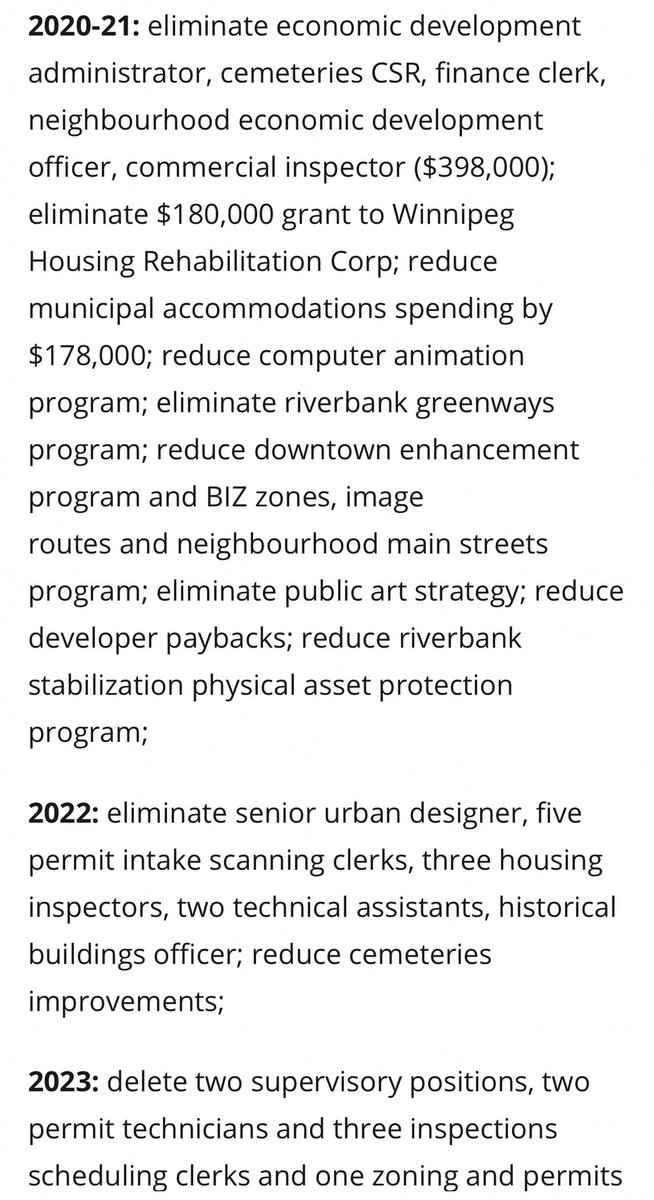
Significant cuts coming to an already stretched city planning and building permits department. This chart compares how much Winnipeg spends on planning compared to other cities. (WINN - the smallest bar) Winnipeg has about 20 planners, Edmonton has 150. https://t.co/qxVdbrTzyO
This is VERY significant — Not just more incentives for choosing bikes for transportation, but the important recognition that bikes are business tools, with corresponding tax rebates. Compare to the perverse driving subsidies & incentives your country likely has. #CityMakingMath
“While Mayor, I was often asked ‘how have you been able to afford this in #Copenhagen?’ I’d reply, ‘how have you been able to NOT afford it? 25 years ago we were a few days away from going bankrupt. So the city invested in the cheapest infrastructure — bycycling.” — @mortenkabell