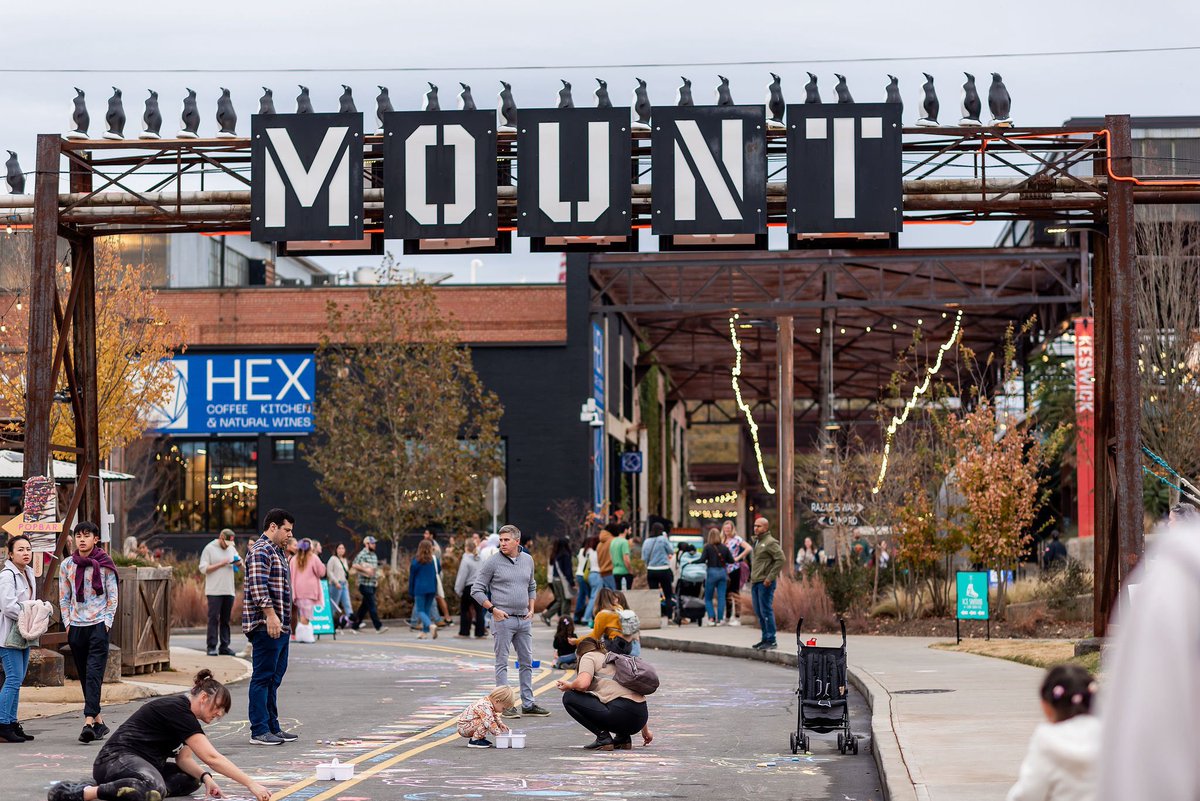
Biotech: Still clustered after all these years – City Observatory https://t.co/ebiQWIKhP6 After 25 years, and billions in largely wasted economic development efforts, biotechnology is still concentrated in just thre metros: San Francisco, Boston and San Diego.
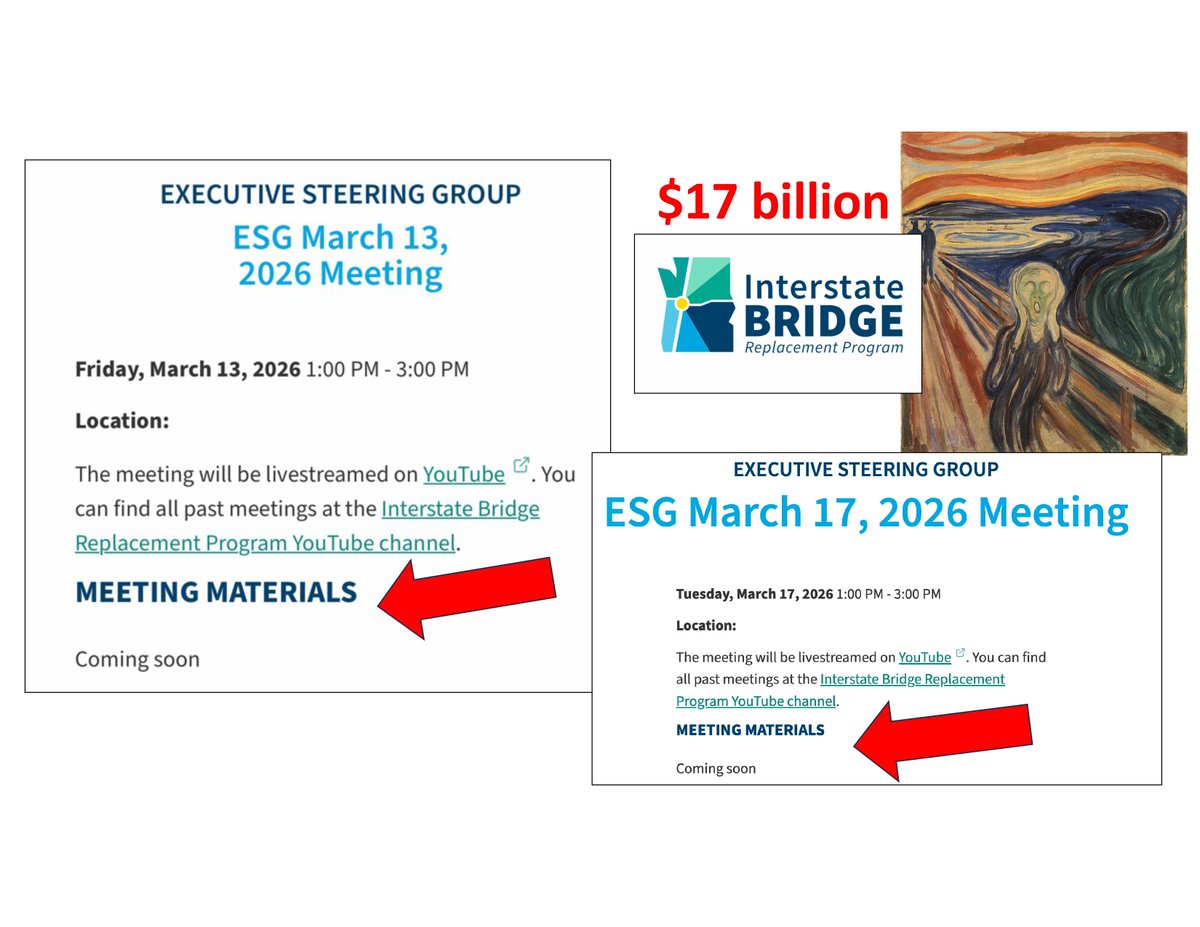
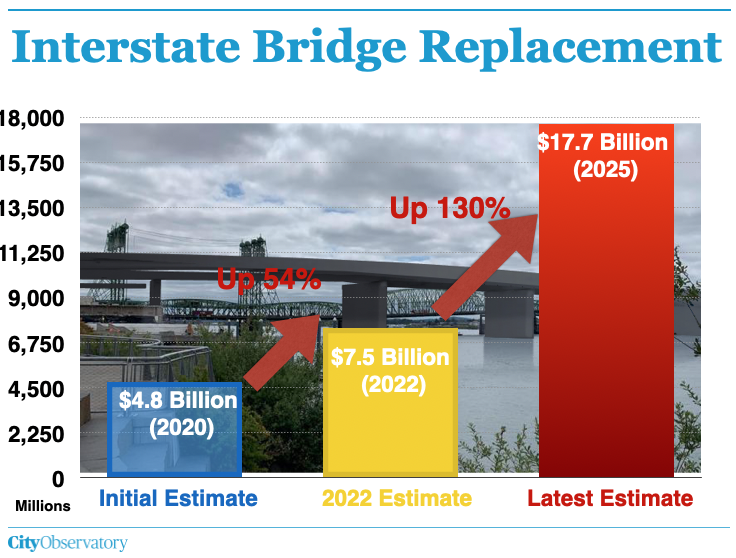
IBR’s $17 billion Estimate Panic
The IBR had no “Meeting Materials” available for tomorrow’s ESG March 13, 2026 Meeting and just canceled the meeting.
No Agenda
No Meeting Presentation
No Public Comments
The IBR has rescheduled a ESG March 17, 2026 Meeting.
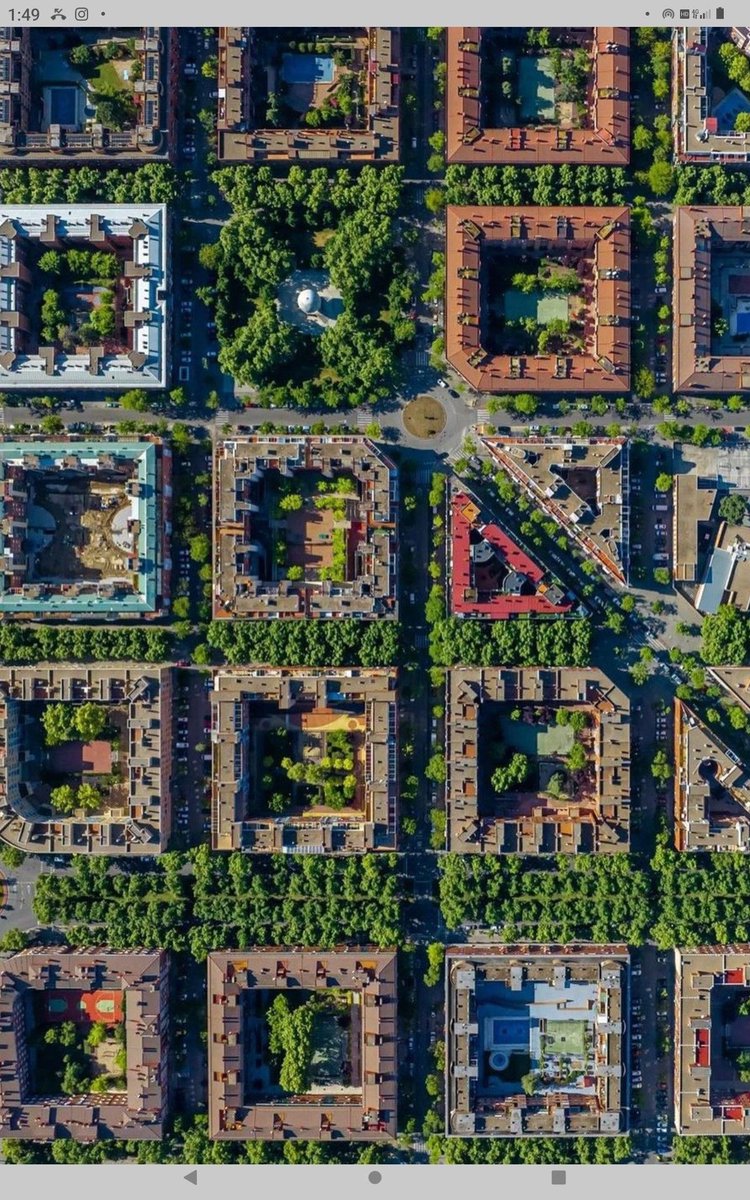
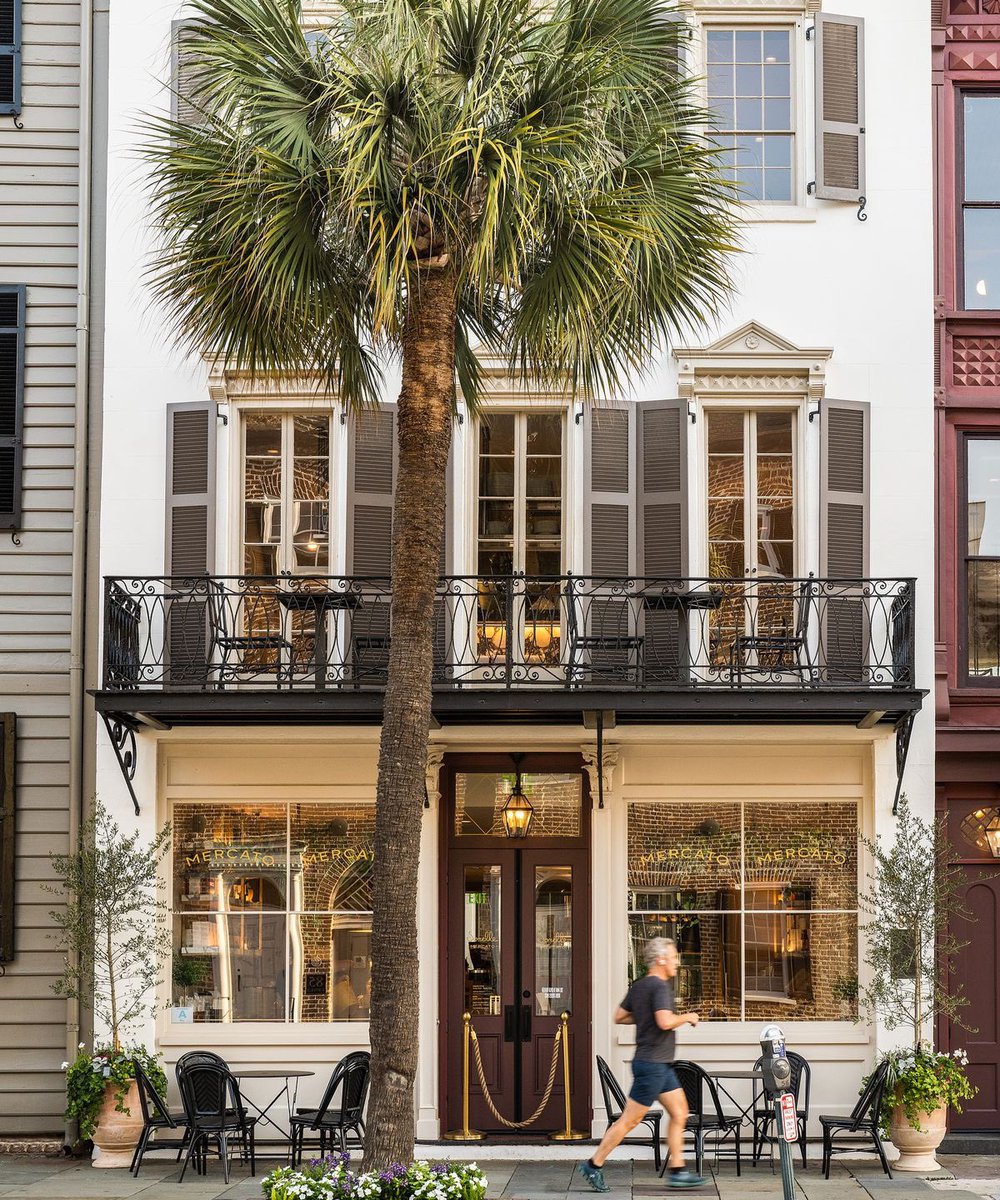
The four ingredients of a great neighborhood
1. Mixed Uses
Mixing homes offices, and retail keeps the neighborhood full of energy throughout the day. Someone always has a reason to be there
2. Short blocks
People are encouraged to explore different routes to and from their destinations. The result is lots of lively streets instead of one main boulevard
3. Different ages of buildings
Older buildings are cheaper, perfect for affordable housing and startup businesses. Newer buildings are more expensive, perfect for luxury homes and established businesses. The magic is in the mix
4. Density
In the end, it’s the people that make a neighborhood vibrant. More people, more fun
(From The Death and Life of Great American Cities by Jane Jacobs)
🚶♂️ The world’s most walkable cities
Average time to reach daily essentials (schools, shops, healthcare):
1.🇮🇹 Milan — 6 min
2.🇩🇰 Copenhagen — 6 min
3.🇮🇹 Turin — 7 min
4.🇮🇪 Dublin — 7 min
5.🇫🇷 Lyon — 7 min
6.🇩🇪 Munich — 7 min
7.🇫🇷 Paris — 8 min
8.🇫🇷 Marseille — 8 min
9.🇮🇹 Genoa — 8 min
10.🇬🇧 Edinburgh — 8 min
11.🇩🇪 Berlin — 8 min
12.🇦🇹 Vienna — 8 min
13.🇷🇺 St. Petersburg — 8 min
14.🇪🇸 Bilbao — 8 min
15.🇫🇷 Bordeaux — 8 min
16.🇧🇾 Minsk — 8 min
17.🇩🇪 Stuttgart — 9 min
18.🇫🇷 Lille — 9 min
19.🇪🇸 Barcelona — 9 min
20.🇳🇴 Oslo — 9 min
📌 45 of the top 50 most walkable cities are in Europe.
The “15-minute city” isn’t a theory — it’s already reality.
Source: The Economist
The Interstate Bridge Replacement project will cost as much as $17.7 billion, more than double the previous max. cost of $7.5 billion, according to documents unearthed by City Observatory. https://t.co/Bdumkk7jrp
Interactive heatmaps that fade away to reveal points on zoom - a useful technique for handling dense spatial data.
Learn how to do it: https://t.co/Ns6jcYSlOx
😵💫I-5 BRIDGE - Interstate Bridge Replacement Project’s (IBR) administrator – who’s just announced his resignation – admitted that IBR is “basically the same” project that failed a decade ago, but in the process, he’s spent $273 million on consultants, with more than 40 percent that money ($116 million) going to his former employer, WSP USA. https://t.co/YFVWfqM3vA
The Interstate Bridge Replacement Project (IBR): 2 years behind schedule, likely increasing in cost to $9-10 billion, at risk of losing $2.1 billion in federal grants & is too low to be approved by the Coast Guard. Plus: its director just resigned. https://t.co/C57qWWMnJ9
Why should New Yorkers on bikes be harassed, ticketed, or given criminal summonses for traveling 16 mph, when the driver of a vehicle that weighs 80x as much doesn't even receive a ticket for traveling 35 mph?
This is a nonsensical, backward policy — not any real solution.
FD culture is “two hundred years of tradition unburdened by progress.” Unfortunately, they are also unburdened by data, evidence and the ability to weigh trade offs. The US has ~5 times the fire fatality rate of peer nations with narrow streets, small fire trucks & single stair.
The ratio of US car crash injuries to fire injuries is 225:1. For deaths, that number is ~11:1. Yet fire departments are often foes of safer streets and require they be optimized for 15-ton trucks at speed. Other nations have small trucks, narrow streets and fewer fire deaths.
This is a great idea for the *entire* building industry. The fact nearly every home, building etc in America is a one-off, bespoke, site specific project that is not allowed to use most of the land it sits on is insane and a policy designed in a lab to make housing expensive.
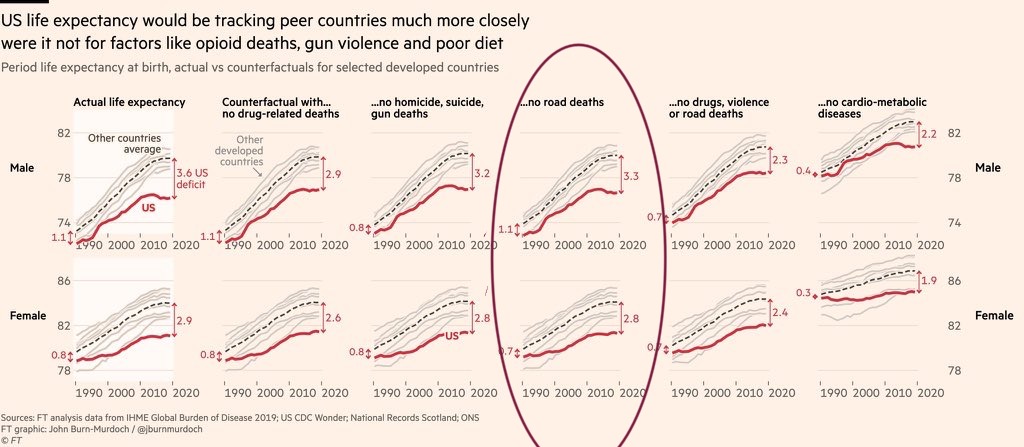
We have granted cars, stronger rights to housing, space, mobility, and safety than we have given to people.
This inversion is at the heart of what is wrong with American transportation which she metes out more injury and death to young people than any other cause. By far.
In the middle of the last century, our own DOTs spent vast sums of money to destroy our cities more completely and permanently than bombing. They demolished communites to install freeways which remain primary sources of immiseration, separation, illness, injury and death today.
The IBR is selling a devastating fantasy!
Hayden Island will be blanketed with ten acres of elevated freeway that will rain down noise and toxic pollution. Darkness, grime, graffiti, and camps for the unfortunate will cover the center of Hayden Island.
🚨 Louisville — this is our moment. 🚨
I-64 has walled us off from the Ohio River for too long. Now, with the Belvedere redesign, we can demand its removal and reclaim our waterfront for parks, housing & people — not cars.
📣 Sept 8–17 | Speak up or the highway stays.
#8664