New research finds that wages are more responsive to changes in unemployment insurance generosity at the bottom of the wage distribution than higher up. See the data: https://t.co/kxXGU9v70I
There have been larger than average @BLS_gov job data revisions in recent years, but Cleveland Fed research says these revisions are not big enough to indicate that something structural about the series has changed. See: https://t.co/i9yccfgTtp
Consumer spending declined slightly in recent weeks, with one national retailer noting that consumers have become “extremely price sensitive. Fourth District contacts reported higher fuel costs and inflation are dampening consumer spending: https://t.co/B33oJkbn0J
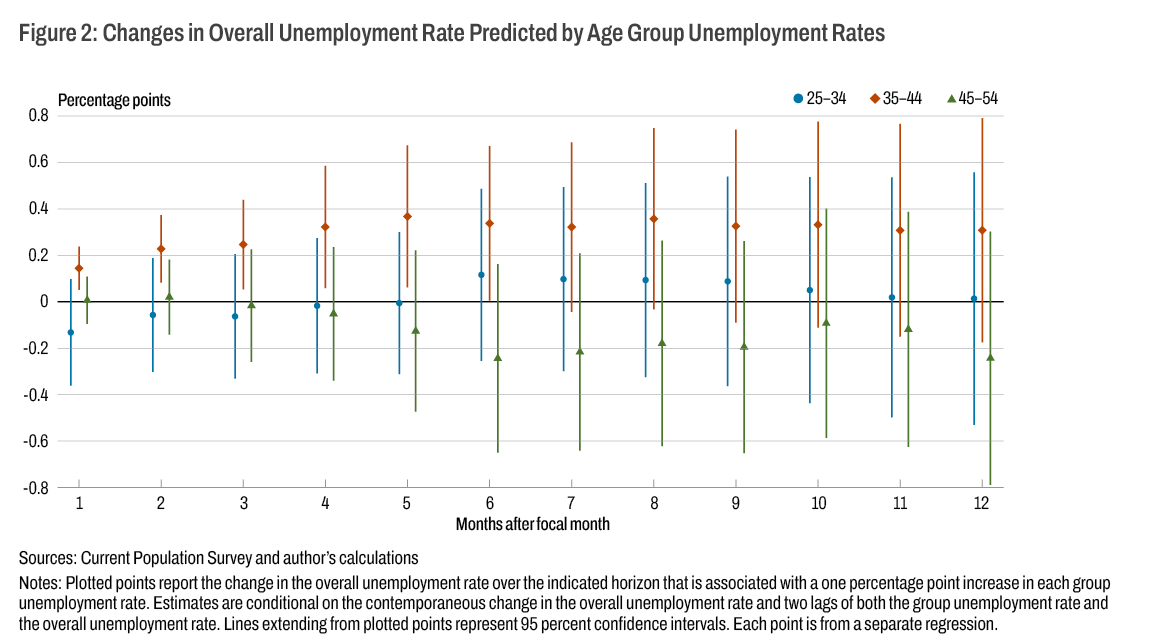
Data suggests that increases in the unemployment rate for workers aged 35-44 predict a higher overall unemployment rate. See the data in our latest Economic Commentary: https://t.co/bkk03O1kcC
Demand for manufactured goods in the Fourth District rose at a robust pace, largely driven by data center development. #BeigeBook https://t.co/B33oJkbn0J
Cleveland Fed researchers discuss the @BLS_gov’s payroll benchmark revisions, the role of these revisions, BLS methodology, and recent time series in a new report. See their findings: https://t.co/i9yccfgTtp
Why does central bank independence matter? An expert panel discussed this question in our recent Conversations on Central Banking webinar. The video and transcript are now available: https://t.co/5h9eXnv7P2
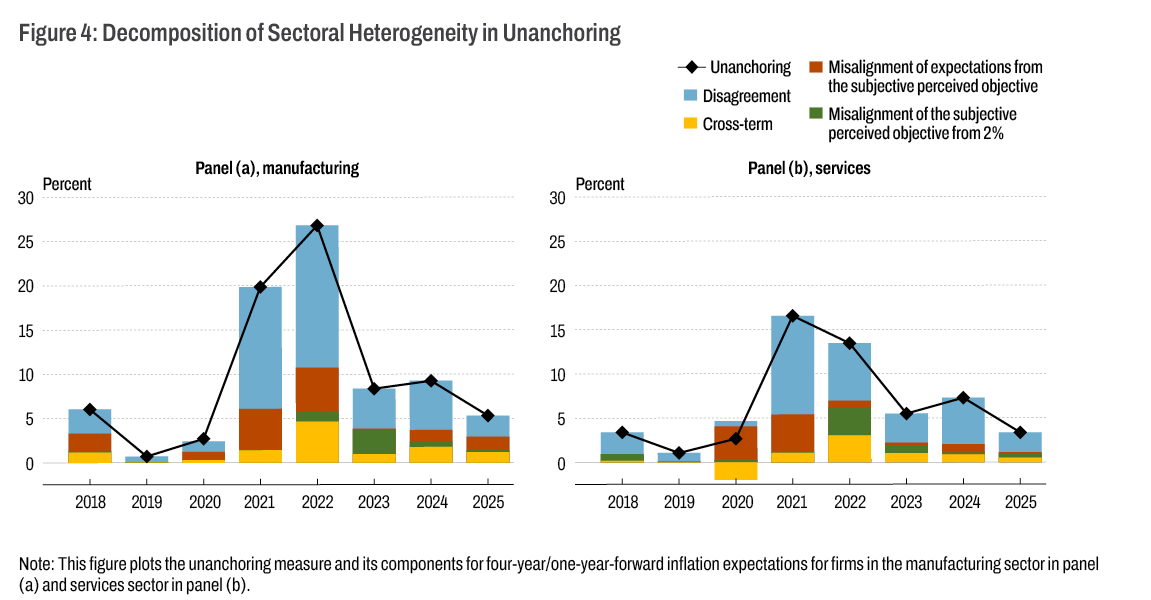
New research says the anchoring of firms’ medium-term inflation expectations weakened significantly during the pandemic inflation surge. See the data: https://t.co/KO46WdwCjl
The @BLS_gov calculates housing inflation using a survey, but 40% of people don’t respond. The missing data is replaced using a class-mean approach based on rent tier, but this could result in bias. See the paper: https://t.co/vrtot1rIlB
Research indicates that recent pay increases for lower-wage workers have not translated to as much real-wage growth as some previous research focused on percentages suggests. A new Research [in] Brief explains the findings: https://t.co/8hPqLyQC5x
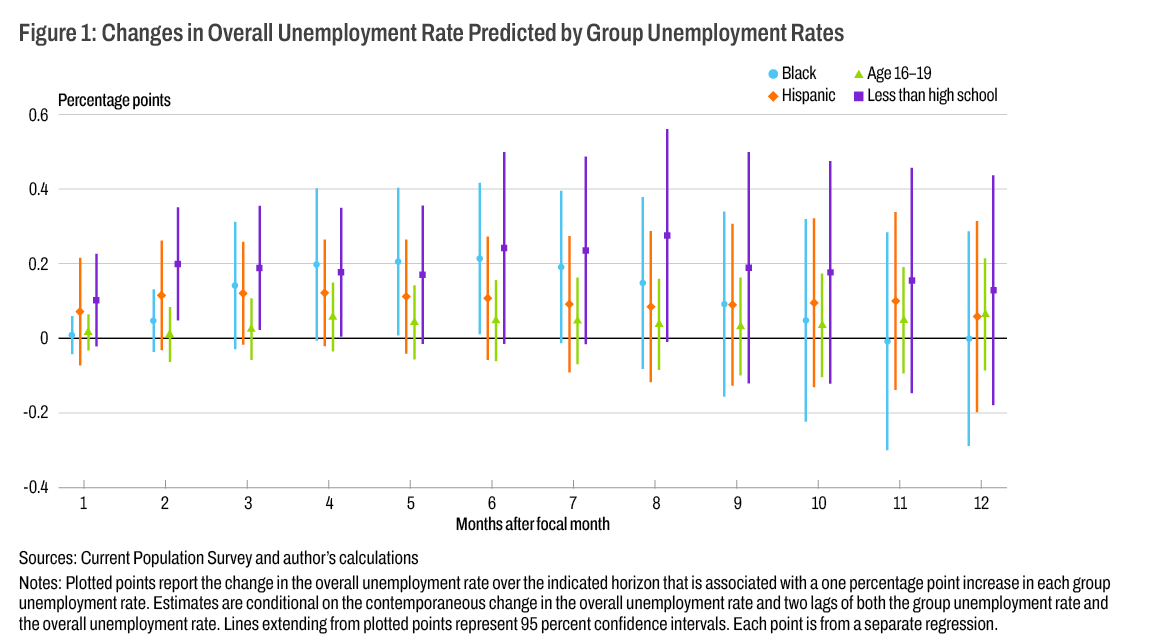
A new report finds that increases in the unemployment rates for Black workers and workers who did not complete high school predict higher overall unemployment. Learn more: https://t.co/bkk03O1kcC
Why does central bank independence matter? An expert panel discussed this question in our recent Conversations on Central Banking webinar. The video and transcript are now available: https://t.co/5h9eXnv7P2
Can unemployment rates for specific groups predict what happens to the overall unemployment rate? Our researcher tested this common theory, here’s what we found: https://t.co/bkk03O1kcC
Our research says lower-wage workers' pay went further before the pandemic. When accounting for rising prices, paychecks grew more from 2015–2019 than they did during or after the pandemic. This Research [in] Brief breaks the data down: https://t.co/8hPqLyQC5x
New research finds that wages are more responsive to changes in unemployment insurance generosity at the bottom of the wage distribution than higher up. See the data: https://t.co/kxXGU9v70I
A new model introduced in our latest working paper enhances the Phillips curve’s ability to describe inflation dynamics while diminishing the role of price markup shocks. See the data: https://t.co/l5frKfzHCb
New research finds that the anchoring of medium-term inflation expectations during the pandemic inflation surge weakened more for firms in the manufacturing sector, consistent with the sharp rise in goods-price inflation in 2021. https://t.co/KO46WdwCjl
Why does central bank independence matter? An expert panel discussed this question in our recent Conversations on Central Banking webinar. The video and transcript are now available: https://t.co/5h9eXnv7P2










![ClevFedResearch's tweet photo. Research indicates that recent pay increases for lower-wage workers have not translated to as much real-wage growth as some previous research focused on percentages suggests. A new Research [in] Brief explains the findings: https://t.co/8hPqLyQC5x https://t.co/F8bxWQYYCP](https://pbs.twimg.com/media/HJ1Eu17WMAACs8O.jpg)

![ClevFedResearch's tweet photo. Our research says lower-wage workers' pay went further before the pandemic. When accounting for rising prices, paychecks grew more from 2015–2019 than they did during or after the pandemic. This Research [in] Brief breaks the data down: https://t.co/8hPqLyQC5x https://t.co/jSCxTDAk9T](https://pbs.twimg.com/media/HJe_YrEXYAYQ0H6.jpg)