Major updates today for people using the Su Squares website.
We now support hardware wallets and all kinds of other new hardware and software wallets.
Deployed now. Affects existing and new customers. Also affects our secret "tools" pages.
Enjoy!
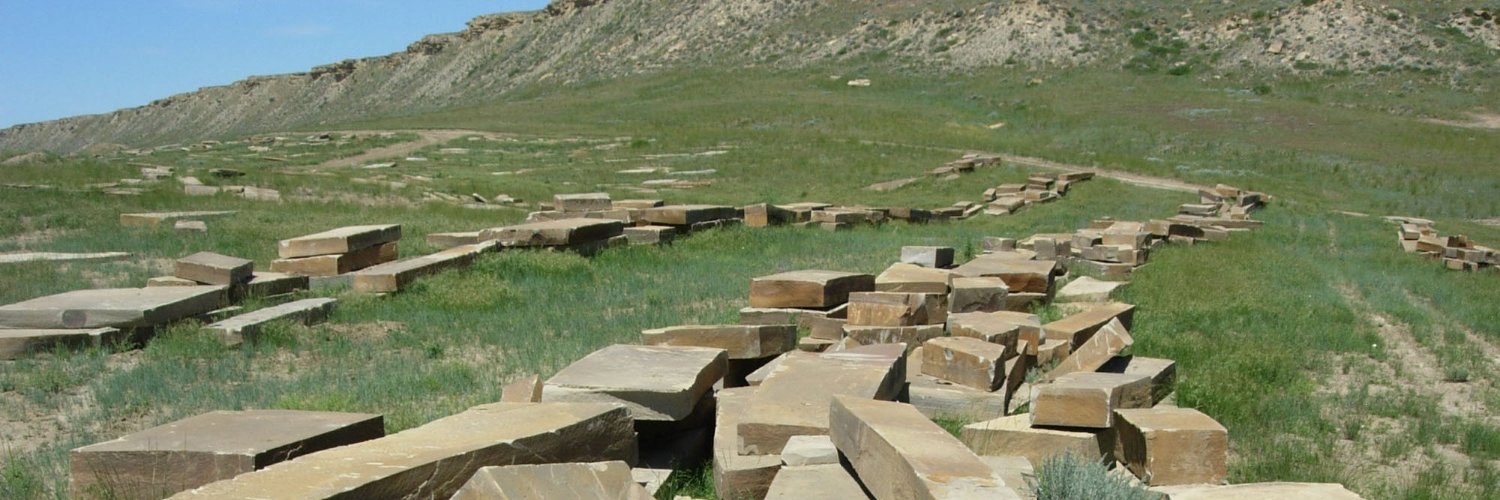
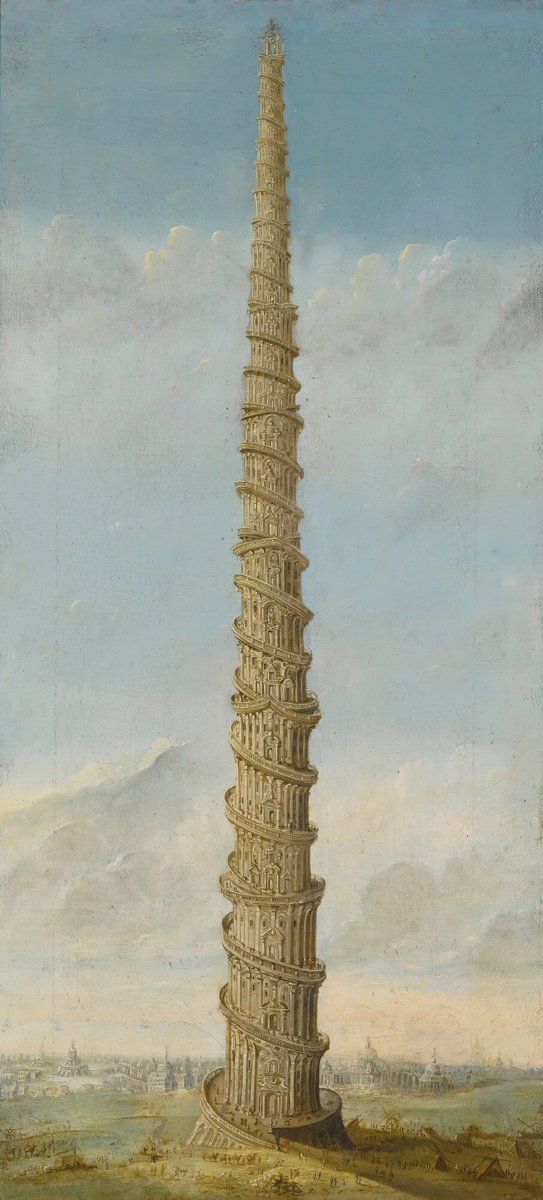
An illiterate quarry worker in 10,000 BC was able to afford this house and a car with a stay at home wife and a daughter.
This is what was taken from you.
amazon.eth: The One-Million-Dollar Name That Almost Rewrote Web3 History
Most people think ENS names are just prettier wallet addresses.
Until amazon.eth appeared in an auction.
This wasn’t a random English word.
It was the name of a global empire — a term that makes lawyers nervous, brands alert, and investors lean forward.
The auction started quietly.
The price didn’t.
$10,000.
$50,000.
$100,000.
At that point, it was obvious this wasn’t a casual bid war.
This was a battle over identity, brand, and sovereignty.
When the number crossed $1,000,000, spectators finally asked the right question:
“Wait… this is just an .eth name?”
Yes.
No cash flow.
No dividends.
Not even officially adopted by the brand itself.
But it represented something far bigger than a domain.
It raised a question no one could ignore:
If Web3 is the next internet,
shouldn’t Web3’s “Amazon” exist first?
Some believed it was a speculator gambling on brand gravity.
Others thought it was quiet brand defense.
A few suspected it was someone betting on a simple idea:
Names come before empires.
The auction never became a mainstream headline.
But the number — one million dollars — burned itself into ENS history.
Because for the first time, the market understood something fundamental:
ENS isn’t a naming system.
It’s a claim on the future layer of the internet.
In the .com era, names belonged to corporations.
In the .eth era, names belong first to those bold enough to believe.
amazon.eth didn’t change the world.
But it forced the world to look at ENS seriously — for the first time.
And ever since that moment, everyone has been quietly asking themselves:
“ If amazon.eth was worth a million…
what names are we still sleeping on today ”? 👀
@punk6529 Totally agree that open conversation helps, but I’ve found the reception really varies depending on who you’re talking to. Some circles embrace NFTs instantly, others still resist the whole digital-native shift.
@DagieDee@eli_schein Really well articulated. Maybe the paradox is the point. If digital art really is the movement of our time, then letting it collide with the old guard forces the conversation into the open. Basel isn’t the destination, it’s just where the tension becomes impossible to ignore.
@leyla_solos@ArtBasel@tylerxhobbs@solos_gallery@verse_works The positive reception is amazing to see. Meanwhile a lot of the trad ecosystem is still catching up to the idea that digital practice is a legitimate artistic language, not a novelty.
@LJFriarETH@ensvision@grailsmarket Everybody wants to blame "speculators", but speculation is what built the ENS market in the first place. The real mistake was abandoning the culture that made ENS desirable. Without story + identity + status, any asset collapses.
@ACthecollector Crazy part is realizing that the crowd was the exhibition. Digital art didn’t just show up at Basel, but our whole culture did. And people finally felt it.