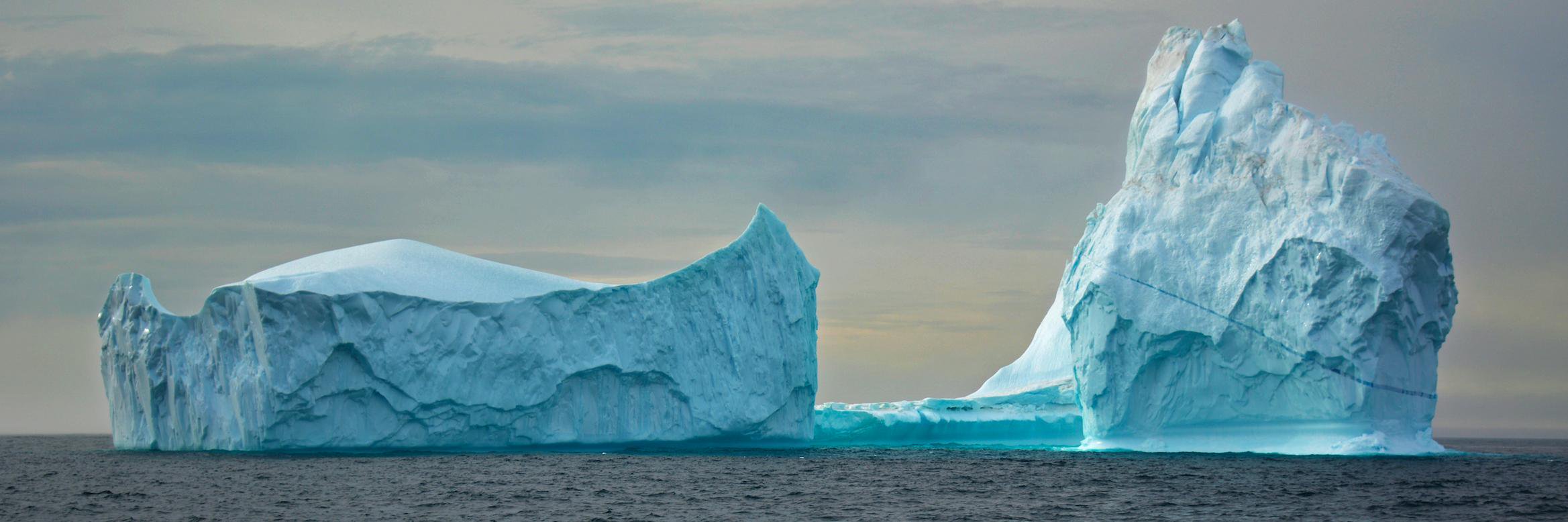
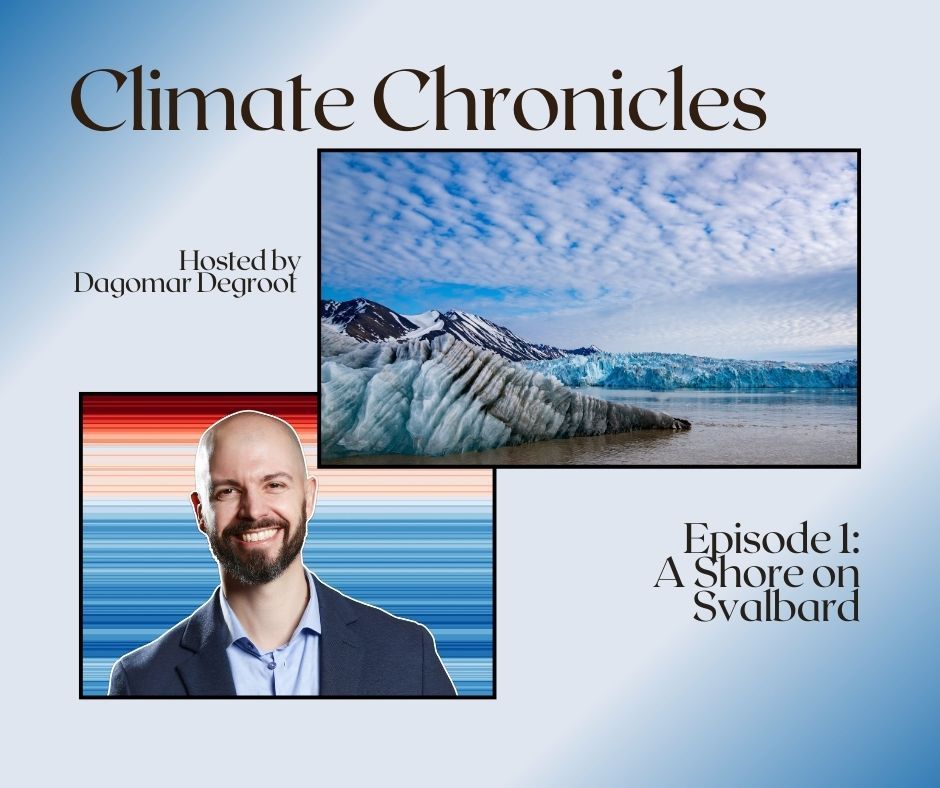
What are the archives of nature? How do they help us identify, or "reconstruct," the history of environmental change? Dagomar Degroot explains in this short video, part of a series that introduces his new book, "Ripples on the Cosmic Ocean." #ClimateChange https://t.co/i7eX2G2y41
I was shocked when I first saw these results from standard climate models used in IPCC reports:
for high emissions, the Atlantic overturning circulation #AMOC shuts down in all 9 models that ran
past 2100, and is well on the way to shutdown by 2100.
Our paper is out today. 🧵
PODCAST: https://t.co/TXMAIVY5Nj
How has climate change influenced humanity’s past? What can history tell us about the future?
Find out in The Climate Chronicles, a podcast written, produced, and narrated by Professor Dagomar Degroot of @Georgetown University.
In the second episode of the first season, “Becoming Human,” Professor Degroot explains the dramatic cooling of our planet that began about 45 million years ago and how life adapted, including humanity’s distant ancestors.
PODCAST: https://t.co/p1U1sqaojv
How has climate change influenced humanity’s past? What can history tell us about the future?
Find out in The Climate Chronicles, a podcast written, produced, and narrated by Professor Dagomar Degroot of @Georgetown University.
The second episode of The Climate Chronicles is also the first episode of the podcast’s first season, “Becoming Human.” In this episode, Professor Degroot explores the far-fetched possibility that humanity might not be the first intelligent species to overheat the Earth. He explains how scientists piece together the deep history of climate change on Earth.
PODCAST: https://t.co/ZNPUo8ypDa
How has climate change influenced humanity’s past? What can history tell us about the future?
Find out in The Climate Chronicles, a podcast written, produced, and narrated by Professor Dagomar Degroot of @Georgetown University.
In the introductory episode of The Climate Chronicles, Professor Degroot uses one of the great adventure stories of the seventeenth century – the tale of fourteen men deserted on two Arctic islands – to introduce the history of climate change.
Please follow The Climate Chronicles wherever you get your podcasts, or visit https://t.co/6u1x9gFYqk. And please share the word – we hope to reach as many people as possible! #EnvHist (5/5)
Degroot has published the introductory episode, as well as the first episode of the first season, “Becoming Human.” For the next month, he'll publish an episode every week until the first season reaches its conclusion. (4/5)
CFP: Climate and Migration: Historical and Present Perspectives Brno, Czech Republic: 3.–4. June 2024
Call for abstracts: 18 February 2024
Acceptance decision: 15 March 2024
See this link for more details:
https://t.co/8ESaEfkk6u
Today on our site we have "Furs, Sleighs, Iceboats, Empires: Settler Adaptation to Climate Change around Lake Ontario during the Little Ice Age" by @danny__mac__
https://t.co/GTLgUjabxV
#envhist#climhist#cdnhist
Well done to @meteofrance for *finally* making their historical weather station data free and open access - all the way back to the 1770s:
https://t.co/yduX9wEsr7
This call for papers (deadline 31 October 2023) may be of interest to some of you: the International conference "Nordic Climate History. Learning from the Past" takes place in Oslo, Norway, 23–24 May 2024. https://t.co/9JoFzhvzI7 #climhist#envhist
Now @NASA use the climate spiral to communicate how unusual global temperatures were in July 2023.
I made the original version in 2016 which was featured in the opening ceremony of the Rio Olympics.
"I have long felt that the discourse pertaining to climate change and the Anthropocene more generally has almost completely bracketed off the rural." - @PamelaBanting
https://t.co/icTcxAyvor
#envhist#anthropocene#climatechange#rural
#cdnhist#twitterstorians#HistoryMatters
Call for papers
2024 CHA ANNUAL MEETING – MCGILL UNIVERSITY
17-19 June
The Climate of History
https://t.co/xwnrlEyVOd
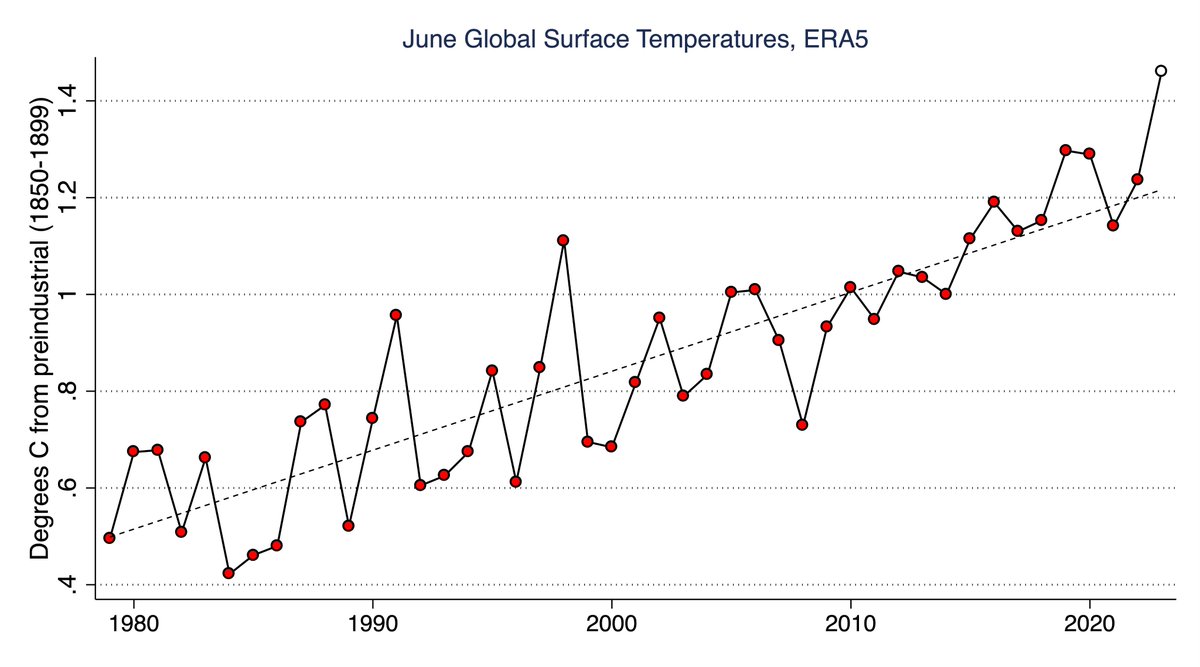
BREAKING: June 2023 has blown away all prior records for the month of June, coming in at a staggering 0.16C above the prior record set in 2019.
It was around 1.46C above the typical temperatures we saw in June in the preindustrial era (1850-1899).
I can only echo! 😉 come and work with the wonderful Sasha Gora around global #envhist and #envhum themes of food & climate change in the context of our IDK @UmWeltDenken