Our Yale Climate Connections radio story with Kari Nadeau begins airing today, November 8, and you can listen to it here at our website: https://t.co/l9EethQx2x
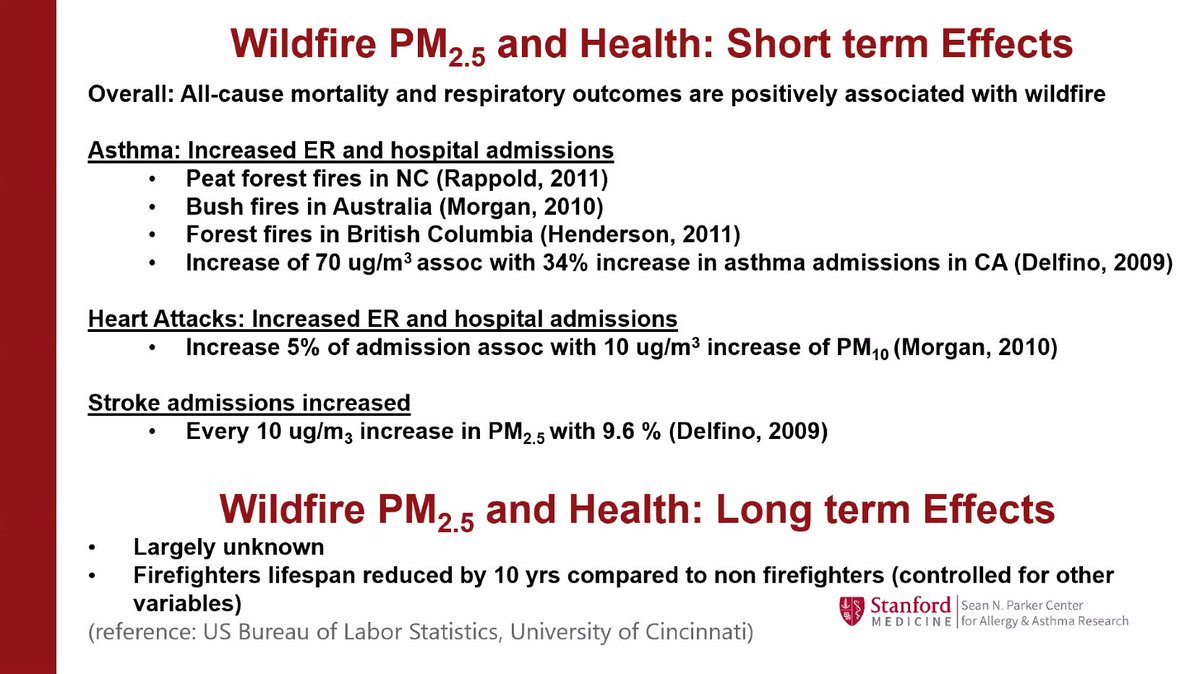
Today the @LungAssociation announced a report looking at the research on the air quality & health impacts of #wildfire and prescribed burning https://t.co/5Jm0kvbmrP. More and more people are exposed to #wildfire smoke, and that has serious health implications.
Traffic impacts metabolic risk for the underserved. We need bold solutions that cut emissions fast & create millions of good green jobs to make life better for working families. Join the #OurClimateMoment Twitterstorm 9/12 at 7pm ET/4pm PT. #ActOnClimate https://t.co/AHOcSzhUuT
The amount of streets within 500 m (and other land-use variables) were associated with increases in BMI, large waist, altered lipids, and glucose in a border community. https://t.co/egVsIjiGe7
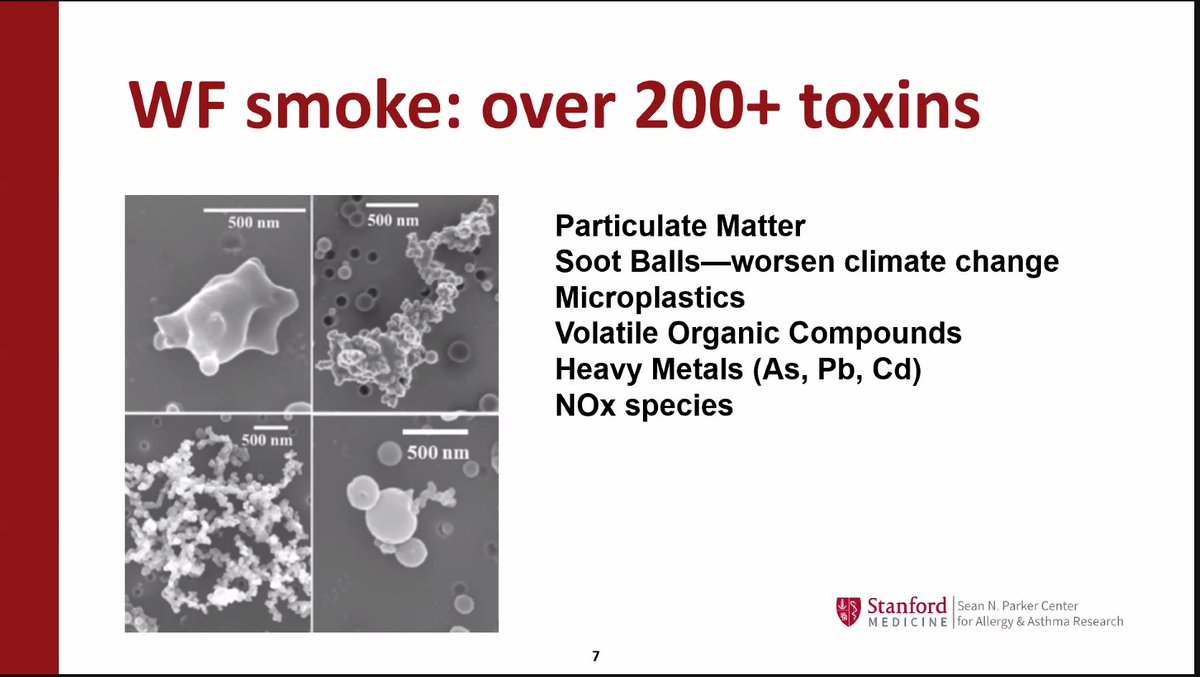
On today's new ep. we talk wildfire smoke, because it's suddenly everywhere. What’s in it, what does it do to our bodies, & how can you protect yourself? Listen & share this essential & timely convo w/ Dr. Mary Prunicki of @stanfordmed! #wildfire#smoke https://t.co/UvQOVVfkXG
Wildfire season is making an early arrival this year in California, with high winds and dry conditions already prompting red flag alerts and several wildland blazes in the Bay Area. #ClimateCrisis#wildfires#AirPollution
https://t.co/F3A7hD9Aia
Battling bad air
Researchers study the effects of air pollution and wildfire smoke in communities of color.
Why it matters: A clearer understanding of the effects of air pollution and wildfire smoke can inform projects and policies to mitigate harm.
https://t.co/7r3ZgetsmO
How can public records be used to study wildfires? Today, May 24 at 12:30 p.m. PST, join our own Iris Hui as she explores this topic for the Stanford Woods Institute for the Environment's seminar series, "Data-Driven Wildland Fire Research": https://t.co/VtJrJkVmsN
When fuel moisture is high because plants are lush and water-filled, wildfires don't ignite and spread easily.
When it's low because vegetation is dry, parched, even dead, wildfires start easily and spread rapidly.
https://t.co/TTjqX4HkkS
Nadeau: There are short and long-term health consequences from smoke exposure. You have particulate matter and larger particulates that get down into the trachea. Smaller organic compound are the troublemakers that can get in and get picked up by your circulatory system.
Wildfire smoke was associated with a far greater number of pediatric respiratory care visits than other sources of airborne fine particles, according to a new study, even when wildfires were less severe. https://t.co/xNWQb5DkDE
Rising global temperatures are lengthening the period when pollen is released by plants, trees and grasses, according to a study published in Proceedings of the National Academy of Sciences. #climatehealth https://t.co/DcvPOAPskm
From our director "Even brief air pollution exposure can actually change the regulation and expression of children’s genes and perhaps alter blood pressure, potentially laying the foundation for increased risk of disease later in life.” #ClimateCrisis#ClimateAction#Immunology
We found that the immune system showed signs of being dysregulated, with different balances of immune cells than we typically would see in a healthy individual.
ICYMI: Reporter @DanielleVenton and @Stanford expert Dr. Mary Prunicki discuss how wildfire smoke or air pollution can harm children’s immune and cardiovascular systems: https://t.co/QSGIZC4tg4