C.W.A🌍🇰🇪
360° Climate Watch Africa Network.
Join us in creating an Awareness for the ongoing #ClimateCrisis#Climate
Can't you Hear the Planet Screaming?💔
Excited for #UNEA6 in Nairobi! Theme: effective, inclusive, sustainable actions for climate change, biodiversity loss, pollution. As a mangrove restoration advocate, I'll spotlight their vital role in addressing the triple planetary crisis. #ClimateAction#Biodiversity 🌱
UPDATE: This is HUGE. 100K people have shut down and completely taken over the streets of New York to tell @POTUS to #EndFossilFuels.
We’re in code red for humanity. There is no time to wait. Biden, which side are you on?
#EndFossilFuels#ClimateEmergency
How are gases in the atmosphere analyzed and measured?
By shining different kinds of light and radiation through air samples, scientists can tell which gases are absorbing or reacting to that light, and in what amounts.
https://t.co/e4AZgYqBwX
There has never been flooding on this level globally in modern civilization. The deluge is relentless and moves from one area to another constantly. When so much energy is put into the system - the system spits it back out with devastating consequences.
🌍Being a climate activist in Africa🌍 has been an emotional rollercoaster for me, a journey I began in 2019 with optimism, only to discover the depths of dedication and the harsh realities that come with it.
I initially underestimated the enormous commitment required for this role.
The beauty of activism is its ability to awaken the world to our planet's precarious state and ignite the flames of change for the sake of future generations. It's the hope that keeps me going, knowing that my actions may secure a better tomorrow.
But allow me to tell you a painful truth. This path has its share of dark and tormenting shadows. There are three specific instances that have left indelible scars.
To begin with, being labeled a Western puppet is depressing. People frequently criticize and abuse me, claiming that we are advancing a Western agenda. Despite overwhelming evidence of climate change, many continue to deny its existence.
As a result, every time I speak out, they accuse me of being paid to do so. This was one of the most difficult challenges I faced because I usually used my own money to purchase the internet so that I could stay connected and conduct research.
Since I began activism, I have never had any organization provide me with weekly, monthly, or annual internet stipends, and I am not alone.
Many activists in the global south, particularly Africa, lack the necessary funds to access the internet on a daily basis, which is critical for online activism, but they make do with what little they earn through hustle.
Second, despite working tirelessly to ensure that my voice is heard, I frequently receive insufficient funding for my projects. Most of the time, I fund myself or put my projects on hold until I save enough money from my job or a donation to proceed, which is insufficient.
It would have been easier if our efforts were compensated, but many organizations, no matter how wealthy they are, do not offer speaker fees when they invite you to speak.
They say we want to amplify your voice, BT we do not have speaker fees, They surprise you by paying for your fancy hotel accommodations and VIP flight ticket. If you insist on charging speaker fees, they will not invite you the next time.
This lack of financial support can lead to burnout because we would prefer to take more grassroots actions rather than social media activism; this can leave me questioning the effectiveness of my work.
Finally, we are frequently subjected to racism and hatred. I recall receiving a racist remark from two people who criticized me for discussing the Ukrainian War, stating..You black ass focus on what is going on in your country; you have a lot of issues.
It is perplexing that those in the West can speak out about issues in the South while those in the South are denied the same opportunity. Some even refer to me as a gay activist.
#ClimateActionNow #11Septiembre #bbtvi #inspiration #activism
Thank you for having me on the #AFIAPodcast! Looking forward to discuss how @smachs_org , is working tirelessly to empower Kenyan youth in the fight against hunger and climate change.
Let’s make a positive impact together. 🌍🌟 #Youth2Farm
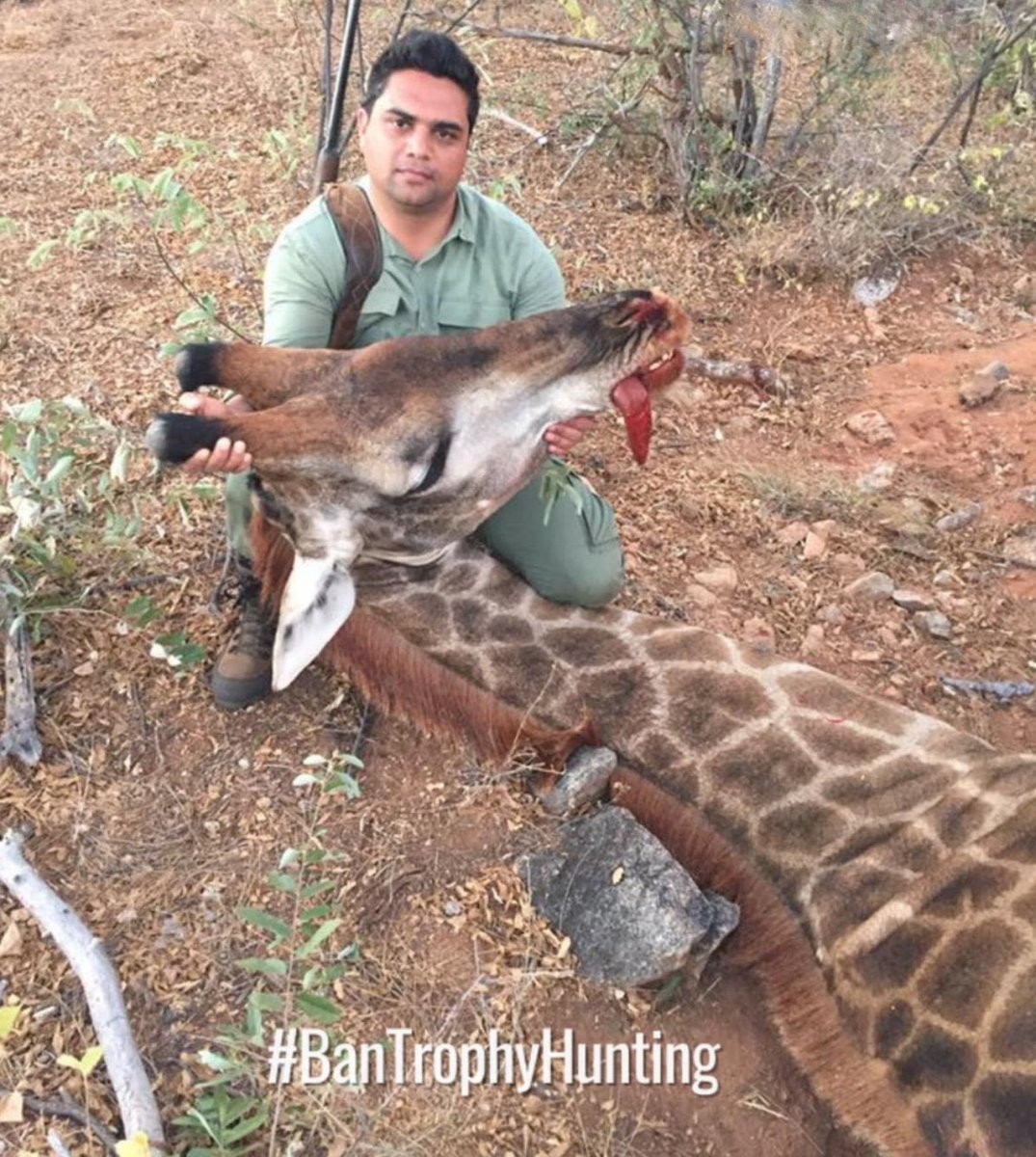
Trophy hunting, the practice of killing animals for the sole purpose of obtaining their body parts as trophies, has long been a subject of intense debate and controversy. While proponents argue that trophy hunting generates revenue for conservation efforts and local communities, the detrimental effects it has on wildlife populations and ecosystems cannot be ignored. Therefore, there is a compelling case to ban trophy hunting altogether.
One of the primary concerns surrounding trophy hunting is its impact on endangered species. Many animals targeted for trophy hunting, such as elephants, lions, and rhinos, are already facing alarming declines in their populations. Trophy hunting exacerbates this decline by removing the strongest and healthiest individuals, disrupting social structures and genetic diversity, and further jeopardizing the survival of these species.
Moreover, the economic argument in favor of trophy hunting is flawed. Proponents often claim that the revenue generated from trophy hunting supports conservation efforts and local communities. However, studies have shown that only a fraction of the revenue actually reaches these entities, with the majority being retained by hunting outfitters and government agencies. Sustainable alternatives, such as wildlife tourism and photographic safaris, have proven to be more effective in generating revenue while preserving the well-being of wildlife.
Banning trophy hunting would also send a powerful message against the commodification of wildlife. It is ethically questionable to kill animals for mere entertainment and vanity, disregarding their intrinsic value and ecological role. By prohibiting trophy hunting, societies can promote a more compassionate and responsible approach to wildlife conservation, focusing on habitat preservation, anti-poaching efforts, and community-based conservation initiatives.
In conclusion, banning trophy hunting is a necessary step towards safeguarding endangered species, protecting ecosystems, and promoting ethical practices in wildlife conservation. It is imperative that we prioritize the long-term survival and well-being of our planet's biodiversity over short-term gains and personal gratification.
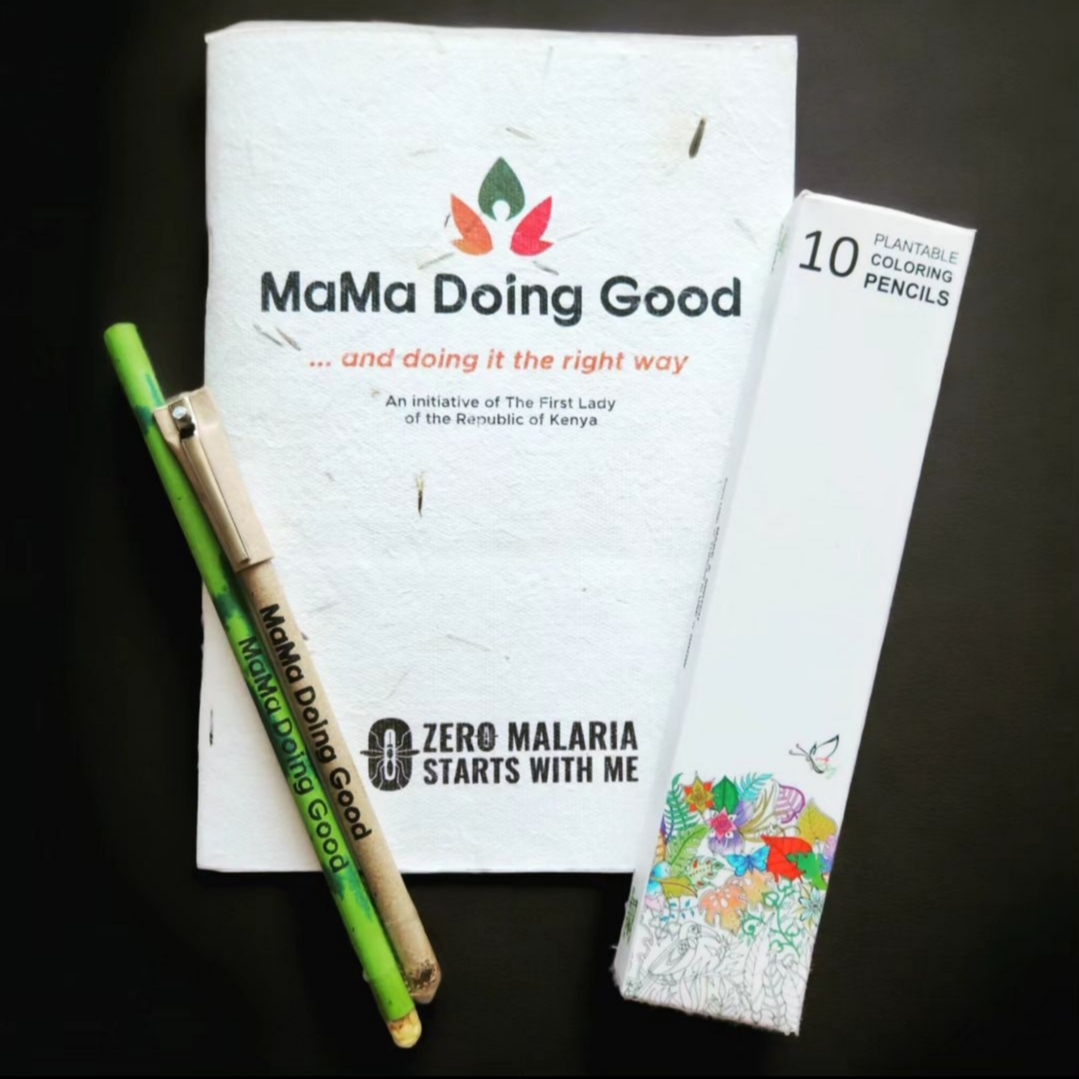
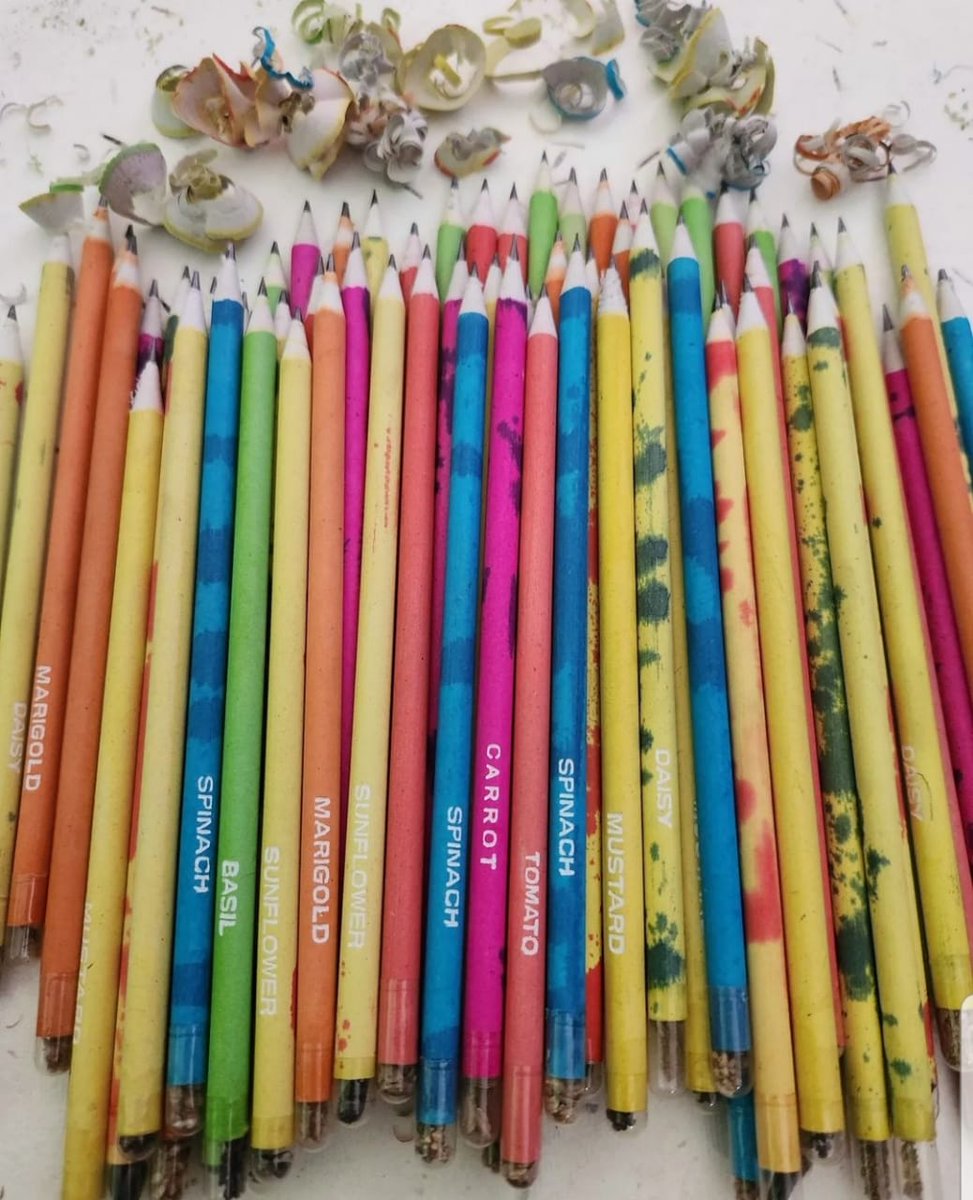
Today's #SMACHSspotlight is on a company redefining eco-conscious living! @Wachastory_ke crafts stationery from recycled materials like pencils, colors, crayons, and books, all with a twist. Embedded with seeds, these items give life even after use, nurturing our planet.
Join a panel of experts as they discuss Forests and Carbon Credits on the sidelines of the ongoing Africa Climate Week. The session will be moderated by KEFRI Ag Director Dr Jane Njuguna #ACS23#ACW2023#CarbonMarkets
The effects of Climate change are already here - we need to talk about adaptation and mitigation.
Youth are key and need to be central to those discussions on climate adaptation because they are going to face the ultimate impacts.
#AfricaClimateSummit23#ActNow
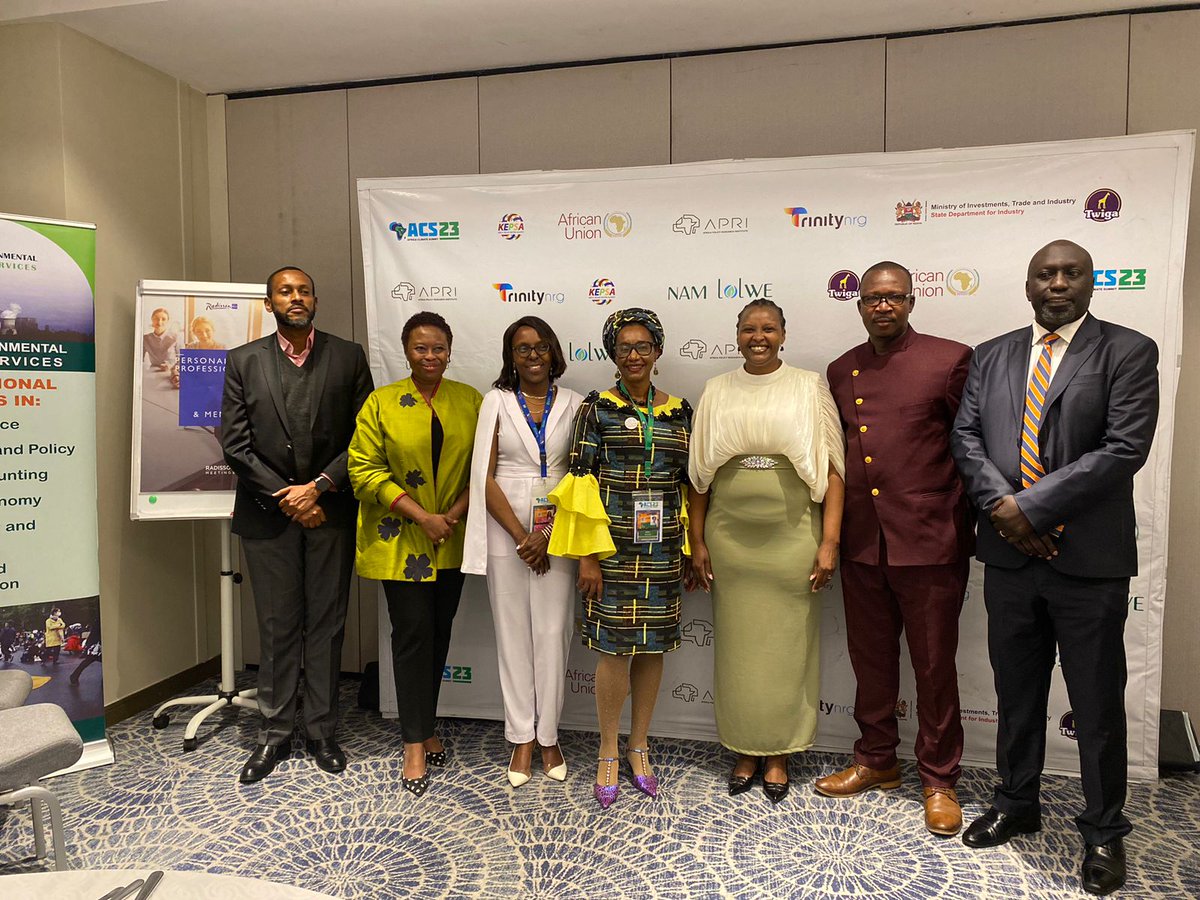
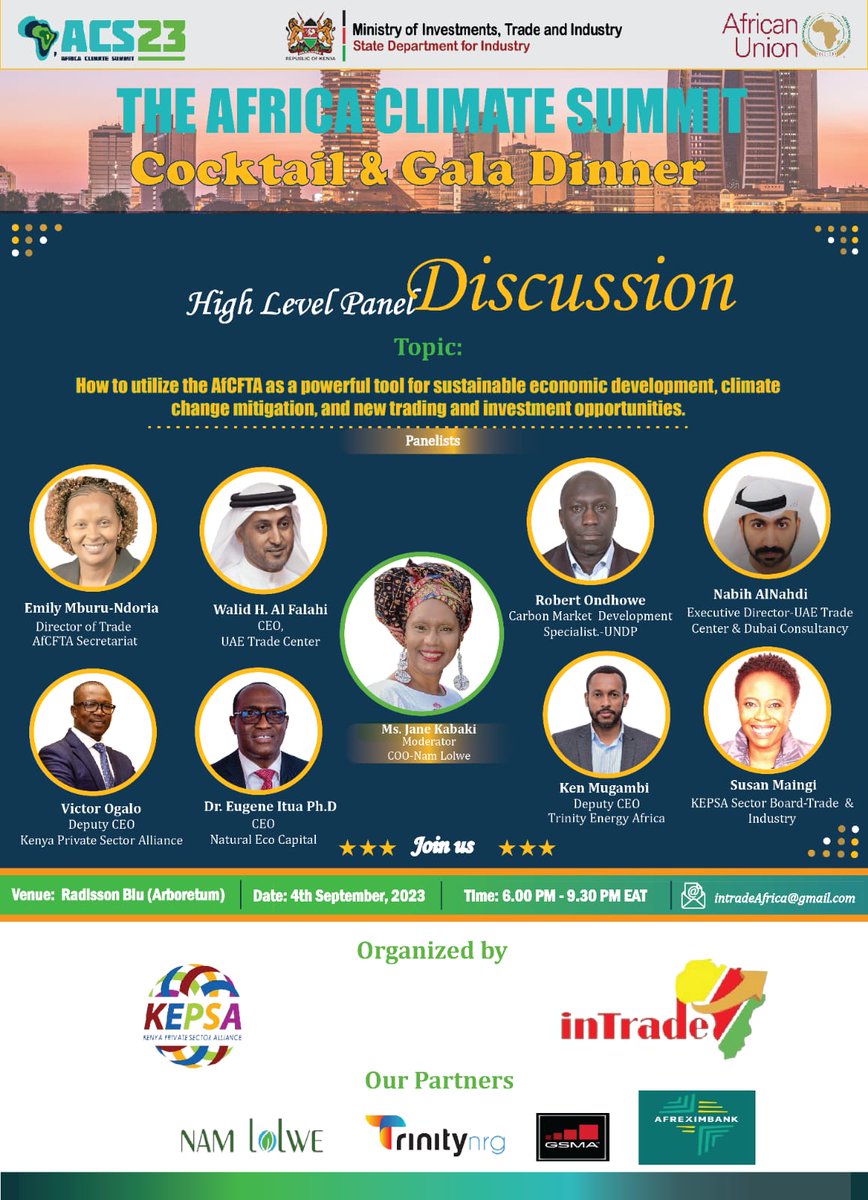
Moderated an Africa Climate Summit Side event under the title: Leveraging the AfCFTA to Promote Green Investments and Sustainable Trade In Africa"
#AfricaClimateSummit23@NamlolweE@MburuNdoria
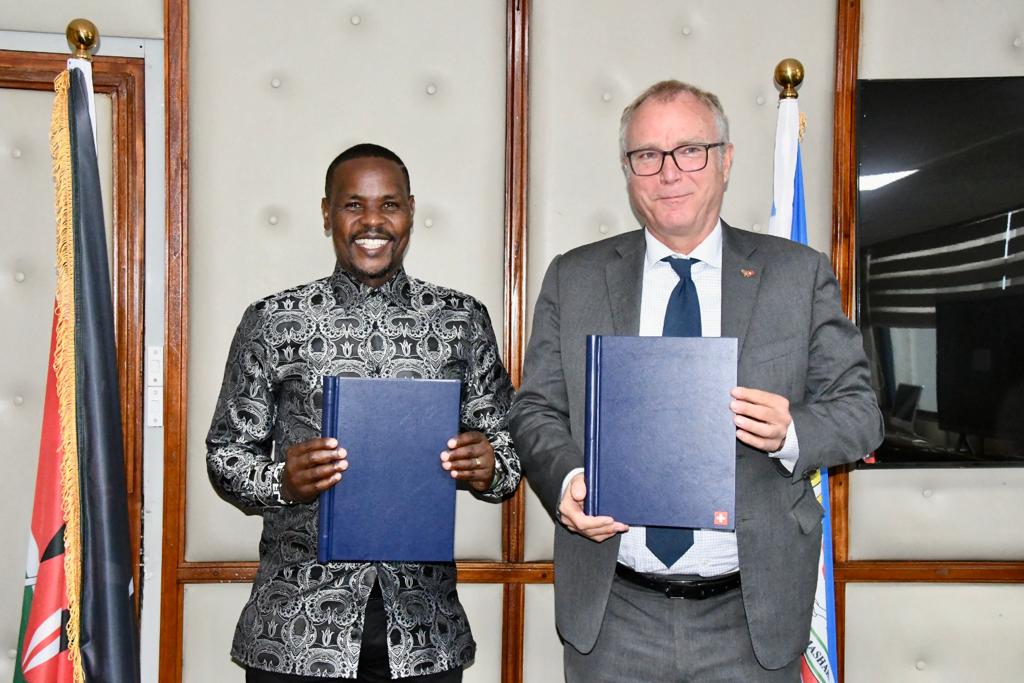
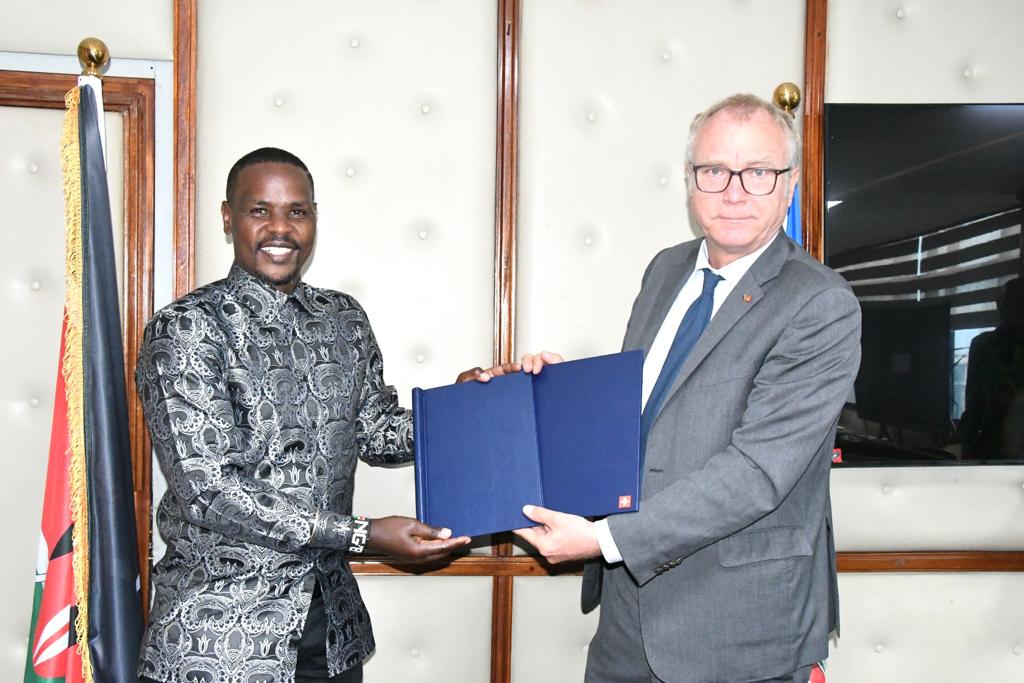
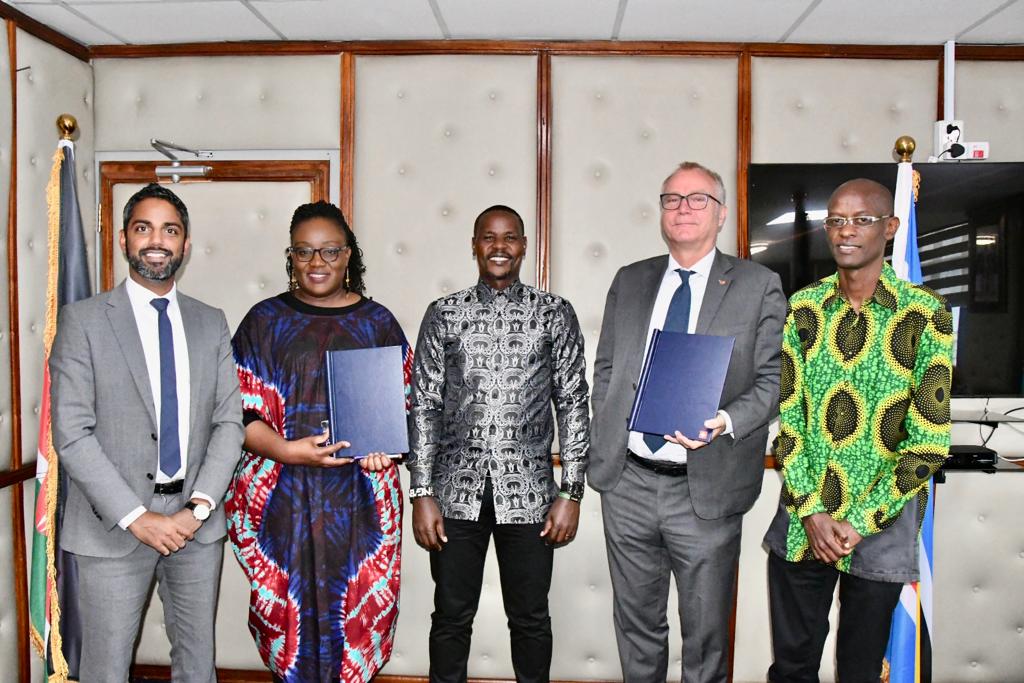
The Governments of Kenya and Switzerland have signed a framework of intent to cooperate in carbon markets, the first such engagement under the recently ammended Climate Change Act, 2023.
President William Ruto: We demand a fair playing ground for African countries to access the investment needed to unlock the potential and translate it into opportunities. #AfricaClimateSummit23#ACS23