“The plane went silent.”
That’s what passengers aboard British Airways Flight 9 remembered most.
Not screaming.
Not alarms.
Silence.
On June 24, 1982, the Boeing 747 was flying over Java at 37,000 feet with 247 passengers onboard when Senior Engineer Barry Townley-Freeman noticed engine temperatures rising dangerously fast.
Then passengers started calling flight attendants:
“There’s something glowing outside the window.”
Blue light flickered through the engines.
White sparks danced across the wings.
It looked beautiful.
In the cockpit, Captain Eric Moody watched Engine 4 fail.
Then Engine 2.
Then 1.
Then 3.
Within minutes, all four engines were dead.
A fully loaded 747 became a powerless glider descending toward the Indian Ocean.
No thrust.
Barely any radio communication.
No idea what caused it.
Passengers woke from sleep to something deeply unnatural:
The absence of engine noise.
At 37,000 feet, a jetliner should roar.
Instead, there was only wind.
Captain Moody got on the intercom and delivered one of aviation history’s most famous announcements:
“Ladies and gentlemen, this is your captain speaking. We have a small problem. All four engines have stopped. We are doing our damnedest to get them under control.”
Some passengers thought it was a joke.
The flight attendants’ faces said otherwise.
What nobody onboard knew was that the plane had flown directly through a volcanic ash cloud from Mount Galunggung.
The ash was made of microscopic glass particles.
Inside the engines, the particles melted at extreme temperatures and coated the turbines like cement, suffocating all four engines one by one.
At 15,000 feet, oxygen masks deployed.
At 12,000 feet, the crew prepared for a night ditching into the ocean.
Captain Moody knew the odds of surviving a water landing in a 747 were almost nonexistent.
Then he tried restarting the engines one final time.
Engine 4 sputtered.
Caught.
Then another.
Then another.
All four engines roared back to life.
But the nightmare still wasn’t over.
The volcanic ash had sandblasted the cockpit windshield so badly the pilots could barely see through it.
Captain Moody had to land a damaged 747 at night using only a tiny clear section of the side window while his first officer called out altitude and distance manually.
Against every odd, the aircraft landed safely in Jakarta.
Every single person onboard survived.
After the incident, volcanic ash became a globally monitored aviation hazard.
And Captain Eric Moody’s calm announcement became legendary — still taught today as a masterclass in crisis leadership:
Tell the truth.
Stay calm.
Give people dignity.
Even when you’re falling out of the sky.
Our next cargo mission to the @Space_Station is lifting off from Florida as soon as Tuesday, May 12.
Flying aboard: medical research to understand our blood and bones, a new space weather experiment, and supplies and hardware for the crew. Read more: https://t.co/Mj1BaL2Ghn
y’all ain’t ready for this one!! Introducing the new Sun Stalker Soufflé — she’s a whipped, mousse-style Bronzer that melts into your skin for that soft, sun-kissed glow ☀️
for our Fenty fam in DUBAI you got early access to these 👀 you can pick yours up at @Sephora Middle East 🛍️
don’t worry, we go global on May 22 🤎
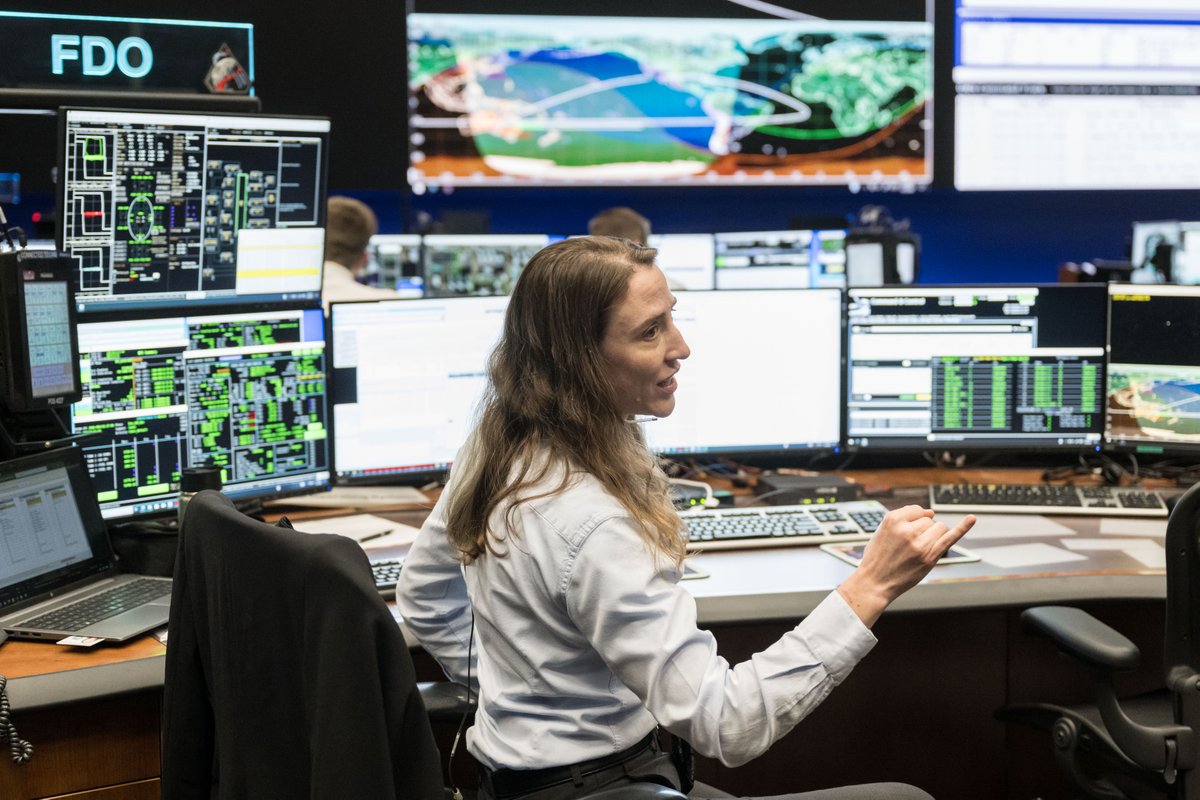
Behind the four astronauts of Artemis II are hundreds of people tracking their every move: monitoring spacecraft systems, evaluating crew safety, and staying in constant communication. Let’s hear it for the team in Mission Control responsible for getting the astronauts around the Moon and safely home.
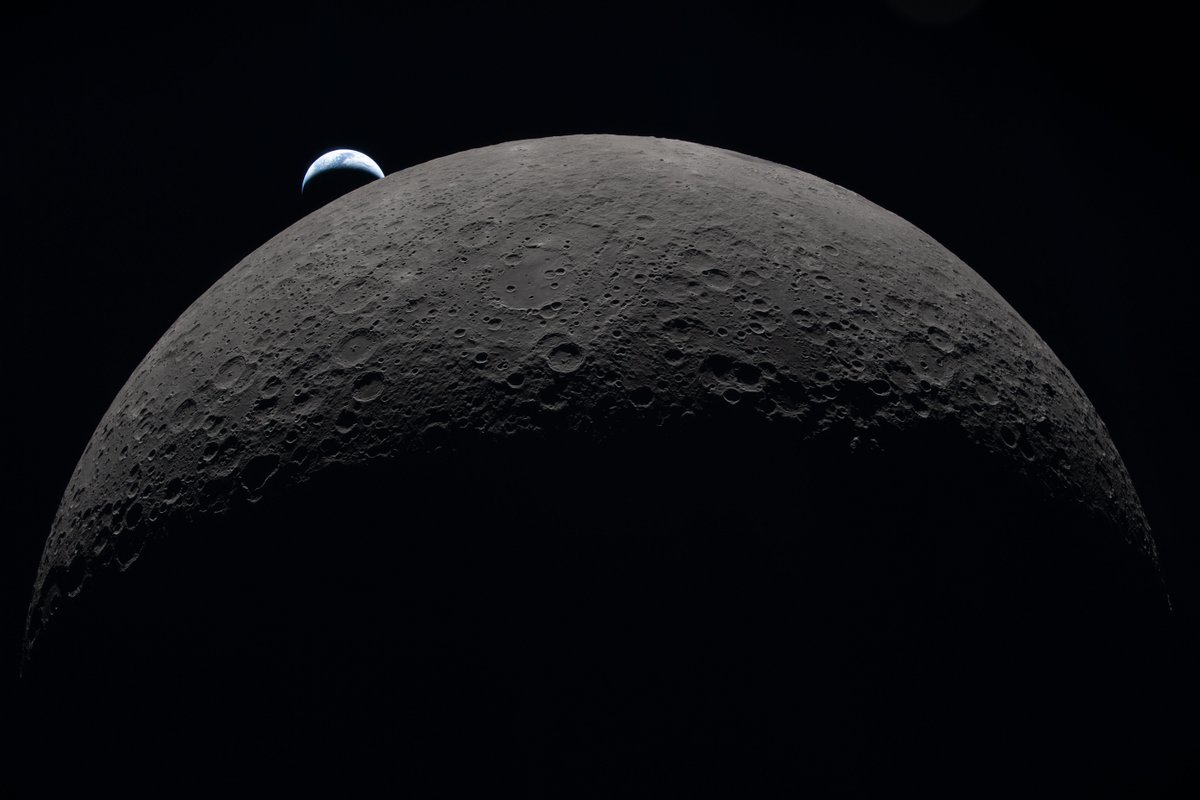
Hello, Moon. It’s great to be back.
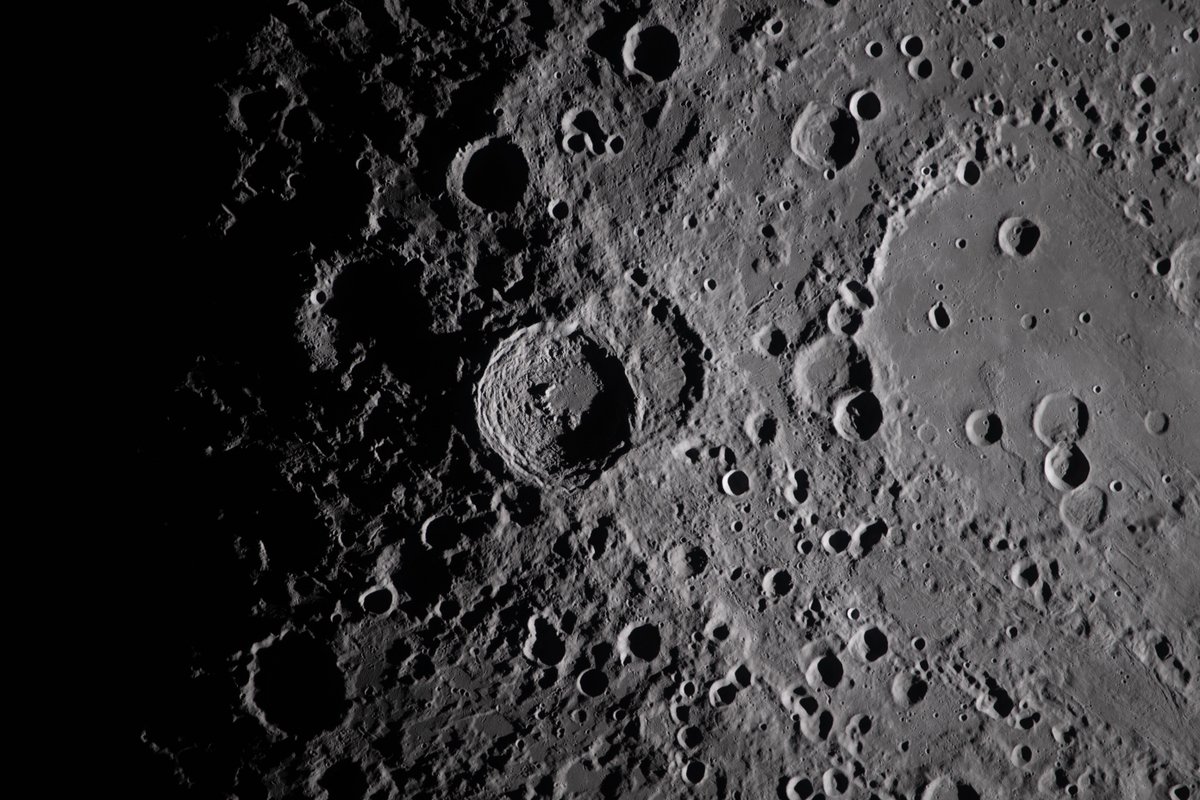
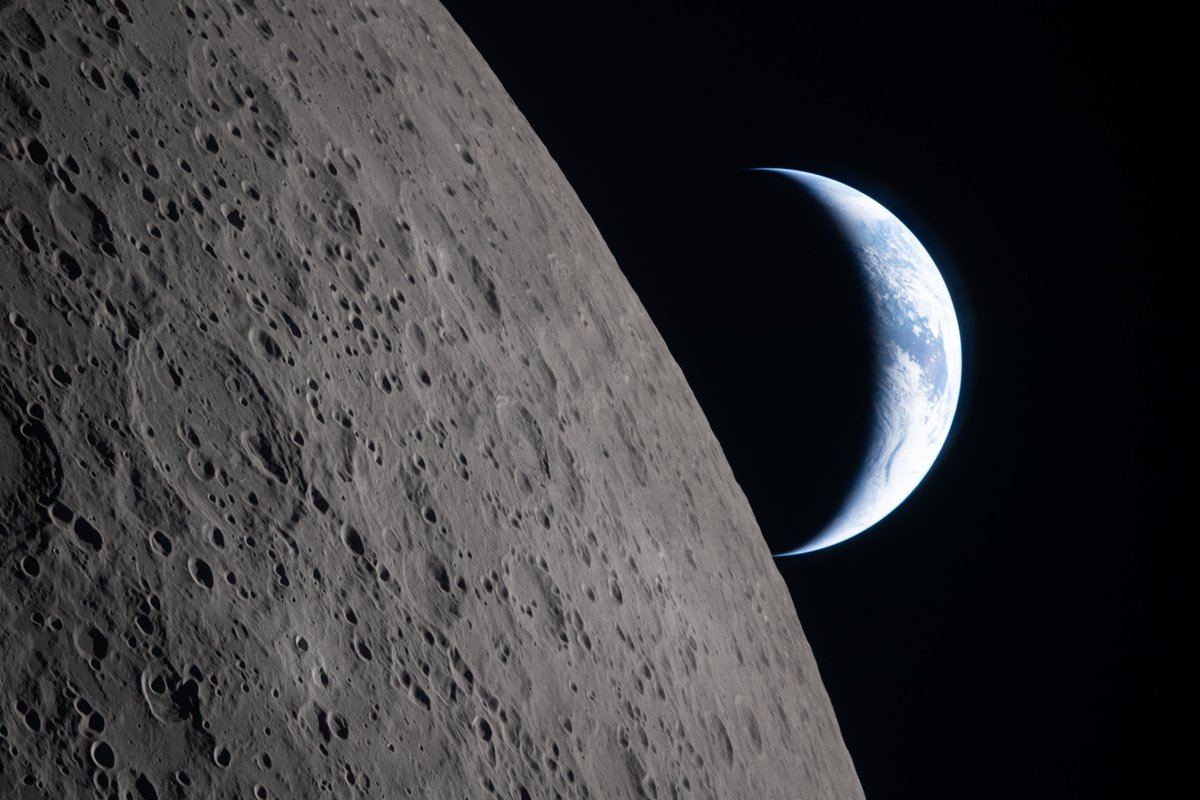
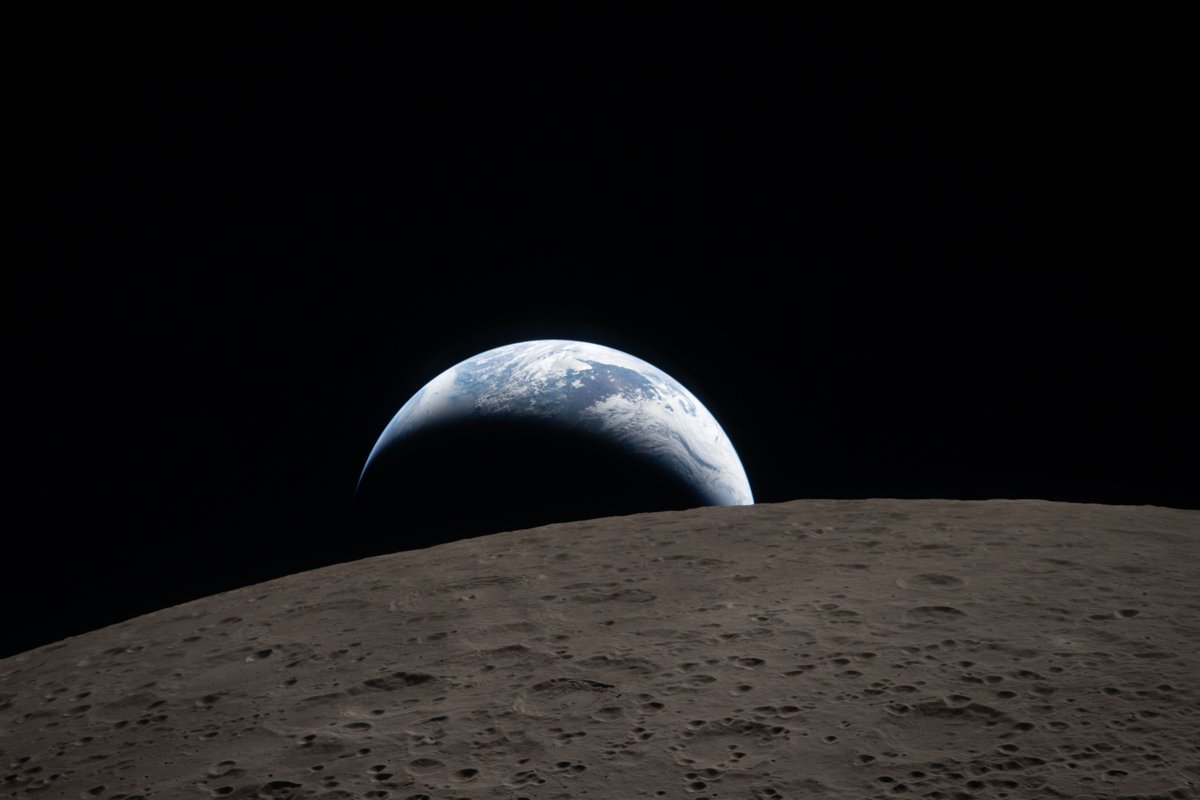
Here’s a taste of what the Artemis II astronauts photographed during their flight around the Moon. Check out more photos from the mission: https://t.co/rzM1P0QbOl