“In the years to come the number of footballers worth watching will be less and less and football will become less enjoyable”
Fascinating comments as always from Marcelo Bielsa. Can’t deny thinking similar once or twice watching games at #EURO2024
Why do Some Programs WIN Year after Year?
Over my career, I have been very fortunate to be a part of some very successful programs.
I have learned and seen a lot.
Here are 5 Reasons Some Programs Win Year after Year.
1. Players
We all know you need players to win.
But you can’t just wait or wish for players to show up in your program.
Coaches must have a sound developmental program to give your program the best chance to succeed.
This does not ensure great players, but it will help you have more consistency.
Our basketball developmental plan consists of the following:
- A 300-Hour Club Off-Season Program
- Consistent Youth Program
- Summer Camps
- Focus on Skills
- “No Deposit, No Return” Mindset
Define your developmental program.
Make it your culture.
Check my bio for FREE links to my 300-Hour Club & more.
2. Culture
"Culture matters. Knowing how to win matters."
A good winning culture can make good teams great, and it can make mediocre teams good.
I define Culture as the following:
- What you Allow
- What you Emphasize
- Every Day
3. Commitment
Great programs have a culture of commitment and buy-in.
Committed players create a standard that becomes contagious for a winning program.
Committed players = Committed teams.
Committed teams = Winning teams.
4. Consistency
"Winning is not a something thing. Winning is a lifestyle; it is a daily choice."
Winning programs know that to win in the long term, you must “Win Each Day.”
Winning programs have consistency from the coaching staff, in the system, and at all program levels, even in the down years.
Consistency gets teams through these times.
5. Leadership
Finally….Leadership Matters, and it matters A LOT.
Winning programs know that Leadership is the X factor for the team each season.
These programs focus on building leaders each year, each day, and they do so over time.
They have a meaningful and systemic approach to leadership.
These player leaders become the gatekeepers of the culture.
Summary:
If you want a winning program, these five keys are crucial to success.
There is no easy way to win.
It takes hard work and commitment.
Remember, No Deposit, No Return!
_____
Follow me on X for more.
Join ~ 12,000 others who subscribe to my FREE weekly newsletter on coaching, leadership, culture, and teams.
Great Teams - Better Leaders 123.
The link is in my bio above.
What does a Strong Team Culture Look Like?
1. We over Me
2. Process over Prize
3. Learning over Knowing
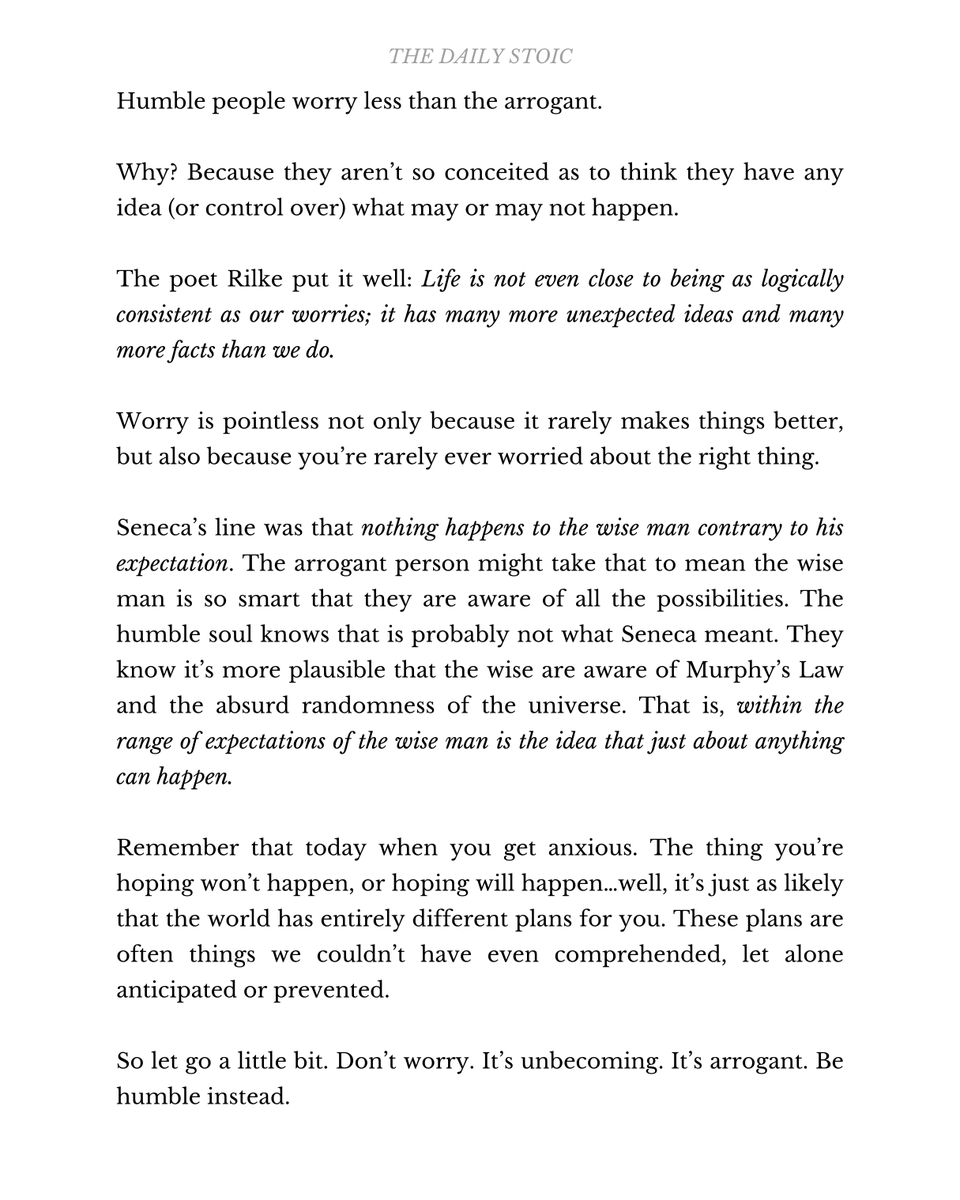
4. Humble over Arrogance
5. Positivity over Negativity
6. Serving over Self-Serving
7. Encouraging over Ignoring
Culture Wins.
“Like everything in life. You can turn a perceived negative into a positive if your mind is right and you’re trying to attack today not yesterday,” Mike McDaniel
WIN THE DAY!
Jurgen Klopp gives a valuable lesson in parenting. Frustration and disappointment will regularly surface in a child's life, it's unavoidable. What matters most is helping them learn how to handle it well, as it's crucial for their development! 🧒👨👩👧👦💪 #ParentingWisdom #EmotionalResilience #Klopp
Raphinha: "When I was 18, I had been rejected by the academies more times than I could bother to count. Internacional, Grêmio, everywhere it was the same: a one-week trial and then an excuse.
“He’s too small.”
“He’s too frail.”
“He’s got no power.”
Always the same, man. Always the same.
Just before I turned 19, I was training with the U-20 team at Avaí. They were based in Florianópolis, a six-hour drive north of Porto Alegre. I had never spent so much time away from home trying to get a contract. But then I got injured, and when I was fit again, I couldn’t get into the team. I didn’t even make the matchday squad. They told me to train on my own.
Usually I would have gone back to the várzea community, because that was my home. I played well there. Nobody there told me that I was too small. In fact, I would often hear that, hey, if I really, really wanted it, I’d make it as a pro.
But at Avaí I cracked. I called my parents and said that I’d had enough. I wanted to go home. I was done.
My dad said he was fine with it. My mum, too.
“But,” my mum added … “If you give up on your dream, you’ll have to get a normal job.”
I was like, Hmmmmmm….
The thing was, I had wanted to be a footballer since I was seven, so I never finished school. Which meant that I would have to find a job in a supermarket or a barber shop or something. I knew what that life was about, because my mum had changed jobs so many times. Her CV must have been the length of a book. Hairdresser, manicurist, seller of perfumes and clothes, receptionist, waiter, etc., etc., etc. Finally she saved enough money to get a degree, and now she was doing what she loved, which was to work with children who had learning difficulties.
She never gave up, you know?
So she explained it all to me. She said that I would end up playing somewhere, and that every tough moment passes. She suggested that maybe, due to all these setbacks, I had forgotten what I really wanted in life, which was true.
By the time we hung up, I remembered."