Developing an athlete's change of direction should follow the same programming and periodization principles as any other training quality
But the tools haven't always been there to support it
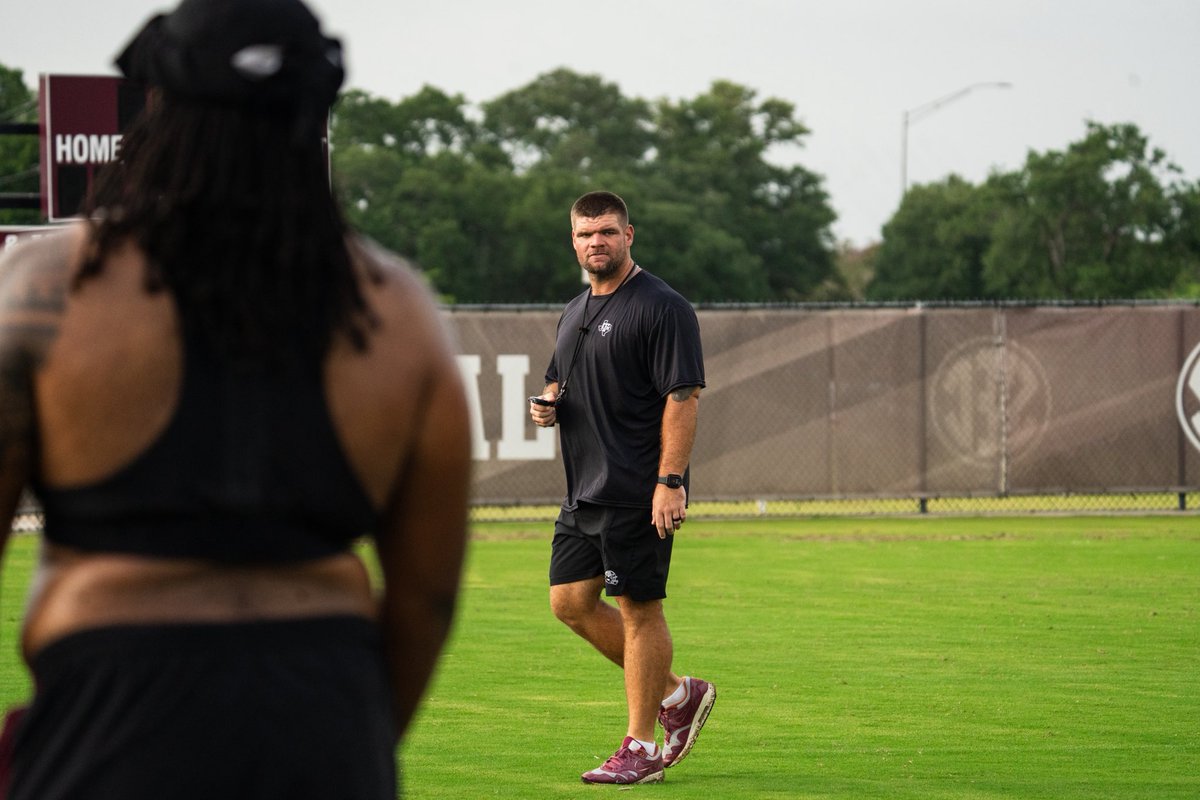
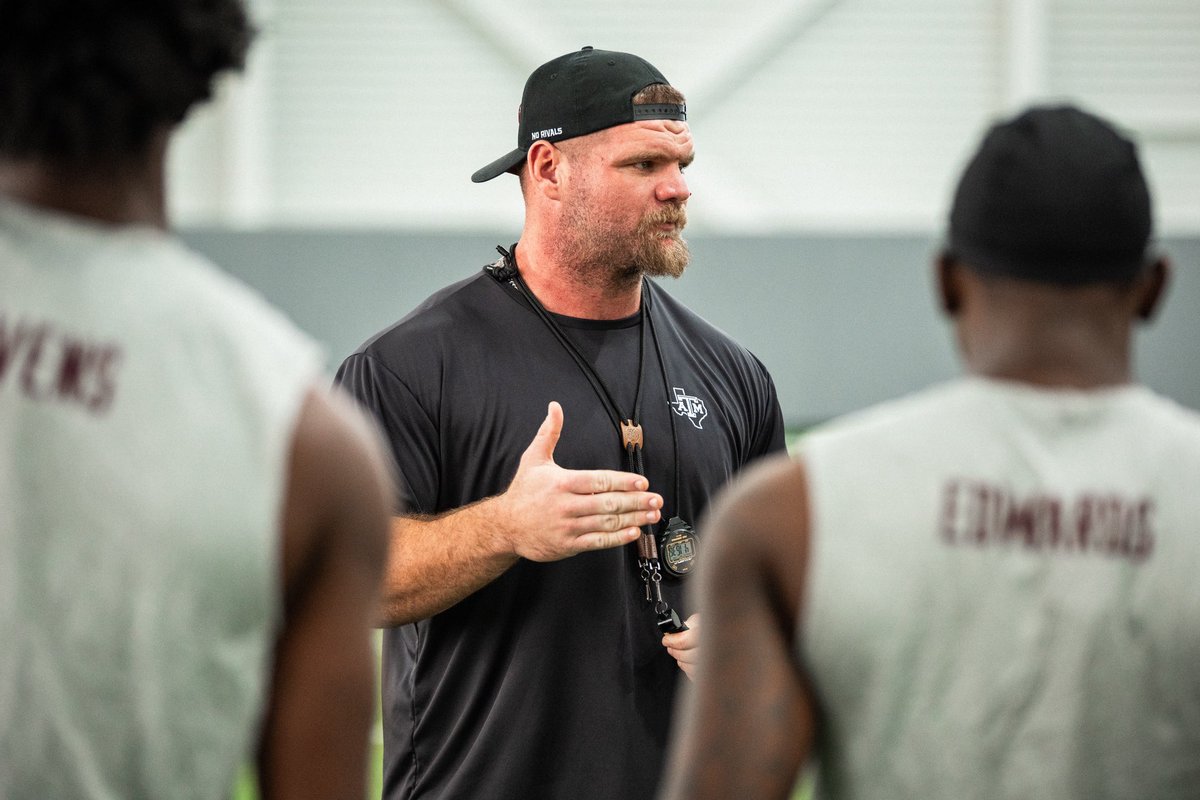
Here's @Coach_BMcCall of @AggieFootball on how he programs COD shuttles with the same intentionality as any other training quality:
✅ 3 cuts and 2 decels max per rep to keep the movement smooth, crisp, and fast
✅ Eccentric overload on the way in, heavier and faster into the cut
✅ Heavy to light load progressions across the block
Precise loading, micro-adjustments week to week, and objective data on every rep
That's the difference between hoping for speed at the end of the program and knowing the program will get your athletes there
Overspeed is one of the most powerful tools in speed development which is exactly why it needs a process
@Coach_BMcCall of @AggieFootball walks us through the 3 questions he asks before programming overspeed for his NFL Combine prep:
1️⃣ Can we still make progress on simpler things first like acceleration?
2️⃣ Are their mechanics good enough to handle it?
3️⃣ How will this affect the nervous system/performance over the next few days?
A checklist that makes sure this tool is maximized and fits in with the rest of training
Because overspeed rewards coaches who are intentional about it
Overspeed unlocks more than just speed 🔐
It develops max velocity skill. More exposure to upright, relaxed top-end running helps athletes learn how to run at max velocity, not just reach it
@Coach_BMcCall of @AggieFootball shared this as a key piece of 40 prep for his Pro Day athletes. The "why" wasn't chasing extreme speeds, but extending time spent at max velocity and improving how athletes moved there
As always, it's not the drill. It's why you use it 👊
The first thing I want to make sure the team understands is that I’m there for THEM; they’re not there for me, says @Coach_BmcCall. https://t.co/hdjXFkWh12 via @SimpliFaster