Advancing a vision for new mobility technologies & services to shape more efficient, secure, & sustainable transportation outcomes that move people and goods.
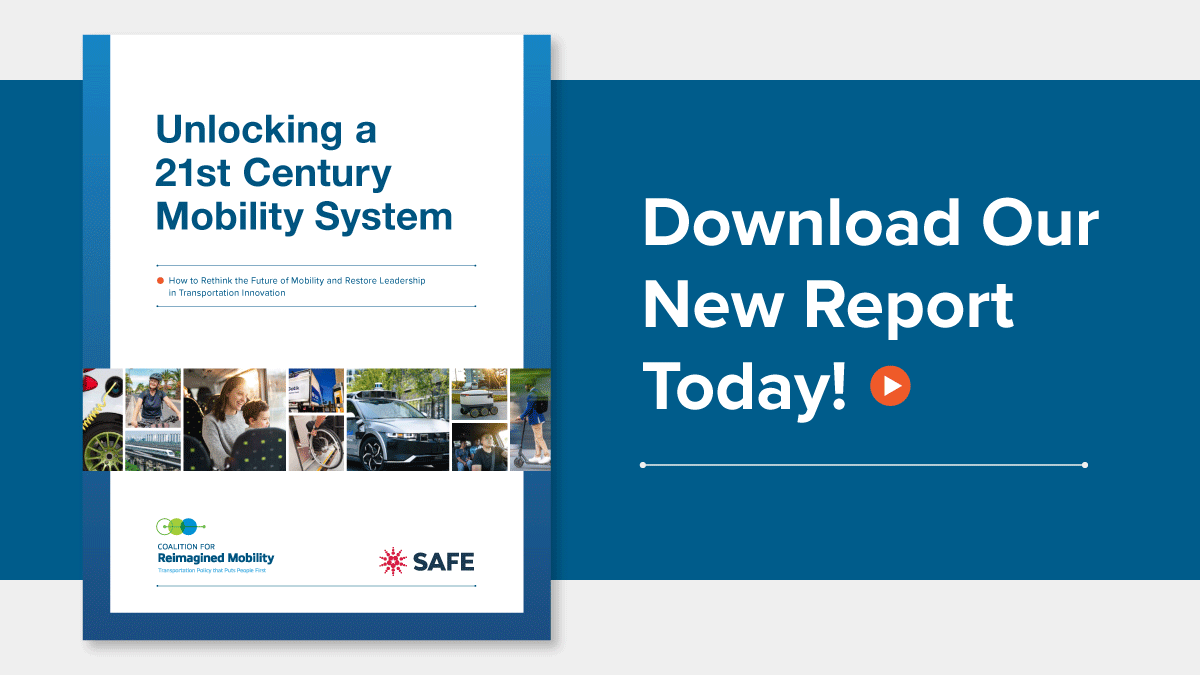
🚨 NEW REPORT: ReMo’s report resets the narrative around #transportation innovation and identifies the bold and collective action needed to unleash the potential of mobility-enabling technologies to improve the movement of people and goods.
Download: https://t.co/A3fXagwpos
“We cannot build the drone systems of the future with regulatory frameworks designed for the past,” - @averyaash, SAFE's CEO.
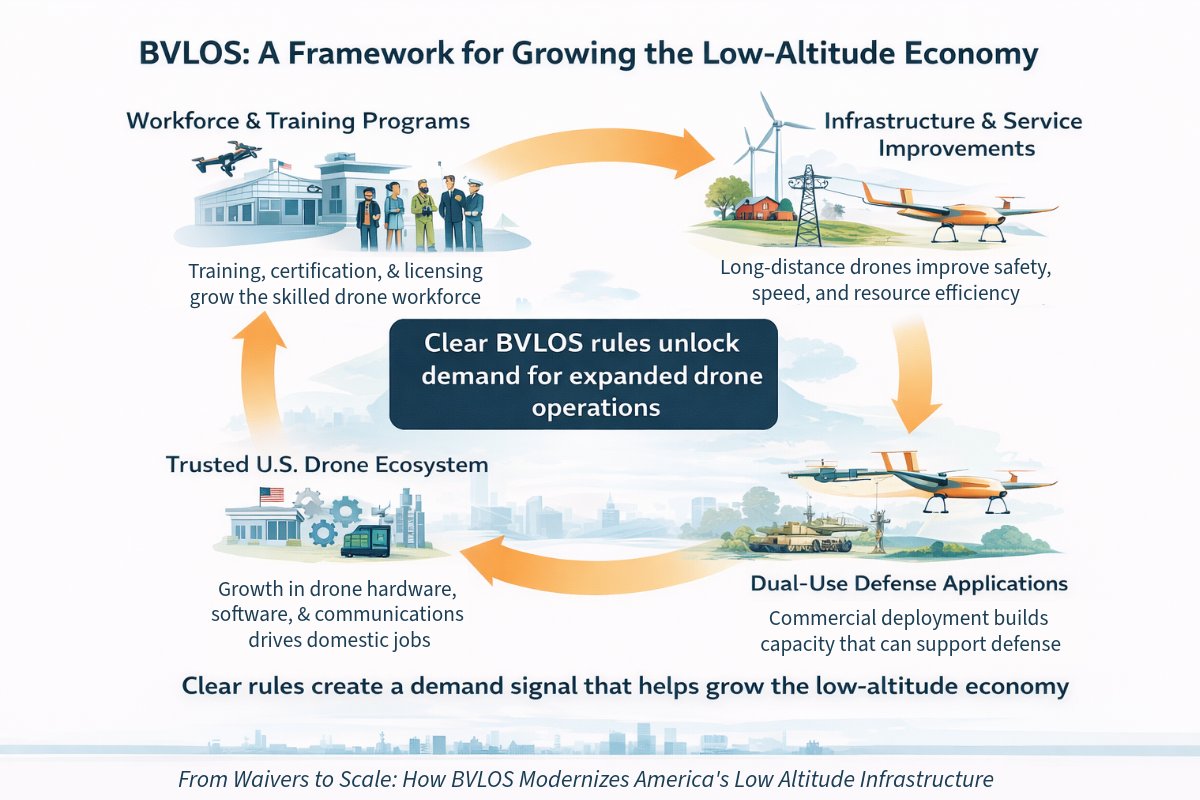
Commercial drones are already improving how the U.S. inspects power lines, protects crops, responds to emergencies, and moves critical medical supplies—but most high-value uses remain limited by outdated flight rules.
@CoalitionReMo's latest report finds that shifting from the @FAANews’ current waiver-based rules to standardized rules, the U.S. can safely scale drone operations and ultimately strengthen the foundation for our national security.
Read the report ⬇️https://t.co/1ujL4V84vS
Drones have reshaped industries and redefined the future of warfare—but America’s drone defense capabilities are far from guaranteed. They depend on continued innovation...and while global battlefield uses accelerate, domestic commercial and civilian uses are stuck in neutral. Join us for a webinar on how @FAANews regulations can scale drone operations to benefit the U.S. energy, agriculture, retail, and health sectors.
Register: https://t.co/3fB95hk9PM
What would Chinese auto factories in the United States mean for workers, vehicle software, and our defense industrial base? Chinese automakers rely on technologies that raise concerns around labor standards, software control, data collection, and national security.
SAFE’s Rachel McCleery, Executive Director of @CoalitionReMo, weighs in: https://t.co/eOvOm3iPy2
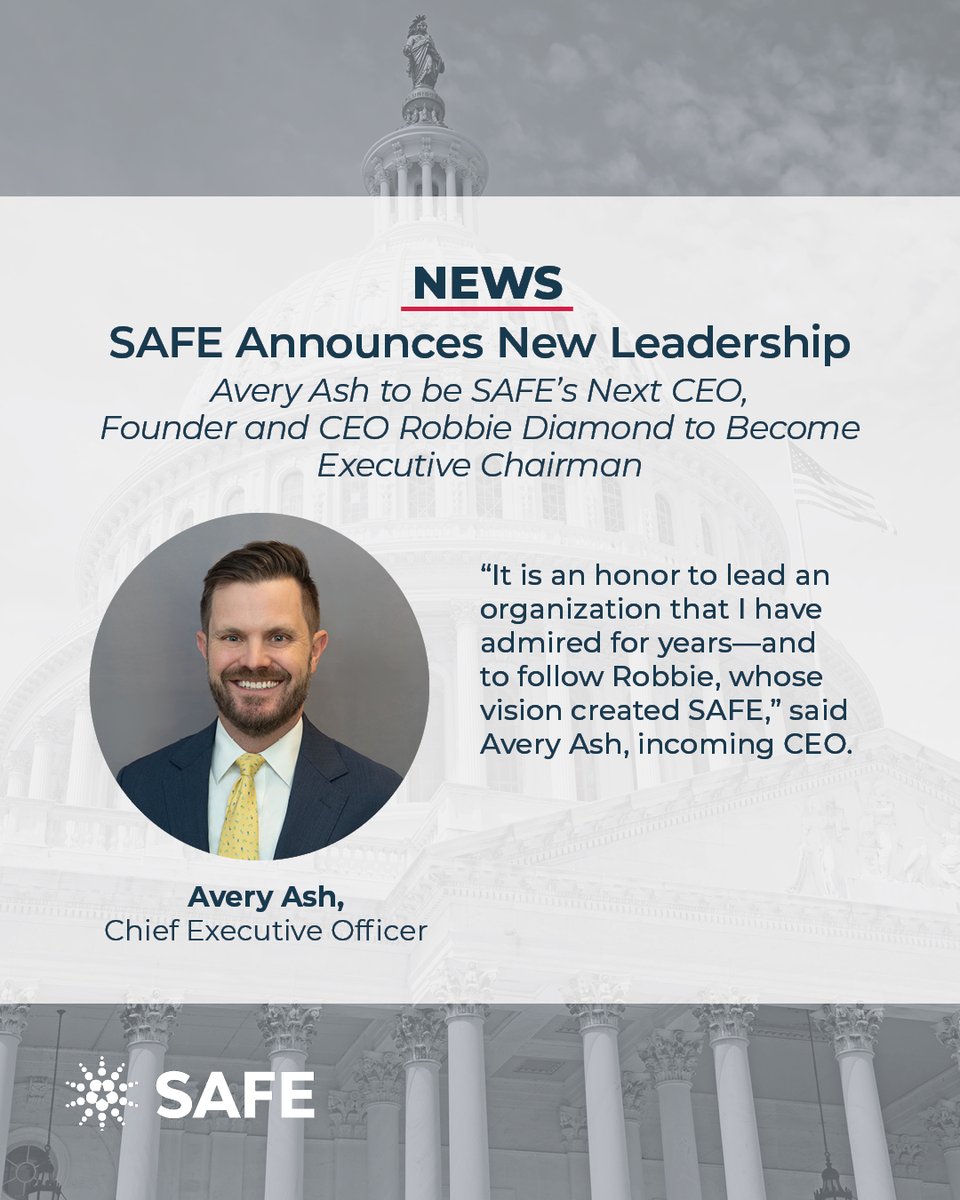
SAFE is proud to announce an important milestone in our 21st year: Our Founder and longtime CEO Robbie Diamond will assume the role of Executive Chairman, and @averyaash, SAFE’s current Senior Vice President of Government Affairs and Special Initiatives, will become the organization’s next Chief Executive Officer.
As a leader in AI innovation, the U.S. can become a rule-maker instead of a rule-taker on the global stage with an intentional national strategy.
Our "AI in Motion” report details our recommendations: https://t.co/NBYQetRAit
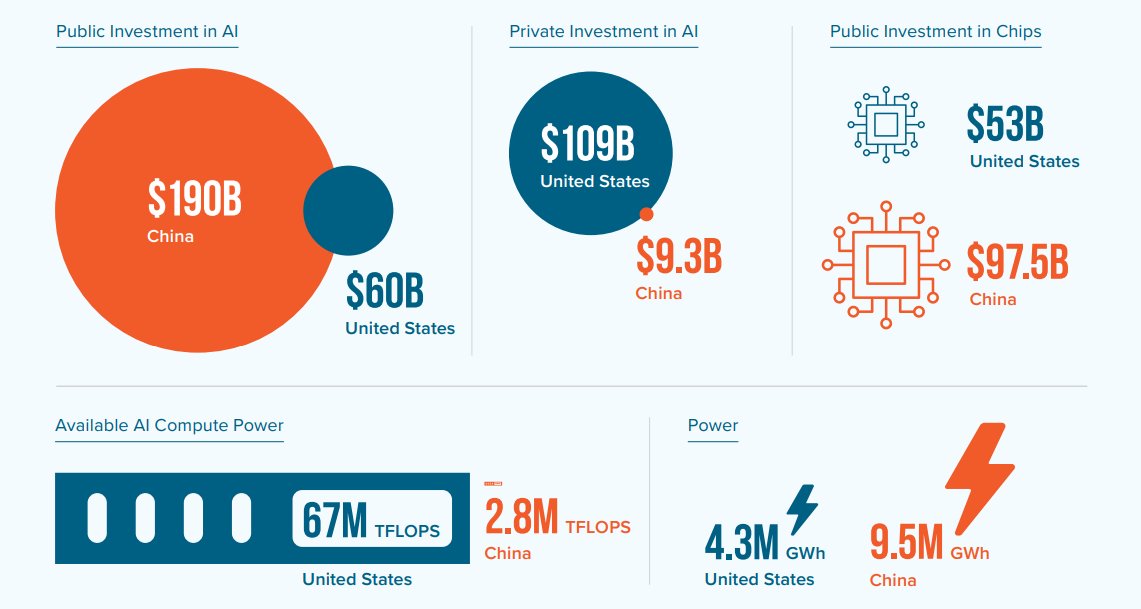
How the U.S. stacks up against China when it comes to investments in AI: The United States’ private investment dollars outweigh that of China’s, but we see the reverse when it comes to public investment.
*Source: https://t.co/HszbDTpH8b
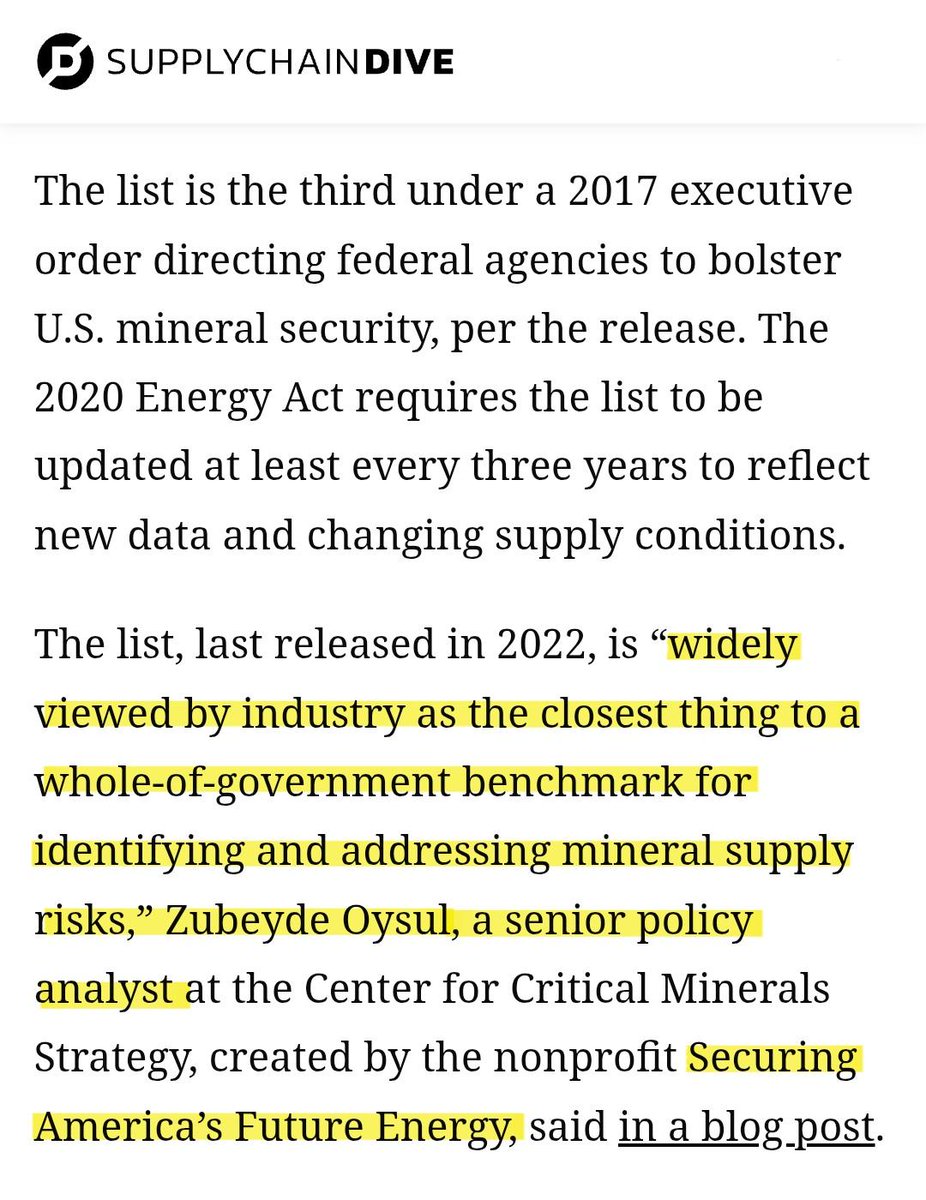
SAFE in Supply Chain Dive: The @USGS 2025 List of Critical Minerals is "widely viewed by industry as the closest thing to a whole-of-government benchmark for identifying and addressing mineral supply risks."
With the U.S. importing 80% of the rare earths it used in 2024, the list signals where public and private sector should direct their energy to move away from foreign dependencies and address supply insecurities.
https://t.co/nRiSDGrGDa
The U.S. must treat AI-enabled transportation as a strategic infrastructure priority deliver measurable gains in safety, efficiency, and cost across the country.
@CoalitionReMo’s “AI in Motion” report envisions how this should play out through investments in physical infrastructure, modernized regulatory frameworks, and more: https://t.co/I4Qdzb57sE
Traffic signals that adjust in real-time to ease congestion, visual analysis systems that proactively flag needed road maintenance, and autonomous vehicles (AVs) that reduce the risk of crashes...this is just a glimpse of what the future of U.S. transportation would look like with AI.
High-performance chips for AVs are crucial components to make this a reality.
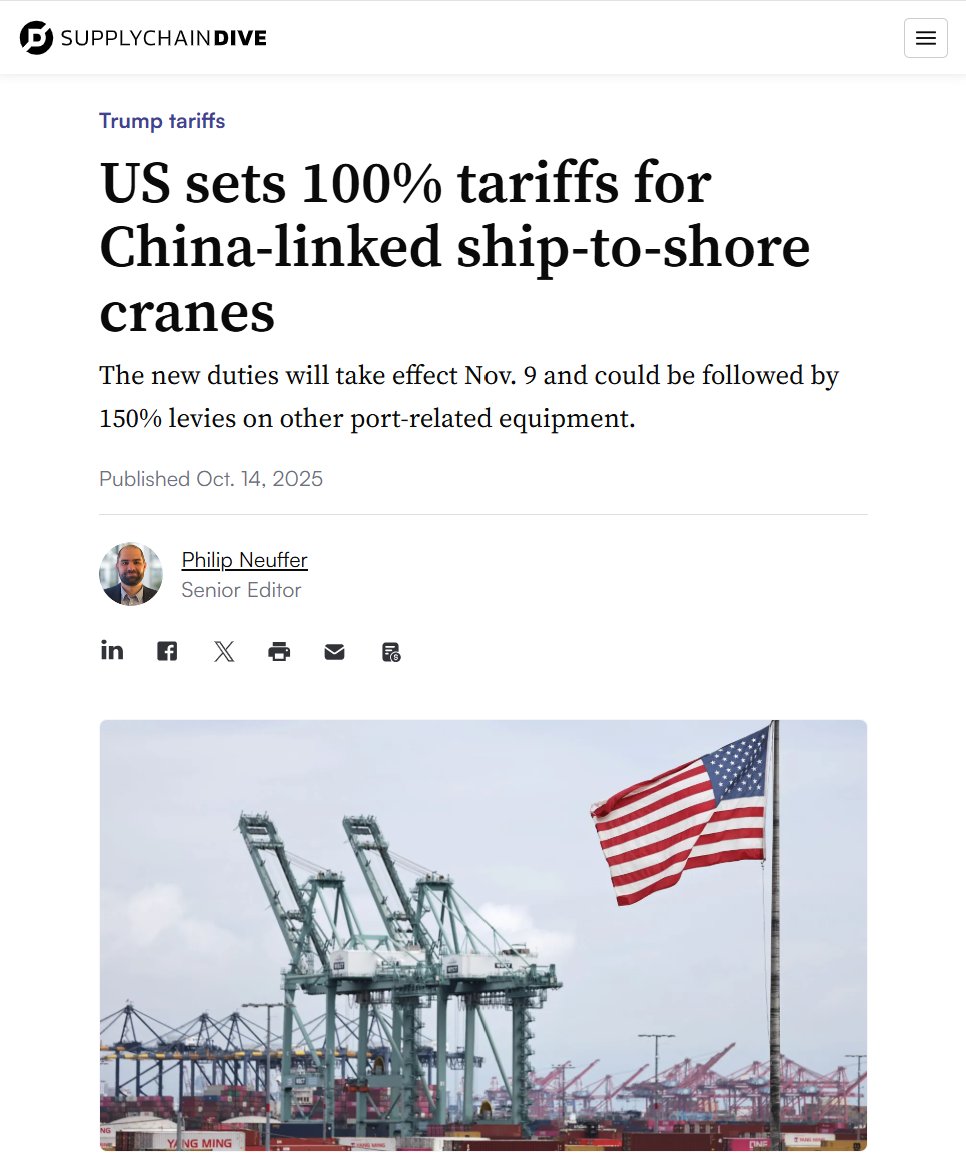
The response to these tariffs in the context of U.S. ports reveals 2 things.
1) The U.S. must move away from reliance on Chinese ship-to-shore cranes.
2) Domestic crane manufacturing is just getting started. We need strategic tariffs AND a reshoring strategy for port equipment.
The public comment period closed last week for a proposed @FAANews rule that will streamline and expand the use of drones operating at or below 400ft.
This is a thoughtful rule that could be further strengthened with additional refinements. Our recommendations:
Chinese firms manufacture the majority of the world's commercial drones. As these drones proliferate the U.S. civilian market, they raise concerns about data integrity, surveillance exposure, and risk crowding out U.S. innovation.
Article: https://t.co/W3qRwdRJHG
The Bloomberg Editorial Board raised the flags. China is rapidly growing their arsenal of attack drones, and the U.S. needs to move faster to defend against them.
We'd like to add another layer: The U.S. should keep a close eye on the commercial drones as well.
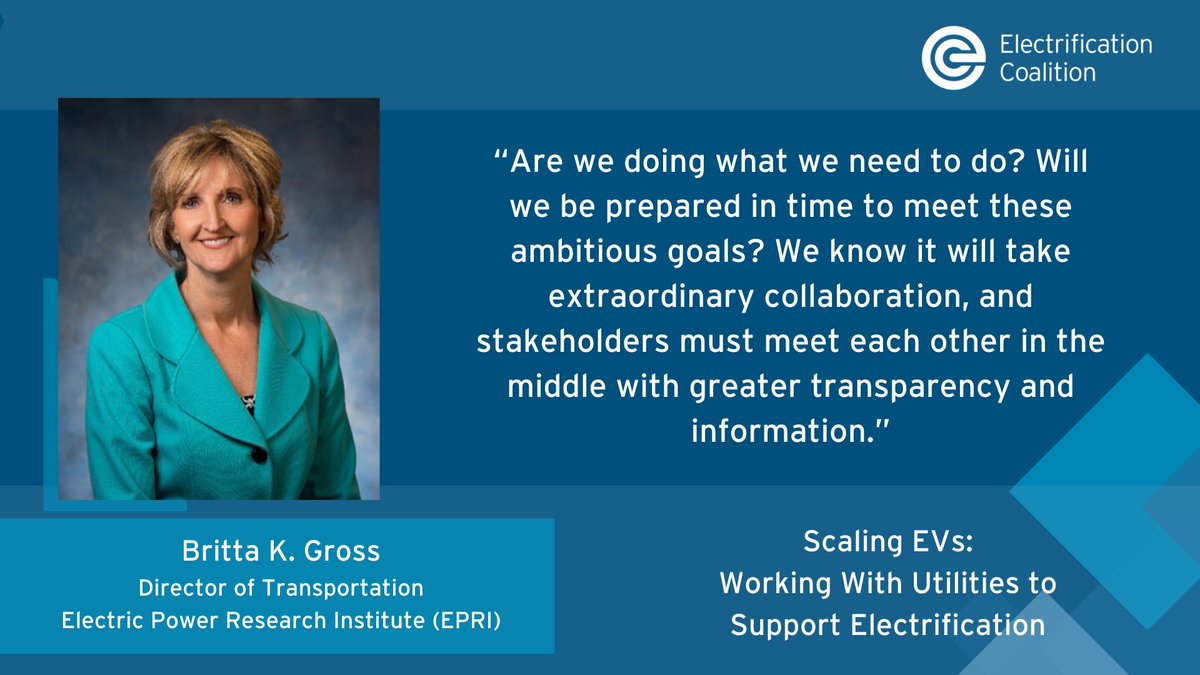
Britta K. Gross, Director of Transportation at the Electric Power Research Institute (EPRI) speaking about what it will take to meet transportation electrification goals. #ECUtilitiesWebinar
Highlights from our Commission co-chair Mary Nichols at the #SAFESummit2024.
"The thing we really need to change about the way we look at #transportation is looking at it from a human perspective... It's about people and what we can do for them to make mobility a reality."
ReMo welcomes today's announcement by the @WhiteHouse to take bold action to address the national security risks to the US auto industry and specifically connected vehicle technology designed, sold, & controlled by companies beholden to China. https://t.co/MMsOxsXDN9
Welcome @Navistar President & CEO Mathias Carlbaum to the ReMo Commission! Navistar is at the forefront of leveraging new zero-emission and connected technologies to accelerate the impact of #sustainable mobility on the #commercialvehicle sector. https://t.co/naLYQi6fvX