There’s nothing more Upstate New York than our apples and apple growers, but a severe spring frost has put even iconic operations like Saunderskill Farms in Accord at risk of losing half their crop.
If an 11th-generation family farm is feeling the pain, every grower is. That’s why I pressed @SecRollins to approve our request for a disaster declaration and get our farmers the support they deserve.
If you're worried about ticks, put up an owl box.
The animal driving most Lyme disease in the eastern US is the white-footed mouse. Ticks that feed on them are far more likely to come away infected than ticks that feed on other animals. The bigger the local mouse population, the worse the next year's tick year.
A single barred owl pair raising chicks can take hundreds of rodents in a breeding season. Owls also don't carry Lyme. The bacterium can't survive their digestive tract, so an owl that eats an infected mouse is a dead end for the disease.
Researchers at the Cary Institute, the leading lab on Lyme ecology, have been explicit about this: "Landscapes that support predators have reduced Lyme disease risk."
One owl box on its own isn't going to fix a tick year. But a yard with owls, foxes, bobcats, and weasels in it has fewer mice, and a yard with fewer mice has fewer infected ticks.
If you have woods or fields nearby, a properly sized barn owl or screech owl box (different species, different boxes) is one of the most useful single things you can do for tick exposure at the landscape scale. Match the box to the owl that lives near you.
The mouse is the problem, owls are the solution.
Tractor rollovers are one of the leading causes of death on American farms, and too many Upstate New York families know the cost of that danger firsthand.
We have a proven way to prevent these tragedies: rollover protection systems save lives. But too often, farmers can’t afford the equipment they need.
That’s why I fought to renew federal funding for the National ROPS Rebate Program—helping more farmers stay safe, protect their livelihoods, and keep feeding our communities.
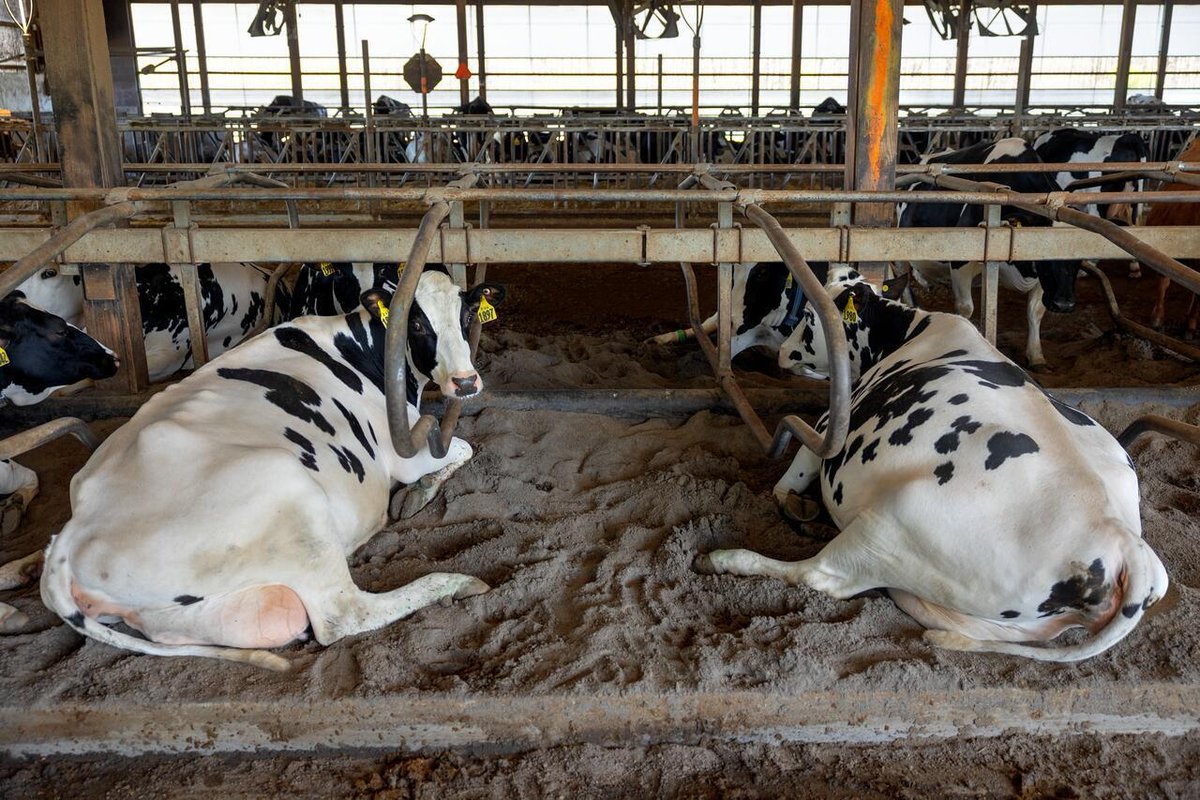
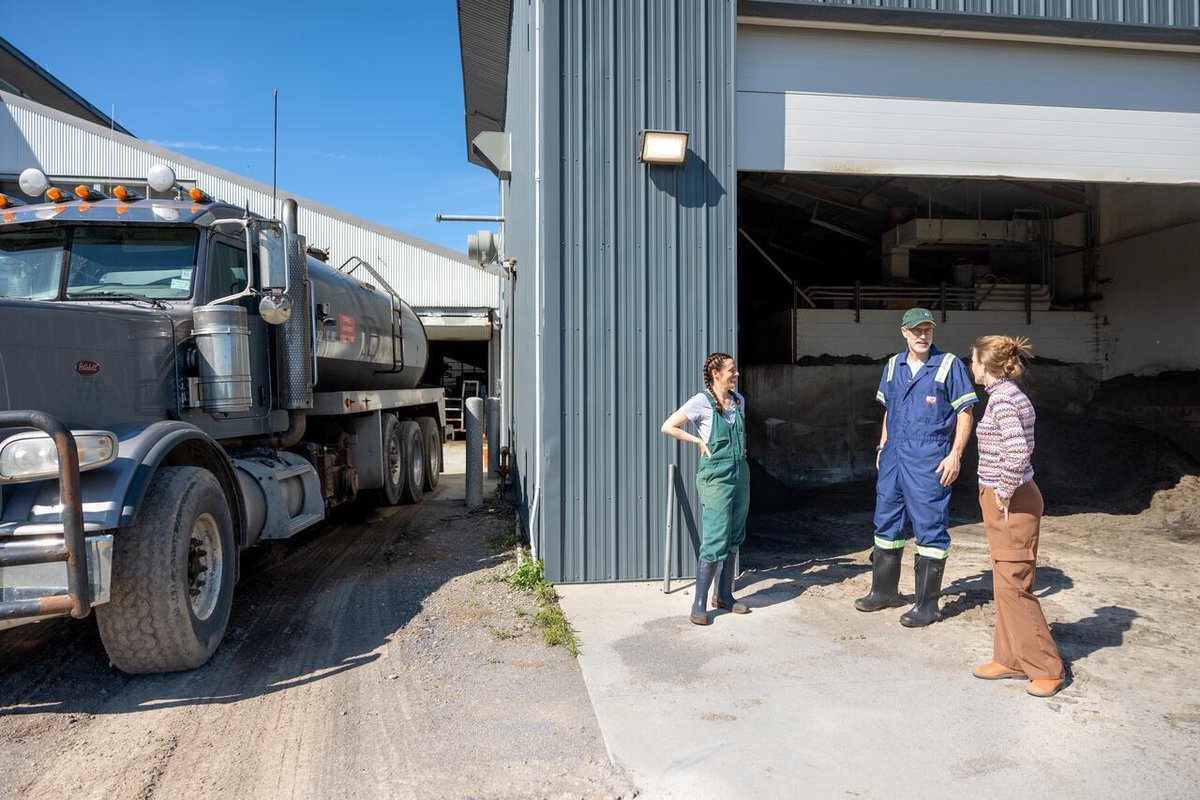
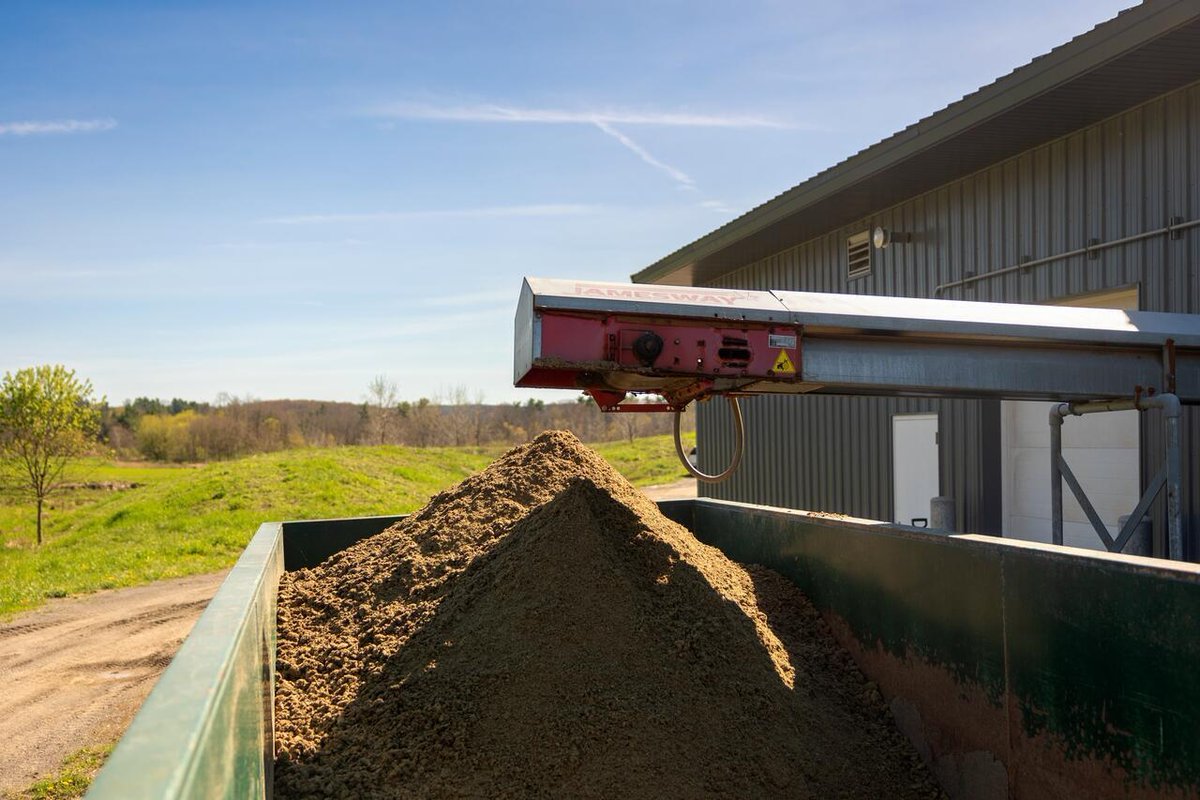
Cornell’s newest Living Lab - the biodigester - will turn organic waste into renewable energy ♻️🐄
Using microbes in sealed tanks, the system will create biogas that can help power dairy operations while supporting sustainability research.
➡️https://t.co/gCSBvMa8HC
The earth is just spinning through infinite darkness at 67,000 miles per hour and somehow it also made blueberries?? And laughing?? And the feeling of sun on your face?? What is this place. What a an absolute gift.
REWIND: The smell of Cheerios is synonymous with the City of Buffalo, but do you know the history of how that came to be? All Things Considered host Steve Cichon dives into the details of General Mills' pivot to a beloved breakfast staple.
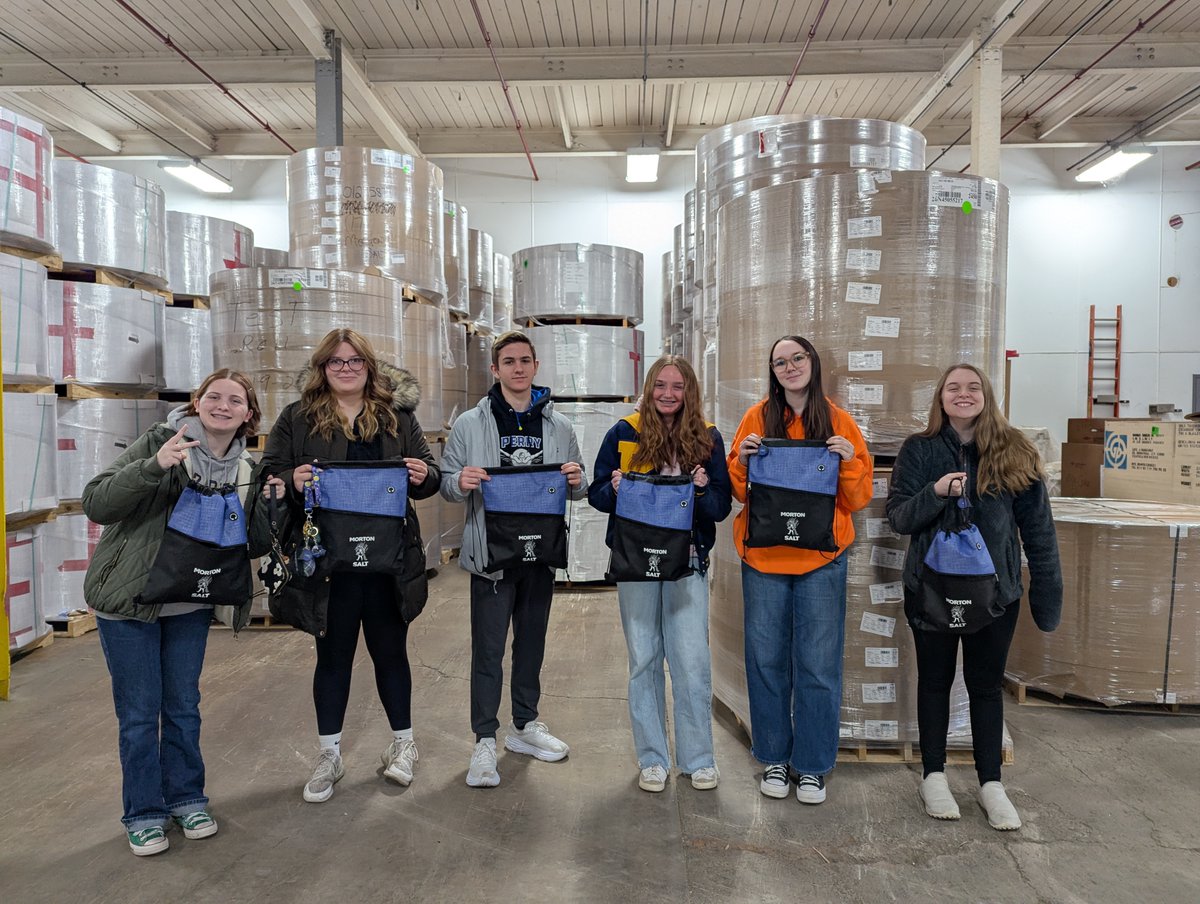
Mrs. Sedivy's Engineering & Environment students recently toured Morton Salt, where they witnessed every step in the mining, production & packaging of salt. Next, they headed to Marquart Farms to learn about growing, sorting & storing potatoes & how they are made into NY Chips.
As a human being it breaks my heart a bit that McDermott doesn’t get to coach a game in the new stadium. He is the reason we’re in the era we’re in and that just makes me a little sad.