A list of GREAT Bioinformatics channels on YouTube🖥️🧬
https://t.co/M0rsbB7RyR
https://t.co/a62Rw2Vror
https://t.co/4a0wQNREEN
https://t.co/eEARsaUXuA
https://t.co/8bTJWERIu1 @marianattestad
https://t.co/zUFEvnSWrn @GenomicsGurus
https://t.co/5yD5b3iBa1
#Bioinformatics
A new review summarizes platelet-activating anti–platelet factor 4 disorders, including heparin-induced thrombocytopenia and related syndromes, highlighting diagnosis, antibody mechanisms, and treatment strategies. 👉 https://t.co/5mnvrPal1Z
The pathogenesis of vaccine-induced immune thrombocytopenia and thrombosis (VITT) is summarized in Figure 3 (see here). The conventional view — similar to that regarding heparin-induced thrombocytopenia (HIT) — is that a polyanionic vaccine constituent interacts with platelet factor 4 (PF4) to create a neoantigen that results in VITT. However, such a mechanism would imply an iceberg model and also fails to explain why, when VITT occurs, it nearly always does so after the first vaccine dose. The current model is that VITT represents a misdirected recall immune response against the adenovirus core antigen protein VII (pVII) that is potentially enhanced by free DNA within the vaccine. During the strong boosted immune response against pVII, one or more B cells shift antibody specificity from adenovirus pVII to PF4. For this to occur, several factors must converge: first, the B cell produces an antibody that recognizes a distinct epitope on pVII (but which shows structural mimicry with an epitope on PF4); second, the IgG hypervariable-region light-chain haplotype IGLV3-21*02 or *03 is involved; third, the heavy-chain CDR3 region shows a characteristic cluster of negatively charged amino acids (the ED motif); and fourth, a critical somatic hypermutation occurs (K31E), which results in an exchange of a germline positively charged amino acid, lysine (K), to a negatively charged amino acid, glutamic acid (E), at position 31 of the IGLV3-21*02 or *03 allele.
Learn more about VITT and other anti–platelet factor 4 disorders in the Review Article “Platelet-Activating Anti–Platelet Factor 4 Disorders” by Theodore E. Warkentin, MD, and Andreas Greinacher, MD: https://t.co/5mnvrPal1Z
SINA DEGREE. SINA CONNECTION.
ILA BAHARI INAWEZA KUNIPA MAISHA AMBAYO WATU WENGI WANADHANI NI LAZIMA UWE NA OFISI NDIO UYAPATE.
Zaidi ya $40 billion hizo ni sawa na 105 trillion (TZS) zipo Baharini .
Huku ndipo fursa zipo ,zinahitaji vijana na pesa zake haziishi ..
🧵👇🏼
Peas require hard work, dedication, & patience.
Thankful for the support from @ZimTradeAlerts & @kumindafresh for holding the hands of small-scale farmers, guiding us through this journey.
Good afternoon from Mutoko.
Bamboo in Uganda is a Forgotten Resource , here is why!
I have seen, but I have also heard that we do have some small plantations of Bamboo in the country. Here is the shocking fact.
Bamboo growers in the country have not been helped enough; every grower is stranded with their mature plantations, and buyers are just taking advantage of them, so sad, right?
Here is what I think: even though we don't have developed capacity on these materials , t's not too late. I know the Government introduced a curriculum that is now offered only at Nyabyeya Forestry College, but this is still theoretical, meaning we have to expand beyond one institution.
Value addition,:At Easy Housing , we have a small footprint of Bamboo , mainly in shades, but we are looking to add more in some parts of the building. What can the sector do first?
Develop capacity, develop pilot projects, but also break the myths as much as possible. Bamboo can grow wonders, but there are fewer than 16 experts in the field. I have joined the platform
Apply to this if you have an idea for something in biology that you think can be helpful.
Thanks @NikoMcCarty for running this. Very excited to see the results.
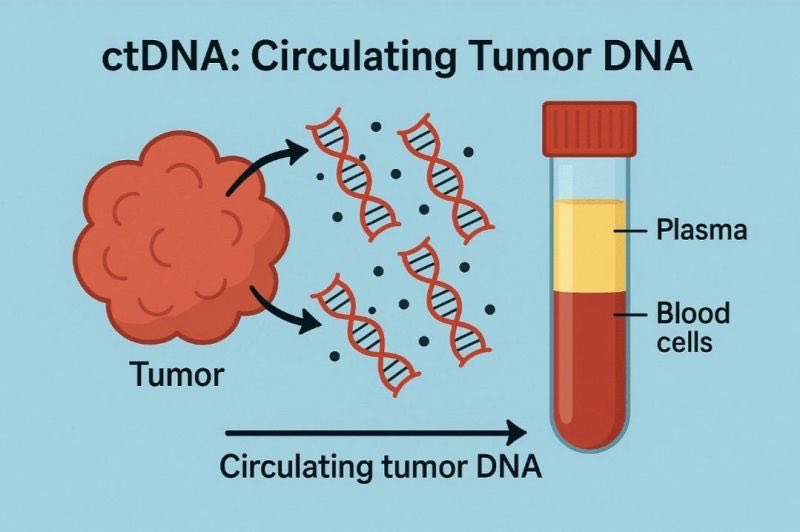
Blood test for colorectal cancer (CRC) - Detects circulating tumor DNA (ctDNA) via next-generation sequencing looking for specific DNA methylation patterns & genetic alterations characteristic of CRC; 83% sensitivity, 90% specificity (few false positives)