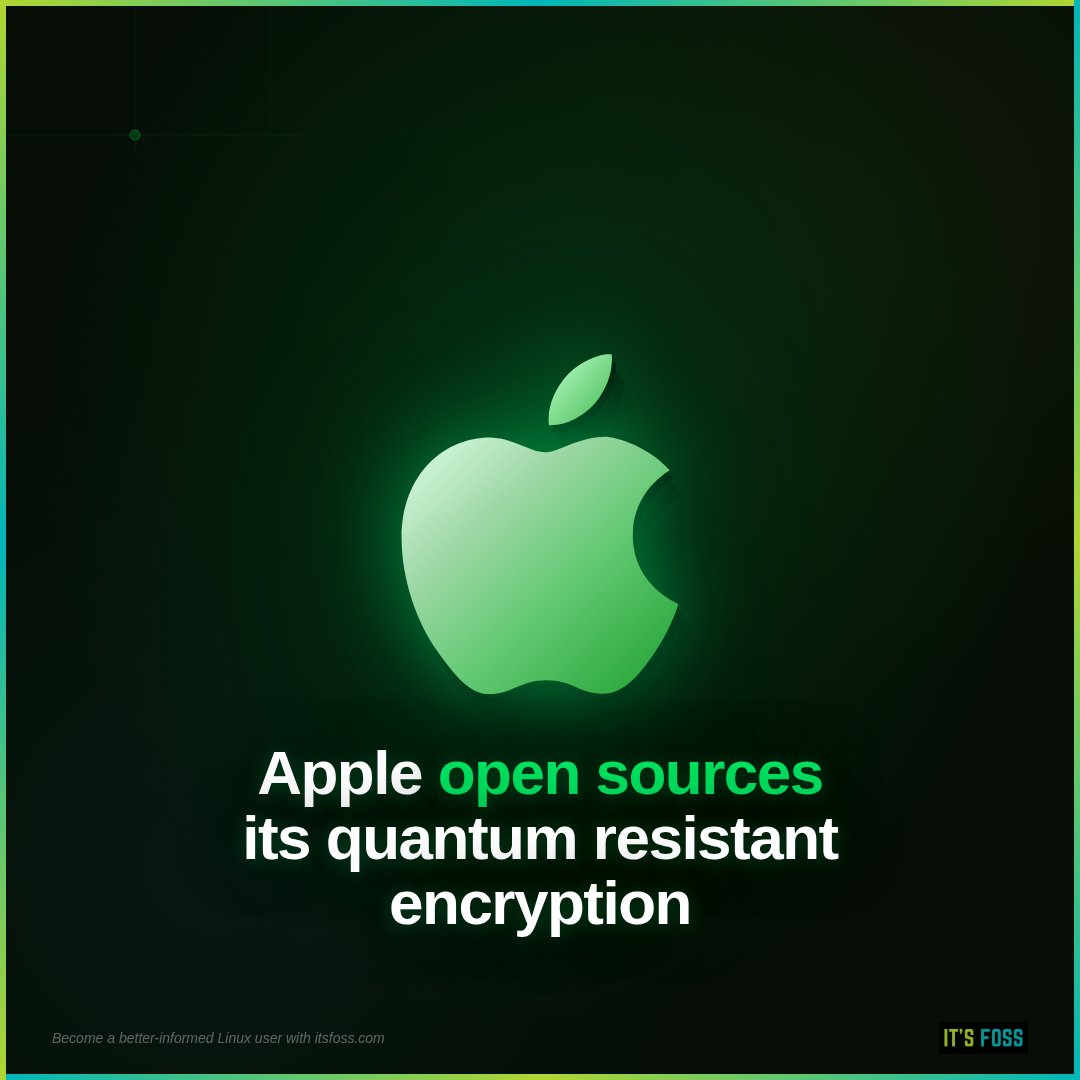
Quantum computers will one day break the encryption protecting your messages. Apple is preparing for that now and they just made their work public.
Apple has open-sourced the post-quantum cryptography code from corecrypto, the encryption library running on over 2.5 billion Apple devices. It protects iMessage, VPNs, and HTTPS connections.
Here is why this matters.
Most encryption used today relies on math problems that regular computers find nearly impossible to solve. Quantum computers can solve those same problems with ease. They do not exist yet at the scale needed, but the threat is considered real enough that governments and major tech companies are already preparing.
The solution is post-quantum cryptography, a new generation of algorithms designed to resist quantum attacks. Apple has picked two of the NIST-standardised ones: ML-KEM and ML-DSA.
By open-sourcing the code and the mathematical proofs behind it, Apple is letting independent experts verify that there are no hidden flaws. This is a big deal because a single bug in corecrypto could compromise the security of every app and feature running on 2.5 billion devices.
And independent review already proved its value here. During formal verification, researchers found a flaw in an early implementation that standard testing would have missed entirely.
This is how security should work. Build it in public, let others verify it, fix what gets found.
Apple does not always get credit for open-source contributions. This one deserves it.
@davepl1968 Oh, the good ol' days when everything worked. Had an old 62 Ford Falcon with a straight 6, 2 speed automatic and a manual choke. More reliable than most cars today!
🚨Exciting news: Tuta Drive (closed beta) has just been released in our desktop clients, including #Linux, #Windows, #MacOS.
Get excited for the public beta!!! 🎉
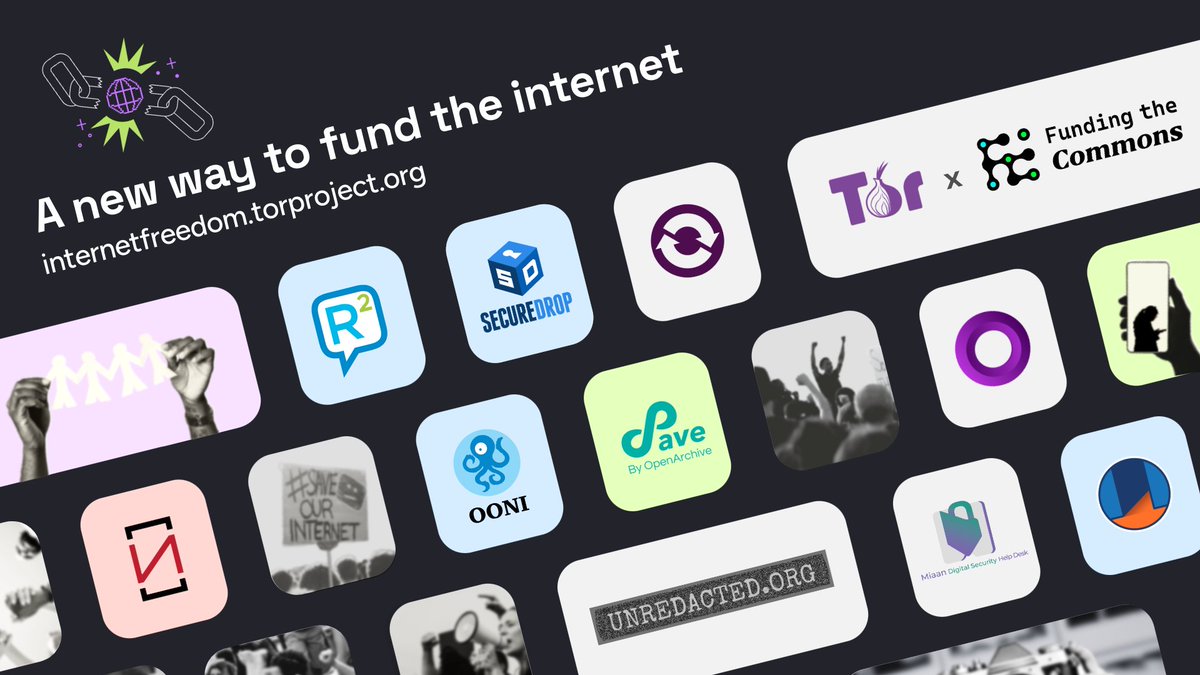
Tor is strongest when the broader internet freedom ecosystem is healthy. In partnership with @FundingCommons we are excited to launch a web3-native crowdfunding initiative benefitting 10 internet freedom projects at https://t.co/Nqkoxt9g8T.
Thank you to or generous matchfunders @cakewallet, @ZcashCommGrants, @Logos_network, and @OctantApp
https://t.co/x1w3gkZEZO
@alphafox I feel ya. I got setup for failure in a job with 15 years working from the bottom up and got the same, a swift kick and a don't try to get hired here again. It was probably one of the best things that has ever happened to me. Took about 5 years to recover, but I am much happier.
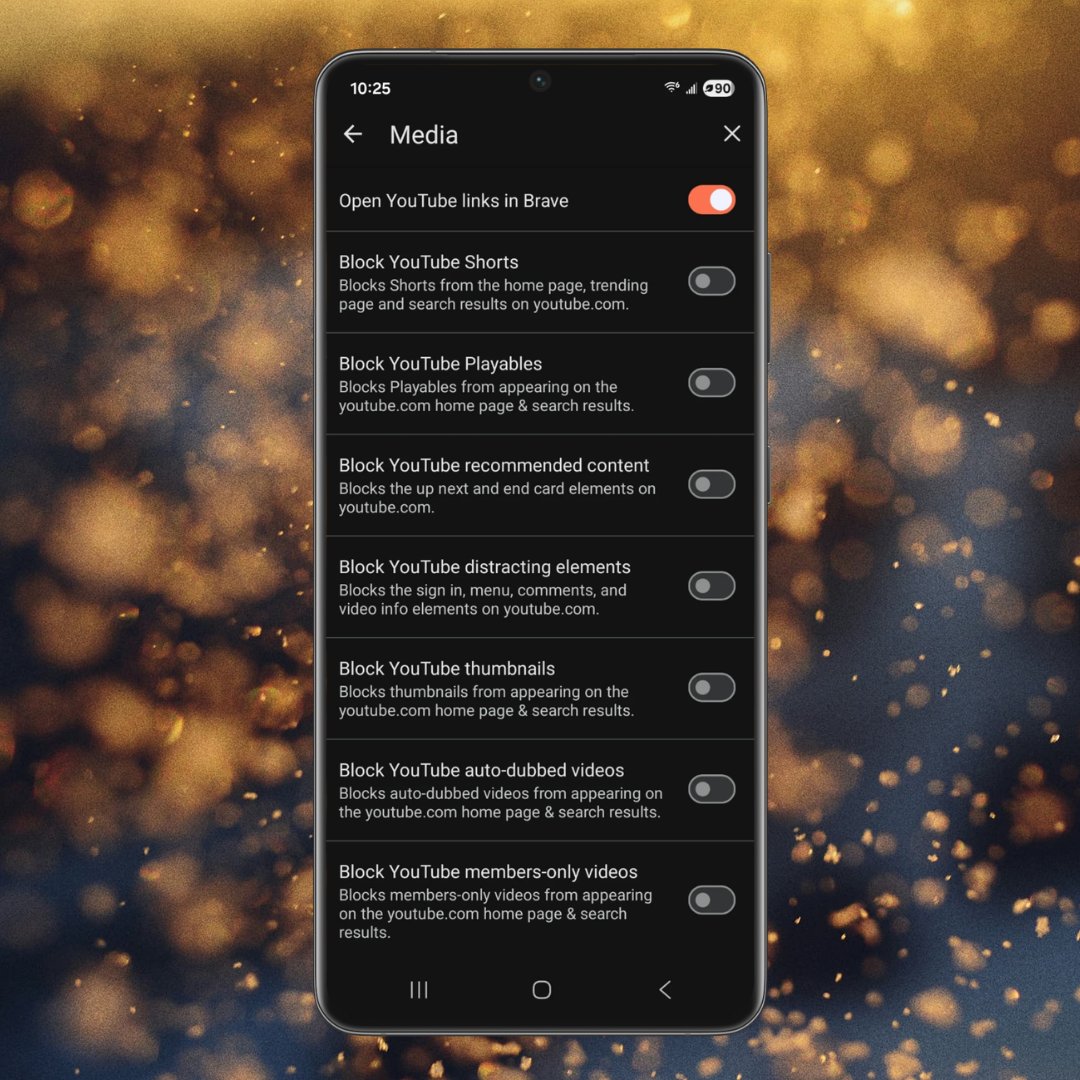
We recently added optional filters to Brave so you can block features on YouTube like Playables or members-only videos.
To make these new filters easier to find, we've added them to Settings -> Media on Android.
The internet feels very different once you start De-Googling.
Most people don't realize Google can track:
• searches
• emails
• location history
• photos
• browsing habits
• device activity
That’s why privacy focused alternatives are growing FAST
The best part?
You don't need to quit Google overnight.
Even small changes massively reduce tracking.
And honestly...
once you fully leave the Google ecosystem, going back feels weird.
I also published a full article with:
• recommended privacy tools
• migration guides
• Android alternatives
• self-hosting tips
• beginner friendly steps
for anyone interested in starting their De-Googling journey.
https://t.co/fjYMMDmtqw
Happy birthday to Robert Johnson, born on this day in 1911.
Although his recording career spanned only seven months, he is recognized as a master of the blues, particularly the Delta blues style, and as one of the most influential musicians of the 20th century.