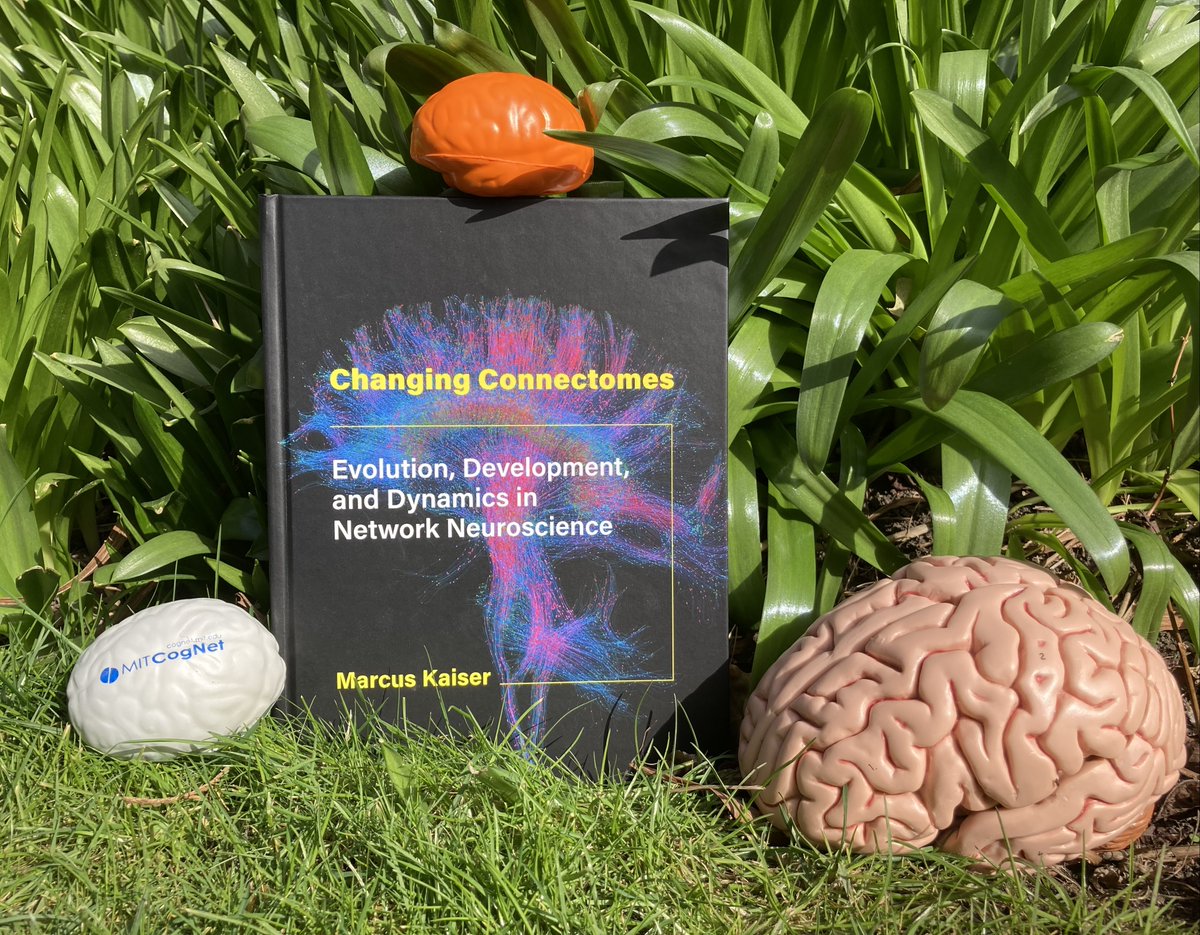
How do #connectomes develop and change over time?
You may consider the book Changing Connectomes from
@mitpress
Sample content at: https://t.co/BetdoTsUvJ
You can order at:
https://t.co/f0O9GZu2f1
or
https://t.co/qcemCs6Bin
#neuroscience#psychology#NeuralNetworks#Brain
3-year funded PhD studentship at Nottingham using neurophysiology methods to examine sensorimotor function in individuals with Tourette
syndrome.
The PhD would start in February 2027 and is open to UK citizens only
enquiries to
[email protected]
Then & Now: 20 Years of Focused Ultrasound Progress
When the Foundation was established in 2006, only a handful of companies worldwide were developing focused ultrasound technologies.
Twenty years later, that number has grown to 165+ companies worldwide—a striking sign of how dramatically the field has expanded. Today, these companies are advancing new devices and treatment platforms and bringing technologies into clinical use.
This expanding commercial landscape is an important part of focused ultrasound’s evolution. With nearly 200 medical indications now in various stages of research, development, and clinical adoption, companies play a critical role in translating scientific advances into technologies that can reach more patients worldwide.
Follow #FUSF20 as we celebrate 20 years of milestones that have shaped focused ultrasound.
Learn more in the 2026 State of the Field report: https://t.co/MrGIrTkcyT
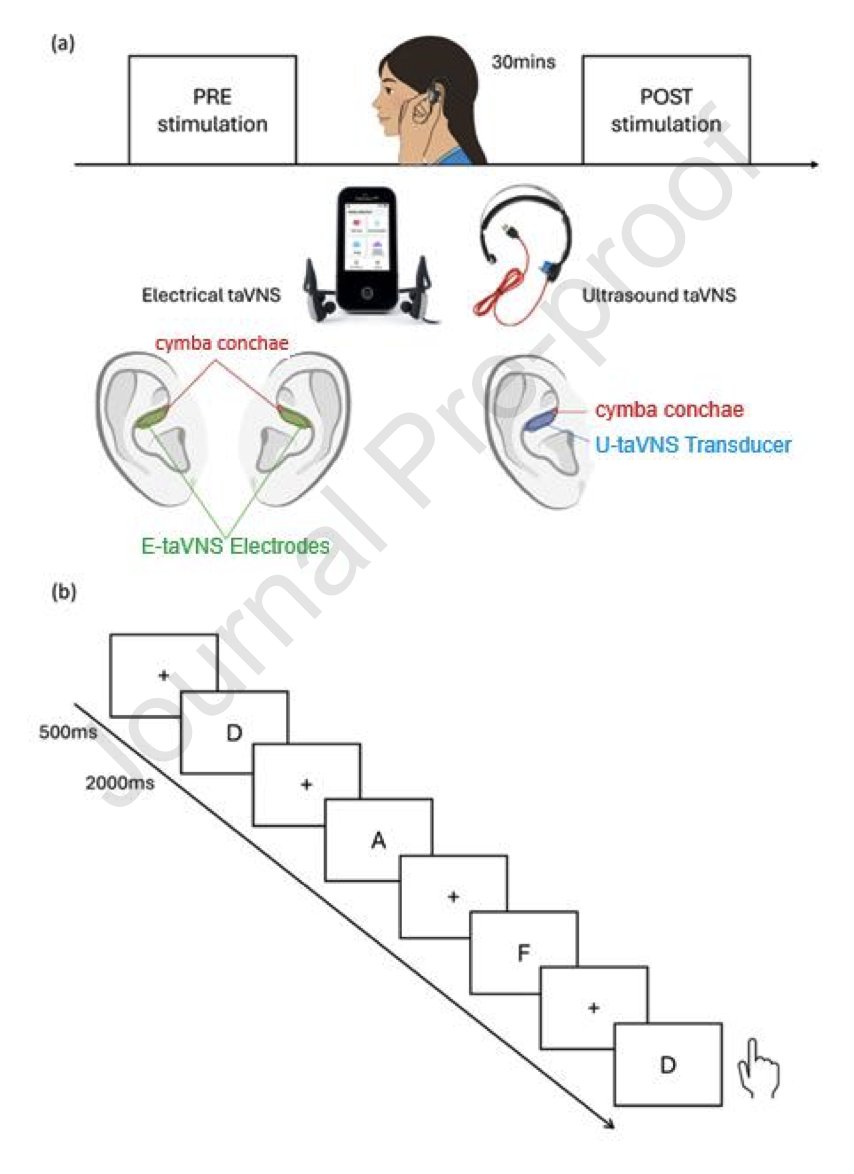
Very pleased to share our latest work, led by Prof. Jeyoung Jung: “Transcutaneous auricular Vagus nerve stimulation for working memory enhancement: A comparative study of electrical and ultrasound stimulation”
In this study, Dr Alicia Falcon-Caro directly compared electrical (E-taVNS) and ultrasound (U-taVNS) transcutaneous auricular vagus nerve stimulation for enhancing working memory.
🧠 Using a sham-controlled, within-subject design and a 3-back working-memory task, we found that:
• Active taVNS enhanced working-memory sensitivity (d′) from pre- to post-stimulation.
• The treatment effect did not significantly differ between electrical and ultrasound taVNS, although potentially meaningful modality-specific differences remain to be established.
• Baseline anxiety predicted individual responsiveness to stimulation, highlighting the importance of individual variability in neuromodulation.
• Ultrasound stimulation showed promising tolerability, with less reported skin irritation than electrical stimulation.
Together, these findings add to growing evidence that non-invasive vagus nerve stimulation can modulate human memory, while highlighting ultrasound as a promising alternative approach for peripheral neuromodulation.
https://t.co/WWpsIbrPeB
#ultrasound #neuromodulation #cognition #zenbud
Great to see that your work on computing in the brain that started a long time ago is still continuing!
Maybe you can test some concepts using biological tissue rather than an experimental physics setup? For example, could you interfere with ongoing brain computation using external fields?
BEYOND TURING – film out now!
A documentary concerning computers, minds and the nature of reality.
Featuring a range of renowned scientists, and daring stunts by yours truly.
https://t.co/Lk00MPdpOu
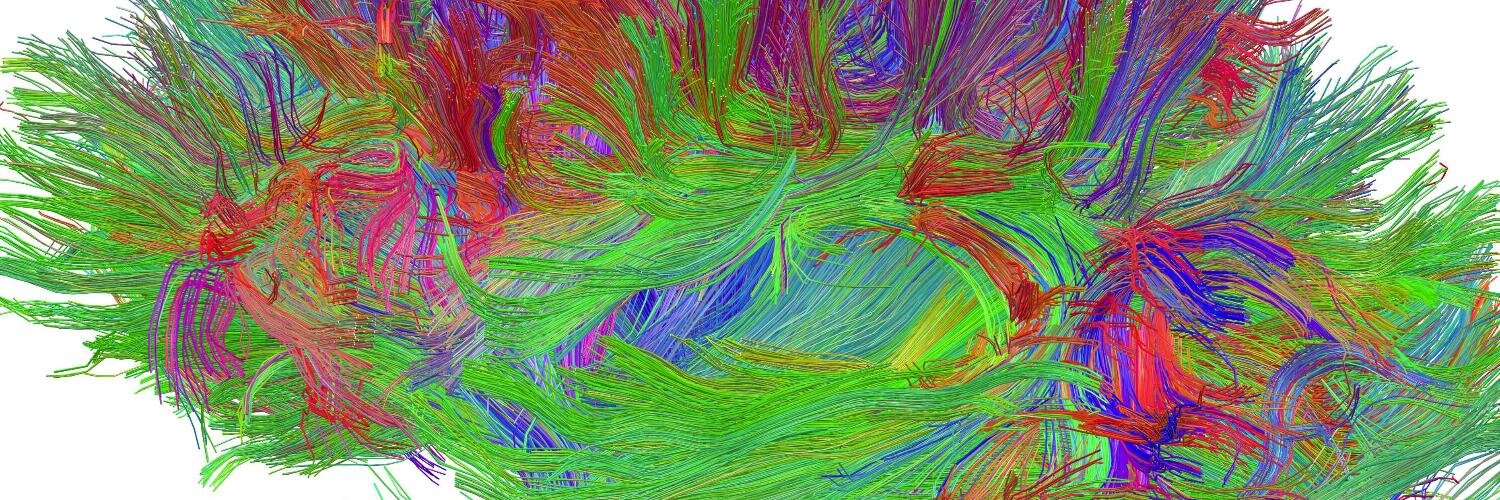
Click anywhere on the brain and see that region's projections.
Fibers are diffusion tractography (dMRI) from Human Connectome Project
https://t.co/Fl4O6YnbiB
Not sure how to visualise your connectome data?
Want to easily share interactive visualisations?
Check our latest paper in @netneurosci led by @m_gajwani & C Adamson introducing NeuroMarvl - an open source web-based platform for visualising and sharing connectome data!
Paper:
https://t.co/6aenU53yUk
Software (use Chrome):
https://t.co/jDz8lVDhrP
@NSB_Lab
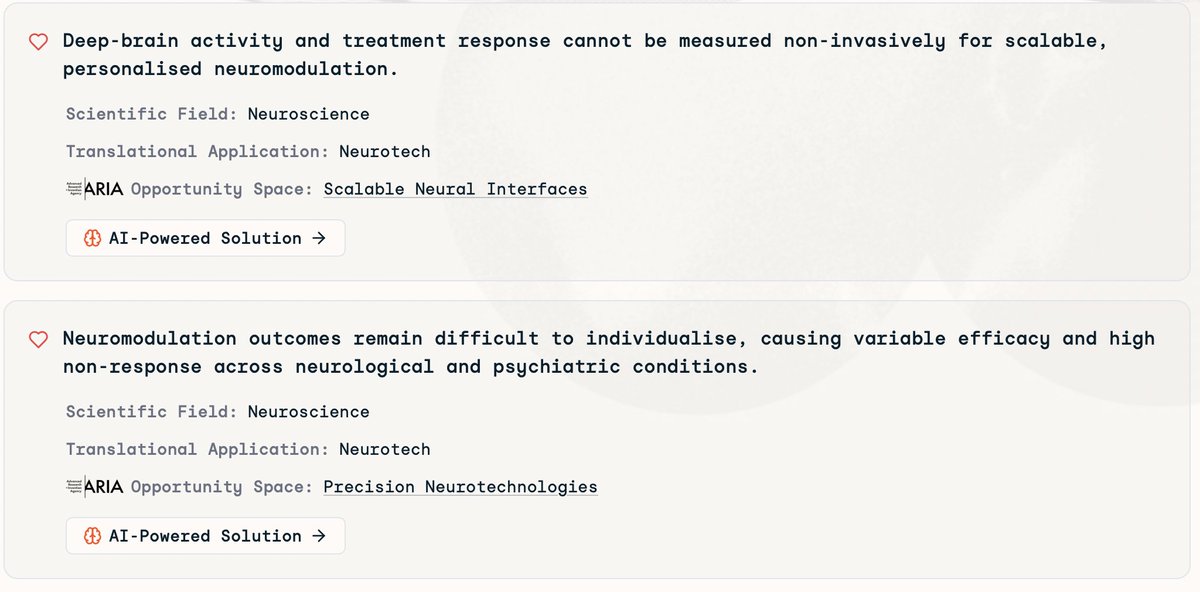
Our two research challenges are now live on the Encode: AI for Science Challengescape - connecting bottlenecks with the AI talent that can solve them
You can find our projects by filtering for 'Nottingham'
https://t.co/md7EeQJVTV
Take a look and reach out if you could help...
Do you have 3+ years of postdoctoral experience and want to develop noninvasive interventions for schizophrenia?
Contact me if you want to look into transcranial focused ultrasound or ultrasound vagus nerve stimulation approaches at our N3 Centre for Neurotechnology, Neuromodulation, and Neurotherapeutics.
Your MQ Research Fellowship would complement our ongoing research as part of our closed-loop noninvasive neuromodulation MRC programme grant...
https://t.co/8eTmBICYOa
#mentalhealth #schizophrenia #TUS #ultrasound #psychosis
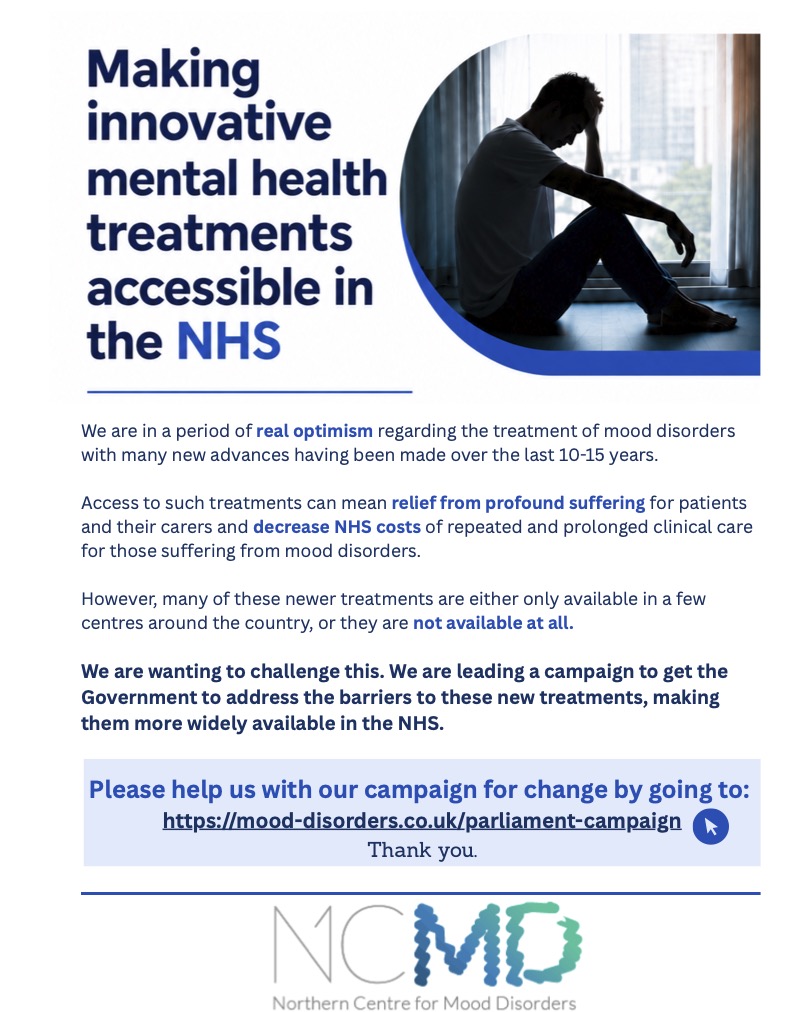
While there are several novel interventions for mental health, including noninvasive brain stimulation, few make it into the UK healthcare system.
Join the campaign to make more mental health treatments accessible in the NHS:
https://t.co/nny0VDjUtV
#depression #neuromodulation #tms #fus #tus #ultrasound
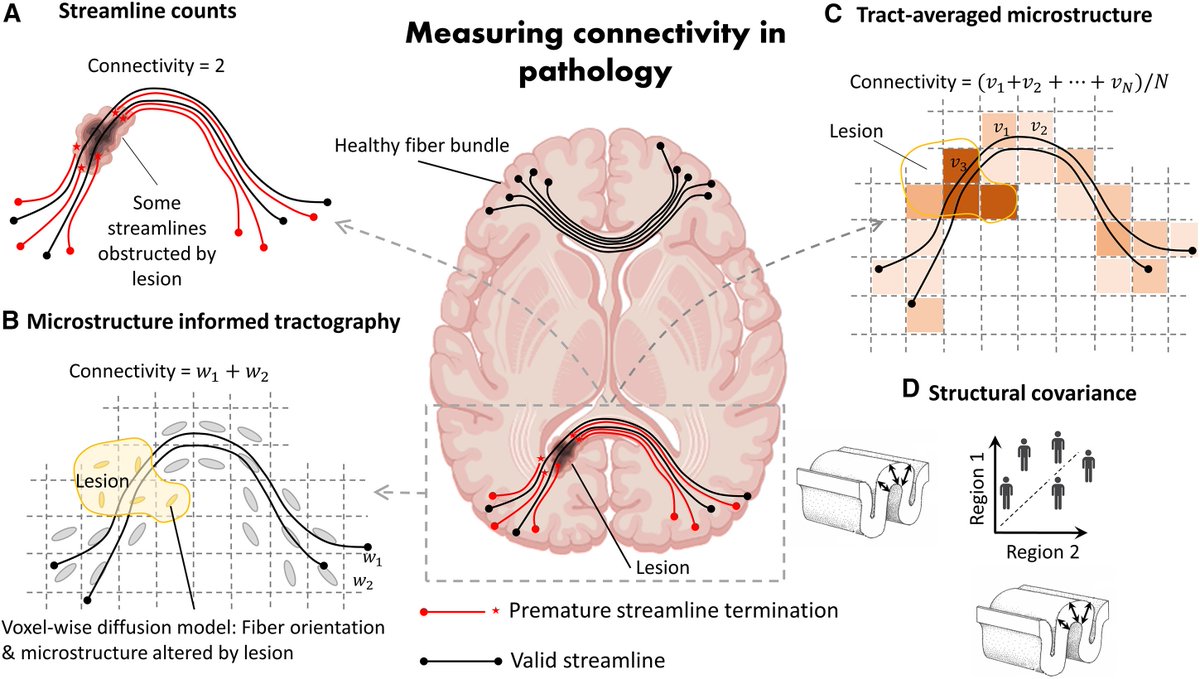
Mapping connectomes in disease?
Check out our article on clinical connectomics in @NeuroCellPress
- Tractography behavior in disease
- How to measure connectivity
- How pathology impacts each stage of connectome mapping
- Multiscale connectomics
https://t.co/u4CcFuPjPL
According to Karl Friston, a sure sign of AGI is when your chatbot gets curious. Imagine being prompted by an AI instead of the other way around.
You can watch the full interview with one of the greatest neuroscientists today on my YT channel, link below 👇
Each year, we speak about 338 fewer words per day.
[An unexpected research opportunity] was recently afforded to us when analyzing several data sets. These data feature estimates of daily spoken words for 2,197 participants aged 10 to 94 based on a careful analysis of passively sampled ambient audio recordings of their daily lives..
The report yielded an estimate for the average number of spoken words per day of 12,792, an estimate noticeably lower than what a prior study from 2007 yielded using the same method (M = 15,959). After verifying that this was not a mathematical error, we decided to put the hypothesis that we had lost wordsover time to the test.
By relating the estimates of participants' daily spoken words to the year their data were collected, we discov– ered that for each year between 2005 and 2019 an average of 338 fewer words were spoken per day, as estimated using Bayesian multilevel modeling.
At first glance, 300 or so words seems like a small, insignificant loss, as if it would not make much of a difference. But, as trivial as 338 words a day may feel, the loss of these daily spoken words unavoidably adds up. It means that, each year, we speak more than 120,000 words fewer than in the previous year. From 2005 to 2019, the reduction in the estimated number of words spoken per day was about 28%.
While putting a number to the loss, there is much about those lost conversations that these data cannot answer. Were they lost with friends, or family, or with strangers? Were they lost equally for everyone, or just for a select few? What were those conversations about?
Although the time period of our data collection coincides with the rise in digital communication, such as texting, emailing, or social media, it is currently unclear whether digital conversations contribute to, and can make up for, a loss of spoken words.
Godfather of neuroscience and author of The free energy principle (active inference), Karl Friston @KarlFristonNews , discussed with me his take on AGI, consciousness, why we will never fully understand the brain, and why humans tend to repeat their mistakes. Key moments:
- You'll know AGI has arrived when the system starts asking you questions out of genuine curiosity, not because it was prompted to
- You cannot hand an intelligent system a value function from the outside, it must learn its own, just as children do (in that sense, RL with assigned reward is the wrong direction)
- The only sustainable universal objective function is adaptive fitness: how well the agent fits and survives within its ecosystem
- Consciousness requires multiple layers: genuine agency, a self-reflective loop, and the ability to recognize your own states of mind
- True sentience may be impossible on standard computer architecture, because memory and processing are separate and cannot self-organize
- Understanding your own brain is philosophically impossible in the same way a ruler cannot measure itself
- Neuroscience is always "peeking behind" the Markov blanket indirectly: through imaging, electrophysiology, psychology — never seeing inside directly
- The only way to truly access the brain is to breach that boundary (e.g. neurosurgery), but a breached brain is no longer a normally functioning one
Watch the full interview and let me know what you think. Link below👇