Attending #CPHIA2026?
Join our side event on data sovereignty. See the Countdown Data Suite in action & explore country-owned health analytics.
📅 Tue, Nov 24
🕟 16:30–18:00 EAT
📍 Addis International Convention Center, Africa Hall
More here 👉 https://t.co/Nji1FYWs8H
@aphrc
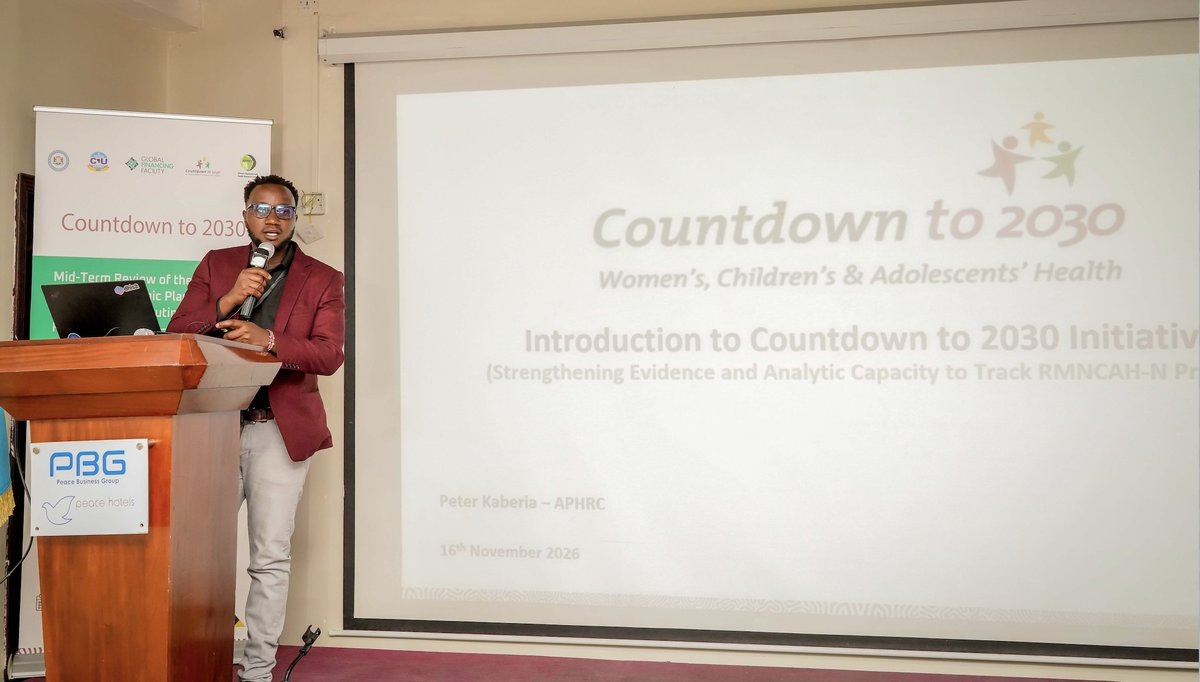
The review was conducted on November 14–15, 2026, by the Countdown to 2030 Somalia country collaboration team, comprising representatives from Federal Ministry of Health- Somalia, @CapitalSomalia , @theGFF and @aphrc.
4/4
Yesterday, the Countdown to 2030 Somalia country collaboration team shared preliminary findings from the Mid-Term Review of Somalia’s Reproductive, Maternal, Newborn, Child and Adolescent Health (RMNCAH) Strategic Plan 2023–2027 in Mogadishu.
1/4
Addressing these gaps will help align national monitoring with the Sustainable Development Goals, enabling Somalia to track progress against global targets for maternal, newborn and child survival.
3/4
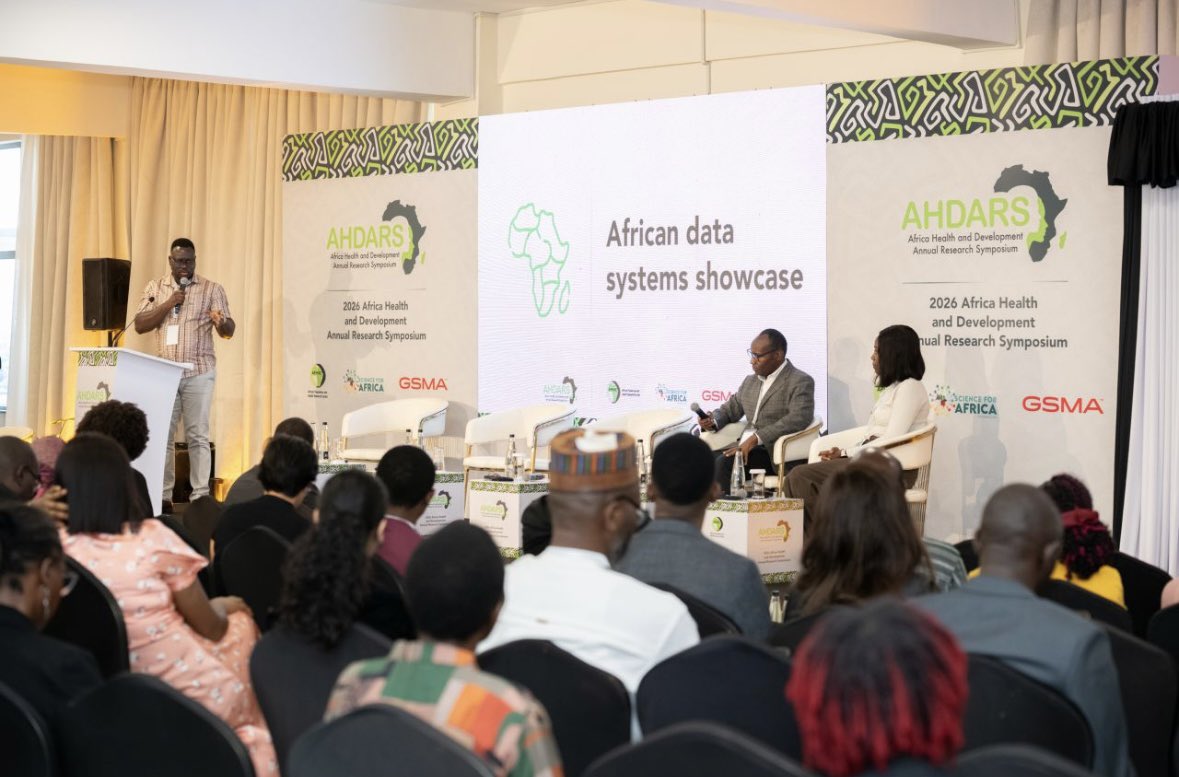
At #AHDARS2026, we moved from ideas to evidence. The African data systems showcase brought together work from @aphrc , @SciforAfrica for and @GSMAAfrica
A few highlights:
✅ @MHDPrizeAFRICA , presented by Sylvia Kiwuwa: using data to better understand anxiety, depression and psychosis across the continent
✅ @DSWB_Updates , presented by Steve Cygu: applying data science, machine learning and AI to strengthen global health decisions
✅Atlas Umoja AI , presented by Fridah Manyaki : building the benchmarks, models and communities needed to advance African language AI
✅ @Countdown2030 , presented by Martin Mutua: tracking progress on life-saving interventions for women, children and adolescents
✅ AI-powered Clinical Decision Support Tools, presented by Jesse Gitaka of @MountKenyaUni and funded by @SciforAfrica : supporting healthcare providers with up-to-date information for better neonatal care. The future of African health research is being built by Africans, with African data, right now.
Through country-led evidence generation and capacity strengthening, the initiative is empowering African institutions to generate and use evidence to inform policies, improve health outcomes, and accelerate progress towards the sustainable development goals.
2/2
#AHDARS2026
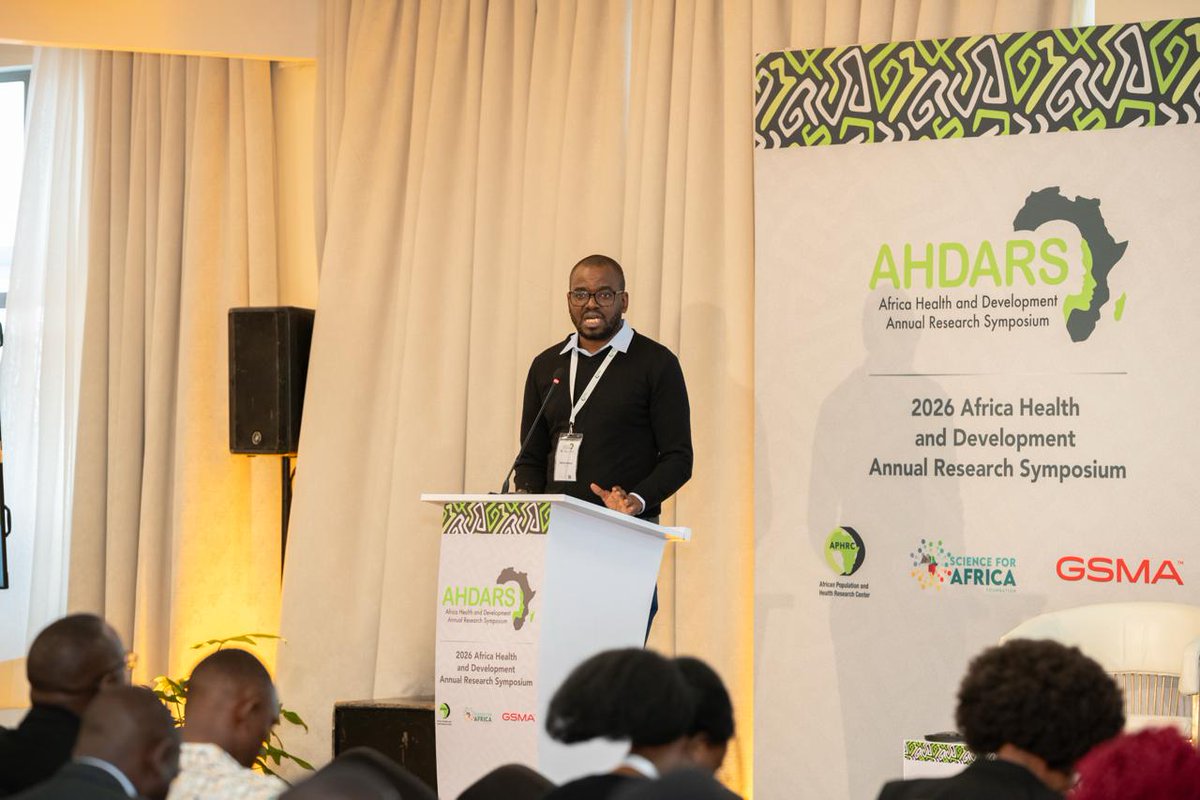
At the ongoing #AHDARS2026, Martin Mutua showcased how we're strengthening data analysis and local capacity across African countries to track coverage of life-saving Reproductive, Maternal, Newborn, Child & Adolescent Health & Nutrition.
1/2
@aphrc@SciforAfrica@GSMAAfrica
#IamAPHRC BossLady@9
Today marks nine years of @CKyobutungi as #IamAPHRC's Executive Director🎉🎉🎉
✨Through the years, certain words have remained close to her, anchoring her leadership.
😊 Now, let’s hear from #BossLady herself.
🎬 Take a look. Which quote speaks to you?
Updated RMNCAH+N data from 30+ African countries! Results of this year’s analysis workshop are available on our website. Get the latest estimates for key indicators across the continuum of care.
https://t.co/M69V57NIG2
@aphrc@ephi@thegff@equity_iceh
📢🥁🔊🎉The latest #IamAPHRC newsletter is out!
This edition features stories of collaboration and innovation from across the continent, showing what we can do when stakeholders come together.
📖 Read the latest APHRC newsletter: https://t.co/GUGV1FTHua
#Collaborations
Our country collaboration in Burkina Faso has been using data to stimulate productive conversations about how to improve RMNCAH: https://t.co/MxR8xr1oEU @ISSPBF@aphrc@theGFF
📢 New Publication Alert!
A new study by #IamAPHRC researchers @Komondi89 , Eliud Wekesa, Symon M Kariuki, Rachel Odhiambo, Daniel Osuka, @SoumOUEDER , Patricia Kitsao-Wekulo, @agnes_kiragga , and @CKyobutungi highlights the growing influence of Demographic and Health Survey (DHS)-based research in shaping both science and policy.
The study found that DHS-based evidence continues to drive scientific discovery through increasing academic citations while informing health policies and decision-making across low- and middle-income countries.
The findings underscore the importance of sustained investment in high-quality, open, nationally representative data to strengthen evidence-informed policymaking.
Read the full study: https://t.co/Q52UcIAyAn
@theGFF @alignmnh @Countdown2030
Why doesn't higher contraceptive use always mean fewer unintended pregnancies?
A new #Countdownto2030 article published in @GlobalHealthBMJ shows this paradox is temporary and mainly occurs in Sub-Saharan Africa.
🔗 https://t.co/xpNSM8a6uD
@aphrc@theGFF @alignmnh
📢 New Publication Alert!
An exploratory mixed-methods assessment of private health sector readiness for reporting through the Ministry of Health and Child Care Health Information System in Zimbabwe.
Read more 👉https://t.co/jOQzaOHCT4
@aphrc@MoHCCZim@theGFF
🎉Congratulations @EPHIEthiopia on your centenary.
We celebrate your remarkable achievements and value our continued partnership in advancing research, strengthening country-led evidence, and improving health outcomes across Africa.
#CountryLedEvidence@aphrc@FMoHealth