भारतातील जनतेची वर्तमान आर्थिक स्थिती लक्षात घेता वातानुकूलित (AC) लोकलचे तिकीट सर्वसामान्य जनतेला परवडणारे नाही. रेल्वेची सुरुवात तळागाळातील सर्वसामान्य जनतेला केंद्रबिंदू मानून झाली होती. मात्र आज सर्वसामान्यांना न परवडणाऱ्या तथाकथित वातानुकूलित (AC) गाड्यांची संख्या वाढवली जात आहे. दुसरीकडे सर्वसामान्यांना परवडणाऱ्या साध्या लोकलची संख्या कमी केली जात आहे. हा मूर्खपणाचा कळस आहे. साध्या गाड्यांची संख्या कमी करून त्यावेळेत भरमसाट तिकीट असणाऱ्या AC लोकल वाढवल्या जात आहेत. त्यामुळे साध्या लोकलमध्ये प्रवाशांची गर्दी वाढतच आहे जे सर्वसामान्य जनतेसाठी त्रासदायक आहे. एकीकडे देशातील जनतेला आर्थिकदृष्ट्या सक्षम करण्यात सरकार अपयशी ठरले आहे तर दुसरीकडे सर्वसामान्यांच्या आर्थिक स्थितीला न परवडणारी व केवळ मूठभर श्रीमंतांचे लांगूलचालन करणारी धोरणे ही शासनव्यवस्था राबवत आहे. ही सर्व परिस्थिती सर्वसामान्य जनतेला डोईजड होऊन त्याचा विस्फोट होण्याआधीच व्यवस्थेने आपले प्राधान्यक्रम बदलावेत अशी अपेक्षा आहे.
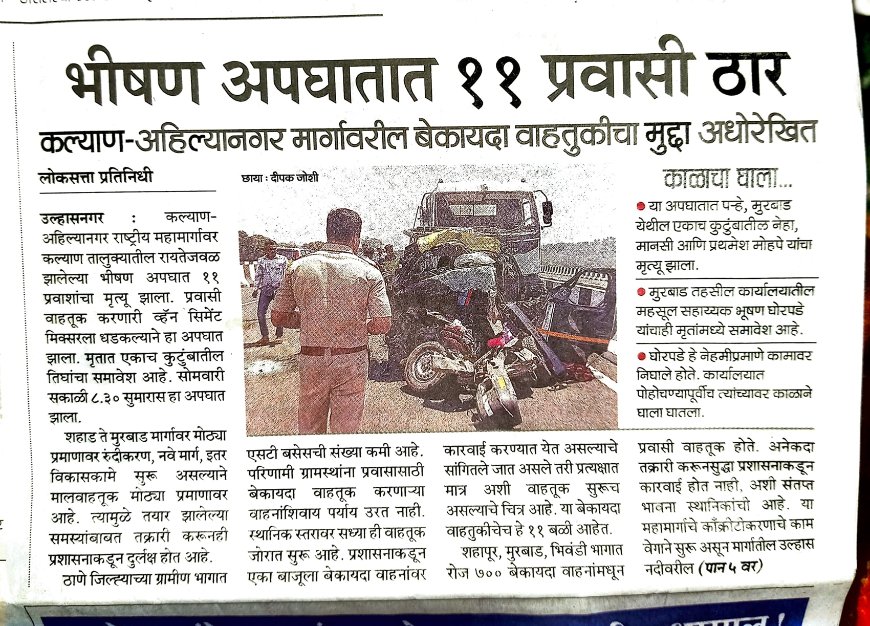
राज्य परिवहन महामंडळाच्या (एसटी) अनियमित वेळा व नियोजनाचा अभाव यामुळे प्रवाशांना खासगी प्रवासी वाहनांचा आधार घ्यावा लागतो. व खासगी प्रवासी वाहतूकदार नफेखोरीसाठी क्षमतेपेक्षा जास्त प्रवाशांची वाहतूक करतात. व यातून असे भीषण अपघात घडतात.
हे केवळ सार्वजनिक वाहतुक व्यवस्था अपुरी असल्याने होत आहे. शासनाने एसटी बसेसची संख्या वाढवण्यासाठी व त्यासाठी आवश्यक तेवढ्या चालक-वाहकांची भरती करण्यासाठी पाऊल उचलले पाहिजे. आणि भरमसाट तिकीट आकारणाऱ्या वातानुकूलित बसेस वाढविण्याऐवजी सर्वसामान्यांना परवडणाऱ्या साध्या बसेसची संख्या जास्तीत जास्त प्रमाणात वाढविली पाहिजे. सार्वजनिक वाहतुक व्यवस्था अधिक बळकट झाली तरच असे अपघात कमी होतील.
नुकत्याच पार पडलेल्या महाराष्ट्र विधीमंडळाच्या अर्थसंकल्पीय अधिवेशनात दोन्ही सभागृहाचे मिळून जवळपास चार तासांचे कामकाज हे केवळ मंत्र्यांच्या अनुपस्थितीमुळे वाया गेले आहे. सुस्तावलेले सत्ताधारी व कमकुवत विरोधी पक्ष हे अधिवेशनाची परिणामकारकता कमी होण्यामागील प्रमुख कारण आहे.
आपले लोकप्रतिनिधी कितपत जबाबदारीने कर्तव्य बजावत आहेत यावर जनतेचे लक्ष असायला हवे मात्र जनताच जर याकडे डोळेझाक करुन वायफळ गोष्टींमध्ये स्वतःचे मनोरंजन करुन घेण्यात आनंद मानत असेल तर लोकप्रतिनिधींचा बेजबाबदारपणा असाच वाढत राहिल.
"Zero FIR" संदर्भात महाराष्ट्र विधानसभेत झालेली चर्चा
✍️ अजित पवार यांच्या विमान अपघातासंदर्भात रोहित पवार यांनी काही दिवसांपूर्वी कर्नाटकमध्ये दाखल केलेला Zero FIR कर्नाटक पोलिसांनी पुढील कार्यवाहीसाठी महाराष्ट्र पोलिसांकडे पाठविला आहे.
हा मुद्दा आमदार रोहित पवार यांनी विधानसभेत उपस्थित केल्यानंतर मुख्यमंत्री देवेंद्र फडणवीस यांनी विधानसभेत त्यावर उत्तर दिले. मुख्यमंत्री म्हणाले की, "पीडित व्यक्ती ( Victim) जेव्हा घटनेच्या संबंधित अधिकार क्षेत्रातील (Jurisdiction ) पोलीस स्थानकात पोहचू शकत नाही तेव्हाच त्याला इतर पोलिस स्थानकात Zero FIR दाखल करता येतो. व जर अशा संबंधित अधिकार क्षेत्रातील पोलीस स्थानकांमध्ये जाण्यास पिडीत व्यक्तीला अडचण नसेल व संबंधित अधिकार क्षेत्रातील पोलीस स्थानकाचा अधिकारी FIR दाखल दाखल करून घेण्यास नकार देत असेल किंवा Accidental DeathReport (ADR) ला FIR मध्ये रूपांतरित करण्यास पोलीस नकार देत असतील तर अशा व्यक्तीला त्याविरोधात भारतीय नागरिक सुरक्षा संहिता (BNSS) चे कलम 175(3) खाली संबंधित अधिकार क्षेत्रातील न्यायदंडाधिकाऱ्याकडे (Magistrate) दाद मागण्याचा पर्याय उपलब्ध आहे. व हा पर्याय संबंधित पिडीत व्यक्तीने वापरायला हवा. मात्र अशाप्रकारे इतर राज्यामध्ये Zero FIR दाखल होऊ शकत नाही"
मुख्यमंत्री पुढे म्हणाले की FIR चा उद्देश हा "To set the Law in motion" हा आहे. कोणतीही प्रथमदर्शनी अपघाती स्वरुपाची घटना घडल्यानंतर प्रथम अपघाती मृत्यू अहवाल ( Accidentall Death Report - ADR) दाखल होतो. आणि तद्नंतर जर संबंधित घटनेत गुन्हेगारी घटक (Criminal Element), निष्काळजीपणा (Negligence), किंवा घातपात आहे असे दिसल्यास संबंधित ADR ला FIR मध्ये रूपांतरित करून आरोपपत्र (Chargesheet) दाखल होते. त्यामुळे ADR व FIR मध्ये जास्त अंतर नाही असं मूख्यमंत्री म्हणाले. कारण ADR व FIR या दोन्हींचाही उद्देश एकच म्हणजे "To set the Law in motion" हाच आहे. आणि "To set the Law in motion" हे अपघाताच्या प्रकरणात ADR नेच होते व त्यानंतर समोर आलेल्या निष्कर्षाच्या आधारे त्याला FIR मध्ये रूपांतरित करता येते. व पिडीतास पोलीस स्थानकाची सहज उपलब्ध नसल्यासच (Absence of Accessibility) इतर पोलिस स्थानकात झिरो एफआयआर दाखल केला जाऊ शकतो. मुख्यमंत्री फडणवीस व आमदार रोहित पवार यांच्यामध्ये विधानसभेतील चर्चेत ललिता कुमारी विरुद्ध उत्तरप्रदेश सरकार ( Lalita Kumari vs State of UP, 2014) व अमित कुमार विरुद्ध युनियन ऑफ इंडिया व इतर ( Amit Kumar vs UOI & Ors) या खटल्यांच्या संदर्भात चर्चा झाली.
@Dev_Fadnavis@RRPSpeaks@CMOMaharashtra
#ZeroFIR #FIR #BNSS #Law
बार कौन्सिल ऑफ महाराष्ट्र आणि गोवा निवडणूक - २०२६ च्या निमित्ताने सर्व वकील बांधवांनी काही मुद्दे विचारात घेण्याची नितांत आवश्यकता आहे. जसे की कायदा अथवा वकीलीच्या क्षेत्रात अनेक प्रश्न व समस्या आहेत ज्यावर प्रभावी व परिणामकारक उपाययोजनांची आवश्यकता आहे व यावर्षीच्या निवडणुकीत बार कौन्सिलवर निवडून येणारे सदस्य हे या प्रश्नांवर गांभीर्याने विचार करून त्यावर उपाययोजना करण्यासाठी प्रामाणिक प्रयत्न करणारे असावेत अशी अपेक्षा आहे.
१) कायद्याचे शिक्षण घेऊन वकील व्यवसायात येऊ इच्छिणाऱ्या तळागाळातील विद्यार्थ्यांसाठी व त्यांना येणाऱ्या वेगवेगळ्या अडचणींवर मात करण्यासाठी बार कौन्सिल कडून पूरक धोरण गरजेचे आहे.
२) प्रत्येक न्यायालयात वकीलांसाठी सर्व आवश्यक पायाभूत सोयीसुविधा.
३) नवीन विधी पदवीधरांच्या वकील म्हणून नोंदणी प्रक्रियेत अधिक सुलभता.
४) बार कौन्सिलच्या निवडणूकीस उभे राहण्यासाठी भरमसाट अनामत रक्कम भरावी लागते ती कमी करण्याची आवश्यकता आहे.
५) वकीलांच्या सुरक्षेसाठी आवश्यक कायदेशीर तरतुदींसाठी आवश्यक पाठपुरावा.
६) नवोदित वकिलांना सहाय्य, मार्गदर्शन व प्रशिक्षण
७) Bar व Bench म्हणजेच वकील व न्यायाधीशांमध्ये सौहार्दाचे वातावरण टिकून राहण्यासाठी आवश्यक प्रयत्न.
८) कायद्याच्या शिक्षणाचा दर्जा उंचावण्यासाठी आवश्यक धोरणात्मक उपाययोजना जसे की विधी महाविद्यालयांमध्ये नियमित प्राध्यापकांबरोबरच अनुभवी वकीलांचाही अध्यापन प्रक्रियेत समावेश बंधनकारक करणे गरजेचे आहे जेणेकरून विद्यार्थ्यांना भविष्यातील वाटचालीसाठी सक्षम बनवता येईल.
९) विधी अभ्यासक्रमाच्या प्रवेश प्रक्रियेत विद्यार्थ्यांची महाविद्यालयांकडून होणारी आर्थिक लूट थांबविण्यासाठी बार कौन्सिलकडूनही पाठपुरावा होणे आवश्यक आहे.
१०) आणि बार कौन्सिलचा कारभार अधिक प्रभावी व पारदर्शक व्हावा ही अपेक्षा आहे.
आपण सर्व वकील बांधव वरील बाबींना न्याय देऊ शकणाऱ्या उमेदवारांना निवडून द्याल अपेक्षा आहे.
- आपला नम्र -
ॲड. अक्षय साधू पडवळकर
बार कौन्सिल ऑफ महाराष्ट्र आणि गोवा निवडणूक - २०२६ च्या निमित्ताने सर्व वकील बांधवांनी काही मुद्दे विचारात घेण्याची नितांत आवश्यकता आहे. जसे की कायदा अथवा वकीलीच्या क्षेत्रात अनेक प्रश्न व समस्या आहेत ज्यावर प्रभावी व परिणामकारक उपाययोजनांची आवश्यकता आहे व यावर्षीच्या निवडणुकीत बार कौन्सिलवर निवडून येणारे सदस्य हे या प्रश्नांवर गांभीर्याने विचार करून त्यावर उपाययोजना करण्यासाठी प्रामाणिक प्रयत्न करणारे असावेत अशी अपेक्षा आहे.
१) कायद्याचे शिक्षण घेऊन वकील व्यवसायात येऊ इच्छिणाऱ्या तळागाळातील विद्यार्थ्यांसाठी व त्यांना येणाऱ्या वेगवेगळ्या अडचणींवर मात करण्यासाठी बार कौन्सिल कडून पूरक धोरण गरजेचे आहे.
२) प्रत्येक न्यायालयात वकीलांसाठी सर्व आवश्यक पायाभूत सोयीसुविधा.
३) नवीन विधी पदवीधरांच्या वकील म्हणून नोंदणी प्रक्रियेत अधिक सुलभता.
४) बार कौन्सिलच्या निवडणूकीस उभे राहण्यासाठी भरमसाट अनामत रक्कम भरावी लागते ती कमी करण्याची आवश्यकता आहे.
५) वकीलांच्या सुरक्षेसाठी आवश्यक कायदेशीर तरतुदींसाठी आवश्यक पाठपुरावा.
६) नवोदित वकिलांना सहाय्य, मार्गदर्शन व प्रशिक्षण
७) Bar व Bench म्हणजेच वकील व न्यायाधीशांमध्ये सौहार्दाचे वातावरण टिकून राहण्यासाठी आवश्यक प्रयत्न.
८) कायद्याच्या शिक्षणाचा दर्जा उंचावण्यासाठी आवश्यक धोरणात्मक उपाययोजना जसे की विधी महाविद्यालयांमध्ये नियमित प्राध्यापकांबरोबरच अनुभवी वकीलांचाही अध्यापन प्रक्रियेत समावेश बंधनकारक करणे गरजेचे आहे जेणेकरून विद्यार्थ्यांना भविष्यातील वाटचालीसाठी सक्षम बनवता येईल.
९) विधी अभ्यासक्रमाच्या प्रवेश प्रक्रियेत विद्यार्थ्यांची महाविद्यालयांकडून होणारी आर्थिक लूट थांबविण्यासाठी बार कौन्सिलकडूनही पाठपुरावा होणे आवश्यक आहे.
१०) आणि बार कौन्सिलचा कारभार अधिक प्रभावी व पारदर्शक व्हावा ही अपेक्षा आहे.
आपण सर्व वकील बांधव वरील बाबींना न्याय देऊ शकणाऱ्या उमेदवारांना निवडून द्याल अपेक्षा आहे.
- आपला नम्र -
ॲड. अक्षय साधू पडवळकर
"The gap between international legal theory and the reality of contemporary warfare suggests that international law may exist more in principle than in practice."
🧵 The AI Paradox: Are We Trading Our Creative Soul for Data Saturation?
We are currently witnessing the greatest information explosion in human history. But beneath the surface of this AI-driven "progress," a quiet crisis is brewing. It’s not just about the volume of data—it’s about the erosion of the human drive to discover, create, and think deeply.
1. The Trap of "Information Saturation" 🌊
We are entering the era of Model Collapse. As AI-generated content floods the internet, future AI models are being trained on the output of previous AIs. This creates a dangerous feedback loop—a "photocopy of a photocopy."
Instead of expanding the horizons of knowledge, we are homogenizing it. We are trading the "long-tail" of human nuance and rare insights for a beige, statistically probable wall of "AI slop." When everything is "plausible," nothing is profound. We aren't getting smarter; we’re just getting louder.
2. The Death of the "Struggle" (And Why It Matters) 🧠
Research isn't just about the final answer; it’s about the 'process'. The "struggle" of connecting disparate ideas, the late nights spent over difficult texts, and the accidental detours are where true innovation lives.
AI offers a "shortcut" to the result, but in doing so, it bypasses the cognitive friction required for Deep Thinking. If we stop exercising our mental muscles because a machine can "summarize" the world for us, we don't just lose time—we lose the capacity for complex problem-solving. We move from being Architects of Knowledge to mere Editors of Algorithms.
3. The Demotivation of the Human Spark 🕯️
There is a growing "fear of futility" among researchers, artists, and innovators.
The "Why Bother?" Effect: Why spend 10 years mastering a craft or a niche scientific field if a prompt can mimic the output in 10 seconds?
Devaluation of Mastery: When the "end product" is devalued by its ease of creation, the enthusiasm for the process dies.
Passion and enthusiasm are fueled by the feeling that our unique human perspective adds something that wasn't there before. If we begin to feel redundant, the "spark" of curiosity—the "What if?"—starts to flicker out.
4. Innovation Requires the "Absurd" 🚀
AI is built on probability; it predicts the most likely next word or idea. But true breakthroughs—the Einsteins, the Picassos, the Turings—come from the improbable. They come from taking "absurd" risks that a data-driven model would filter out as "noise."
If we rely solely on AI to guide our research and innovation, we will only ever find what is statistically expected. We will lose the "happy accidents" that define human progress.
---
💡 The Bottom Line:
AI should be a 'telescope' that helps us see further, not a 'blindfold' that does the seeing for us. We must protect the "human-in-the-loop"—not just for accuracy, but for the sake of our own intellectual and creative survival.
The most valuable skill in 2026 won't be knowing the answer; it will be the "courage to ask a question that hasn't been predicted yet."
#AI #Innovation #DeepThinking #Research #FutureOfWork #Creativity #TechEthics
इंधन टंचाई व इंधनाचे वाढते दर त्यासोबत वाढते प्रदुषण या गोष्टी लक्षात घेता इलेक्ट्रिक वाहनांना नियमांचे शुक्लकाष्ठ लावण्याची इतकी घाई करायला नको होती. राज्य सरकारने या निर्णयाचा फेरविचार करावा. #e_bike#e_rikshaw#electric_vehicles@Dev_Fadnavis