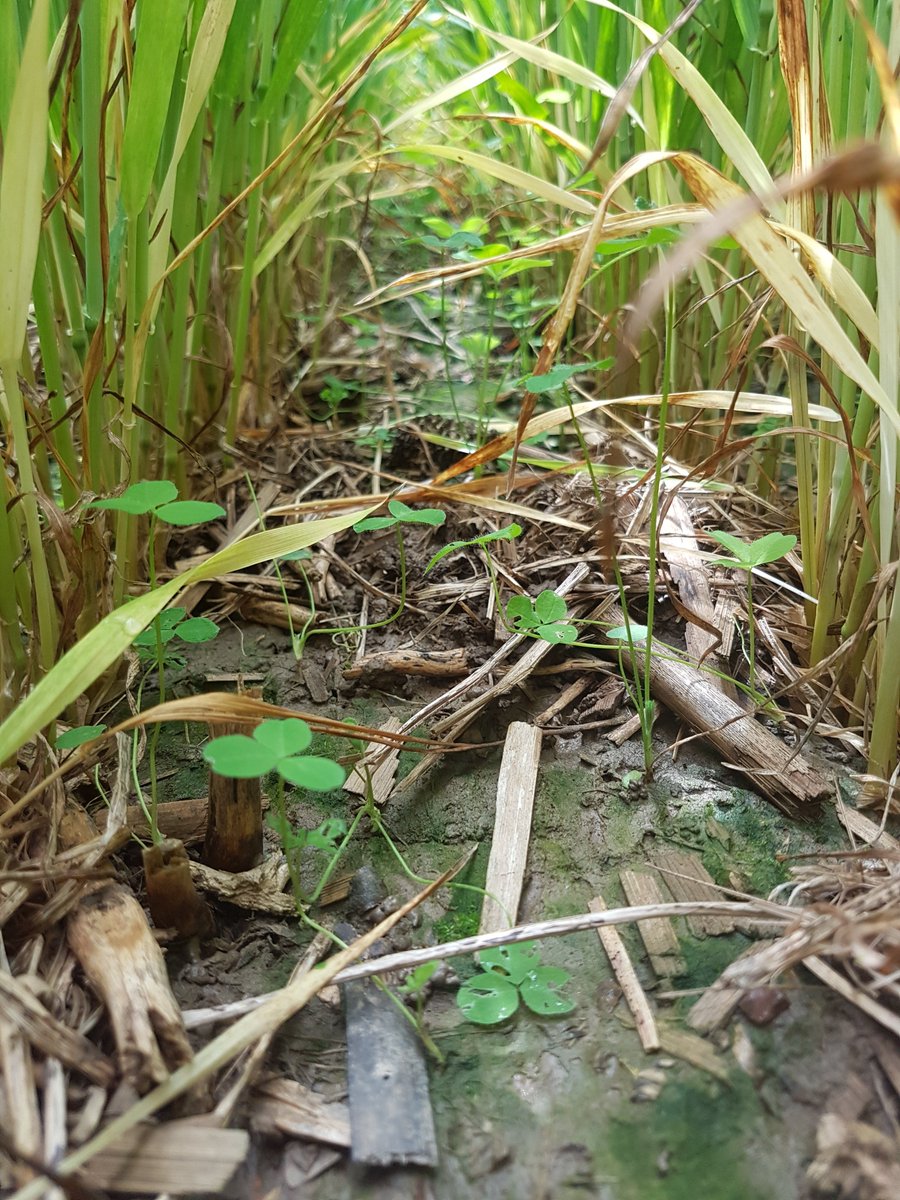
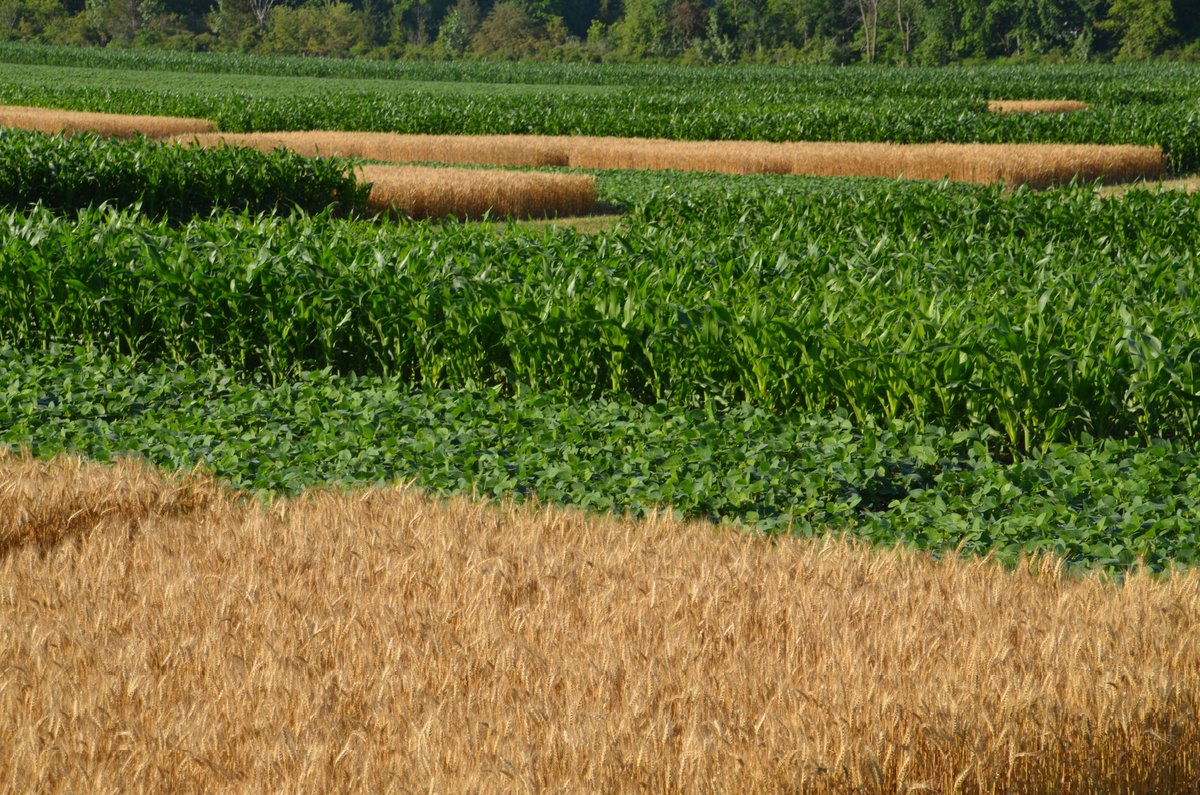
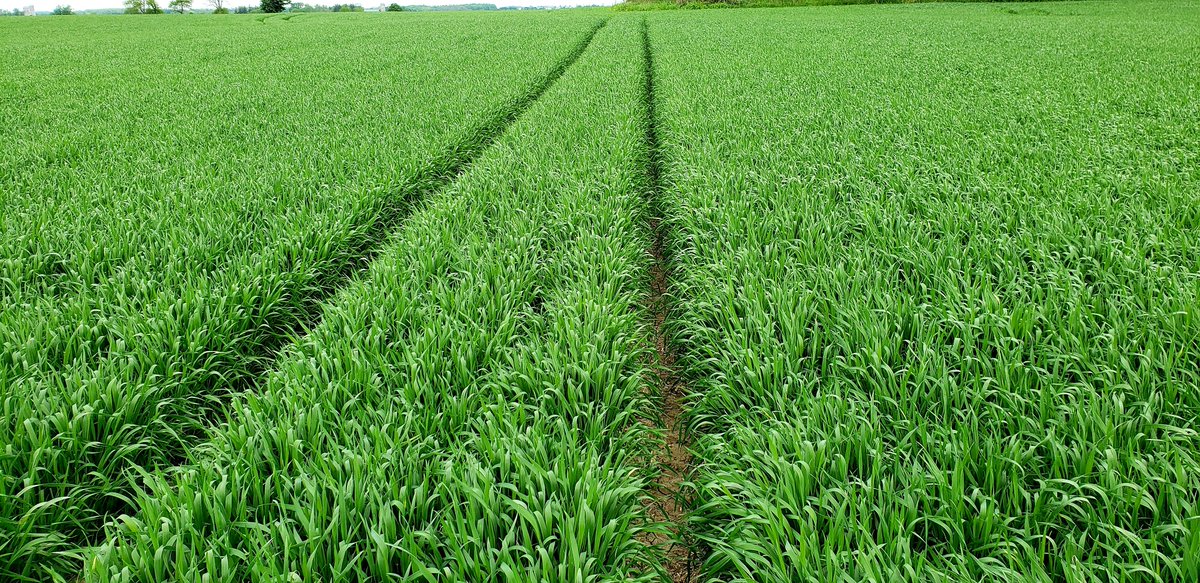
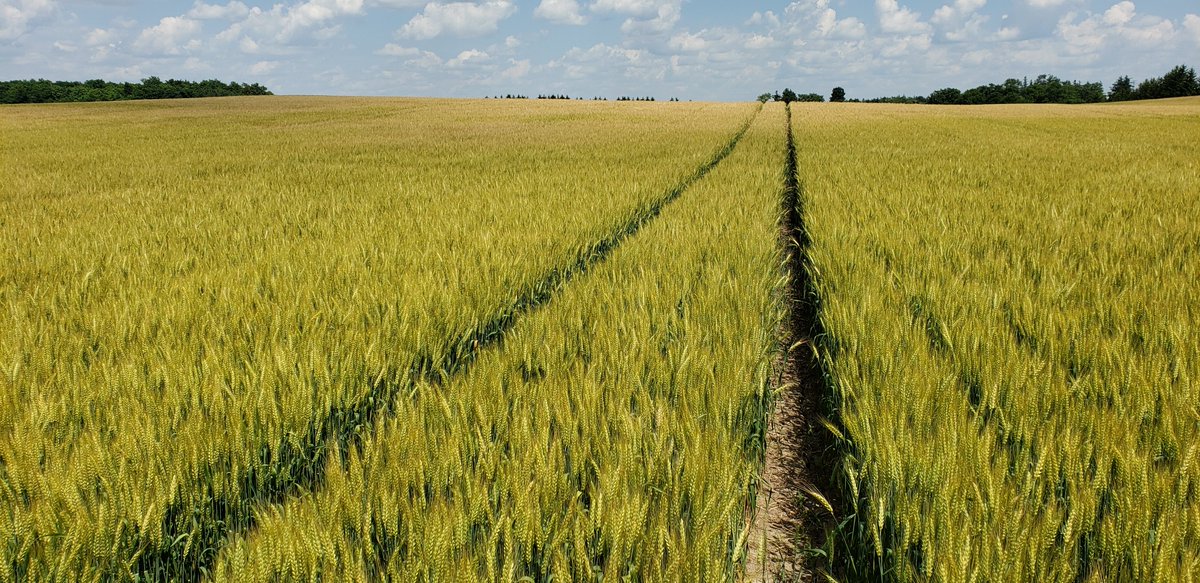
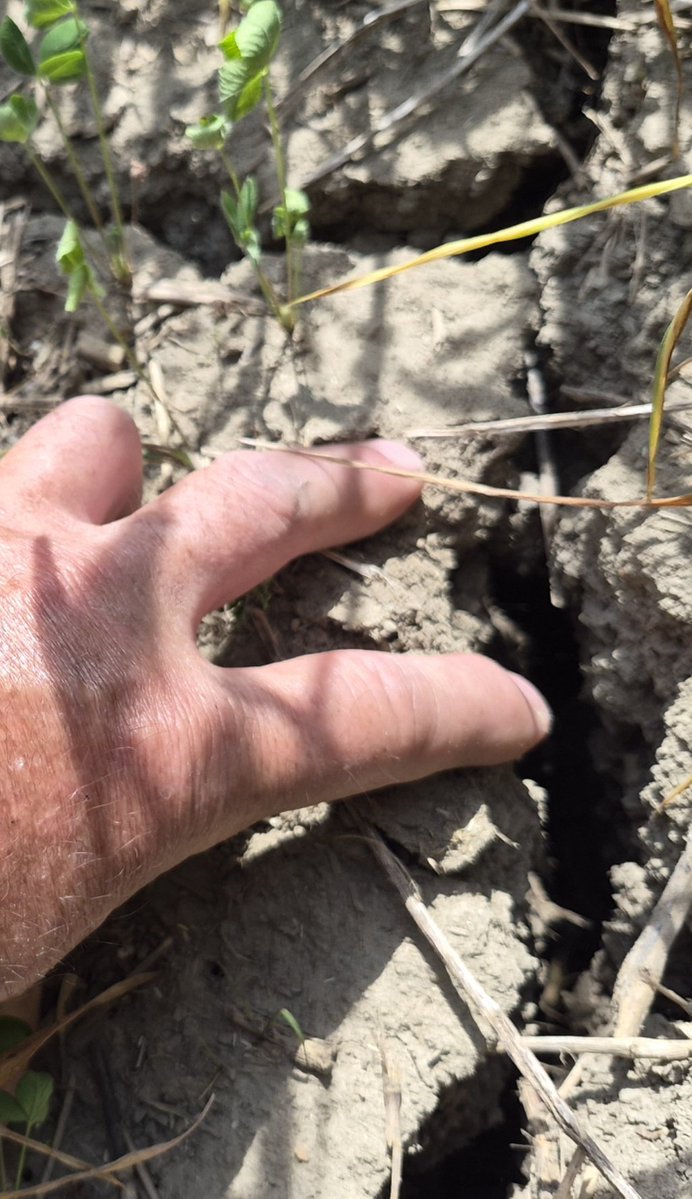
Many areas in SW Ontario could use a soaker. Photo: currently in my long-term tillage-rotation-N trial. Measuring tape goes down 50 cm in the wheat. Cc: @wheatpete
To whom it may concern: stop applying Jena experiment results to crop production.
-Farmers use managed, intelligent species selection; mixtures must beat the best monocultures, not the average of all monocultures as ecology measures it.
-Biodiversity benefits in ecological research take 3–5+ years to emerge in perennial systems; this tells us nothing about annual crops or cover crops.
-Ecological research finds that biodiversity correlates with benefits, not what causes them, and without knowing the mechanism, farmers have no basis for action.
@TerryDaynard@GlenneyAg Thanks for posting! The variability in P has been observed elsewhere as well, thus VR doesn't make much sense. You're correct. The K is more variable than expected; what does the relationship look like without the 2 "outliers"? @cropdetective
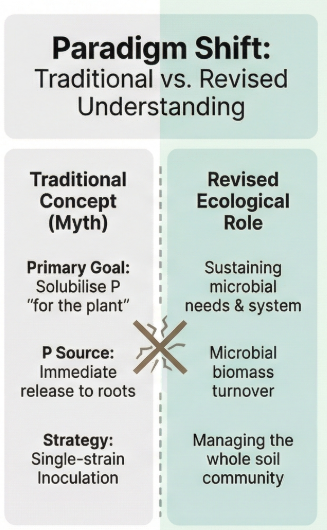
Thanks for sharing Terry! This paper treats the entire native soil microbiome as a single functional unit. "Instead of unreliable inoculants that often fail under real-world field conditions, focus on a paradigm shift toward managing the whole native soil microbiome for long-term phosphorus availability."#ItsaMythBust I'm anxious to know @karidunfield 's thoughts.
@kowalsk11@SullivanAgro Maybe a drought effect from 2025? Some defoliators are certainly favored by drought as you know (grasshoppers, many beetles) and soybean tolerance to defoliators (and aphids) plummets in a drought.
Soybean photosynthesizes efficiently through to maturity even with 30–40% defoliation before flowering: no yield loss. Leaves lost early are rapidly replaced by early R-stages. Canopy compensation in soybean can be enormous (Board & Harville, Agron J., 1996; Kropff et al., 2017). #CropPhysiology #AgronomyAha Photo: Pioneer Seeds
Yes. The main reason yields are usually higher with early planting is that development starts early, which results in greater resilience to a stress like defoliation. Early planting yields are often higher than late planting because of higher node numbers and a long seed fill period. Bottomline: delayed or slow early development is not the same as defoliation.
Which is brighter: a cloudy day in the summer at solar noon or bright classroom? ANSWER: on a cloudy day at summer noon, 100–300 W/m2 vs 3-7 W/m2 in a well-lit classroom. #CropPhysiology#AgronomyAhas