ten chemical reactions that changed the course of human history.
from feeding billions of people to the invention of plastics, these reactions shaped modern civilization.
which one do you think had the greatest impact?
I worked as a postdoc in George Whitesides' lab. He was among the greatest chemists of our age, and he was very, very smart. I got to know him personally, and I dearly valued his friendship and professional guidance. RIP George.
🌻Sad news: George M. Whitesides passed away today. One of the greatest chemists of our time, he inspired generations of students and postdocs. After earning his PhD with J. D. Roberts at Caltech, he built an extraordinary career at MIT and Harvard. A tremendous loss for chemistry.
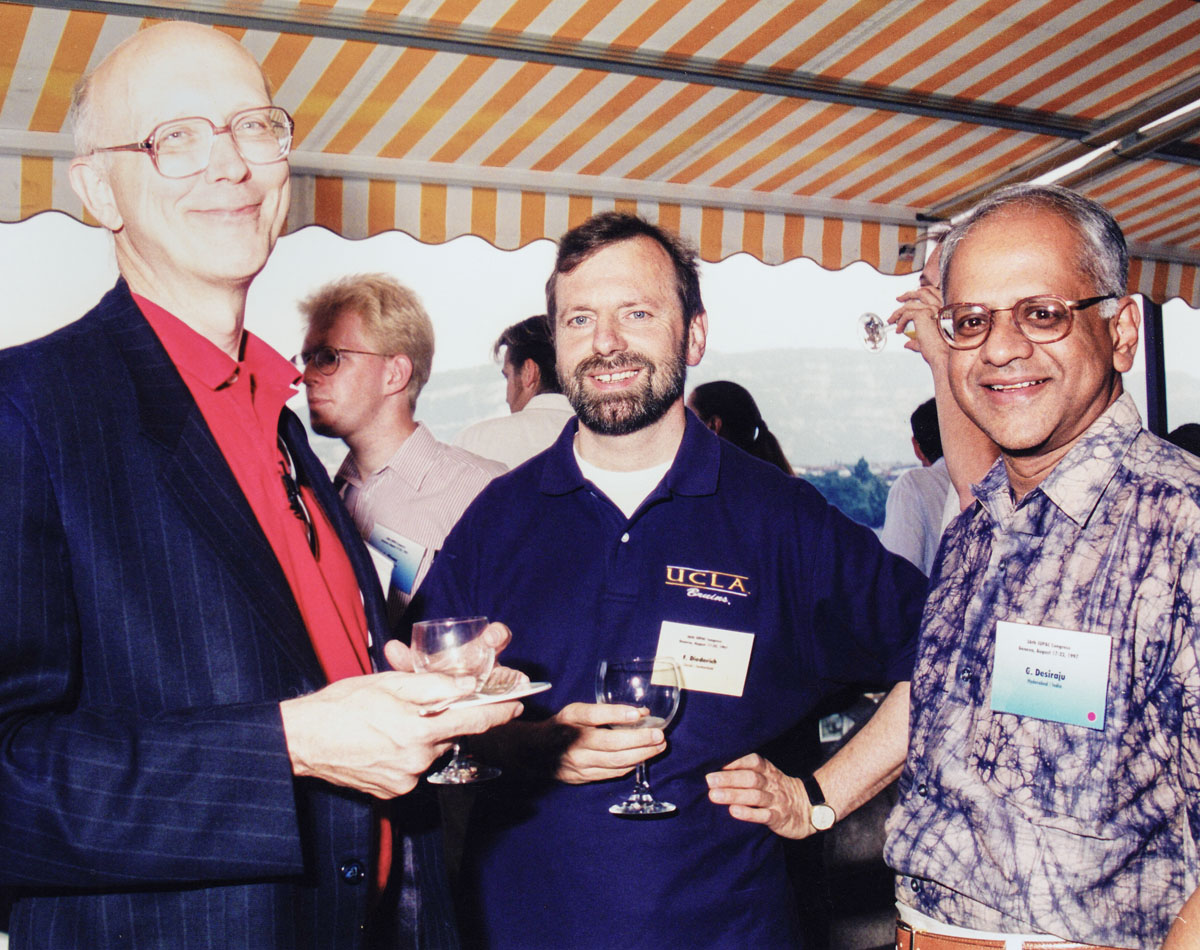
Photo from the left: George M. Whitesides with François Diederich and Gautam R. Desiraju @GautamDesiraju at the IUPAC congress in Geneva 1997 · Photo courtesy Gautam R. Desiraju (https://t.co/F8iVH63bqD Fig. 3.6.)
Just heard that George Whitesides passed away. One of the world’s most celebrated scientists, he was that rare creature - a chemical polymath. No branch of chemistry failed to be enriched by his touch: from organometallic chemistry to surface chemistry, enzymes to physical organic chemistry, sensors and wearables to chemically actuated robotics, he left a deep imprint on virtually every chemical or chemistry-adjacent discipline. He was one of those scientists who clearly deserved a Nobel but did not get it (although he did receive pretty much every award for chemistry out there). He also trained hundred of students at Harvard, many of whom now occupy high positions in academia and industry.
But Whitesides was also one of the best writers among chemists that I knew. His papers (and there were almost a thousand) were incisive, pedagogically excellent and often took a bird’s eye view of chemistry that we in the trenches really appreciated. I loved and blogged about several:
Move away from the molecule: https://t.co/TicLxDppNZ
On the responsibility of chemists: https://t.co/OWJ2YSnevO
Who’s afraid of Big Bad Thermodynamics: https://t.co/Q9wdTtqvra
“Chemists…we change the way you live and die”:
Whitesides memorably provided the best one-line description of the importance of chemistry (and chemists) that I know, and that could well be a fitting epitaph for him: https://t.co/heGdmcjaEo
“Let me sketch a conversation I have had on various occasions—in one form or another—at dinner parties and on airplanes. The person next to me says, "What do you do?" I answer "I'm a chemist." S/he responds: "Chemistry was the one course in high school I flunked. What is it that chemists do, anyway?" I have tried two types of answers.
One is: "Well, we make drugs. Like statins. Very useful. They are inhibitors of a protein called HMGA-CoA reductase, and they help to control cholesterol biosynthesis and limit cardiovascular disease." (This answer usually ends the conversation.)
The second is: "We change the way you live and die." The second works better.”
RIP to an extraordinary scientist and mentor.
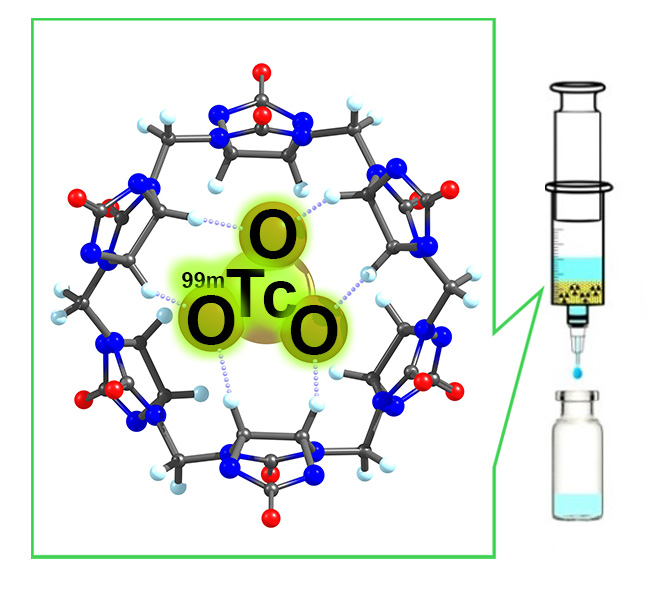
Together with @Vladimrindel1and Abram Ulrich from @FU_Berlin, we achieved quantitative capture of 99mTcO4− from saline solutions at femtomolar concentrations by immobilizing bambusuril on silica. Supramolecular approach offers an advantage! https://t.co/0ycmIbGhJg
From azides to zeolites we have covered every topic at NZIC2026. Thank you to everyone for joining us and to our wonderful organising committee; Tameryn, Nikki, Martina, Michele, Graham, Catrin, Michael, and especially Ben for bringing us together in this beautiful place!
Many congratulations to Simon Hinkley who was presented with the Maurice Wilkins Centre Prize for Excellence in Chemical Research by Julie Spicer at NZIC2026 @MWC_CoRE
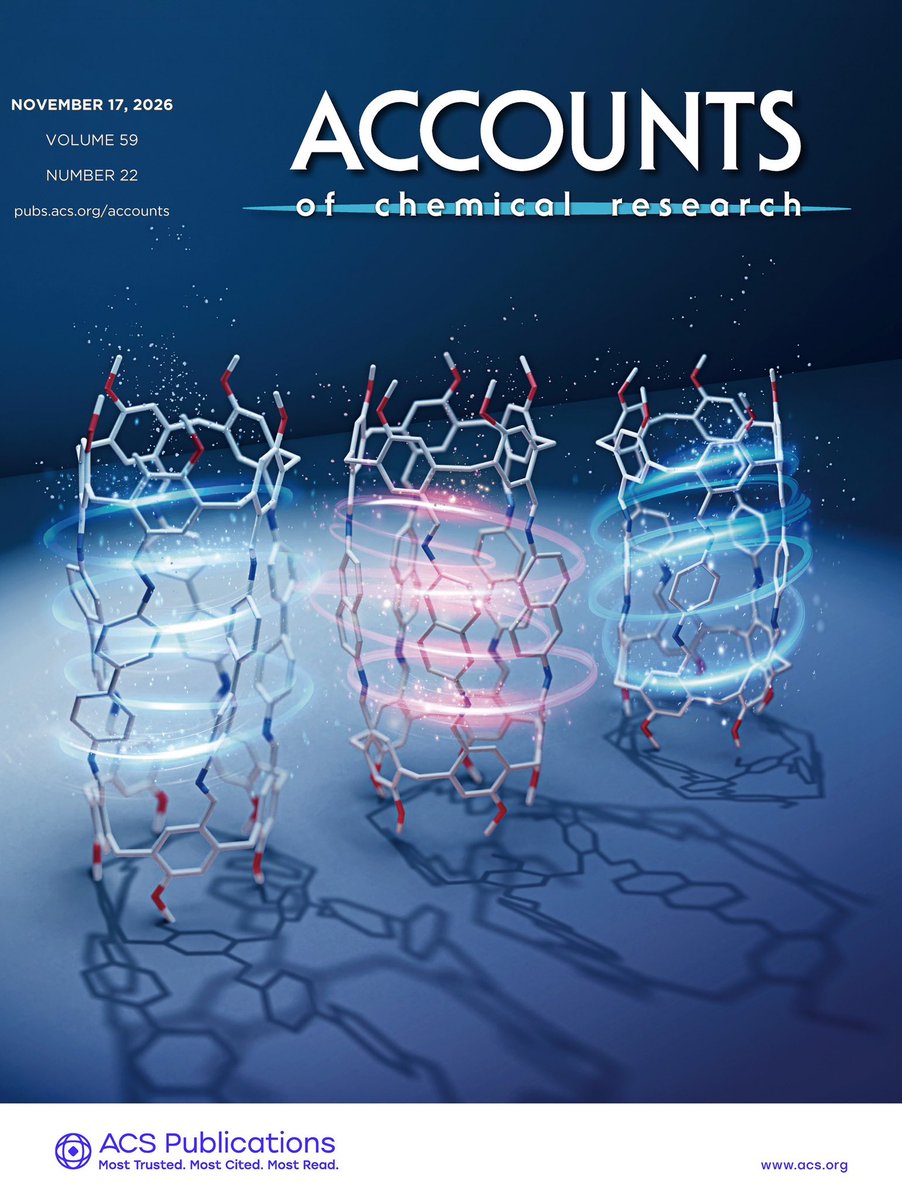
Our Account on Covalent Organic Pillars is now online in @ACSPublications, together with our supplementary cover art!
A rewarding journey over the past decade, made possible by the hard work of many students and collaborators.
https://t.co/slaTCmw5mp
#MyACSCover
Please join us in congratulating new NZIC Fellow, and our next President, Professor Viji Sarojini who was presented with her Fellowship certificate at NZIC2026
NZIC2026 is in full swing with talks about everything chemistry from Raman Spectroscopy to Natural Product Synthesis but we’d like to take a pause to thank our sponsors. We couldn’t do it without you.
I have a lot to say about the hype currently surrounding AI in total synthesis, but I will limit myself to this:
I dare those who promote AI-driven total synthesis in industry and to funding agencies to bet their savings on the success of the synthetic routes proposed by AI.
In my thirty years as a practicing synthetic chemist, having published more than 125 total syntheses as a PI, I have encountered only one case in which each step worked as planned. Everything can look good on paper (Papier ist geduldig). But, as Mike Tyson famously put it, “Everybody has a plan until they get punched in the mouth.”
How you respond to the inevitable setbacks, surprises, and insults that chemistry throws at you is precisely what makes total synthesis such a challenging and rewarding endeavor. And it is the reason why total synthesis is such a good training ground for problem solvers in academia and industry.
I do wonder, however, what all this means for writing proposals on total synthesis, which seem to be increasingly reviewed by colleagues who have little understanding of what total synthesis actually entails. Writing such proposals has always been a somewhat silly exercise, for the reasons outlined above. Evaluating them will become even more challenging in the age of Claude, when anyone can generate a seemingly convincing synthetic route on paper. The real question, of course, is what happens when that route encounters reality.
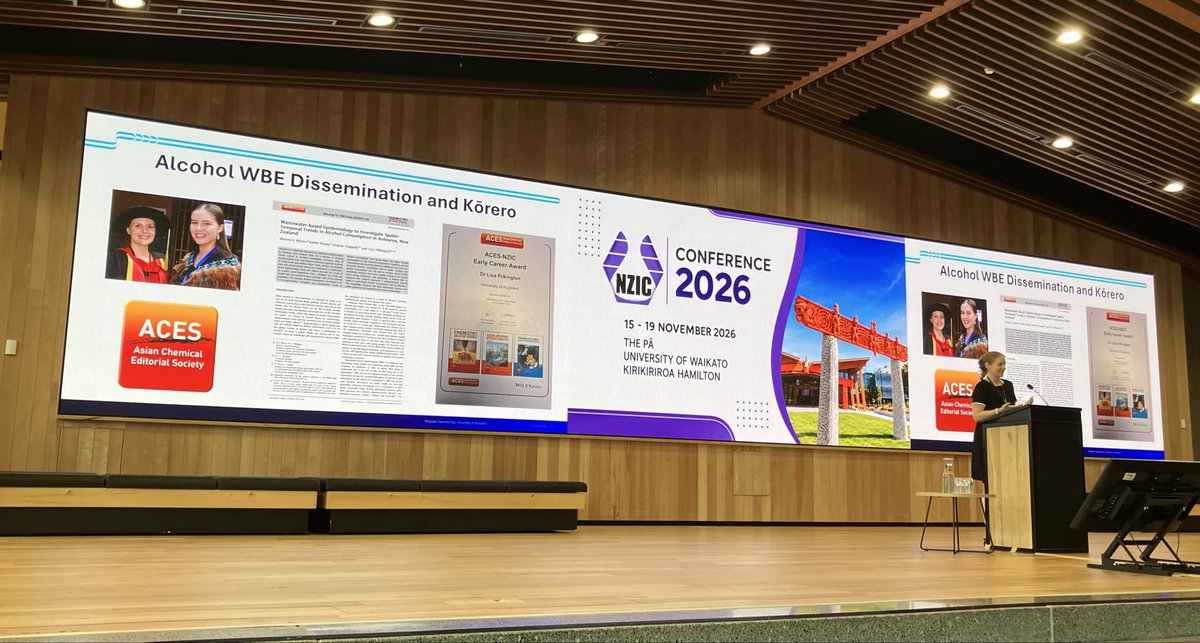
The talks for NZIC2026 were kicked-off by plenary speaker Associate Professor Lisa Pilkington who gave an excellent presentation on her group’s research using Wastewater-based Epidemiology.
Stoked to see some of my earlier work from my PhD being published! Check out our paper in Organometallics from @DrAnkerLab on a new Yb(II) hydride for the Hydroarylation of benzene
https://t.co/SKl8pFpx96
We wish everyone traveling to NZIC2026 and ChemEd BioLive over the the next few days, a safe journey. We hope you enjoy these fantastic opportunities to meet-up with colleagues, hear from local and international experts, and talk all things chemistry and education!