"The Egyptian Blue"
Egyptian Blue is the oldest known artificial pigment. The Blue color has been throughout the history of humanity one of the most quoted, identified by it with royalty and divinity, due to the difficulty of its obtaining.
Blue pigments were used from very old, but more late than others such as red, Black, brown or ochre, easier to get in nature and used already in the art art. But the most quoted blue pigment came from minerals such as lapis, scarce and rare, and therefore very expensive. The largest lapis deposits are located in the hindukush of Afghanistan, where they are still exploited with procedures very similar to employees more than 3000 years ago.
Egyptians cared about those mines large amounts of lapis to obtain the azurite, the dust that provided the blue pigment with which they adorned their artistic works. Its price was so high that even in medieval times still cuadriplicaba the gold. That's why towards 3000 BC they sought a way to make their own blue pigment. Little by little they were perfecting the technique, which consisted of grinding silica, lime, copper and an alkaline base, and heat it at 800-900 degrees Celsius. The result obtained is considered the first synthetic pigment in history.
Egyptians used it to paint wood, papyri and canvases, coloring enamels, inlays and vessels. But especially in the funerary field in masks, statues and paintings of the graves, as they believed that the blue color protected the dead from evil in the other life. The oldest known example of the pigment dates from about 5000 years ago and was found in the painting of a tomb of the reign of ka-Sen, the last Pharaoh of the first dynasty. In the new kingdom the Egyptian Blue was used abundantly as a pigment being found in statues, paintings of tombs and sarcophagi.
#archaeohistories
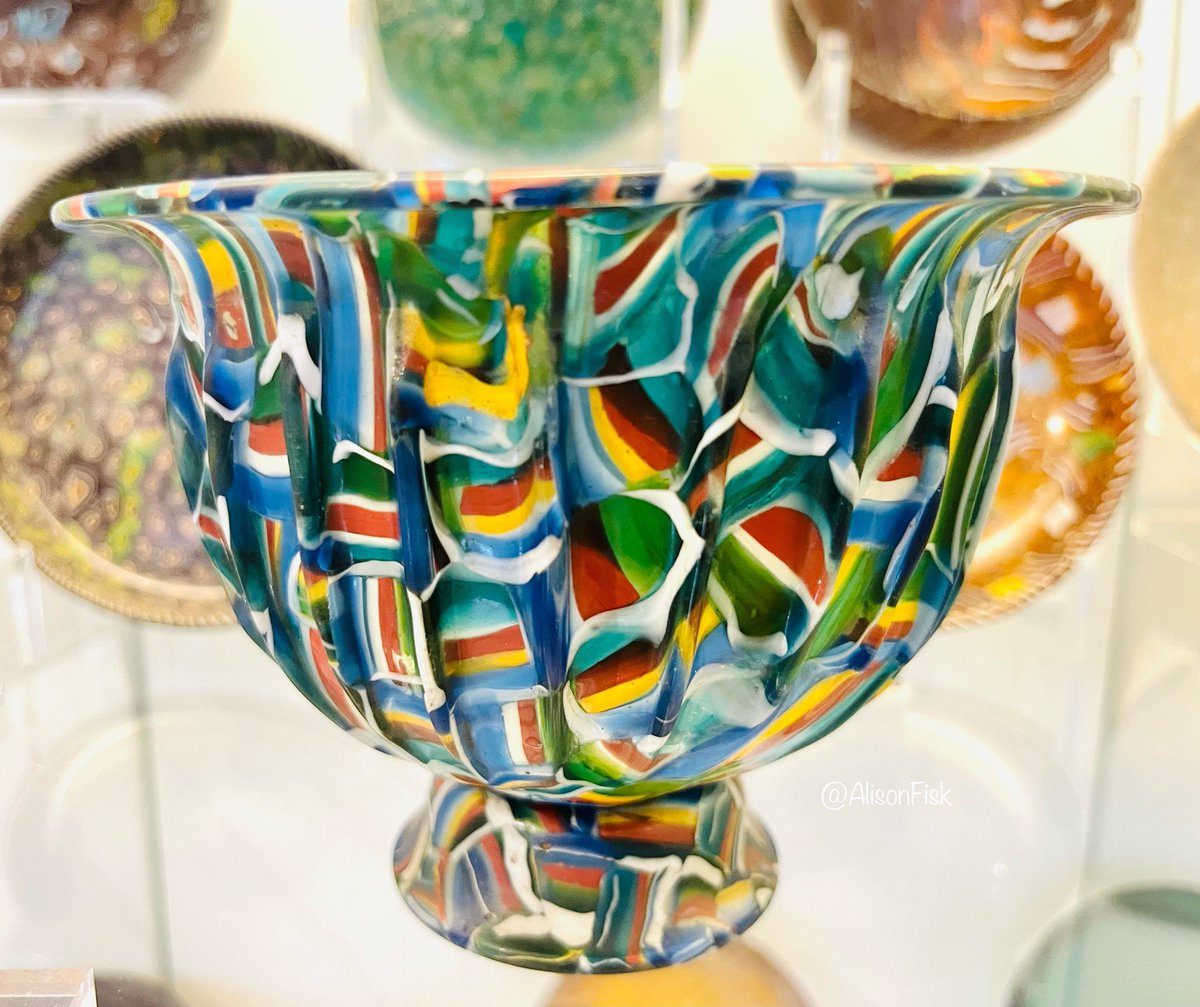
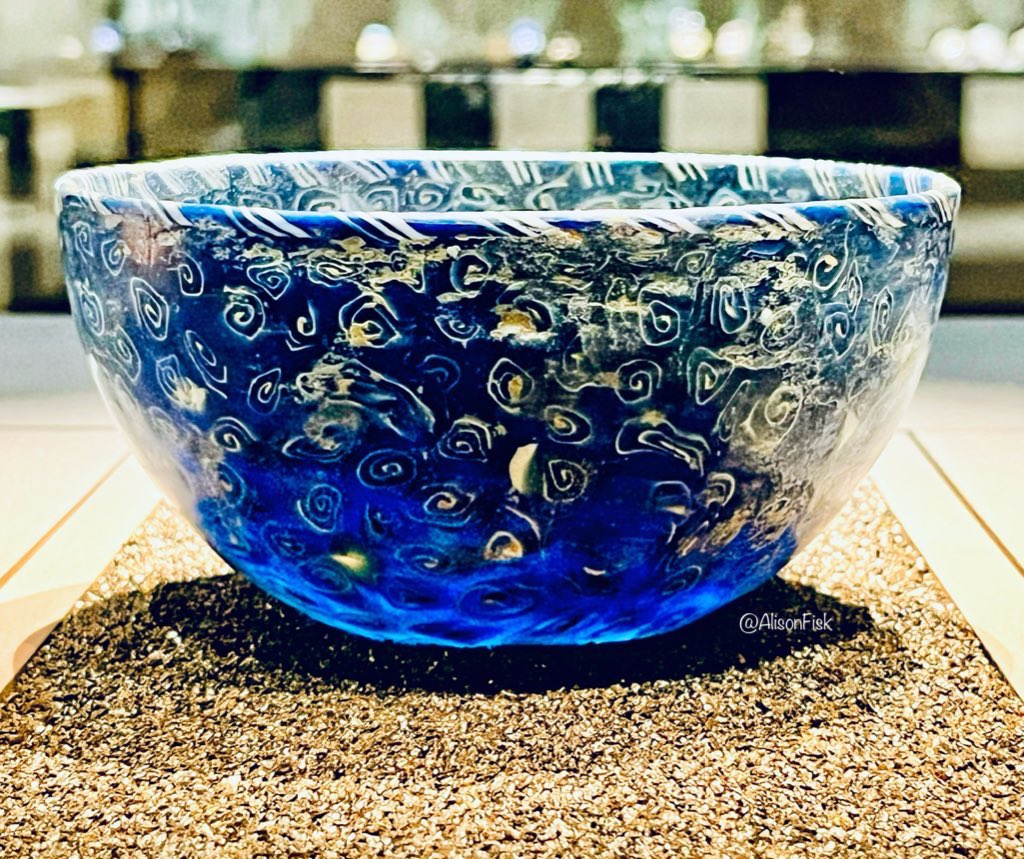
A stunning 2,000 year-old #Roman blue and white mosaic glass bowl.
What a wonderful example of the skill of ancient glassmakers!
📷 Getty Museum https://t.co/X8mqQc19oP
#Archaeology
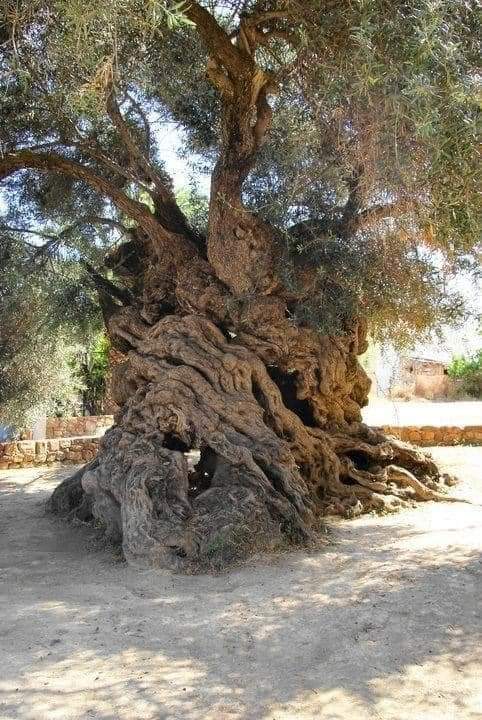
A 4000 year old olive tree in Greece..
This tree started growing around 2000 BC, during the Bronze Age, around the time the last wooly mammoth was hunted, 7th dynasty of Egypt was over and humans discovered the existence of glass.
This tree has seen humans go from the Bronze Age to the Atomic Age. It has witnessed our changing world and lived through many wars. It has seen many kings, politicians, warriors, and prophets go from birth to death, and it still continues to produces olives annually.
#drthehistories
Here’s something lovely to do locally in Dorking at the weekends.
Because after a year of essential conservation work, the newly renovated Leith Hill Place is OPEN! 😄
Head to @nationaltrust for more details and event information. 🥬
#LeithHill#LeithHillPlace#SurreyHills
From 8th to 16th June, Circular Dorking is celebrating the UK’s biggest ever community action to tackle climate change and protect nature. This year's theme is "Let’s swap together for good."
Find out more: https://t.co/kuSyzc82lD
📸: Simon Edmands 🙏🏻
A stunning 2000 year-old Roman mosaic glass bowl beautifully showcasing the skill of ancient glassworkers.
V&A Museum https://t.co/e7cQxVCbOU 📷 my own
#Archaeology
How to make this a weekend to remember. 💭
Come into Dorking and sample the delightful dining experiences in the last 2 days of Restaurant Week.
Read all the amazing offers here: https://t.co/B1ZhSO3Vn7
#DorkingRestaurantWeek#RestaurantWeek#SurreyDay
A cuddlepuddle of four ancient Roman #puppies, rendered in marble. 😍
From the House of the Faun, #Pompeii. #dogs
1st century BCE
MANN (National Archaeological Museum, Naples)
📸 me
Are you a Dorking BID business looking to up your social media game? 📱
We’re holding a Social Media Drop-In Clinic just for you.
Mark your calendars for Thursday, 9th May, from 6 to 8 pm. The location is still being finalised, but will be central to Dorking, so stay tuned. 😎
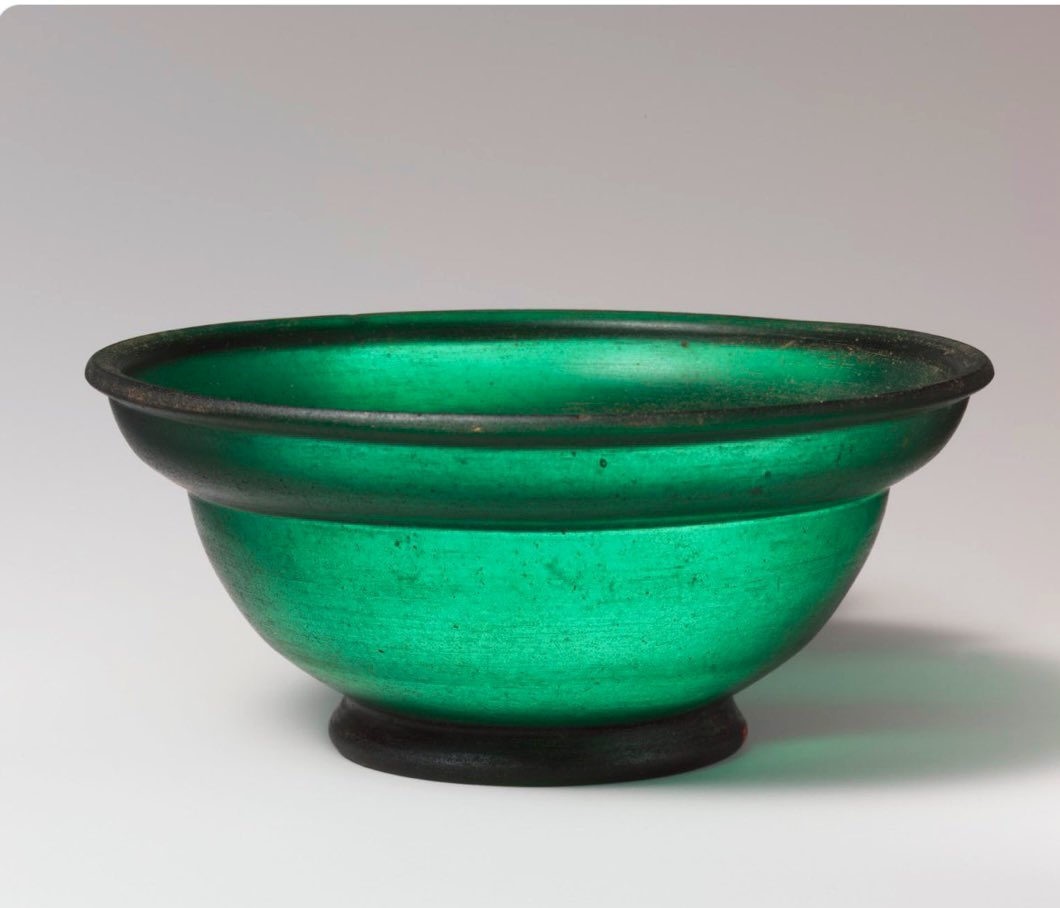
A 2,000 year-old Hellenistic mosaic glass bowl made of translucent dark blue glass with white spirals. Looks as if it contains the cool blue waters of the Mediterranean Sea! 🌊🌊🌊
Landesmuseum Württemberg, Stuttgart. 📷 my own
#Archaeology
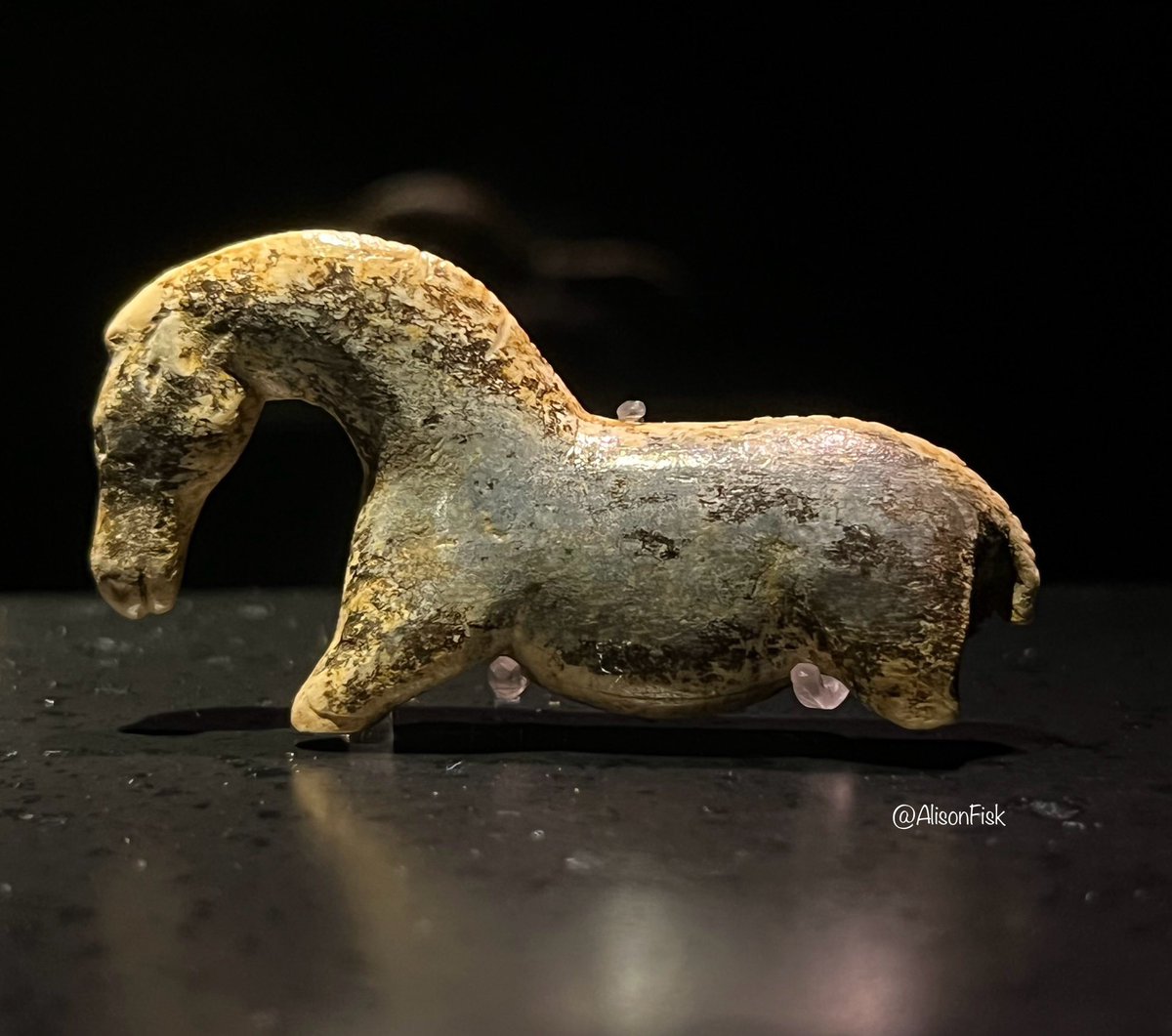
Behold the deep time of human artistic creativity!
About 40,000 years ago, during the #IceAge, this small figurine was masterfully sculpted from mammoth ivory.
Known as the ‘Vogelherd Horse’ it is one of the earliest known works of figurative art. 📷 my own https://t.co/6J9grUPrWd
#Archaeology
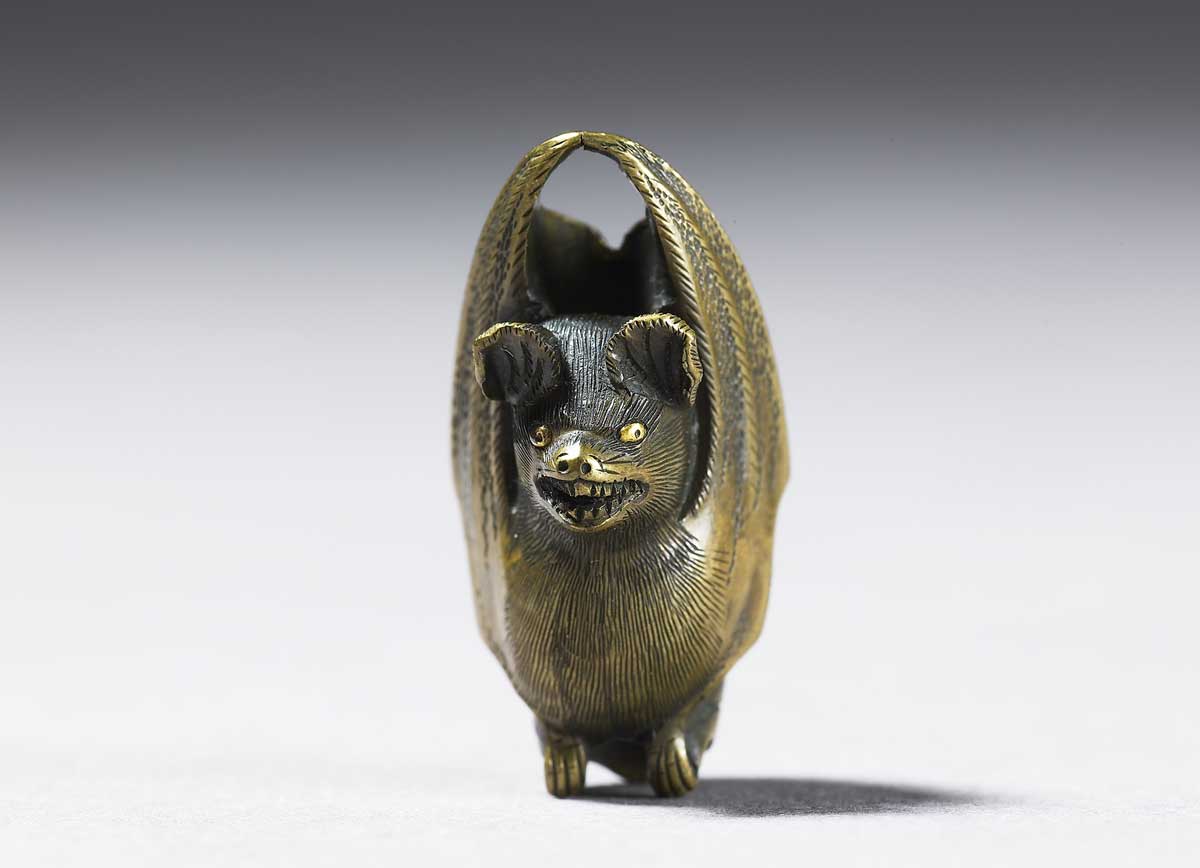
Today is Bat Appreciation Day! There are over 1,400 species of bats in the world, and more are still being discovered. Bats account for around 20% of all mammal species worldwide.
🦇 Ojime bead in the form of a bat, Japan, late 19th century. 2.3cm tall. EA1956.3749
Cat-lovers will recognise the struggle 🐈
This sketch is a fabulous example of Da Vinci’s ability to capture expressions: just look this cat's clear disdain as it squirms within an overly eager embrace!
🎂 Leonardo Da Vinci was born #OnThisDay in 1452.
.@AbingerFarmShop will be celebrating 170 years of growing watercress this #SurreyDay with a host of local food and drink producers joining them in Abinger Hammer: https://t.co/Ejs33oNLB5. You can even book in for a local produce picnic by their pond. 💚😋
For Rubens and his peers, graphite, ink and chalk were not simply preparatory tools but a means of reinventing matter, writes Peter Davidson of the Ashmolean’s exhibition of Flemish drawings