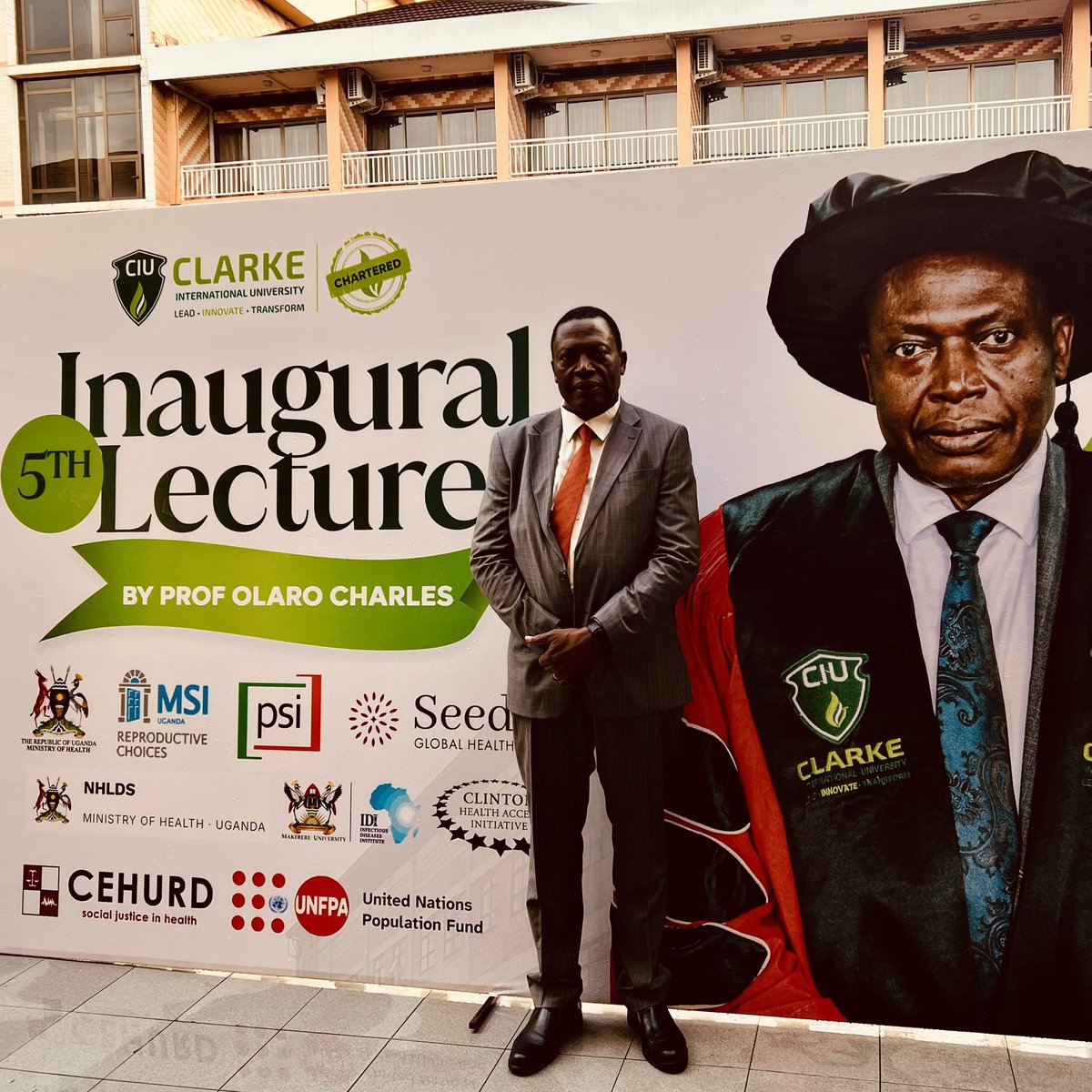
We were privileged to host the Inaugural Professorial Lecture of Professor @olaro_charles , Professor of Practice in Health Services Management at @CIUuga , under the theme “Reimagining Health Services Management: Leadership for Resilient Health Systems in Africa.”
There was much to take away from the lecture, but I was particularly inspired by his leadership framework: a systems approach grounded in integrity, results and impact. Its five interconnected pillars offer a practical guide for strengthening health systems, with a clear purpose: better health for all.
The first pillar, people first, challenges us to invest in people, develop their capabilities, and cultivate a culture of service and accountability. It invites us to consider how deliberately we prepare and support those entrusted with delivering care.
The second, evidence informs action, emphasises the use of data, research and innovation to guide decisions and drive change. The value of evidence lies in how we apply it to the challenges facing our services and communities.
The third, systems thinking, asks us to look across the whole health system and understand how its parts work together. Quality, resilience and equity depend on the connections between people, institutions, resources and processes.
The fourth, partnerships that deliver, calls for collaboration across sectors and levels to mobilise resources and achieve shared impact. It challenges us to consider what our partnerships accomplish for the communities we serve.
The fifth, results that matter, keeps our attention on measurable improvements in people’s lives and our responsibility to leave no one behind.
What stands out for me is the interconnectedness of these pillars. Capable people need evidence to guide their decisions, systems that support their work, and partnerships that extend what they can achieve. Together, these elements create the conditions for meaningful and sustained improvements in care.
For those of us preparing future health professionals and managers, this framework offers much to reflect on, research and teach. It also challenges us to examine our own leadership practice: how we support people, use evidence, strengthen connections and hold ourselves accountable for the results.
These convening was possible by:
@MarieStopesUg@PSIUganda@Seed_Global@ClintonHealthAI@cehurduganda@IDIMakerere Department of National Health Laboratory and Diagnostic Services(NHLDS) Ministry of Health - Uganda @UNFPAUganda
#HealthSystemsLeadership #HealthServicesManagement #CIU
Introducing Professional Fashion Models from Teso region working at the Teso Traditional Wear Fashion Show at the Emaali Cultural Festival at Kololo Ceremonial Grounds.
@ExploreUganda@TourismBoardUg@ntvuganda
Fashion Show/Photoshoot showcasing contemporary Teso traditional wear designed by @AkogoFestival during the Emaali Cultural Festival at Kololo Ceremonial Grounds
@ExploreUganda@TourismBoardUg
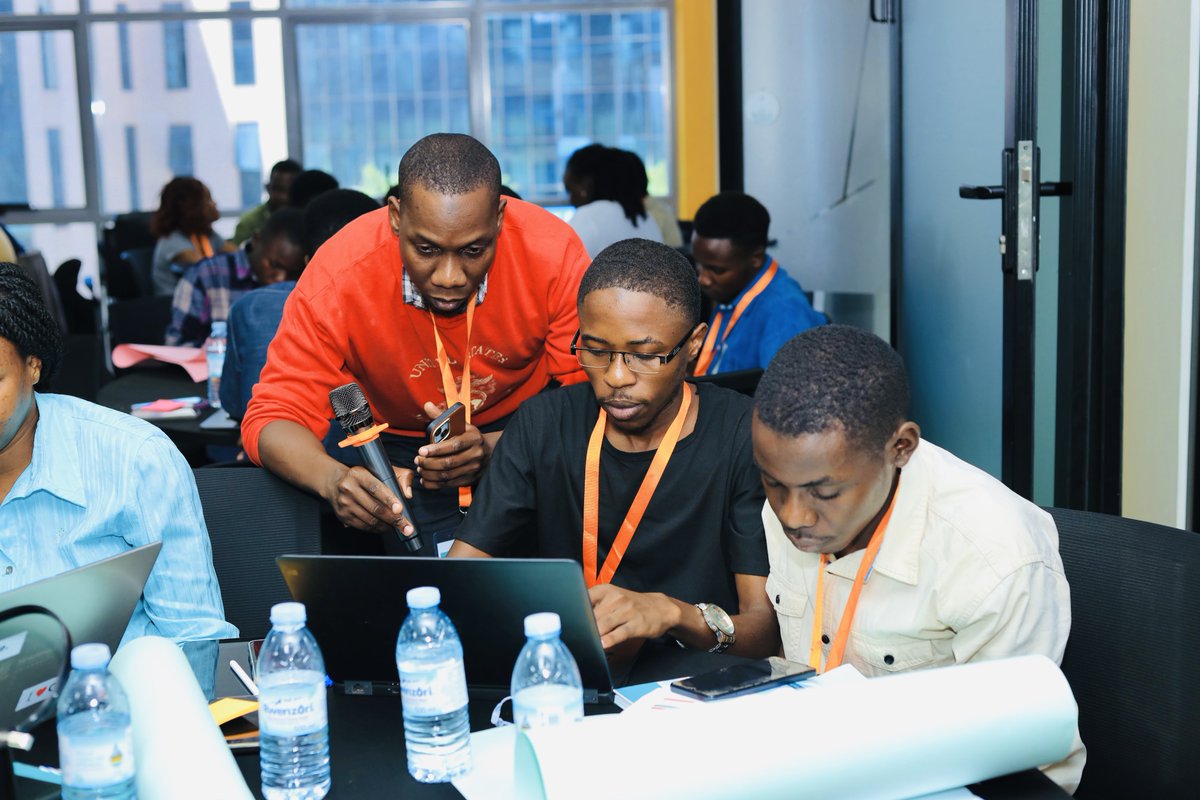
Ongoing: Prototyping in Practice | #TechnologyEntrepreneurshipSeed!
How do you turn an idea into something people can see, interact with, and test?
@RNkuutu, Product Development Officer at @miic_ug, is guiding participants through a hands-on prototyping session, taking them through the steps of translating their ideas into early representations of their proposed solutions.
Through practical exercises, participants are learning to:
• Identify their target users and the problems they face.
• Describe their proposed solutions in one clear sentence.
• Map the user journey and how the solution will work.
• Sketch wireframes to illustrate their ideas.
• Present their prototypes, gather feedback, and identify areas for improvement.
The emphasis is on building, testing, and learning, helping participants move beyond assumptions and use user feedback to refine their solutions.
#InnovateWithUs
You know the funny thing about DIY hairstyles like this? I can decide to do it myself, and it won’t come out looking anything close to this😂 I must commend her because her arms must be aching badly.