@Athanasius_45 What the heck is he even talking about? Highly polemical generalizations without evidence or explanation of terms. But I guess ipse dixit!
According to Bridge/Oracle, knowing the DCC Core Ancient Greek vocabulary means you know up to 88% of the words in sections of Sophocles' Antigone. The range among 10-line chunks is 25% to 88%, and the median 65%. https://t.co/Ztsa6i1lgo
With Bridge/Oracle you can discover readable Latin and Greek texts and passages in The Bridge Corpus by revealing passages with the highest percentage of familiar vocabulary.
https://t.co/Ztsa6i1lgo
A .pdf that gathers the most important bits of Ancient Greek morphology (the ‚Cambridge Preterm Intensive Ancient Greek language pack‘):
https://t.co/zBfOAVNh5j
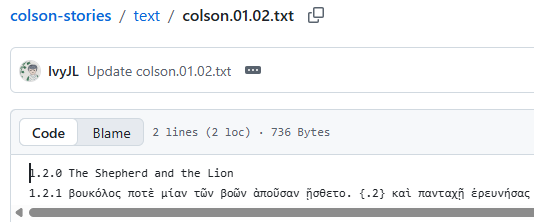
The Greek Learner Texts Project is a collaborative effort to produce openly-licensed, annotated texts in Ancient Greek for extensive reading. You, too, can join their Discord! https://t.co/mmiWPe92lI
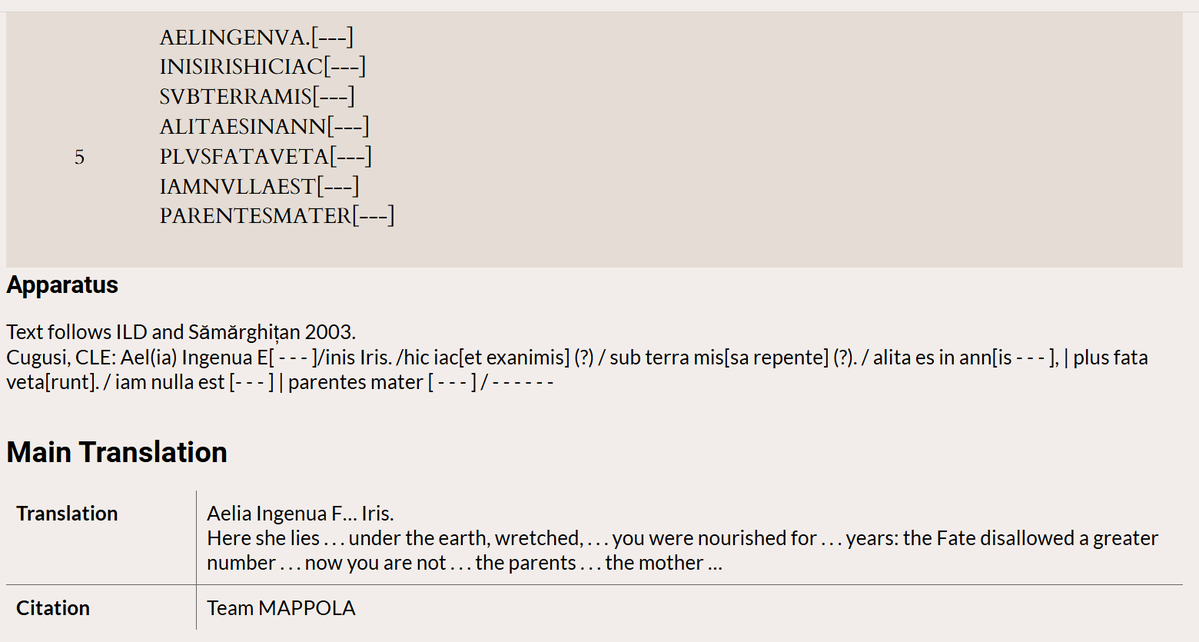
I can't think of a better way to read Latin inscriptions than with Mappola. Text, apparatus, translation, map of find spot where known, images of the stone where available, and much more! https://t.co/jISO6jBdfC
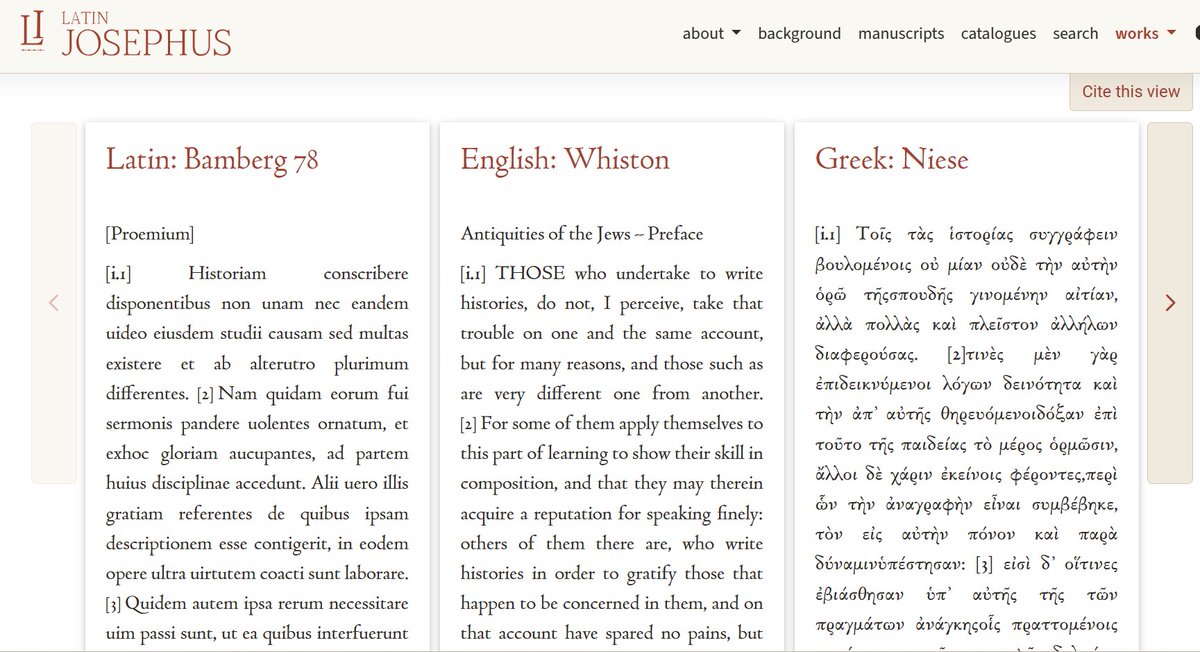
Cool beans. You can now read Josephus in Latin and English, beside the original Greek, thanks to this lovely site produced by Richard Matthew Pollard and team at Université du Québec à Montréal. Also: medieval manuscript annotations. https://t.co/Wbp9jp9nUm
What's that? You want an interactive 3-D model of a Homeric ship, with annotations discussing the Greek terms and pictorial evidence for the reconstruction? Done. https://t.co/BaEGnD9d4h
I was looking at an old edition of Machiavelli's Discourses on Livy, and the first page had a bunch of notes jotted down.
I took a screenshot, gave it to Claude, and asked it to decipher what it said.
In about a minute, I got the following response. Incredible.
"Latin is a language. It didn't come down in a golden box from Heaven. You don't have to be clever to speak it. In ancient Rome it was spoken by poor people, prostitutes and bums." — Reginald Foster
Have you seen the MANTO database of Greek myth? There is a wealth of beautifully curated and organized information there, and you can get involved in the project. https://t.co/26f2cUgxBQ
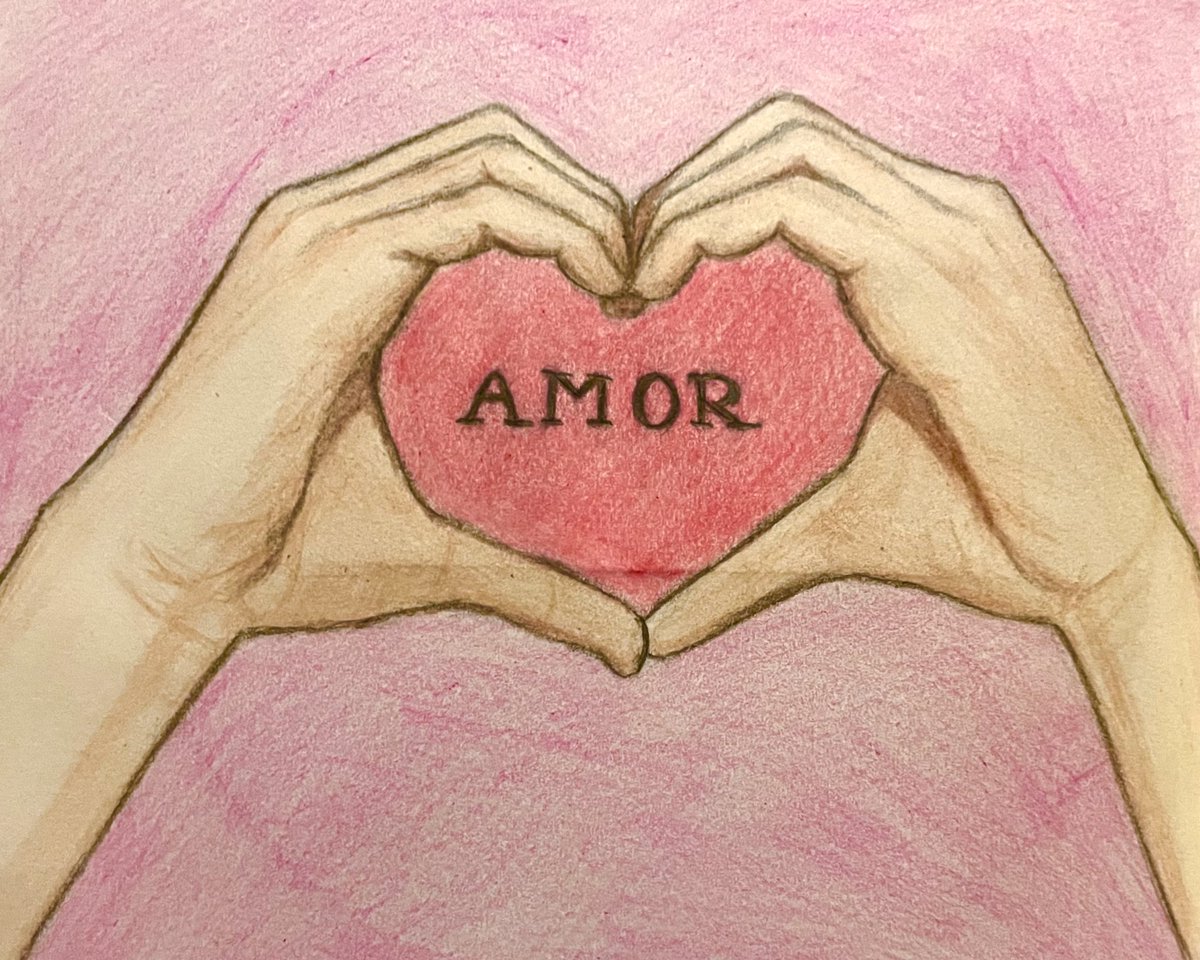
DCC Latin Core Vocabulary images now have their very own spiffy home page. Thank you, Meagan Ayer, for making it, and thanks to all the DCC summer interns who made the images! https://t.co/fn9arfOFqL