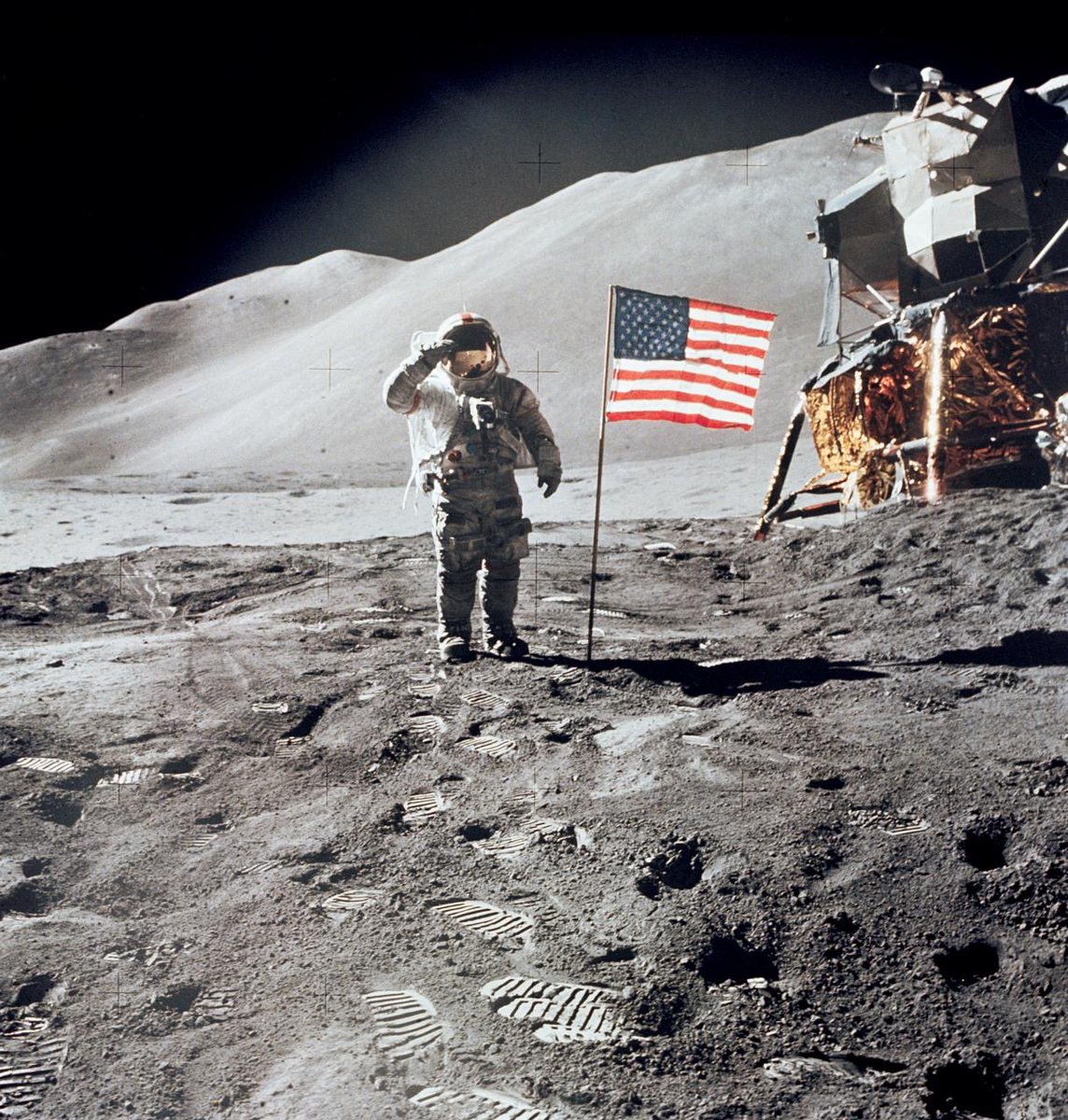
On July 20, 1969, Neil Armstrong, Buzz Aldrin, and Michael Collins, the crew of Apollo 11, showed the world that America can undertake and achieve the near-impossible. The pioneers and heroes of that era inspired generations of astronauts, pilots, explorers, engineers, scientists, and technicians, many of whom now show up to work each day at @NASA and across the most technologically advanced aerospace industry on Earth.
President Reagan called for our return to the Moon, but @POTUS gave us Artemis, the National Space Policy, and the resources in the Working Family Tax Cut Act. Now the best and brightest across YOUR space agency, alongside industry and our international partners, will deliver.
America is going back. We will fulfill Gene Cernan's immortal words from Apollo 17: "God willing, as we shall return, with peace and hope for all mankind." Artemis III is up next in 2027. Artemis IV lands in 2028. The Moon Base project is already underway...and America will never give up the Moon again.
Joe Engle—age 32—flew the X-15 OTD in 1965 to an altitude of more than 50 miles, qualifying for astronaut wings under the USAF definition.
He was selected to become a NASA astronaut the following year and was the only person to have flown both the X-15 and the Space Shuttle.
As the Apollo 11 vehicle was rolling to the launch pad in Florida OTD in 1969, across the country in the California desert NASA test pilot Bill Dana (right) was flying the wingless HL-10 lifting body (left).
NASA's lifting body program paved the way for the space shuttle by showing that a wingless craft could glide to a landing like an airplane.
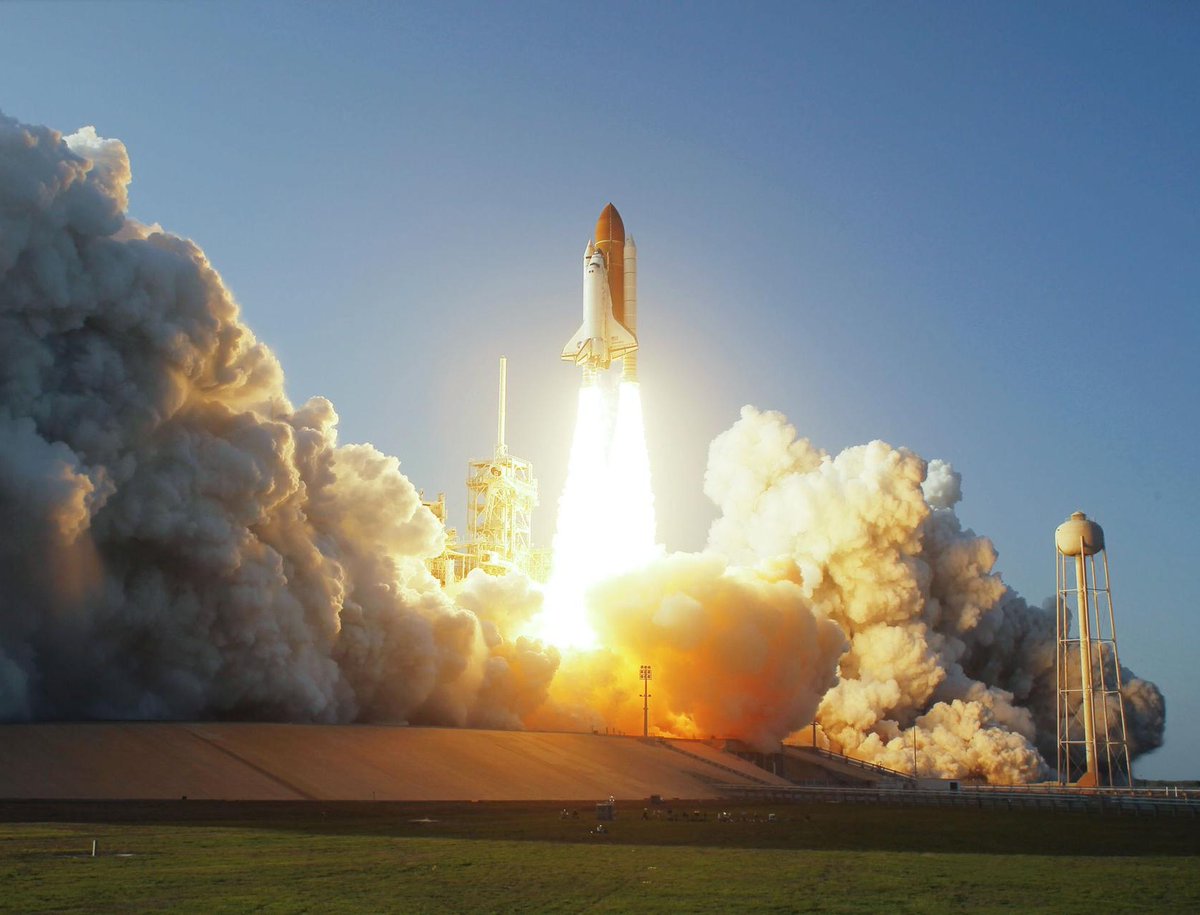
15 years ago today, Discovery rises into the heavens for its final flight.
At 4:53 p.m. ET, space shuttle Discovery lifted off with a crew of 6 for STS-133, its 39th mission. Over its 27 years in service, this shuttle spent more time in orbit than any other orbiter: 365 days!
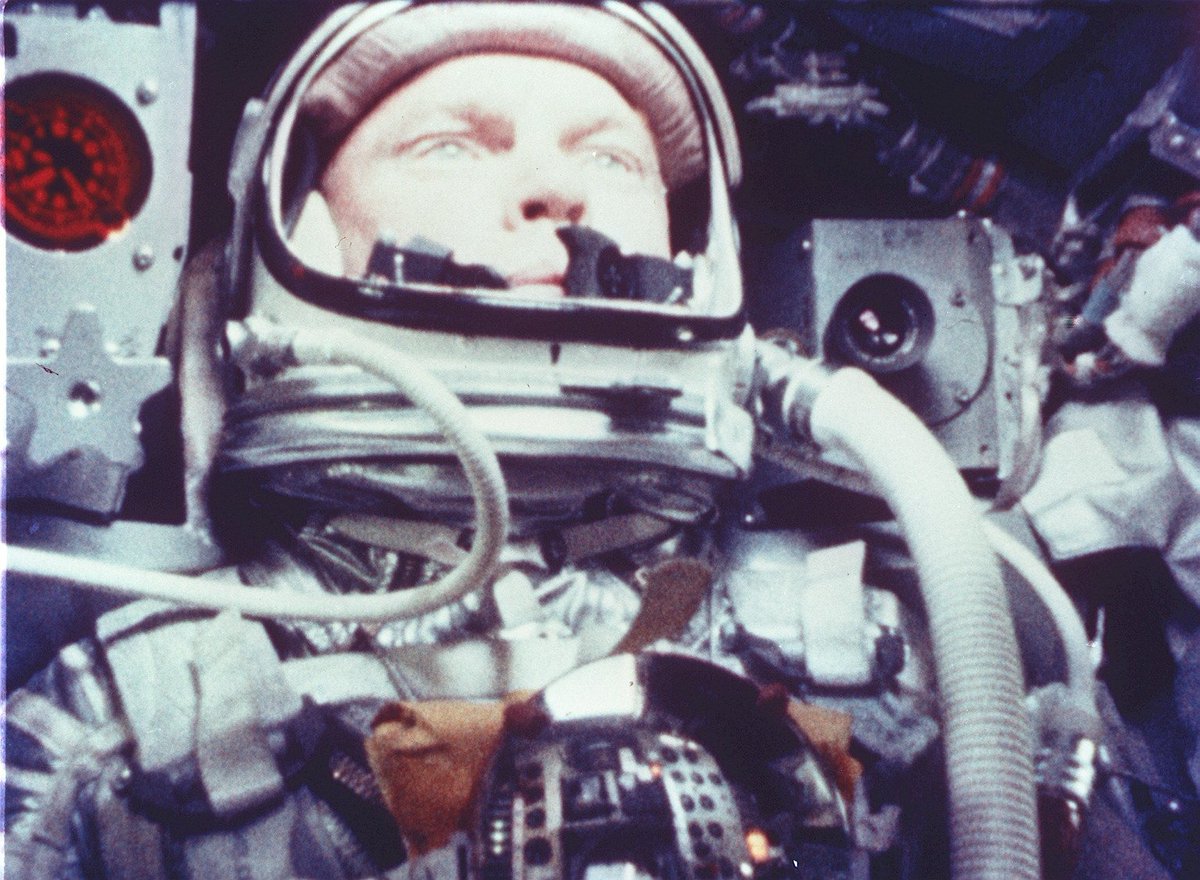
John Glenn, the first American to orbit the Earth, made history 64 years ago on Feb 20, 1962, with his 5-hour spaceflight.
Despite a few problems with the Friendship 7 spacecraft, Glenn made 3 orbits (2 of them manually controlled), and splashed down in the Atlantic Ocean.
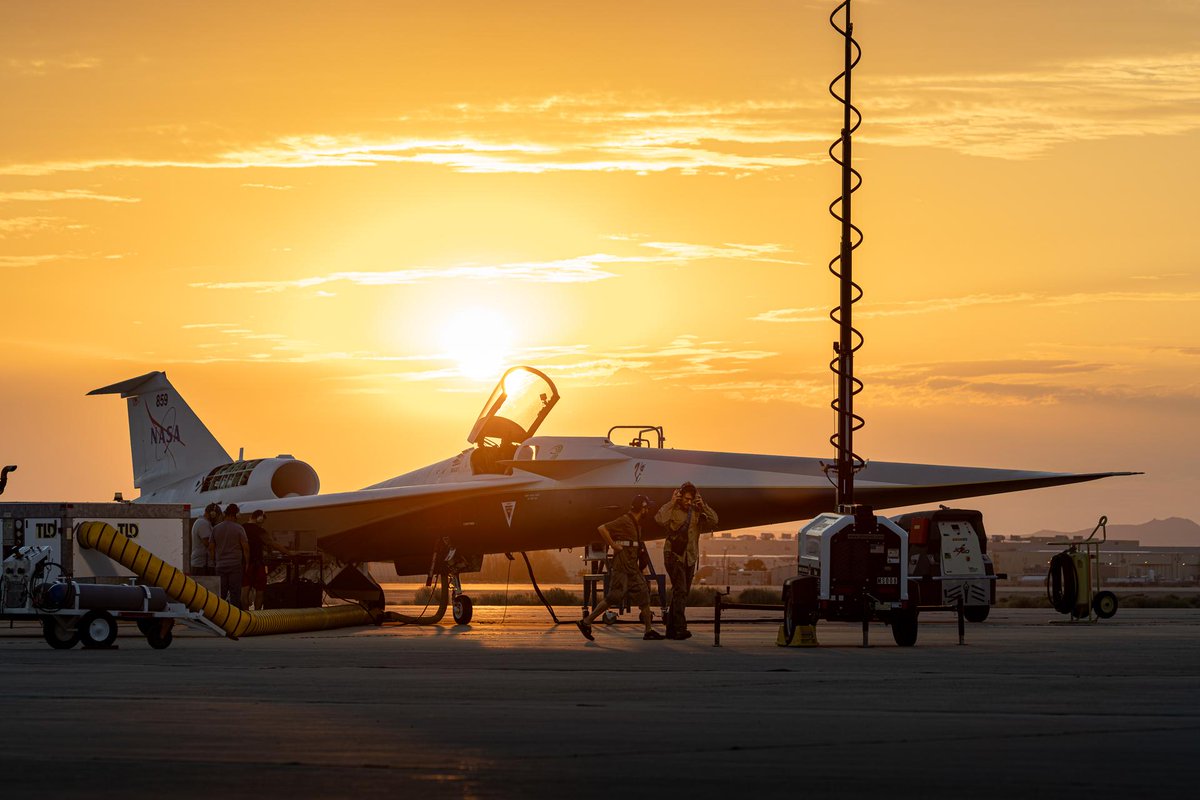
Great to have @NASAAdmin Jared Isaacman at NASA Armstrong yesterday!
His visit included briefings on the X-59 quiet supersonic aircraft, our chase fleet, and Mars exploration work – key efforts driving innovation in aeronautics and space.
Today is # WrightBrothersDay — a moment to revisit how Orville and Wilbur Wright engineered the first sustained powered flight and changed the course of history in 1903. #AviationHistory https://t.co/EJOXmc1JZB
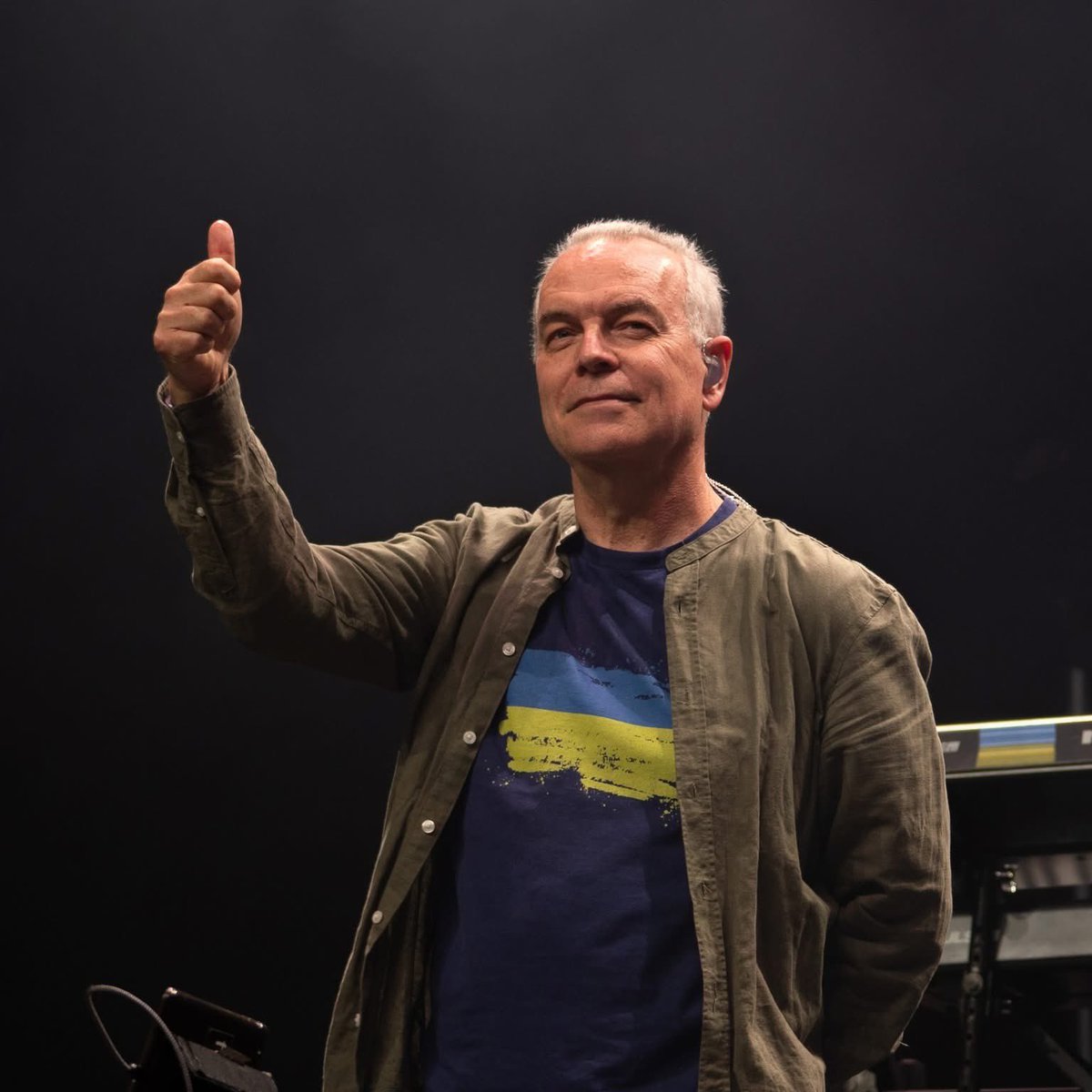
Steve Rothery and I are working towards the finishing post now with our album recording, alongside Riccardo Romano who’s engineering and on keys… It already sounds amazing!
Neil Armstrong, not yet an astronaut, completes his first of seven flights in the X-15 rocket-powered aircraft 65 years ago today.
More about his time as a research pilot at NASA: https://t.co/JQat5FyB6i
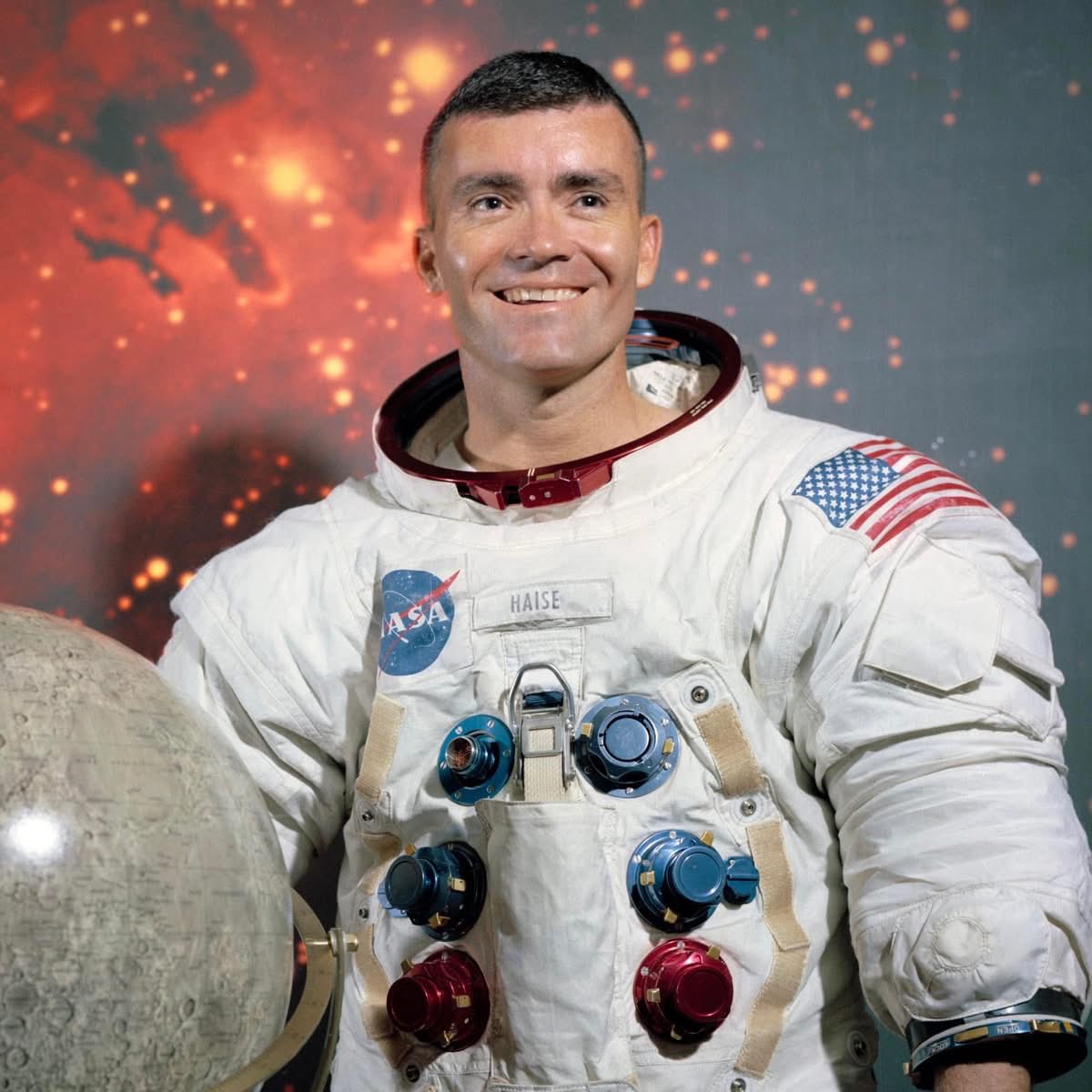
Two special space birthdays today. Happy 92nd birthday to Apollo 13 astronaut Fred Haise!
Today is also the birthday of astronaut Ed White, the first American to conduct a spacewalk.
Happy 92nd birthday Fred Haise! 🥳
Haise most famously flew on the tense Apollo 13 mission, but less known is the enormous role he played in the development and testing of the space shuttle.
Today we wish him many more happy orbits around the Sun!
Celebrating 79 Years of Innovation! 🎉 ✈️
Today marks NASA Armstrong’s 79th anniversary! For nearly eight decades, our center has been at the forefront of advancing aeronautics, space exploration, and Earth science through cutting-edge flight research and technology development.
Named in honor of Neil A. Armstrong – former research test pilot here and the first human to walk on the Moon – our legacy is built on bold ideas, groundbreaking missions, and a passion for pushing boundaries.
Join us in celebrating 79 years of milestones and discoveries: https://t.co/12vgqEiTP5
✈️ Mission Complete!
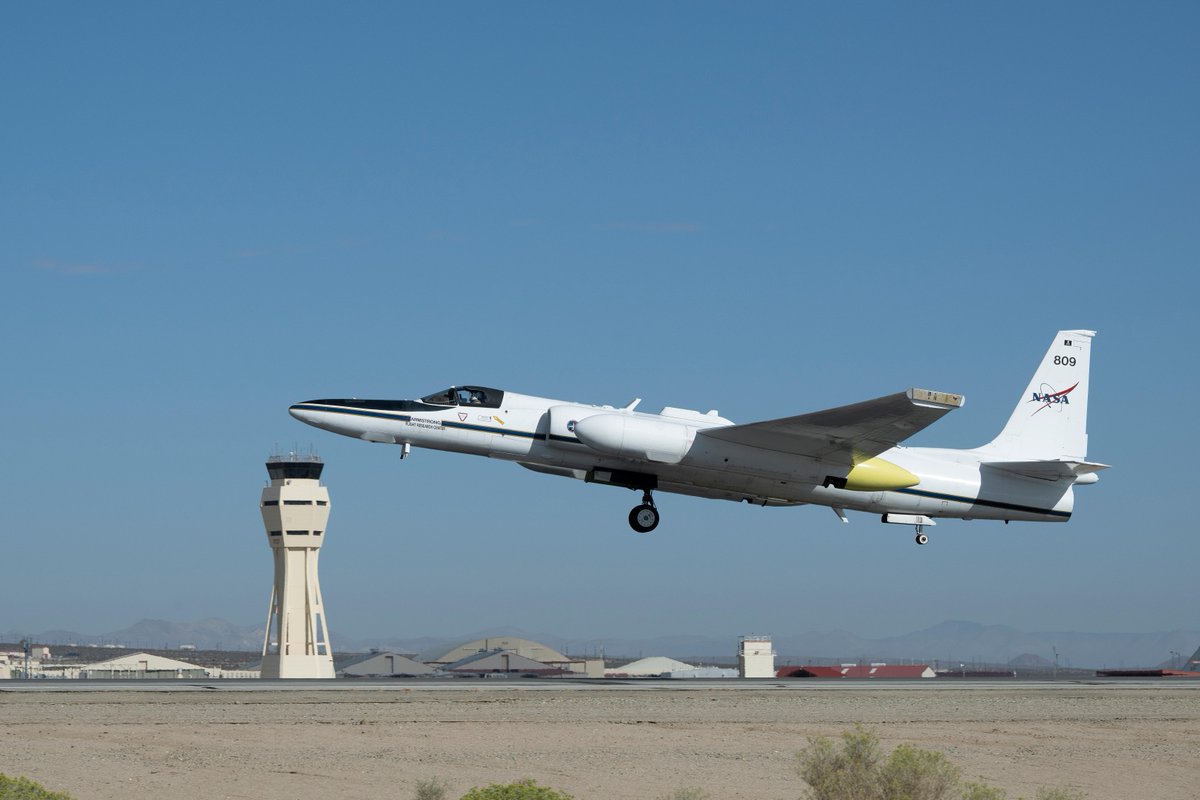
NASA Armstrong’s high-flying ER-2 aircraft has completed its 2025 support of the Geological Earth Mapping Experiment (GEMx), a multi-year NASA-U.S. Geological Survey campaign to map critical mineral resources across the Western U.S. 🌍
The 36th and final science flight of the year was completed Tuesday, Sept. 23. In 2025, the GEMx team collected more than seven billion measurements over 200 flight hours. Data was gathered across parts of eight states: Nevada, Idaho, Oregon, California, Arizona, Utah, New Mexico, and Texas. The most distant science area was more than 900 miles from NASA Armstrong, in the Big Bend region of Texas.
Since April 2023, the team has covered almost 182,000 square miles, bringing the total area mapped by GEMx to more than 309,000 square miles.
GEMx marks the largest airborne surface mineralogy dataset ever collected in a single NASA campaign – a major milestone in support of Earth science, resource management, and environmental stewardship.
Based at NASA Armstrong in Edwards, California, the ER-2 continues to demonstrate why it remains one of the world’s most powerful airborne science platforms.
Learn more about NASA GEMx: https://t.co/2syVoWNVyO
Explore more about NASA's ER-2: https://t.co/hKKbzb3IYW
A new NASA History Report looks back at the SOFIA airborne infrared observatory!
From 2010 through its final science flight #OTD in 2022, SOFIA helped astronomers around the world study cosmic events and objects invisible to other telescopes. ✈️ https://t.co/R8Jci0TMAU
Manned trials of the Stanley Escape Capsule on the B-58A Hustler at Edwards Air Force Base.
The self-contained unit was pressurized and enabled safe ejection for the crew at supersonic speeds and high altitude.
Astronaut life is dangerous - Neil Armstrong ejecting from his Lunar Lander trainer when fuel for the attitude control thrusters stopped. Just missed the fireball.
https://t.co/wgtXlzGsVY
How do you advance a technology concept for missions on Earth and beyond?
You test it in flight. ✈️
At NASA’s Armstrong Flight Research Center in Edwards, California, researchers are building a large subscale aircraft to support increasingly complex flight research.
Once ready, the aircraft will help evaluate new concepts, technologies, and flight controls, offering more frequent and affordable testing than crewed aircraft.
Learn more: https://t.co/09lRjr32ZX
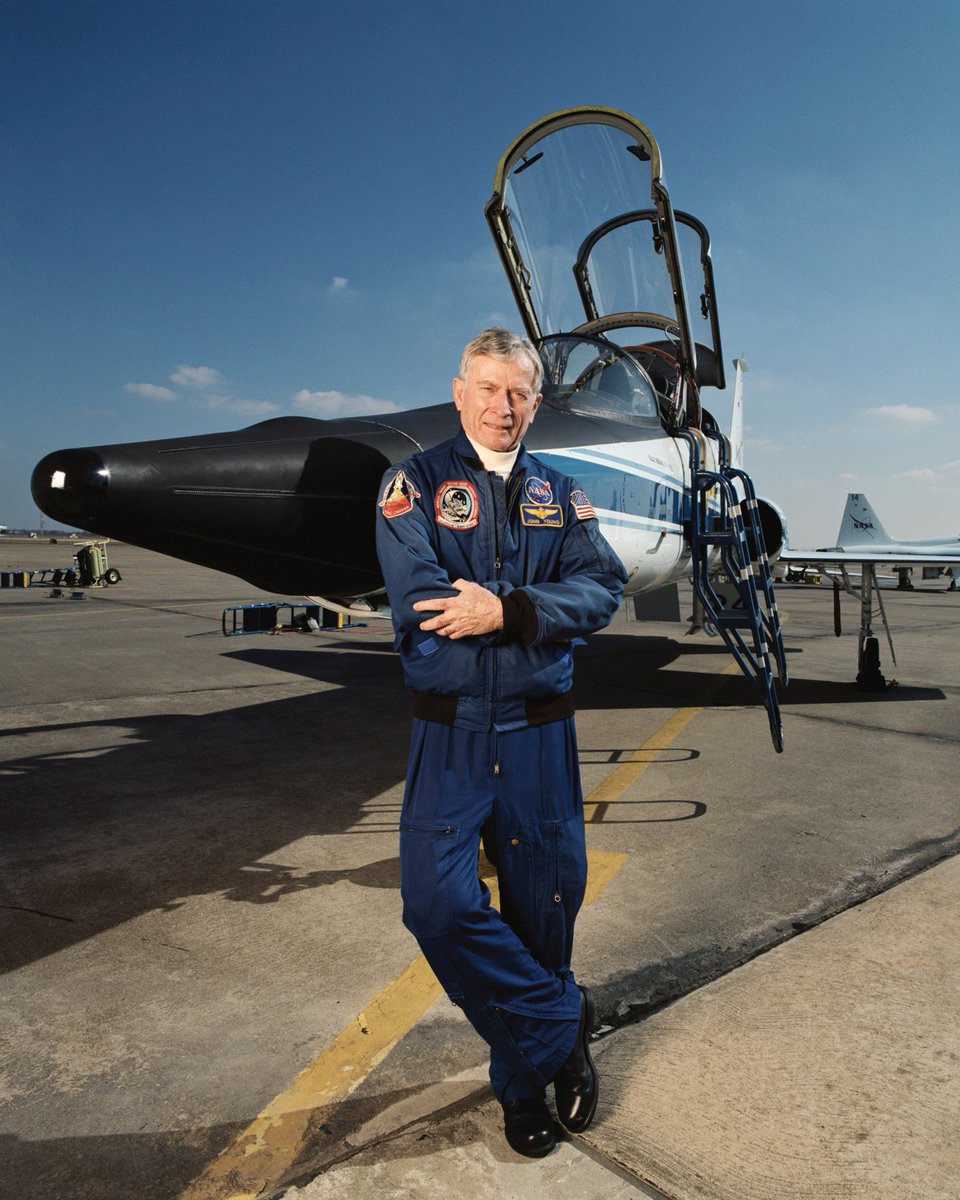
Walked on the Moon ✅
Flew the maiden flight of a spacecraft ✅ ✅
Worked for NASA for 42 years ✅
Today we remember John Young—the astronaut's astronaut—on his 95th birthday. https://t.co/bVThA4HytA
“Always take the job seriously, but never take yourself seriously.”
NASA test pilot Bill Dana flew the final powered flight of the X-24B lifting body 50 years ago today—wearing pink boots.
Read about Dana's legacy and how the pink boots came to be: https://t.co/FlXoYzVIy5