Interventional and Structural Cardiologist. Dir. of Clinical and Outcomes Research, @crfheart. Director of Acad. Affairs, @StFrancis_LI. Die-hard Red Sox fan.
Recorded live at #NYValves2026, listen to moderators @Drroxmehran and Michael Mack join panelists in a discussion of how the CMS’s proposed national coverage determination will affect the future of TAVI in this episode of Talking Points. https://t.co/FRC8rECGwI
Incorporating an automated valve care pathway into electronic health records (EHR) has been associated with increased rates of timely evaluation and management for patients with severe aortic stenosis, according to results from the DETECT AS II study. #NYValves2026
https://t.co/g4RWYYuCr5
@SammyElmariahMD
Watch Now | OPCI Journal Club: Left Ventricular Unloading in Anterior STEMI without Shock: The STEMI DTU Randomized Controlled Trial featuring @NavinKapur4. Panelists @djc795@DrAllenJ@ESHLOF. https://t.co/8ExaWfOVTh
Patients who undergo repeat mitral transcatheter edge-to-edge repair (M-TEER) for symptomatic severe mitral regurgitation experience poorer clinical outcomes, according to an analysis of the STS/ACC TVT Registry. #NYValves2026 https://t.co/h9c9g9zSvs
@Shahzad77891064@JACCJournals At any rate, the ROMA trial will provide the strongest evidence for this question. Once it has been published, we can see if this study holds up.
@Shahzad77891064@JACCJournals And this study shows that the surgeons who prefer MAG have long-term mortality outcomes no better than the ones who never use MAG. So if you believe that MAG is truly better than SAG, these findings could be considered an indictment of surgical judgement as well.
@aelsab What will we learn from that trial? I’m trying to understand the kinds of data that are needed to move the field forward. Are there technical or comparative questions that need to be answered?
The primary endpoint and 1-year outcomes of the ENCIRCLE MAC Registry were presented as an LBCT at New York Valves (June 25, 2026). This is the first pivotal evaluation of fully percutaneous transseptal TMVR in patients with MAC-related mitral valve dysfunction using a dedicated mitral THV. Patients with symptomatic MAC-related mitral valve dysfunction treated with transseptal TMVR using the SAPIEN M3 system had 30-day mortality lower than predicted by the STS score, durable MR reduction to ≤1+, sustained improvements in symptoms and quality of life, and stable THV performance through 1 year. These findings support consideration for transseptal TMVR with SAPIEN M3 as a treatment option for appropriately selected patients with symptomatic MAC-related mitral valve dysfunction.
@MayoClinicCV #NYValves #TMVR #StructuralHeart #MitralValve #MAC #SAPIENM3
Only one course is dedicated to helping you master complications management. Join us at #CompCourse2026 to:
🫀 Review real cases and high-stakes scenarios
🌱 Build skills and systems to help you grow
🌐 Network with leaders from around the world
Secure your spot before rates increase July 1 | 2:00 PM EDT (UTC −4). 👉 https://t.co/8ir3ns9mZx
#CardioX #CardioTwitter #CardioEd #CardioResearch @KateKearney4@DrBillLombardi@jamiemccabeMD@djc795@jgranadacrf@triciarawh@TCTConference@TCTMD
@sangerkatz It's hard to imagine anyone defending these cases as rational. So, the question is what is preventing the legislatures from closing this loophole?
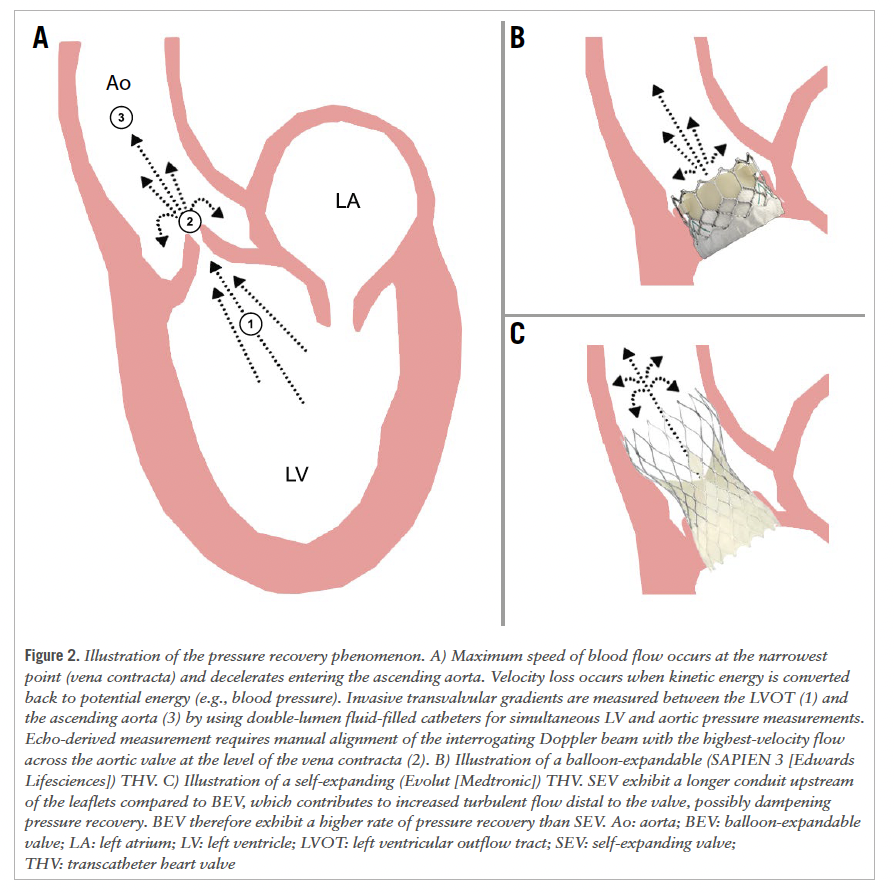
How should transvalvular gradients be assessed after TAVI?
This propensity score-matched study found that invasively measured gradients, but not echocardiography-derived gradients, independently predicted mortality, highlighting the potential prognostic value of invasive haemodynamic assessment after valve implantation. `
🔗https://t.co/Nb5dAvZLpB
#TAVI #StructuralHeart #Hemodynamics #EIJBestOf
@RikAdrMD@verhemel@Rjnuis@drnvanmieghem
Multiple arterial grafts in #CABG: real survival benefit or unmeasured confounding? In over 1.2M Medicare patients, the apparent advantage didn't hold up when surgeon grafting preference was used to address bias. https://t.co/o03H0ypkmB
#JACC#cvCABG
Certainly a field-defining study! https://t.co/nBYCzKCrVV Here's an interview with the investigators where they share some rare and meaningful insights into designing this decentralized study, how to interpret some of the findings, and what the findings mean for the future of how we diagnose and treat valve disease. @djc795 Michael Brener.
Watch the latest OPCI Journal Club Angiography-Based Physiology to Guide Coronary Revascularization (FAST-3) with Dr. Joost Daemen. Panelists @djc795@ziadalinyc@DrAllenJ@JWMoses@ESHLOF . https://t.co/wqTgYAFgse
It's a wrap on #NYValves2026! Watch @djc795 and @SammyElmariahMD discuss the late-breaking presentations from the final day of the conference. https://t.co/oES6ehg3Fb