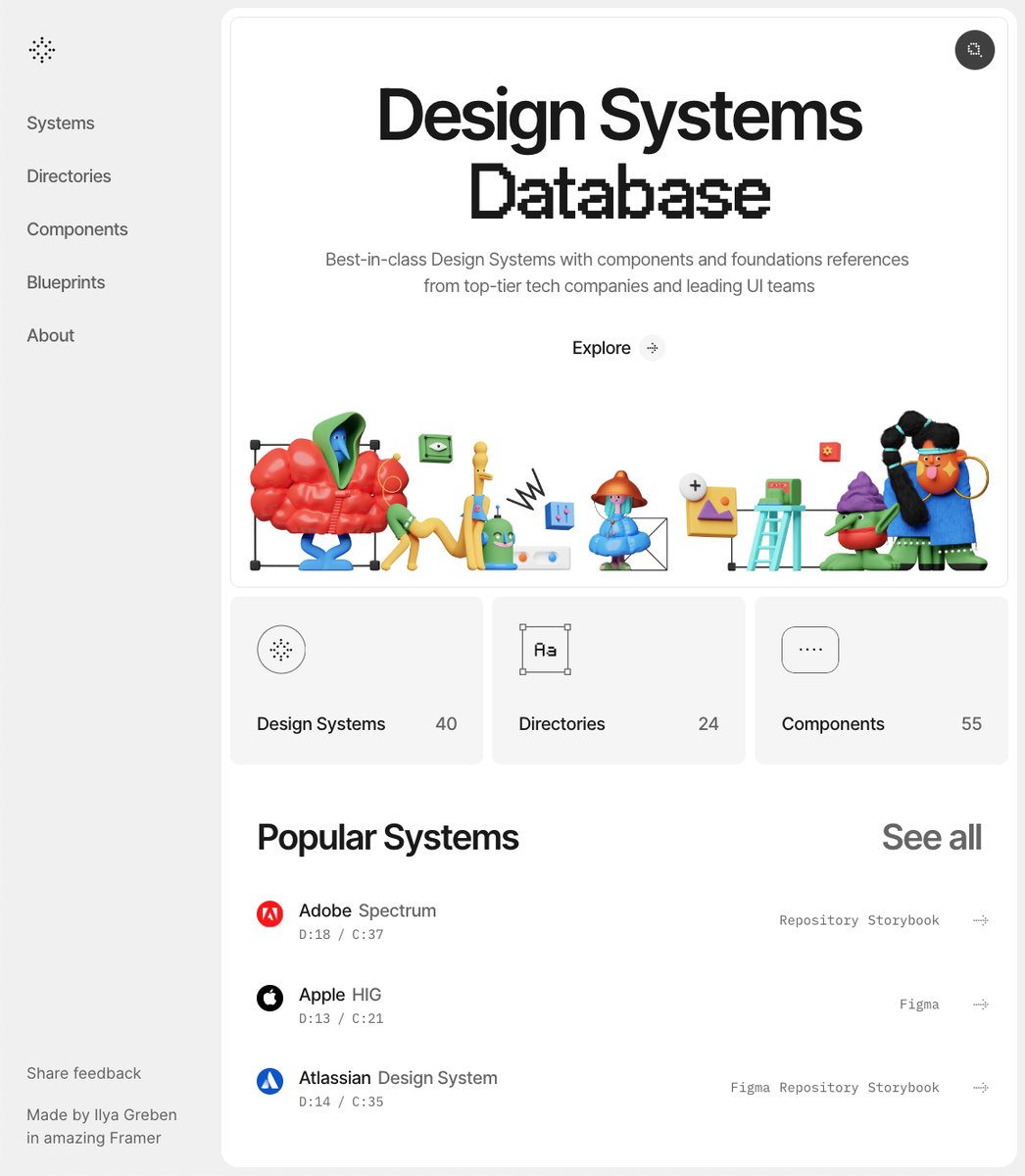
❖ Design Systems Database
Collection of top design systems sorted by components and foundational styles.
Handy resource for component research 💯
Check it out 👇
https://t.co/Qjfq6BJ6Iw
7 Cache Eviction Strategies You Should Know:
1. 𝐋𝐞𝐚𝐬𝐭 𝐑𝐞𝐜𝐞𝐧𝐭𝐥𝐲 𝐔𝐬𝐞𝐝 (𝐋𝐑𝐔)
- Removes the least recently accessed item first.
- Works well when older data is less likely to be used again.
- Example: Browser cache, in-memory caches like Redis.
2. 𝐋𝐞𝐚𝐬𝐭 𝐅𝐫𝐞𝐪𝐮𝐞𝐧𝐭𝐥𝐲 𝐔𝐬𝐞𝐝 (𝐋𝐅𝐔)
- Evicts the least accessed items over time.
- Prioritizes keeping frequently used items in cache.
- Example: Machine learning inference caches, recommendation systems.
3. 𝐅𝐢𝐫𝐬𝐭 𝐈𝐧, 𝐅𝐢𝐫𝐬𝐭 𝐎𝐮𝐭 (𝐅𝐈𝐅𝐎)
- Evicts the oldest stored item first, regardless of usage.
- Simple to implement but may remove still-relevant data.
- Example: Simple queue-based caching systems.
4. 𝐑𝐚𝐧𝐝𝐨𝐦 𝐑𝐞𝐩𝐥𝐚𝐜𝐞𝐦𝐞𝐧𝐭 (𝐑𝐑)
- Randomly evicts an item when the cache is full.
- Low overhead, but less predictable performance.
- Example: Used in some network routers.
5. 𝐌𝐨𝐬𝐭 𝐑𝐞𝐜𝐞𝐧𝐭𝐥𝐲 𝐔𝐬𝐞𝐝 (𝐌𝐑𝐔)
- Opposite of LRU – evicts the most recently accessed item first.
- Useful when recent data becomes obsolete quickly.
- Example: Video streaming buffers, certain financial applications.
6. 𝐓𝐢𝐦𝐞 𝐭𝐨 𝐋𝐢𝐯𝐞 (𝐓𝐓𝐋)
- Items are evicted after a set time limit (expiry time).
- Prevents stale data, useful in distributed systems.
- Example: DNS caching, API response caching.
7. 𝐓𝐰𝐨-𝐓𝐢𝐞𝐫𝐞𝐝 𝐂𝐚𝐜𝐡𝐢𝐧𝐠
- Uses a fast in-memory cache (e.g., Redis) & a slower persistent cache (e.g., disk-based).
- Optimizes speed & storage by balancing hot and cold data.
- Example: CDN caching, hybrid cloud storage solutions.
💡 No single strategy is perfect—the right choice depends on:
- Data access patterns (frequent reads? high writes?)
- System constraints (memory, CPU, disk space)
- Performance trade-offs (latency vs accuracy)
♻️ Repost to help others in your network.
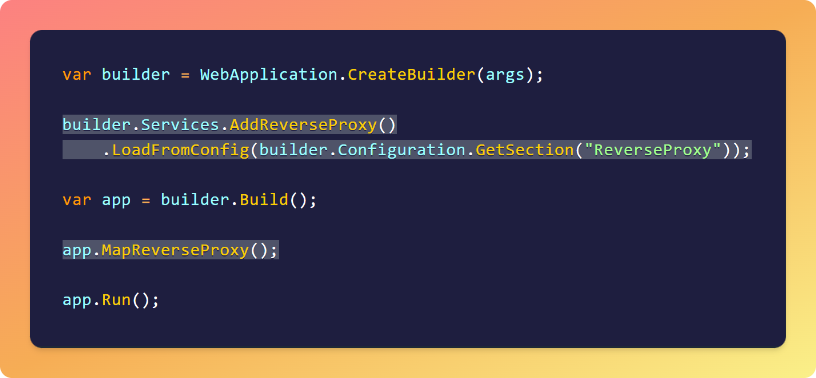
How can you build a reverse proxy in .NET?
A reverse proxy is an intermediary between clients and servers, routing client requests to the appropriate Microservice.
4 common use cases:
- Load balancing
- Monitoring
- Caching
- Security
One more use case for a reverse proxy 👇