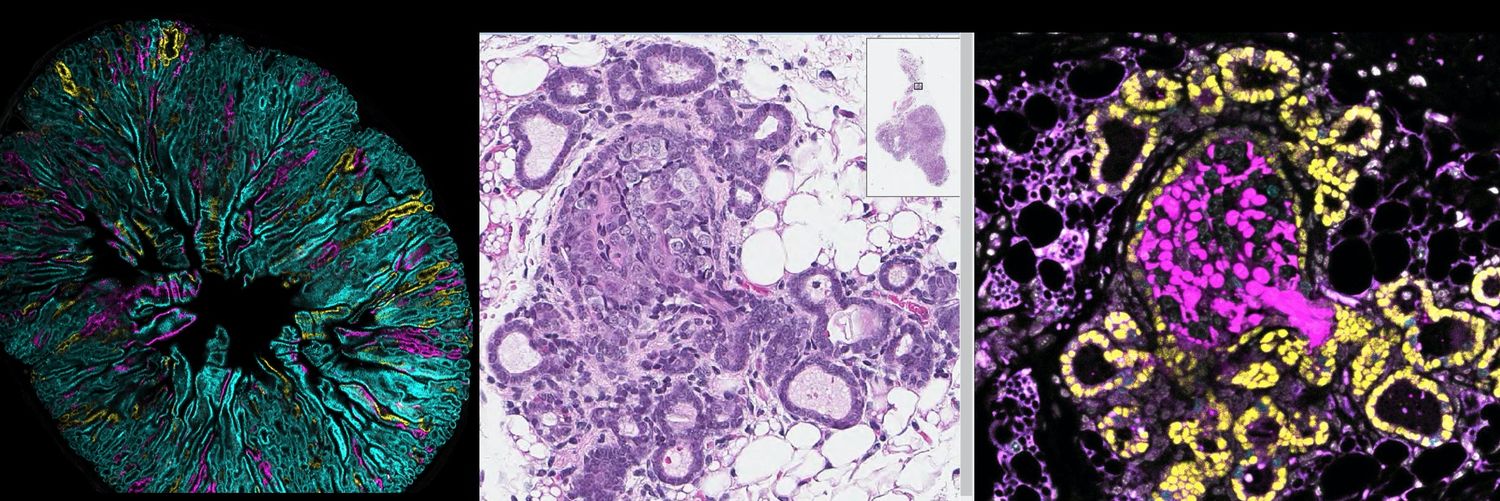
Breast cancer mouse model reveals step from genetically transformed to a screen-detectable lesion is rare & spread doesn't necessarily correlate with growth rate
📷 Joshua D. Ginzel et al, Bruce Rogers, @DNAce128@DukeSurgery in @DMM_Journal
➡️ https://t.co/8bL1L8UaTs
The Snyder lab is expanding! Post doc positions are open for those interested in Spatial analysis and Spatial transcriptomics of breast cancer. Details here: https://t.co/J8zneeIx9K
1/2 Our paper is finally out in @npp_journal. We show that norepinephrine transporter mice which have elevated cortical NE and DA but lower tonic striatal DA have enhanced cognitive flexibility and larger striatal phasic dopamine signals.
https://t.co/Pl9ZVtJqnh
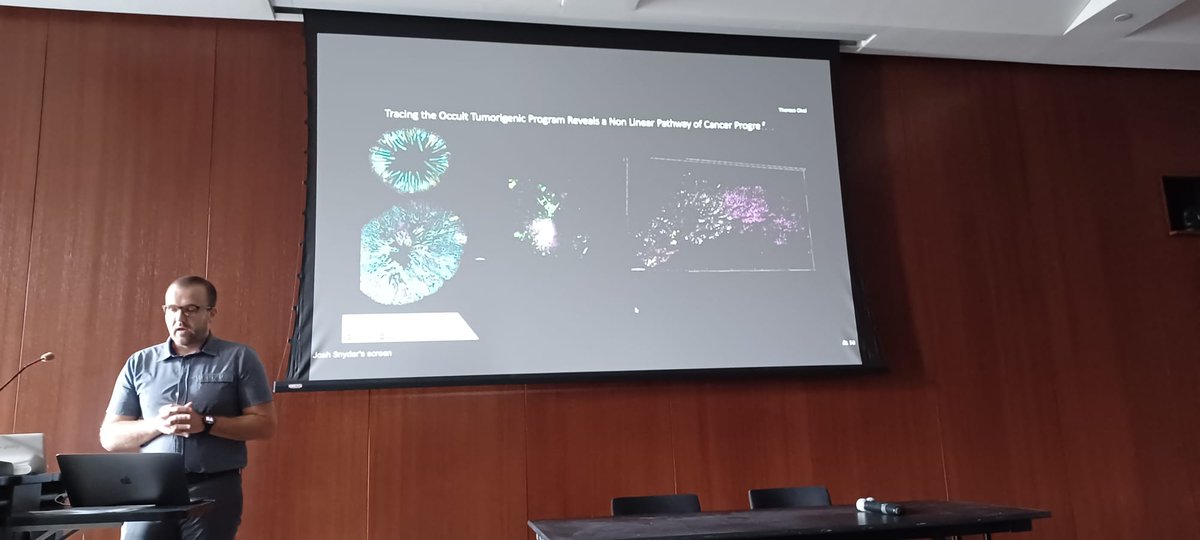
Excited to share our new preprint where we use math and crainbow lineage tracing to identify an occult transition early in the life of a tumor. Well done @josh_ginzel And team! @DukeSurgery@DukeDscb
📢📢Are you looking for a postdoc position in NY? Do you like #microscopy and want to expand your skills on intravital imaging? Join us!! We have 1 postdoc position to fill.👇👇 @TischCancer@IcahnMountSinai#Recruiting
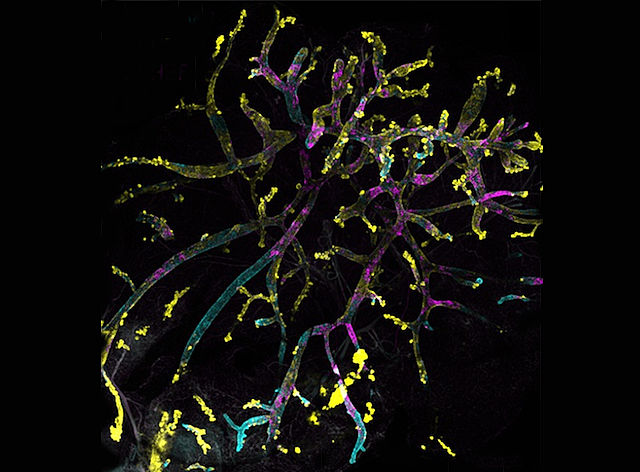
An NCI IMAT grant was awarded to the @Dnace128 Lab for turning mouse tumors into living TV screens. Using this technique, Dr. Snyder's lab will be able to visualize the cellular ancestry of breast cancer.
Are you looking for a postdoc in cancer neuroscience? Do you like microscopy? We are looking for a postdoc to join @BravoCorderoLab and @Deannabenson4B labs. Check our websites and if you like the projects email us. Here is the @jobRxiv ad: https://t.co/mUw1MBEDMr
Please RT!!!