We are excited to launch The Data Quartet Challenge, recognizing student contributions to projects that integrate data from at least 2 of 4 FRQ supported Quebec Alzheimer’s and Aging cohorts (PREVENT-AD, CIMA-Q, NuAge, TRIAD), with 3 prizes of 5000$
https://t.co/jUYizVxi2u
1⃣On average, FA reached maturity at the youngest age (mean=29.2 years), followed in order by RD (mean=35.8 years), MD (mean=41.7 years) and AD (mean=48.2 years). We found evidence supporting the ‘last-in, first-out’ hypothesis, for FA, MD and AD.
New paper “Characterizing spatiotemporal white matter hyperintensity pathophysiology in vivo to disentangle vascular and neurodegenerative contributions” out in Nature Communications! https://t.co/I2hn28HZIH
I'm proud to share this work led from the @DouglasResearch and the @IPNMcGill and funded by the @AlzCanada and the @FRQS1. Special thanks to my supervisors, @mallarchkrvrty1 and @DadarMahsa, who showed great patience every time I added an analysis to this project in the last 4y!
Cerebral amyloid angiopathy (CAA) is frequently seen in individuals aged 50 years+ presenting with a cognitive complaint, and patients with probable CAA according to the Boston criteria V1.5 but not V2.0 have increased risk of dementia: https://t.co/tprBLGViEJ
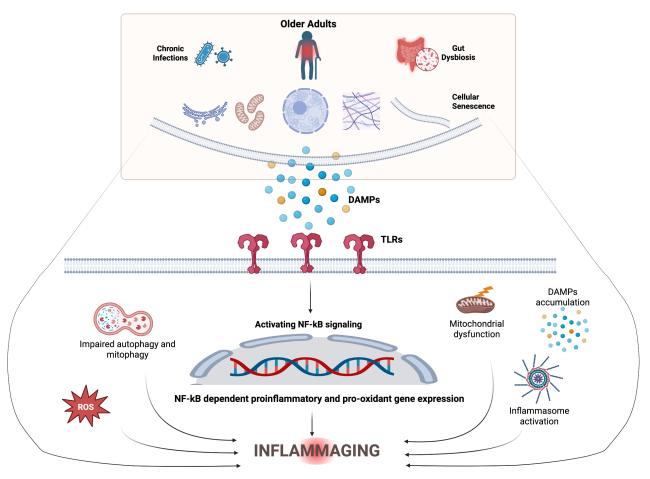
Inflammaging: From Mechanisms to Clinical Implications and Targeted Interventions
"...opportunities and limitations of these approaches for identifying individuals at risk for chronic disease..."
https://t.co/ClCxPi6sQx
Up to age 60, adult brain volume completely dominated by stable individual diffs. At 80 yrs, up to 50% reflects differences in change. Interpretation: 1) We change similarly up to 60. 2) Group comparisons often not reflecting changes. @Edvardosg@LCBC_UiO https://t.co/ZX8oNW7Bb0
Excited to share our latest HBM paper on Recon-any: a free tool for robust cortical surface analysis of low-field MRI of any contrast/resolution (also ex vivo!).
Toward accessible neuroimaging!
https://t.co/klB2bh8mTj
Freely available on @FreeSurferMRI :
https://t.co/z1jjc5jyzo
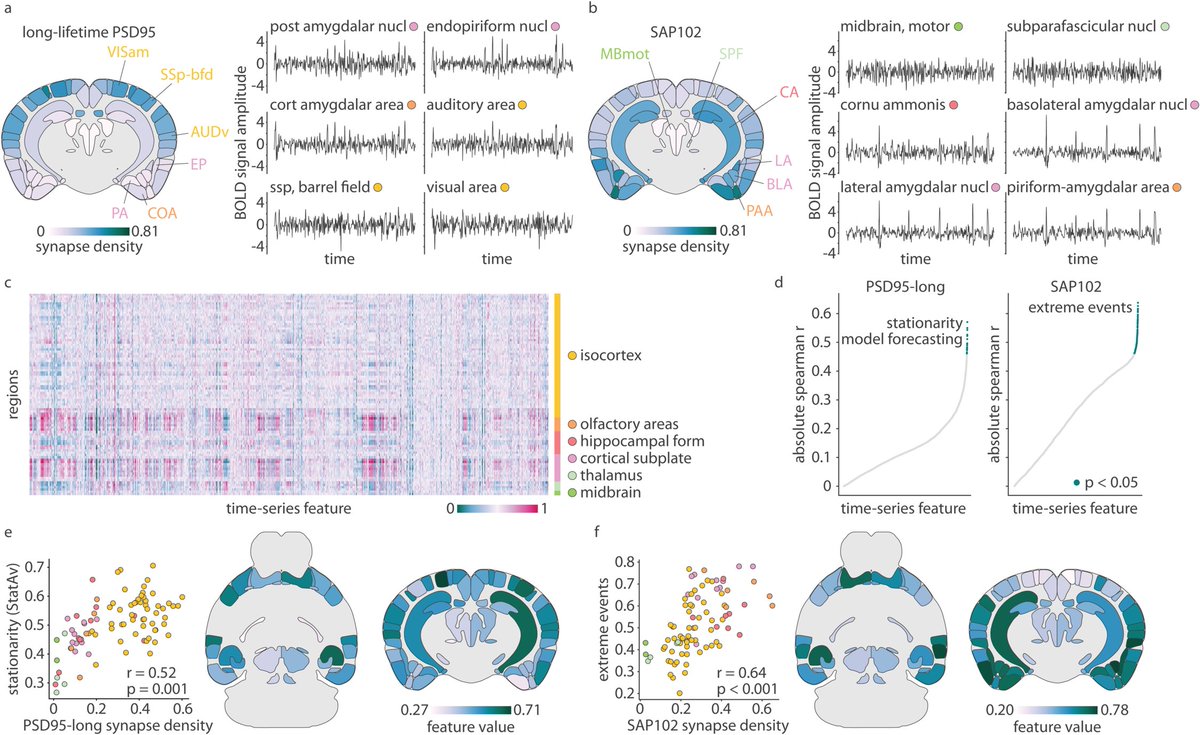
Synaptome architecture shapes regional dynamics in the mouse brain | https://t.co/YKH3euIQpP
How do diverse synapses relate to the spatial patterning of whole-brain dynamics? @JustineYHansen explores @PLOSBiology ⤵️
The first time you start a research lab, there’s no manual.
So I made one.
A practical toolkit for postdocs and early-career faculty launching their first lab: hiring, startup planning, collaborations, and building a sustainable research program.
https://t.co/a30LLykjKq
Greater adherence to the #DASH diet, plant-based dietary patterns, or diets with lower hyperinsulinemia and inflammation was associated with lower risk of subjective cognitive decline and better cognitive function in adults.
https://t.co/5p1G5ifnhd
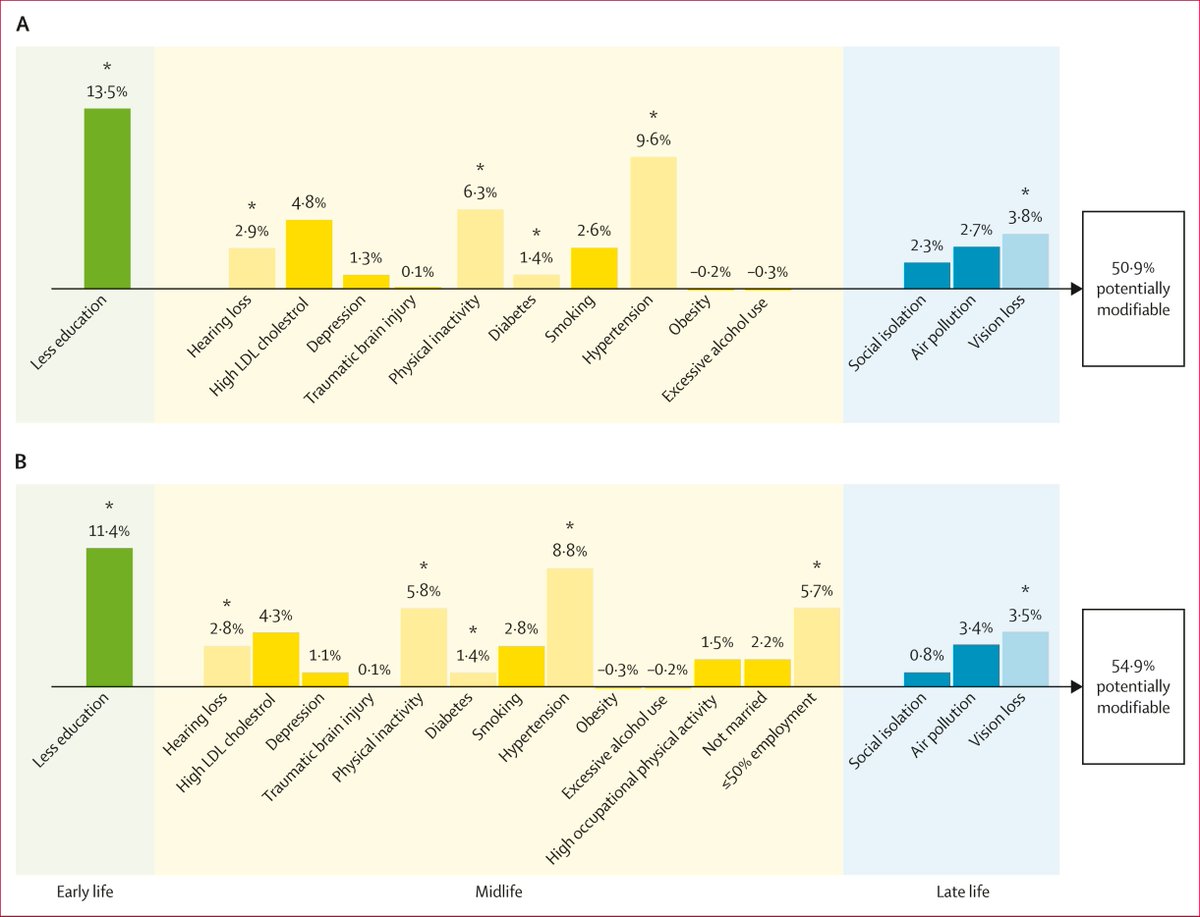
Potentially modifiable risk factors for dementia in Norway (HUNT4 70+): a retrospective cohort study
👉"Addressing all 14 Lancet risk factors could prevent over half of all dementia cases."
https://t.co/8DUSdzlMTM
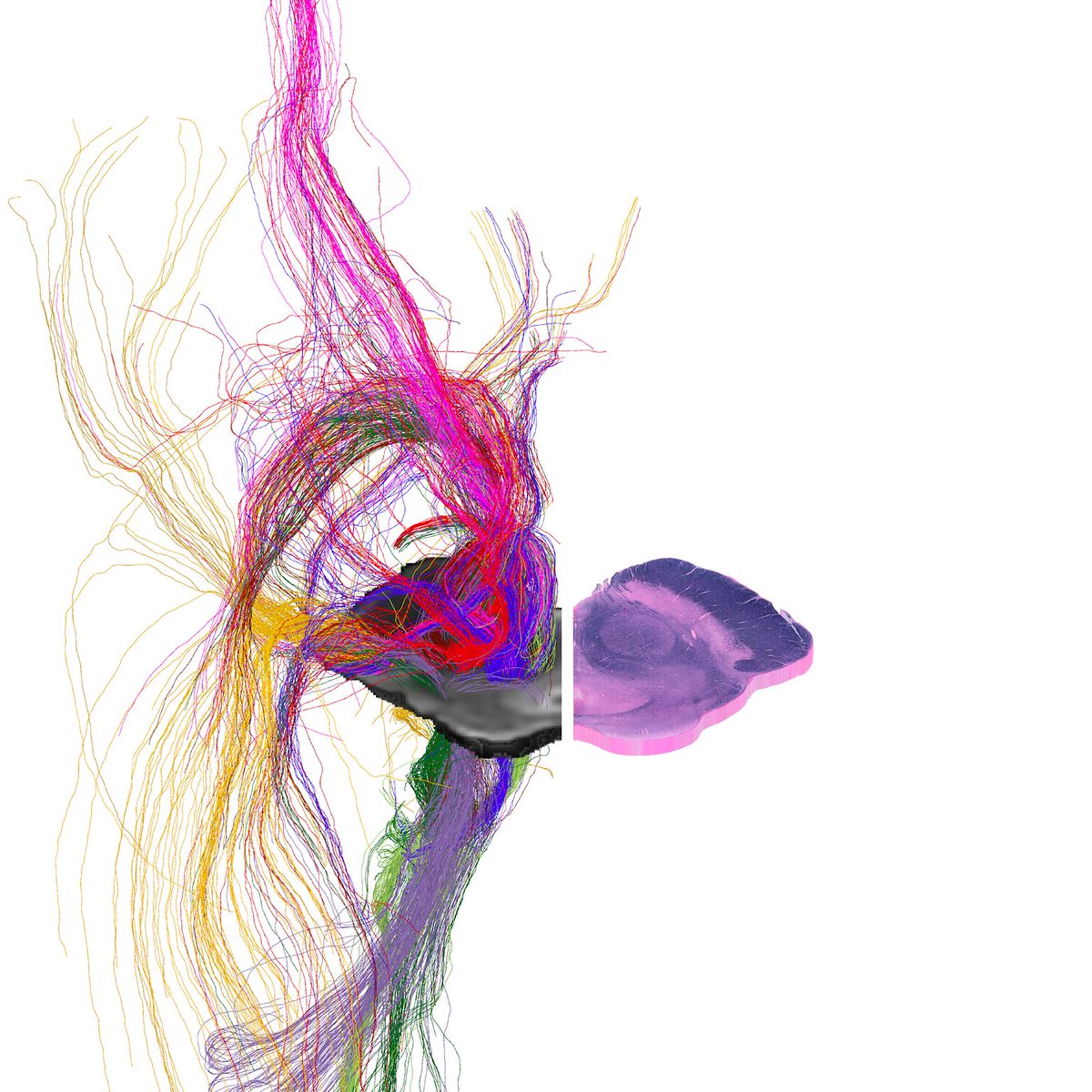
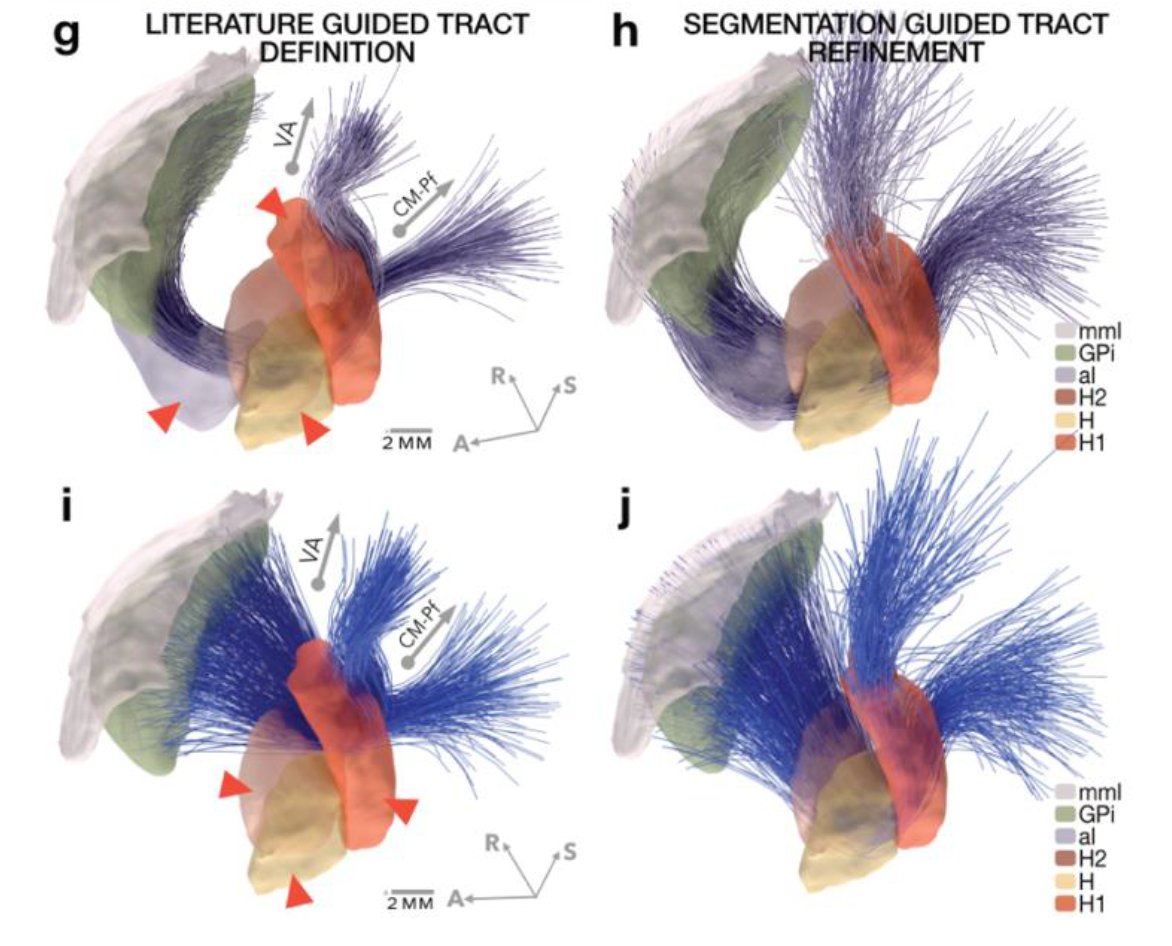
New hi-res subcortical atlas defined at 100 microns!
Manually delineated using MRI, fibre tracking and histology
https://t.co/8fg97y2aXb
https://t.co/dND1IM9wk3
@andreashorn_ Helen Friedrich & team
CLSAFindings💡: Cardiovascular risk in aging adults with double deficits in social support: A gender-sensitive, cross-sectional analysis of the CLSA cohort
Cc: @ubcpharmacy@PHCResearch@UBCAging@UnivOfTehran@UBC
🔗: https://t.co/YWimUjE30e
Notre article intitulé « A Meta‐Analysis of Sex‐Based Differences in Health Service Use for Persons Living With Dementia Between 2018 and 2020 in Four Canadian Provinces » a été publié dans le JAGS ! https://t.co/N7h7CmzyBm @McGillFamMed@IsabelleVedel @CCNA_CCNV@RIMUHC1