Early childhood researcher, early childhood data systems, evidence-based policy, #earlychildhood. Research Scholar @ChildTrends. All tweets are my own.
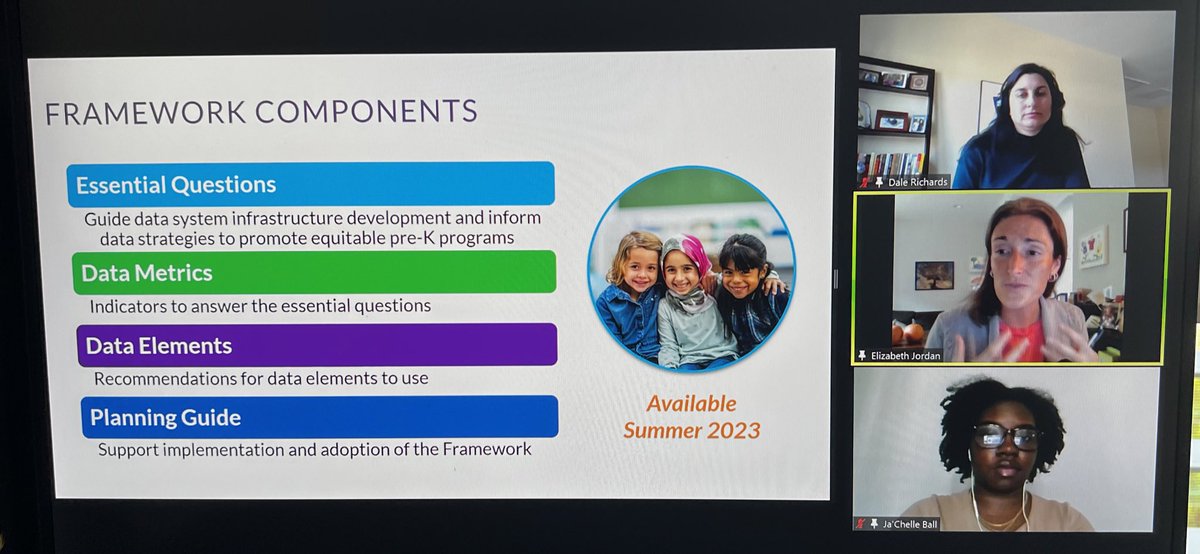
“This PreK Data Equity Framework can be used to expand on the data states already have and answer the equity questions ECE state leaders need to know!” @Beth_Jord of @ChildTrends and colleagues @DaleEpstein4 and Ja’Chelle Ball overview this great new resource!
A new @ChildTrends report explains an unprecedented 59% decrease in child poverty from 1993 to 2019. @RybergRenee & @DanaLThomson found that the social safety net and a combination of economic factors were largely responsible for the decline. https://t.co/Byw7ZP7ovM
@ChildTrends' @megbredeson, @kingcarlise, & @DaleEpstein4 suggest that policymakers lack the data on pre-K systems that is necessary to ensure equitable experiences for children, families, and educators. https://t.co/kIXhNT3xcB
@childtrends is hiring two positions for @ecedata! See links for more info:
Senior Early Childhood Data Systems Specialist
https://t.co/a9ailmNndm
Early Childhood Data Systems Analyst:
https://t.co/7rBL1seJqp
A new @ChildTrends resource discusses how the pandemic has affected families with young children with disabilities and offers considerations for states as early care and education programs begin to reopen. https://t.co/EzdrLT7R9l
Clear policy questions can help guide the data integration process and ease decision-making! Check out this new resource from our SHINE team when approaching #homevisiting data integration
.@DrDebTemkin will give testimony to the U.S. Senate Committee on Homeland Security and Governmental Affairs about evidence-based best practices for preventing school violence and the need for research on #schoolsafety strategies tomorrow at 9:30 am ET. https://t.co/2SXmakK5Zp
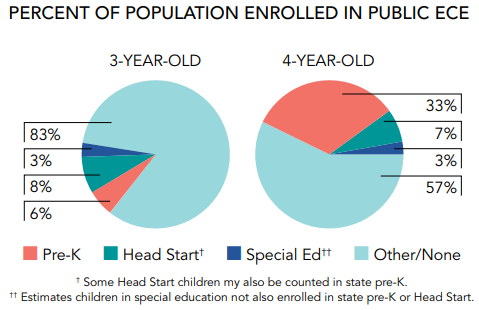
The #StateofPreschool2018 provides #earlychildhood data on state-funded preschool access, resources, and quality. The report finds that during the 2017-2018 academic year only 5.5% of 3-year-olds were enrolled in public preschool programs. https://t.co/DIkz1TEeav @PreschoolToday
Black infants are almost 2x as likely to have low birthweight than white infants in the US. According to @ChildTrends, addressing racial disparities before and during pregnancy may reduce the incidence of low birthweight and save Black infants' lives. https://t.co/VMnYKIoJkw
Despite considerable effort to link data across ECE programs, most states have not included home visiting data in their integrated systems. @kingcarlise and @DaleEpstein4 offer lessons from ECE that home visiting can use to improve data integration. https://t.co/WML3FJlOBe
Integrated #ECE data can help states see how programs are affecting children, identify gaps in coverage, and improve programs over time. Our latest webinar highlights 3 examples of states using integrated data systems: https://t.co/d4nzNbyIvh.
A new @ecedata report shares examples from 3 #KIDSCOUNT organizations and their work to build and use integrated ECE data. Each state relied on strong partnerships to support their work. https://t.co/KhXfKsCQ19
There is a lack of comprehensive data about AI/AN adverse childhood experiences because AI/AN data are typically grouped in an “Other” category or not analyzed in studies at all. #NativeAmericanHeritageMonth#ACEs https://t.co/PRkG9PAMZ7 via @aroundhim_d @AlexDeMand_ @ChildTrends
Gun violence all around, and did you know that we are willfully ignorant of how to make it better? My commentary @EdweekComm out today. We Are Willfully Ignorant About Ending Gun Violence https://t.co/turCgkulNh via @educationweek
A new blog post from @lauren_supplee and @SarahDaily15 highlights lessons learned from continuous quality improvement efforts across the #homevisiting and #ECE fields and offers considerations for moving forward. https://t.co/SQUW8Llzob
Data sharing partnerships with state and federal agencies can help counties gain access to information on #earlychildhood programs and services that is not regularly available. https://t.co/X0HrOel5va via @NACoTweets @drkatiewendy @DaleEpstein4
Coordinating early childhood data is critical to answering key policy questions about the services that children receive. However, fewer states have a defined data governance body to support the coordination and use of #ECE data compared to 2013. https://t.co/icY9S3rVAE