🟥 Public Anger in Port Sudan: Residents Set Fire to Motorcycle Belonging to Joint Forces Member
🟦 Alleged Misconduct by Armed Personnel Reignites Debate over Discipline, Accountability and Civilian Protection
⬛️ Port Sudan | 20 October 2026 | Al-Jumhuriya Al-Jadida
Residents of Port Sudan have reportedly set fire to a motorcycle belonging to a member of the Joint Forces, in an incident brought to the attention of Al-Jumhuriya Al-Jadida by a local resident who also provided video footage relating to the incident. According to the source, the incident occurred in protest against the conduct of members of the forces towards residents of the area.
The incident, as described by the source, reflects growing local resentment over what residents characterise as misconduct by some members of the Joint Forces. However, Al-Jumhuriya Al-Jadida has not independently verified the circumstances surrounding the incident, established the identity of the motorcycle’s owner, or obtained an official response from the relevant authorities.
Who Are the Joint Forces?
In this context, the term Joint Forces refers to armed formations comprising personnel from Sudanese armed movements that signed the 2020 Juba Peace Agreement. Some of these formations, particularly those associated with Darfur’s armed movements, are commonly referred to as the Joint Force of the Armed Struggle Movements or the Darfur Joint Force.
Their principal components have included the Sudan Liberation Movement led by Minni Arko Minnawi and the Justice and Equality Movement led by Jibril Ibrahim, alongside other armed movements and factions. During Sudan’s ongoing war, several of these movements shifted from neutrality to military alignment with the Sudanese Armed Forces (SAF) in their conflict with the Rapid Support Forces (RSF). In April 2024, the Darfur Joint Force announced the end of its neutrality and its entry into the fighting.
Throughout the war, elements of these formations have undertaken military and security-related duties, including protecting certain institutions, securing routes and participating in security operations in areas under army control.
Previous Security Concerns Renew Questions over Accountability
On 4 July 2026, Mada Masr published a report examining the aftermath of a security incident at Souq Libya in Port Sudan. The report discussed moves by the Red Sea State Security Committee to review the role of the armed movements’ Joint Force within urban areas, amid concerns over discipline, accountability and the potential misuse of military status for unlawful activities.
These developments highlight the broader challenges facing authorities seeking to regulate multiple armed formations operating within Sudanese cities, particularly amid an ongoing war and the strain placed on civilian institutions and security agencies responsible for maintaining consistent oversight.
The reported incident in Port Sudan raises fundamental questions about relations between civilians and armed formations, the limits of personnel’s authority, the mechanisms available for filing complaints, and the investigation of alleged misconduct and accountability for those found responsible.
Sources and References
1. Mada Masr — Report on security incidents prompting a review of the Joint Force’s role in urban areas, 4 July 2026. Read the report.
2. European Union Agency for Asylum (EUAA) — Background on major armed groups in Sudan. Read the report.
3. Armed Conflict Location & Event Data (ACLED) — Analysis of shifting alliances and the course of Sudan’s war, April 2025. Read the analysis.
4. Al-Jumhuriya Al-Jadida: Testimony from a Port Sudan resident and video footage submitted in connection with the reported incident.
Al-Jumhuriya Al-Jadida | Independent News Platform
🟥 Abyei Residents Stage Peaceful Protest Against Attack on Amiet Market
🟦 Demonstrators Condemn Strike Attributed to the Sudanese Armed Forces and Demand Protection for Civilians
⬛️ Abyei | 20 October 2026 | Al-Jumhuriya Al-Jadida
Residents of Abyei staged a peaceful march on Tuesday, 20 October 2026, to protest the drone attack that struck Amiet Market on 19 October, reportedly leaving dozens of civilians dead and injured, according to local reports.
The demonstrators voiced their outrage over the targeting of the market, a vital commercial hub serving local communities and traders from both Sudan and South Sudan. They called for the protection of civilians and civilian infrastructure and demanded an end to attacks that place innocent lives at risk.
Authorities in Abyei have attributed the attack to the Sudanese Armed Forces. The Government of South Sudan has condemned the incident and summoned the Sudanese ambassador in Juba to formally convey its protest over the attack and its security and humanitarian implications.
The march comes amid growing concerns that Sudan’s ongoing war is spilling across its borders, threatening the safety of communities, livelihoods and regional stability in the disputed Abyei area.
The incident has renewed calls for markets and civilian gathering places to be kept out of military operations, for civilians to be afforded effective protection, and for those responsible for violations to be held accountable in accordance with international humanitarian law.
Al-Jumhuriya Al-Jadida | 20 October 2026
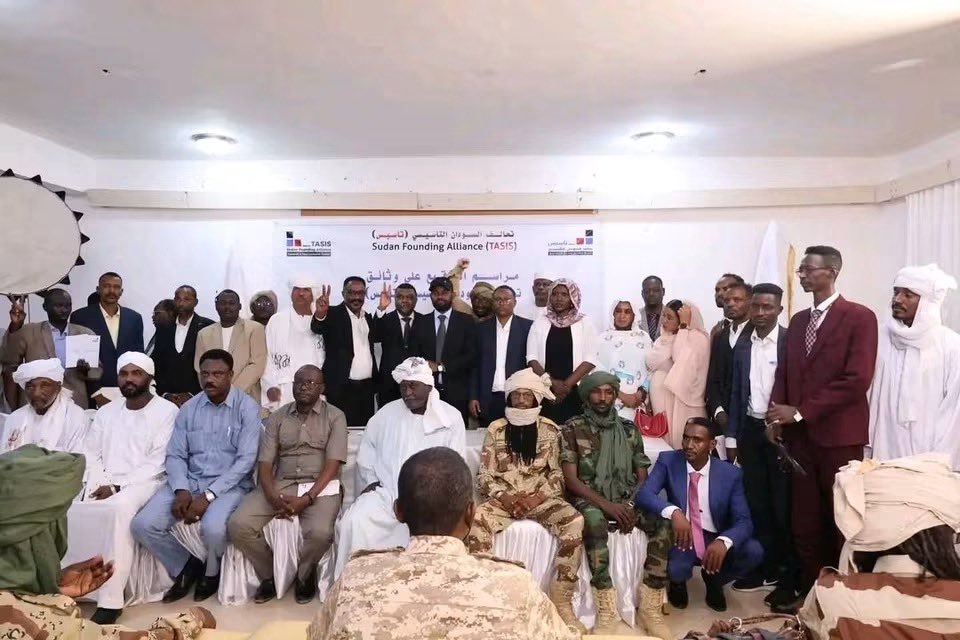
⬛️ Equal Citizenship at the Heart of “Tasis”’s Vision
🟦 “Tasis” Expands Its Political Base
🟥 Sudan Revolutionary Awakening Council Joins “Tasis”
The Founding Alliance of Sudan (“Tasis”) advocates a project to rebuild the Sudanese state on the foundations of freedom, peace, justice, democracy, and decentralisation, guaranteeing equal citizenship for all and equitable distribution of power and wealth, in accordance with its founding charter.
#Sudan #TasisAlliance
Freedom - Justice - Peace - Democracy
Sudan Liberation Movement/Army Transitional Council (SLM/A-TC)
Statement of Condemnation on the Targeting of Civilians in Ed Daein and Al-Naam Market
In continuation of the campaign of genocide the destruction of markets, vital infrastructure and civilian gathering the Muslim Brotherhood army targeted Al-Naam Market with a drone strike on Monday morning. The market is located in the border region between Sudan and the Republic of South Sudan.
This bombardment resulted in massive losses of lives, property and caused extensive burning of the market noting that this market is located within an area under the supervision of UN forces mandated with civilian protection.
In a similar event a drone belonging to the Islamic Movement's army targeted unarmed civilians on Monday in East Darfur State claiming the lives of dozens of citizens and leaving a number of others wounded and injured.
The Movement condemns in the strongest possible terms these brutal and heinous acts which constitute full-fledged international crimes a flagrant violation of all regional and international norms and conventions, and a complete undermining of the moral standards and foundations regarding the protection of civilians during armed conflicts.
In the face of this treacherous act the Movement calls upon the international community and human rights organizations to take urgent action to stop the terrorism and horrific atrocities in the region.
The Movement also extends its deepest condolences and sincere sympathies to the families of the victims wishing a speedy recovery to the injured. It reaffirms that the blood of the Sudanese peoples will not be shed in vain and that defending and protecting citizens has become a revolutionary and moral duty now more than ever.
Glory and eternity to our righteous martyrs a speedy recovery to the wounded and victory to the will of our honorable revolutionaries.
Office of the Secretary of Information and Official Spokesperson for the Movement
October 20, 2026
⭕️ Al-Burhan’s terrorist militia is systematically targeting civilians in western Sudan. Just days after bombing a livestock market in Nyala - killing dozens of civilians - the militia has today struck Al-Na’am market, where thousands of civilians are present.
#Sudan#SaveSudan
A state that fails to protect its own citizens and then carries the fire of war into neighbouring countries is not defending its sovereignty; it is squandering what remains of it. In doing so, Sudan is being driven towards a regional confrontation that may prove difficult to contain, while the threat of terrorism spreads across the wider region.
Have Sudan’s Islamists Returned to Exporting Terrorism?
From Chad, Ethiopia and South Sudan, Port Sudan Is Exporting Its War to the Region
The dangers arising from Sudan’s war are no longer confined within its borders. From a deadly drone strike in the disputed Abyei area of South Sudan, to earlier air raids inside Chadian territory, and Ethiopian accusations that the Sudanese Armed Forces are supporting an armed coalition seeking to overthrow the federal government, a growing body of evidence suggests that the army’s leadership and the authorities in Port Sudan are pushing the conflict into an already volatile neighbourhood, threatening to transform Sudan’s war into an open-ended regional crisis.
This trajectory is made even more dangerous by the army’s reliance on armed groups and militias linked to the Islamist movement, whose political ambitions extend beyond restoring state authority to rebuilding the influence of the former regime and exporting terrorism.
European and international sources have documented the participation of the Islamist al-Baraa ibn Malik Brigade alongside the Sudanese Armed Forces. International media reports have also revealed that Islamist networks have supplied the army with fighters, military assistance, bureaucratic support and financial resources, and that some of their units operate weapons, artillery and drones under army orders.
The Massacre at Abyei Market
The latest regional alarm came from Amiet Market in the oil-rich Abyei area of South Sudan, which remains disputed between Sudan and South Sudan.
Yohana Akol Ngor, the acting information minister of the Abyei administration, said that drones struck the market on Monday, killing 73 people and injuring 19 others, according to preliminary figures. He accused the Sudanese Armed Forces of carrying out the attack.
Médecins Sans Frontières (MSF) confirmed that it had received more than 20 injured people at Ameth Bek Hospital, including critically wounded patients and people suffering from burns, lending further weight to reports of a major attack with substantial human casualties.
South Sudan’s Ministry of Foreign Affairs summoned the ambassador of the Port Sudan authorities in Juba and formally conveyed the government’s protest and profound concern over the attack and its implications for civilian security and stability in Abyei. Juba called on the authorities in Port Sudan to refrain from actions that endanger civilians and their property, take the necessary measures to prevent a recurrence, and address issues concerning the area through diplomatic channels.
Abyei is disputed between Sudan and South Sudan and remains subject to interim joint administrative arrangements. Its final status has yet to be resolved since South Sudan gained independence in 2011.
Amiet Market is a major commercial hub serving the Ngok Dinka and Misseriya communities, as well as people displaced by Sudan’s war. Its targeting brings the consequences of the conflict directly into one of the region’s most sensitive border areas.
The bombardment constitutes a serious violation that has placed the Port Sudan authorities at the centre of a diplomatic crisis with Juba. It also raises the prospect of military confrontation in an area where armed groups and international forces are present and competing sovereignty claims remain unresolved.
The Chadian Precedent
The Abyei incident did not occur in isolation. In August, the Chadian military accused the Sudanese Armed Forces and allied groups of striking a convoy of vehicles inside the eastern Ennedi region after pursuing it more than 100 kilometres into Chadian territory.
N’Djamena placed its forces on heightened alert and declared that it reserved the right to defend its sovereignty and territorial integrity.
Massad Boulos, the US President’s senior adviser on Arab and African affairs, condemned the Sudanese army’s air raids, warning that the war could spill across international borders and threaten regional peace and stability. African Union Commission Chairperson Mahmoud Ali Youssouf likewise called for respect for state sovereignty and the inviolability of borders, urging all parties to exercise the utmost restraint.
The progression from the Chadian incident to the bombardment of Abyei points to a deeply troubling pattern: the use of border areas as an extension of Sudan’s battlefield, with insufficient regard for the sovereignty of neighbouring states, civilian casualties or the possibility of retaliation by neighbouring governments.
The Ethiopian Front: Allegations and Denials
The most dangerous front, however, lies to the east.
In September, the Tigray People’s Liberation Front (TPLF) and six other armed groups announced the formation of the Ethiopian Peoples’ Forces for Survival Alliance, declaring that its objective was to overthrow the federal government in Addis Ababa.
Days later, heavy fighting erupted between the coalition, led by the Tigray rebel movement, and federal forces. Government troops subsequently managed to reassert control and retake key areas, including large parts of the Tigray region and its capital, Mekelle.
Ethiopian army chief Berhanu Jula accused the Sudanese Armed Forces, alongside Eritrea, of supporting armed opposition groups. Addis Ababa subsequently reiterated its allegations that the Sudanese army and the Port Sudan authorities were assisting the rebel coalition.
The Return of Proxy Politics and Militia Power
These developments are linked to a deeper transformation within the army’s camp. Sudanese army chief Abdel Fattah al-Burhan has become increasingly dependent on networks associated with the former regime and Islamist militias for recruitment, combat operations and the management of state institutions.
International media reports, citing military sources, have revealed that Islamists have contributed thousands of fighters and trained large numbers of mobilised recruits. A leader of the al-Baraa ibn Malik Brigade has also acknowledged that its members receive light weapons, artillery and drones under army orders.
Although al-Burhan denies any organisational ties to the Islamist movement, including the Muslim Brotherhood, developments on the battlefield point to a close military alliance with Islamist formations.
This recalls the strategy pursued under Omar al-Bashir, whose regime used armed groups, border conflicts and regional alliances as instruments for preserving its grip on power. The consequences included international isolation, sanctions, protracted wars and the continued erosion of the Sudanese state.
The bombardment of a crowded market in Abyei, allegations of air raids inside Chad, and Ethiopia’s accusations that Sudan is supporting armed groups seeking to overthrow its government are not isolated incidents. They are interconnected elements of a broader trajectory in which military force, militias and opaque relationships with extremist armed groups are being used as substitutes for diplomacy and good-neighbourly relations.
If the Port Sudan authorities persist with this approach, the war will no longer remain a Sudanese conflict that can be contained within the country’s borders. It will increasingly become a source of danger to neighbouring states, the Horn of Africa and the Red Sea region.
Responsibility begins with the army’s leadership, which continues to reject an end to the fighting, relies on Islamist forces and treats international borders as extensions of the battlefield.
🔥🔥🔥عـــــــــــــاجــــــــــــــــل🔥🔥🔥
تجدد دوي الانفجارات صباح اليوم الثلاثاء 20 اكتوبر
في العاصمة الخرطوم
وسط تقارير عن تصدي الدفاعات الجوية لهجمات استهدفت
مناطق في شرق المدينة وجنوبها ومحيط المطار
وسمع سكان في الخرطوم دوي انفجارين متتابعين قبل نحو ساعة
من صباح الثلاثاء، في أحدث تطور ضمن سلسلة هجمات متعددة
الموجات بدأت خلال النهار واستمرت مساءً وليلاً. ولم تتضح بعد
طبيعة الهجوم الأخير أو حصيلته، في ظل استمرار التحركات الجوية
والتعامل مع المسيّرات في مناطق متفرقة من العاصمة.
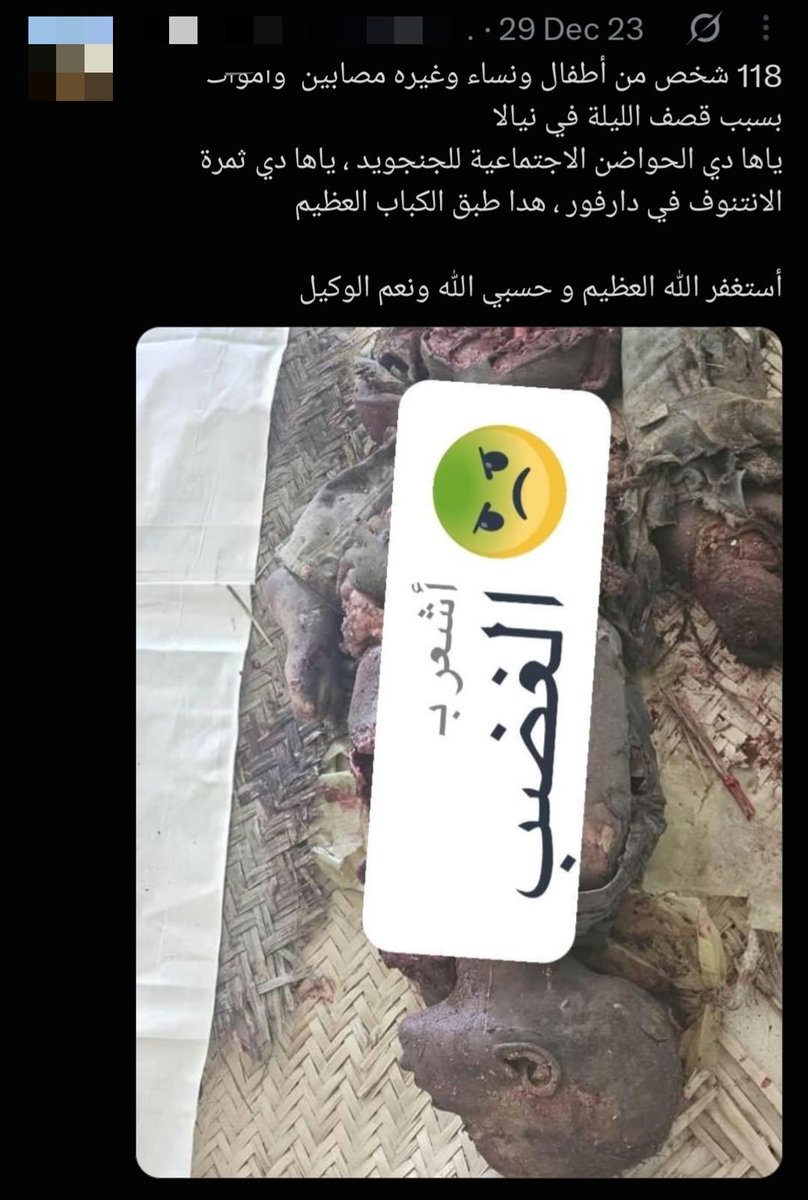
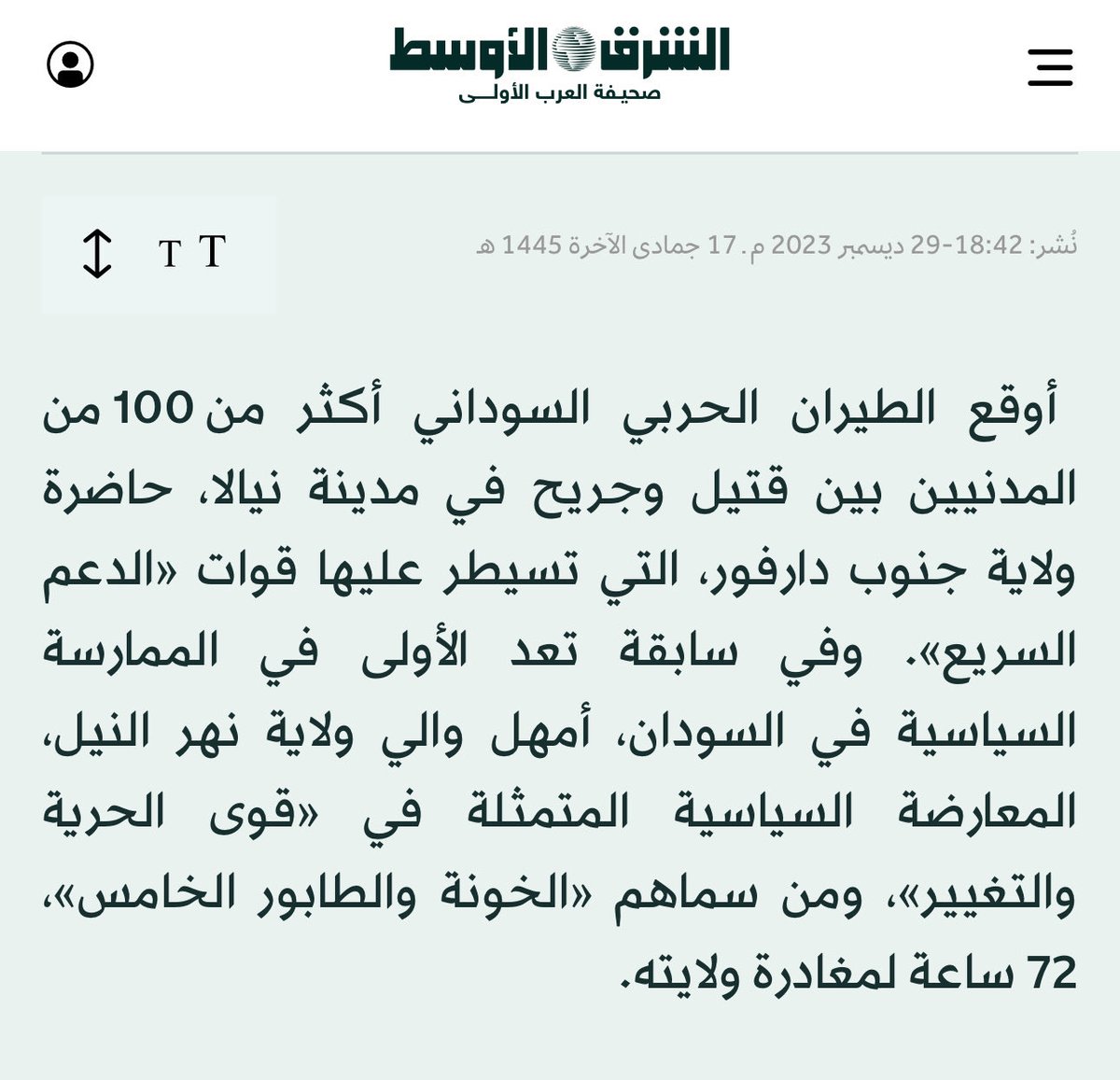
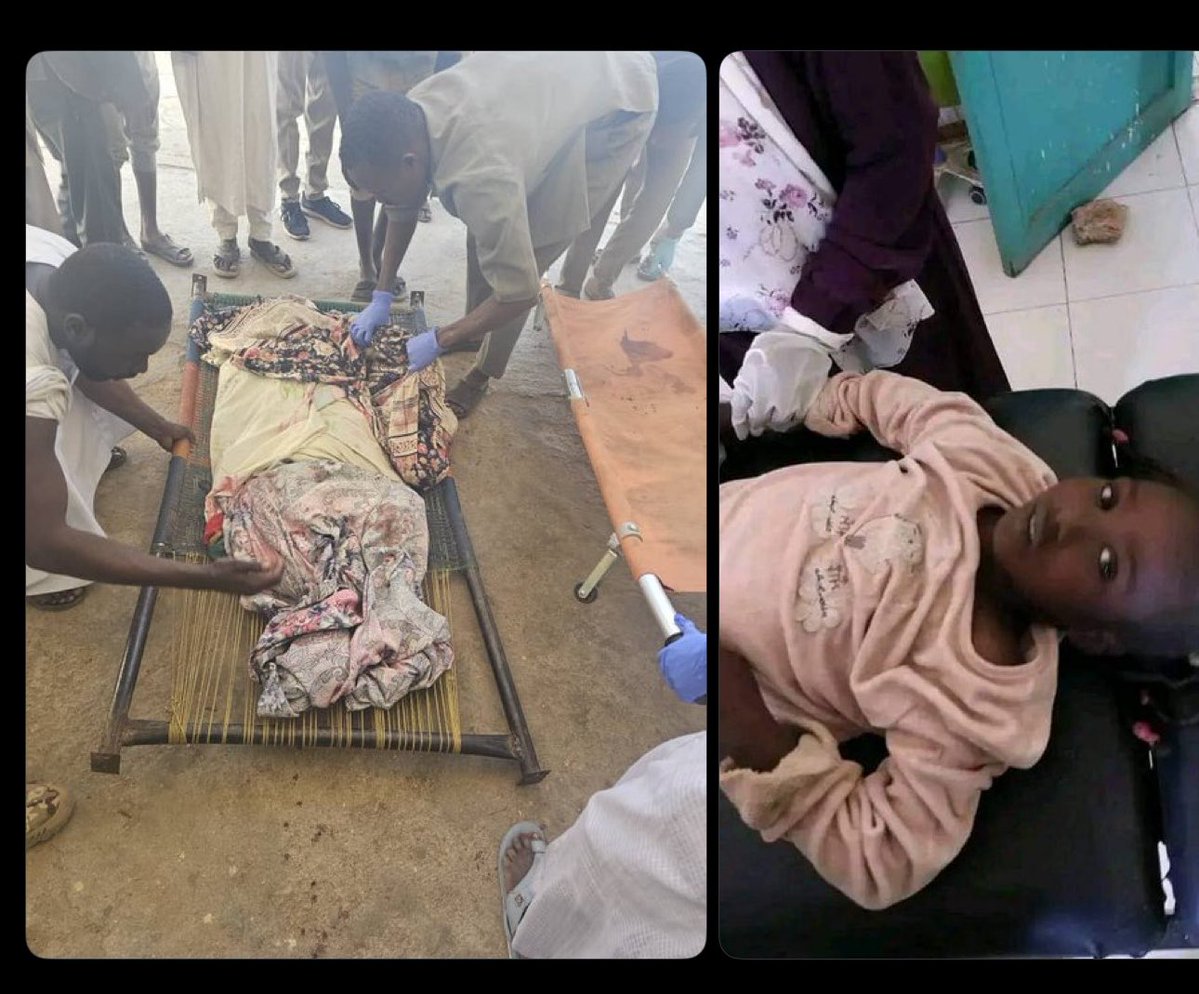
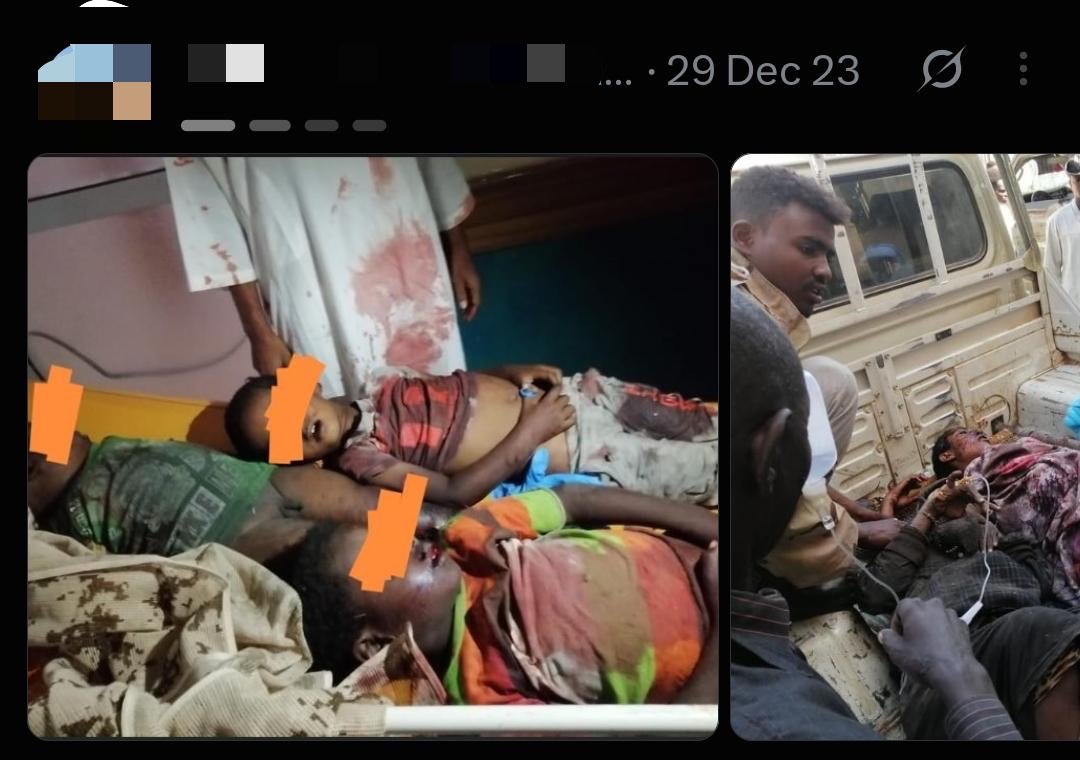
بتاريخ ٢٩ ديسمبر ٢٠٢٣م ، أوقع الطيران الحربي لمليشيا البرهان الإرهابية أكثر من 100 من المدنيين بين قتيل وجريح معظمهم من الأطفال والنساء وكبار السن في مدينة نيالا بجنوب دارفور.
#السودان#جرائم_الجيش_السوداني
On December 29, 2023, the warplanes of Al-Burhan’s terrorist militia killed and wounded more than 100 civilians - most of them children, women, and the elderly - in Nyala, South Darfur.
#TalkAboutSudan#KeepEyesOnSudan
الدكتورة أماني الطويل:
خطاب رئيس مجلس السيادة الفريق أول ركن عبد الفتاح البرهان
إلى الرئيس الأمريكي دونالد ترامب قد خرج نوعاً ما عن الأطر
والأعراف الدبلوماسية المتعارف عليها.
من الخطأ أن يتبع خطاب البرهان مساراً مباشراً في تقديمه إلى
الرئيس الأمريكي دونالد ترامب، في تجاوز للقنوات الدبلوماسية
الرسمية المعمول بها دولياً، مشيرة إلى أن الإدارة الأمريكية أصلاً
رفضت الاعتراف بقائد الجيش كرئيس شرعي للسودان، وبالتالي
فإنه لا يحق في عرف الدبلوماسية أن يخاطب قائد جيش رئيس دولة عظمى بشكل مباشر.
كان من المأمول أن يتم تقديم الخطاب عبر مستشاره الخاص
إلى مستشار البيت الأبيض الدكتور مسعد بولس.
هذا الأسلوب في التعاطي الدبلوماسي قد يقلل من فرص تفاعل
الإدارة الأمريكية مع مضمون الخطاب، خاصة في ظل ما سبق
من تجارب وسياقات في التعامل مع البرهان، الأمر الذي يتطلب
وفقاً للأعراف الدبلوماسية، التزاماً أكبر بالمسارات المؤسسية
الرسمية لضمان وصول الرسائل وتحقيق الأثر المرجو منها، كاشفة في الوقت ذاته أن الإدارة الأمريكية تعتزم تنفيذ خطوة قد تكون غير متوقعة بعد إغلاق باب الدبلوماسية مع البرهان،
والاتجاه نحو الخيارات الأخرى المفتوحة تجاه حكومة الأمر الواقع
في بورتسودان.
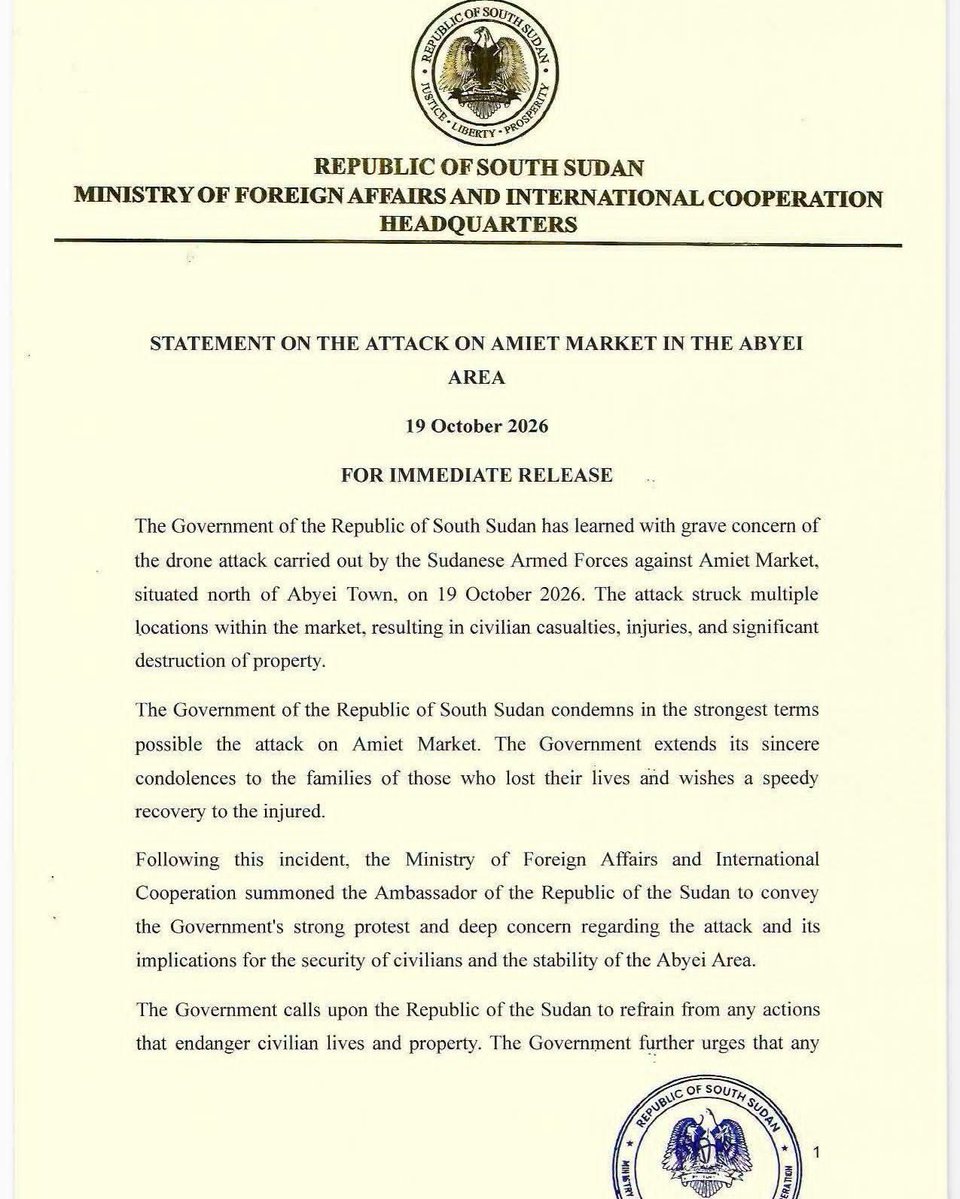
South Sudan Government Condemns Abyei Market Attack That Killed 73
Statement on the attack on Amiet Market in the Abyei area
The Government of the Republic of South Sudan has learned with grave concern of the drone attack carried out by the Sudanese Armed Forces against Amiet Market, situated north of Abyei town, on nineteenth October 2026.
The attack struck multiple locations within the market, resulting in civilian casualties, injuries, and significant destruction of property.
The Government of the Republic of South Sudan condemns in the strongest terms possible the attack on Amiet Market. The Government extends its sincere condolences to the families of those who lost their lives and wishes a speedy recovery to the injured.
Following this incident, the Ministry of Foreign Affairs and International Cooperation summoned the Ambassador of the Republic of the Sudan to convey the Government’s strong protest and deep concern regarding the attack and its implications for the security of civilians and the stability of the Abyei area.
The Government calls upon the Republic of the Sudan to refrain from any actions that endanger civilian lives and property. The Government further urges that any issues relating to the Abyei area be addressed through established diplomatic channels and existing mechanisms for dialogue and engagement.
The Government reaffirms its commitment to the protection of civilians and to the preservation of peace, security, and stability in the Abyei area.
The Government of the Republic of South Sudan calls on the Government of the Republic of the Sudan to take the necessary measures to prevent the recurrence of such incidents.
The Government of the Republic of South Sudan remains fully committed to the principles of peaceful coexistence and the peaceful resolution of disputes in accordance with international law, and therefore urges the Government of the Sudan to desist from such attacks and actions.
Growing Concerns Over Civilian Safety in Border Areas
The diplomatic response from South Sudan and the position expressed by Tasis both underscore the urgent need to prevent attacks that place civilians at risk, although the two responses differ in their nature and scope. Juba has pursued formal diplomatic channels, while Tasis has called for an international investigation and accountability for those responsible.
The reported attack has once again drawn attention to the dangers facing civilians and traders in Sudan’s border regions, where markets serve as essential lifelines for food, fuel, commerce, and livelihoods. These concerns are particularly acute as the consequences of Sudan’s ongoing war continue to disrupt communities, trade routes, and access to basic necessities.
Sources:
South Sudan’s Ministry of Foreign Affairs and International Cooperation
Sudan Founding Alliance (Tasis), statement on the attack on Al-Naam Market, 19 October 2026
Radio Dabanga
Radio Tamazuj
Sudans Post
The New Republic | Independent News Platform
🟥 South Sudan Summons Sudanese Ambassador Over Abyei Market Strike as Tasis Calls for International Investigation
Nyala – The New Republic
The Government of South Sudan on Monday, 19 October 2026, summoned Sudan’s Ambassador to Juba, Issam Mohamed Hassan Karrar, to formally protest a drone strike targeting Amiet Market, also known locally as Al-Naam Market, in the disputed Abyei area. The attack reportedly killed and injured civilians, according to a statement by South Sudan’s Ministry of Foreign Affairs and International Cooperation and local media reports.
The ministry said its Undersecretary, Ambassador Agnes Adlino Orifa Oswaha, conveyed the government’s formal protest to the Sudanese ambassador, expressing grave concern over the attack’s implications for civilian safety, property, and stability in the area.
Juba called on Khartoum to refrain from any military operations that endanger civilian lives and property and to take effective measures to prevent further attacks. It also warned against any escalation of tensions in Abyei, stressing that issues concerning the area should be addressed through diplomatic channels and dialogue, with a view to preserving peace and stability.
High Civilian Toll Reported Following Market Strike
In preliminary figures reported by local media, officials from the Abyei administration said the attack had killed at least 73 people and injured 19 others, warning that the toll could rise as casualty assessments continued. Reports indicated that the strike hit parts of the market, including an area where fuel was sold, causing extensive damage to property.
Local officials accused the Sudanese Armed Forces of carrying out the attack. Radio Dabanga reported that the drone had fired six munitions, while other sources and reports cited different figures. The full circumstances of the attack and the final casualty toll have not yet been independently verified.
Amiet Market, also locally known as Al-Naam Market, is an important commercial hub serving communities in Abyei and connecting border areas with parts of Kordofan, Darfur, and South Sudan. The reported strike has therefore raised humanitarian and economic concerns extending beyond the immediate vicinity.
Tasis Condemns the Attack and Demands an Independent Investigation
Separately, the Sudan Founding Alliance (Tasis), in a statement issued on 19 October, condemned the attack on Al-Naam Market, accusing a drone operated by the Sudanese Armed Forces of firing ten munitions at the site. The alliance reported numerous civilian casualties and extensive destruction of private property. Its account of the number of munitions differs from other published reports.
Tasis described the incident as part of what it characterised as a wider pattern of attacks on markets and civilian gatherings across Sudan during the current month. It cited reported attacks affecting Abu Zaeima in North Kordofan; Al-Naeem and Burosh in North Darfur; Al-Dibab and Al-Muglad in West Kordofan; and the livestock market in Nyala, South Darfur.
The alliance called on the international community, human rights organisations, and relevant international mechanisms to condemn the attack, conduct a comprehensive, transparent, and independent investigation, and ensure that those responsible are held accountable. It also urged stronger international efforts to protect civilians and prevent further attacks on markets and other civilian gathering places.
Tasis further noted that the market lies within the operational area of the United Nations Interim Security Force for Abyei (UNISFA). It argued that the attack raises serious concerns regarding civilian protection, compliance with international humanitarian law, and respect for the legal and security arrangements governing the UN mission.
Republic of the Sudan
Transitional Peace Government
Ministry of Health
STATEMENT OF CONDEMNATION
Ministry of Health: Drone Attacks on El Daein city and Al-Na’am Market Constitute a Grave Threat to Civilians and a Flagrant Violation of International Humanitarian Law
Nyala – 19 October 2026
The Ministry of Health of the Transitional Peace Government strongly condemns the drone attack targeting the city of El Daein and Al-Na’am Market, located in the border area between Sudan and South Sudan, carried out by the terrorist Muslim Brotherhood militia and it's army.
According to preliminary information from our medical staff , the attack has so far resulted in the deaths of 19 civilians and injuries of more than 21 patients including two patients who remain in critical condition. There are serious concerns that the casualty toll may rise as medical assessments and the verification of injuries continue.
The targeting of civilian areas and markets frequented by people seeking to earn a living and obtain essential supplies represents a grave escalation and demonstrates a shocking disregard for civilian lives and the fundamental right to life and security. The use of drones in attacks affecting civilian gatherings constitutes a serious violation of the principles of civilian protection under international humanitarian law.
Civilian lives are not expendable, and markets are not battlefields. Continued attacks on populated areas cannot be tolerated or dismissed as isolated incidents. Such acts demand urgent attention and accountability.
The Ministry of Health stresses that the consequences of these attacks extend beyond the immediate loss of life and injuries. They further aggravate the humanitarian crisis, threaten access to essential healthcare services, and deepen the suffering of families already enduring the devastating effects of war, displacement and insecurity.
Accordingly, the Ministry calls for the following urgent measures:
1. The immediate cessation of attacks and any military operations targeting civilians, populated areas and markets.
2. The relevant international and humanitarian organizations should urgently monitor and document this incident, establish the circumstances surrounding the attack, and work to ensure accountability for those responsible for any violations established through credible process.
3. Humanitarian and medical organizations should provide urgent assistance to the injured, strengthen emergency medical response for critical cases, and supply the resources necessary to address the medical consequences of the attack.
4. Medical facilities, healthcare workers and ambulances must be protected, and medical personnel must be allowed to carry out their humanitarian duties without obstruction, intimidation or threats.
The Ministry emphasizes that the protection of civilians is a legal and humanitarian obligation that cannot be postponed. Respect to international humanitarian law is a must including obligations to protect civilians and civilian objects against attacks.
The Ministry of Health of the Transitional Peace Government further reaffirms its commitment to monitoring the medical condition of the injured, assessing urgent healthcare needs, and coordinating with humanitarian and medical organizations to ensure that all affected persons receive the necessary care without discrimination.
Attacking civilians will never bring peace, and the shedding of innocent blood will never deliver security or stability. Protecting the lives of the Sudanese people is a non-negotiable obligation, and securing justice for the victims must be an urgent priority for the regional and international communities.
Health is a right for all. Protecting civilians is everyone's responsibility.
#Transitional_Peace_Government
#Ministry_of_Health
#Health_Media