Higher temps caused by anthropogenic climate change made an ordinary drought an exceptional drought, according to a new study.
Scientists predict droughts will last longer, cover wider areas & become more severe as the climate warms.
Read more: https://t.co/QtCvcJ0Z9o
A $100M gift from philanthropist Jane Batten HON ’17, L.H.D. ’19 will establish @williamandmary and VIMS as the premier destination for developing solutions to threats from global change.
https://t.co/XVDutEW5Dv
Building on decades of progress in El Niño–Southern Oscillation (ENSO) modeling, researchers have developed a new model that provides accurate ENSO forecasts as much as 16–18 months in advance. https://t.co/F1SiXIe6u3
🚨 New OA paper in @ConBiology using dynamic ocean management to navigate trade-offs between whale entanglement risk and fisheries revenue
https://t.co/hRyW8WVFsV
It's not just #temperature that drives changes in marine species distributions... #oxygen and prey are important as well. Online early and open access in @GlobalChangeBio, led by the very talented @wajrajeew !
https://t.co/bZ2cmTnZXe
Is climate change turning the ocean green?
A new study revealed that 56% of the global sea surface has changed color in the past 20 years. Data from @NASA’s MODIS instrument showed that much of the change is from the ocean turning more green. https://t.co/faUYXWAqTO
NOAA Fisheries has launched a new Climate Vulnerability Assessment Tool! Explore our data and learn how vulnerable different species and habitats are to the effects of climate change. Try it out: https://t.co/SGVHd4cWKh
Job alert! Permanent FTE at @NOAAFisheries with SWFSC's new #EcosystemScienceDivision focused on stock assessment and targeting recent (2 year) graduates.
https://t.co/KFwYuxwbIE
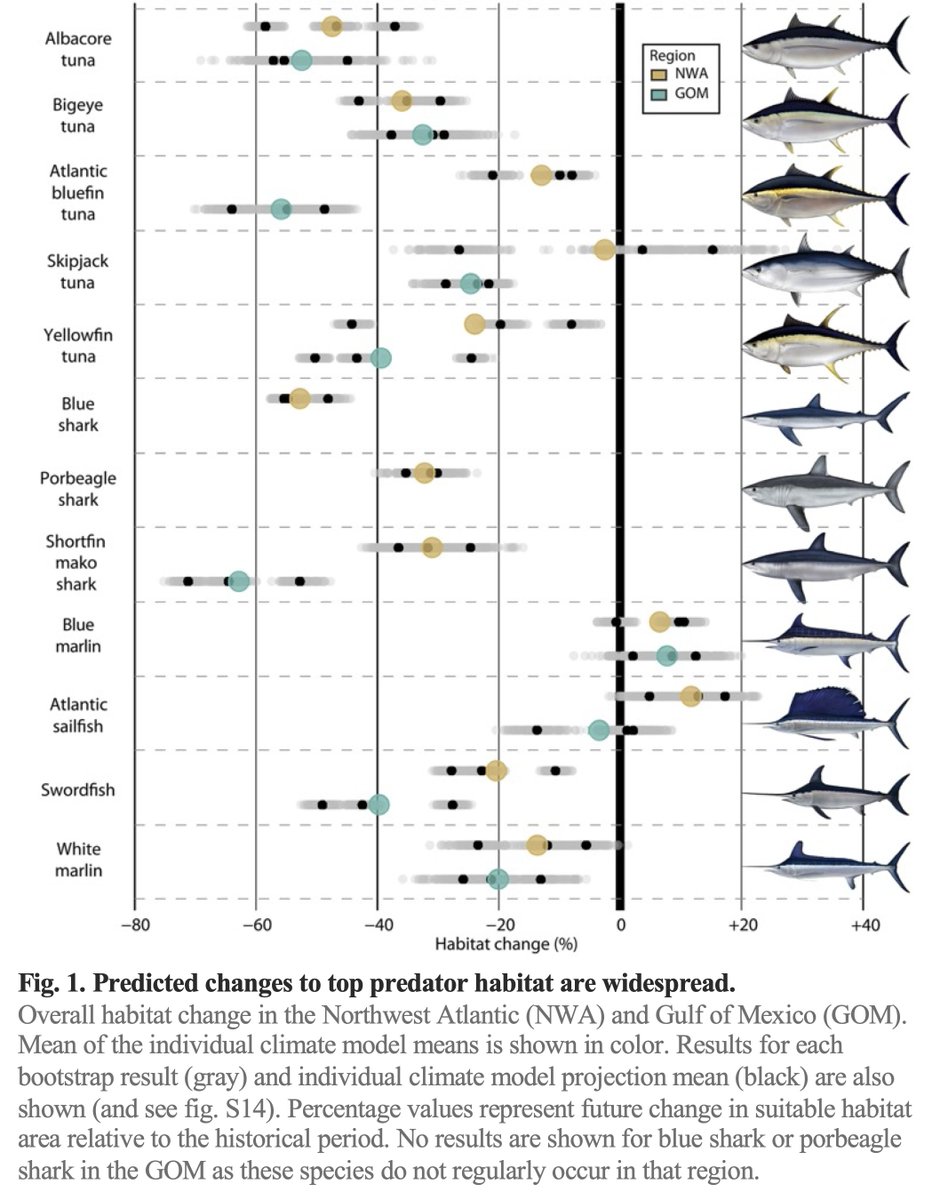
A study published today in @ScienceAdvances by #WHOI's @braunianmotion w/ @SDSU & @NOAAFisheries finds that economically and ecologically important marine predators will lose up to 70% of their current habitat due to ocean warming.
Learn more at https://t.co/5aISWKMY2s
New paper led by @braunianmotion out today in @ScienceAdvances 🚨 "Widespread habitat loss and redistribution of marine top predators in a changing ocean" https://t.co/Xbjcvmwclu
Summarized nicely by @WHOI
https://t.co/KJ2G50nF0m
I’m looking for a postdoc to work on acoustic telemetry projects in the US mid-Atlantic and northeast regions. The position is based in Maryland @SmithsonianEnv and starts this fall. #postdoc#JobAlert
The Movement Ecology Lab at @IslandCampus is recruiting a PhD student for Spring Semester 2024! Start date is Jan. 16. Please complete the form by Aug. 18 using the link https://t.co/HJcztjZFln or QR code below. Please RT! @ElasmoSociety@AmFisheriesSoc @FutureIslander
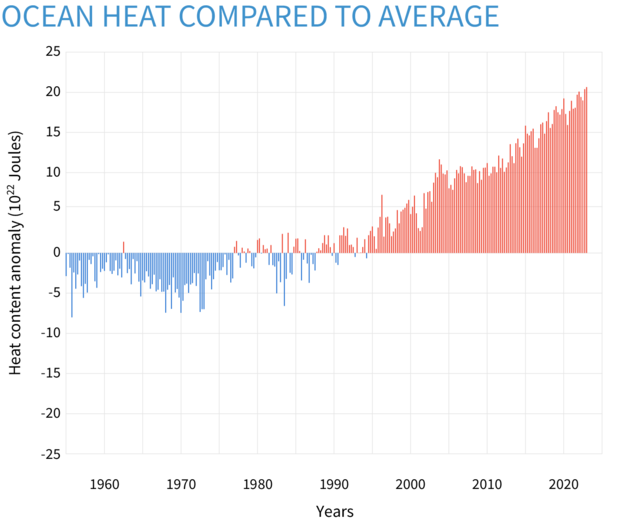
Most of the excess atmospheric heat from climate change is passed back to the ocean. As a result, upper ocean heat content has increased significantly over the past few decades. Learn more about ocean heat trends at https://t.co/OBr0sjrZ3l
https://t.co/kXjgiTmKlx
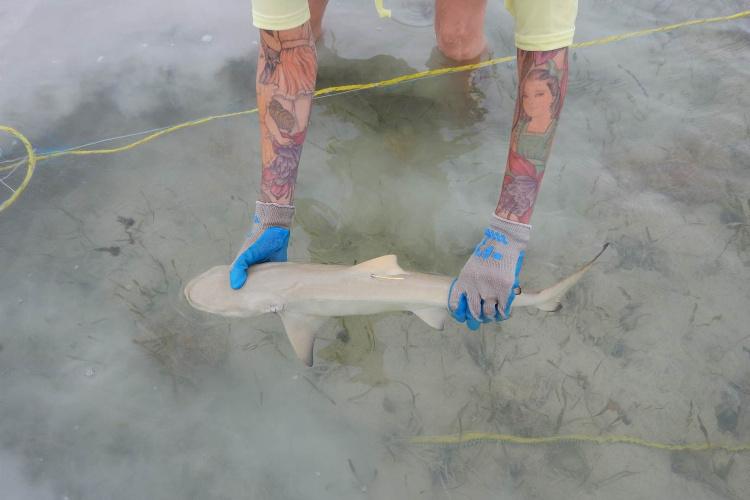
This week we're debunking misconceptions about #sharks🦈. Shark Myth #5: You have to scuba dive to do shark research. Think you need to get certified to work with sharks and contribute to research? Read this before you dive: https://t.co/WXQp2oA4fG
This week we're debunking misconceptions about #sharks🦈. Shark Myth #4: Shark Attacks Are on the Rise. There’s a misperception that sharks hunt humans—they do not! So why does it seem like shark attacks on beachgoers are becoming more common? Learn more: https://t.co/ZildqQbvay
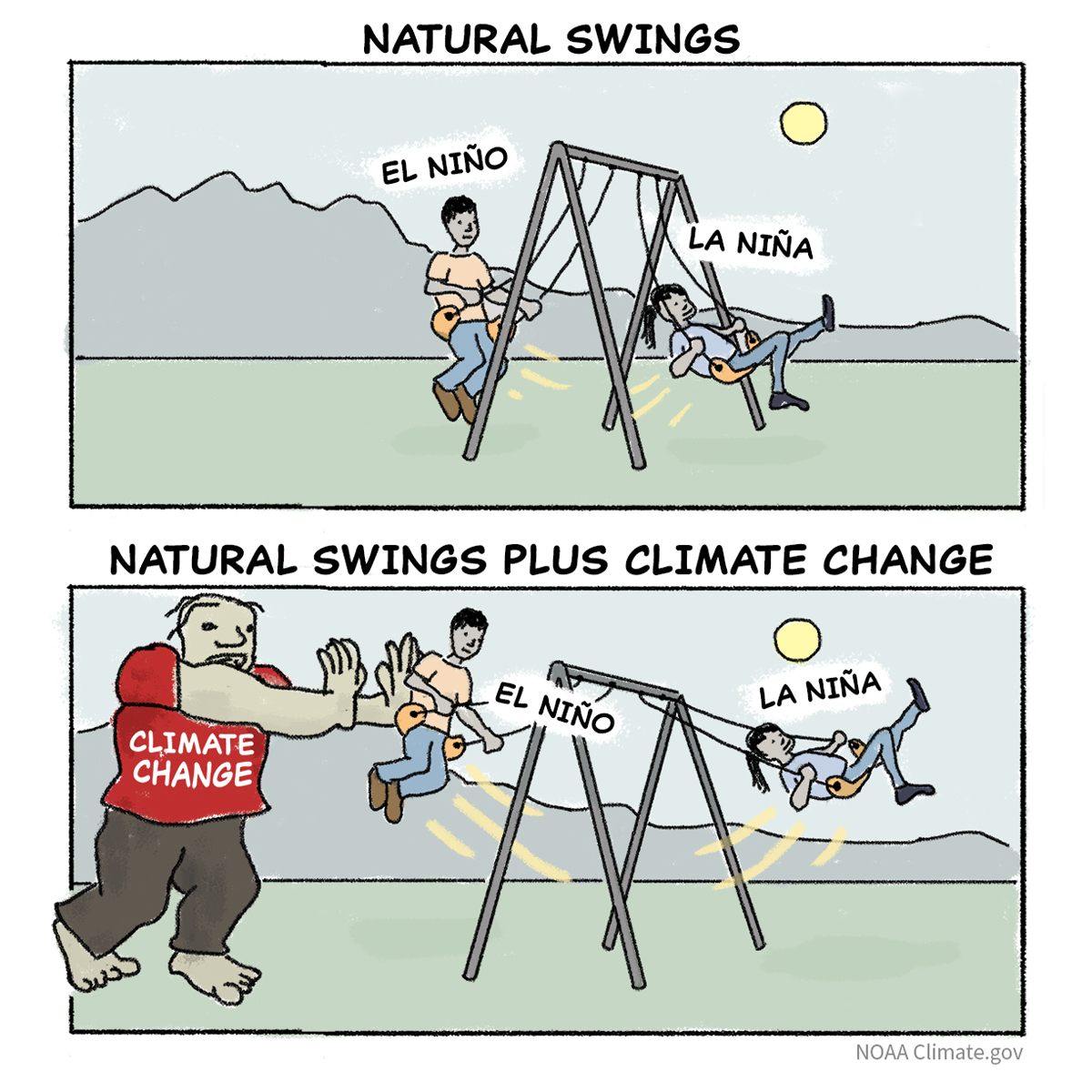
The swings between El Niño and La Niña have been bigger in recent decades than earlier ones. Our guest blogger at the ENSO Blog covers new research pointing the finger at human-caused climate change.
https://t.co/KwZnsoRsFS
This week we're debunking common misconceptions about #sharks🦈. Shark Myth 3: NOAA Fisheries is not involved in global shark conservation. NOAA Fisheries works with partners to prevent overfishing and rebuild U.S. stocks, but what role DO we play globally?https://t.co/WXQp2oA4fG