Precipitation Scientist
NASA Postdoctoral Program Fellow at NASA Marshall Space Flight Center
Research interests: GPM, IMERG, diurnal cycle, validation
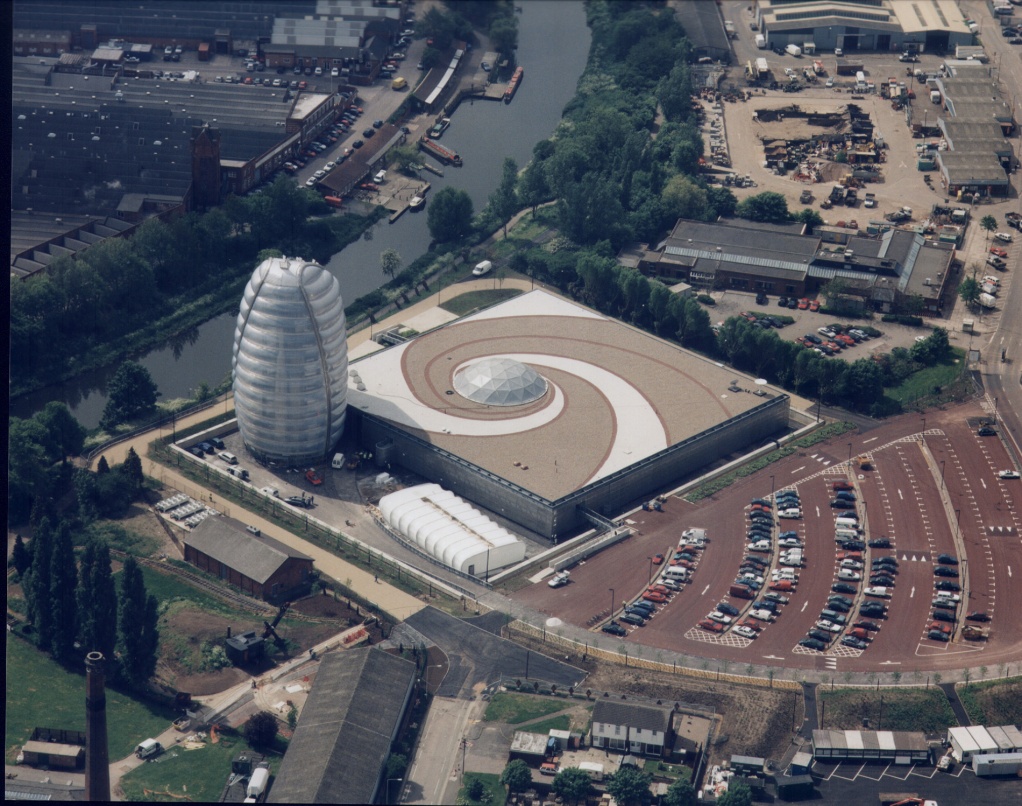
🚀 What does @spacecentre mean to you? For our 21st birthday celebrations former staff have been sharing their memories of working here. #NSC21
Hear from @DanielCWatters, Asha Parmar, Kunal Vyas, @KierannShah, Jocelyn Whittaker-Smith and @SpaceCraigUK. https://t.co/1thdLpehqH
🚀🎉 We're celebrating 21 years of the @spacecentre on 30 June and as part of the celebrations we invited some of our amazing alumni back to share their memories of working here, including @KierannShah, @DanielCWatters and @SpaceCraigUK. #NSC21
https://t.co/RggNafsFSj
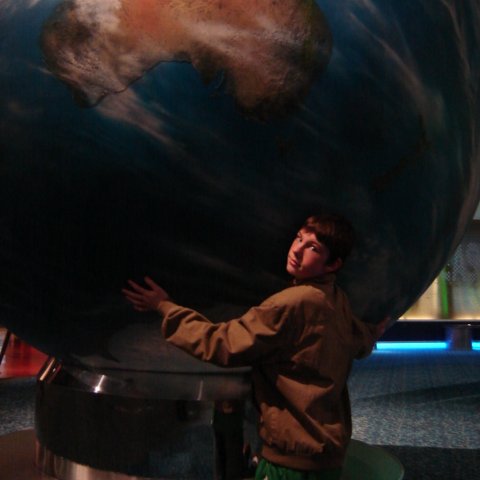
🚀🛰️ Daniel Watters grew up in Leicester, visited @spacecentre as a child, worked in our Space Crew team whilst studying @uniofleicester and is now going to work @NASA_Marshall.
📻 He chatted with @9amben@BBCLeicester about his story (33:50). https://t.co/Ezf2SZpeHt
Happy 20th birthday @spacecentre! The centre helped to shape my interest in space and science over the years, and I have many happy memories working as part of the Space Crew. Here's to many more years of the centre inspiring the next generation of space scientists🚀🌌🌙#NSC20
🚀 On 30 June we're celebrating our 20th birthday and we'd love to hear your memories of visiting @spacecentre.
#⃣ Please share them with us using #NSC20.
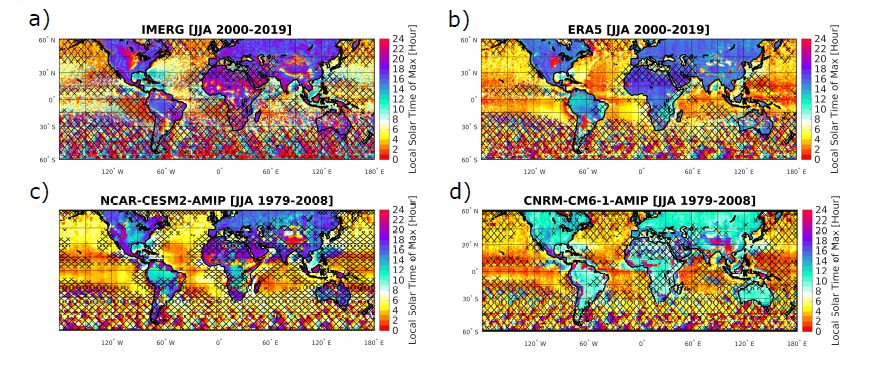
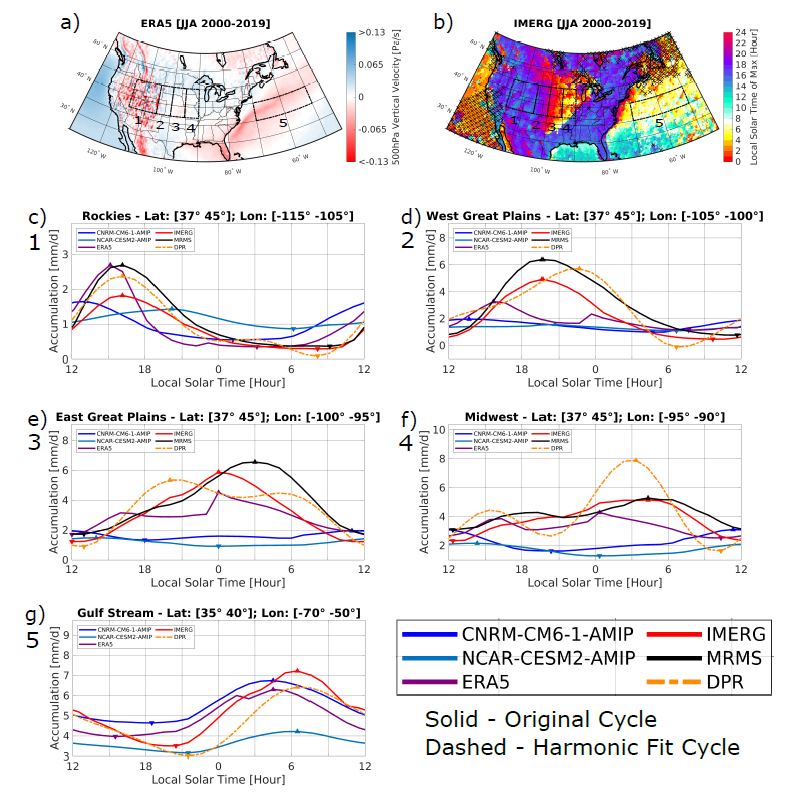
@DanielCWatters, Alessandro Battaglia, and @rpallanuk. "The Diurnal Cycle of Precipitation according to Multiple Decades of Global Satellite Observations, Three CMIP6 Models, and the ECMWF Reanalysis", #JClimate 34, 12 (2021): 5063-5080, https://t.co/zpyYUa3kt8
New @AMSJCLi paper published on the diurnal cycle of precipitation from global #GPM satellite observations, three #CMIP6 models and the ECWMF reanalysis #ERA5 - now freely available to read @ https://t.co/0LPpKZEa2F @rpallanuk@NCEOscience@doctoralcollege@CENTA_NERC
How often does lightning flash globally? Researchers mapped lightning frequency around the world. This animation shows the results and shows Venezuela’s Lake Maracaibo as a lightning hotspot, with an average of 389 flashes per day. See the #AGUpubs paper: https://t.co/wHtc1wQ4Br
@psud12@rpallanuk@NCEOscience @AMSJCLi The literature suggests that models simulate convection over land (and consequently precipitation) too early in the afternoon. A model's early precipitation bias is significant as it could result in unrealistic representation of Earth's energetics and water cycle.
@psud12@rpallanuk@NCEOscience @AMSJCLi The lastest climate models/reanalysis simulate maximum precipitation unrealistically early in the day, particularly over land. In particular, the nocturnal maximum in precipitation observed in mountainous regions is not well simulated.
The diurnal cycle of precipitation in satellite observations, CMIP6 simulations & ERA5 by @DanielCWatters@NCEOscience just published @AMSJCLi
https://t.co/WY7QHVTH0r
'The NASA‐JAXA Global Precipitation Measurement (GPM) mission – part I: New frontiers in precipitation'
The GPM mission's Core Observatory, jointly operated by @NASA and @JAXA_en, was launched in February 2014
@uniofleicester#RMetSJournals#openaccess@eddy_weather @SimonLeeWx
Much of the U.S. saw extreme cold and winter weather this week, resulting in power outages for millions.
@NASA satellites were used to estimate the precipitation rates & totals from these storms from Feb 8 - 11 https://t.co/sUdw1Ps0g5