A SpaceX, de Elon Musk, abriu o capital. Mais de 4.400 funcionários se tornaram milionários. Cerca de 400 deles têm mais de US$ 100 milhões em ações.
A SpaceX deu opções de compra e participações a todos os funcionários, incluindo soldadores, técnicos, baristas, serventes e outros trabalhadores. Reportagens citam garçons, cozinheiros e operários que se tornaram milionários.
Juan Hernandez é um imigrante mexicano que começou como soldador em 2015. Ele nem sabia o que era a SpaceX. Ele ganhou um pacote de ações inicial de 10 mil dólares e comprou mais ações via desconto em folha. Suas ações hoje valem 880 mil dólares.
Trevor Hise entrou em 2011 como engenheiro de lançamento, ficou 12 anos e acumulou mais de 100 mil ações que hoje valem US$ 13,5 milhões. Ele tem 37 anos e está semiaposentado.
Essas histórias foram contadas pelo New York Times e Wall Street Journal.
Essa é uma história de criação e distribuição de riqueza totalmente incompreensível para a esquerda.
Esclarecimentos sobre o video do Dr. CAIADO no podcast do Dr. Felipe Sestaro: Questionamento é a mãe da ciência! E para tratar a doença é fundamental entender sua fisiologia(mecanismo da doença). Corticoide: foi fundamental, pois o que mata era resposta imunológica!
@oraulsena No passado quando era necessário dar corda, ou no caso de ajustes, fica mais fácil usar a mão dominante no relógio afixado na mão contrária.
O voto para ratificar ministro do supremo nunca deveria ser secreto.
Isso é um absurdo. Afronta aos eleitores.
Como posso escolher um Senador, se não sei como ele se posiciona?
@HistorianLuci@mauriciolealc@LulaFeliz2026 Políticos e funcionários públicos de elite vivem no luxo com o dinheiro que pagamos de impostos. É inteligente defender mais impostos em troca das migalhas destinadas aos mais pobres?
Nem era para existir miserável no Brasil, mas se acabarem quem irá votar no PT, PSOL, etc?
🚨In 1990s, Stanford researcher Dr. Robert Sapolsky discovered something that should have broken the internet by now.
He was studying dopamine pathways in primates and found that the brain doesn't just adapt to repeated stimulation. It actively fights back.
When you flood dopamine receptors consistently, the brain deploys what neuroscientists call "opponent processes." For every artificial high you create, your nervous system generates an equal and opposite neurochemical low. Not eventually. Immediately. The system is designed to maintain balance, so it starts producing compounds that directly counteract dopamine while you're still experiencing the dopamine hit.
This means every notification, every scroll, every digital reward doesn't just give you a high followed by a return to baseline. It gives you a high followed by a crash below baseline. You end up in neurochemical debt.
Tech companies never publicized this research. They probably never read it. They were too busy discovering that variable ratio reinforcement schedules could keep users engaged for hours. They built addictive systems by accident, then refined them into addiction machines once they realized what they'd stumbled onto.
Your phone delivers an average of 80 dopamine hits per day. Your ancestors got maybe 5. Each hit triggers opponent processes that create a corresponding low. By the end of a typical day of normal phone usage, your baseline dopamine is running in negative territory. You feel flat, restless, vaguely unsatisfied, and hungry for stimulation because your brain chemistry is literally below zero.
You think you're bored. You're chemically depressed by artificial highs.
The opponent process theory explains why nothing feels interesting anymore. Your brain isn't broken. It's precisely calibrated to maintain neurochemical balance, and you keep throwing that balance off with artificial intensity. Every Instagram hit requires an equal Instagram crash. Every TikTok high gets paid for with a TikTok low. Every notification rush gets balanced with notification emptiness.
Your reward system is running a neurochemical deficit that grows larger every day.
Sapolsky's research revealed something even more disturbing: opponent processes don't just create temporary lows. They become permanent changes to your baseline dopamine production. Chronic overstimulation doesn't just make you tolerant to digital rewards. It makes you insensitive to natural rewards.
The sunset that would have captivated your great-grandfather becomes invisible to you not because sunsets got worse, but because your dopamine system needs intensity levels that sunsets can't provide. A good conversation becomes boring not because conversations got less interesting, but because your brain requires the rapid-fire stimulation of social media to register engagement.
You've accidentally trained your reward system to ignore everything that isn't artificially amplified.
This connects to research from Dr. Anna Lembke at Stanford, who found that people who undergo complete digital fasting for just 30 days show measurable increases in dopamine receptor density. Their brains literally regrow sensitivity to natural rewards. Food tastes better. Music sounds more complex. Social interactions become genuinely engaging again.
But there's a catch that nobody talks about: the first two weeks of dopamine detox feel like clinical depression. Your brain has been chemically dependent on artificial stimulation for years. Removing that stimulation creates actual withdrawal symptoms. Restlessness, anxiety, inability to focus, emotional flatness, and desperate cravings for digital input.
Most people interpret these symptoms as evidence that they need their phones. Actually, they're evidence that they've been neurochemically dependent on their phones without realizing it.
The withdrawal period isn't a bug. It's proof the reset is working.
What happens after week three is remarkable. Colors become more vivid. Conversations become genuinely absorbing. Simple pleasures like hot coffee or cool air become satisfying in ways you forgot were possible. Your brain rediscovers that reality contains enough complexity and beauty to hold your attention without artificial amplification.
You don't need more interesting content. You need more sensitive reward systems.
The solution isn't better apps or more engaging entertainment. The solution is restoring your brain's factory settings for what constitutes a worthwhile experience.
Sapolsky's opponent process research suggests this can happen faster than anyone expected. Every day you don't artificially spike your dopamine, your baseline moves a little higher. Every natural reward you pay attention to rebuilds receptor density. Every moment of boredom you endure without reaching for stimulation strengthens your capacity for sustained focus.
Ancient humans lived in a world that provided exactly the right amount of stimulation to keep their reward systems healthy. Enough challenge to stay engaged, enough calm to stay balanced, enough novelty to stay curious, enough routine to stay stable.
We built a world that provides 10 times too much stimulation and wonder why nothing feels rewarding anymore.
Your brain is not the problem. Your environment is the problem.
Change the environment, and the brain heals itself automatically.
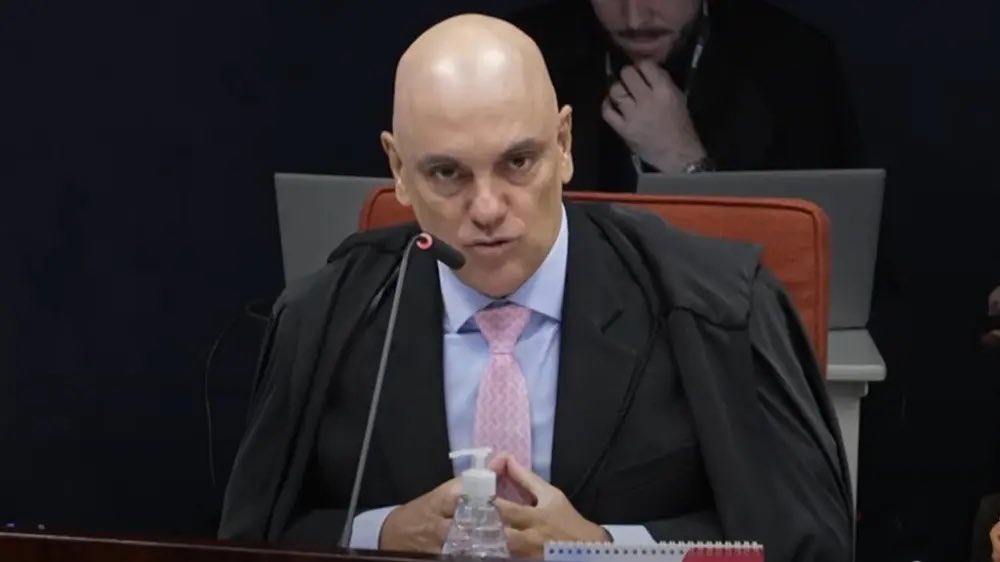
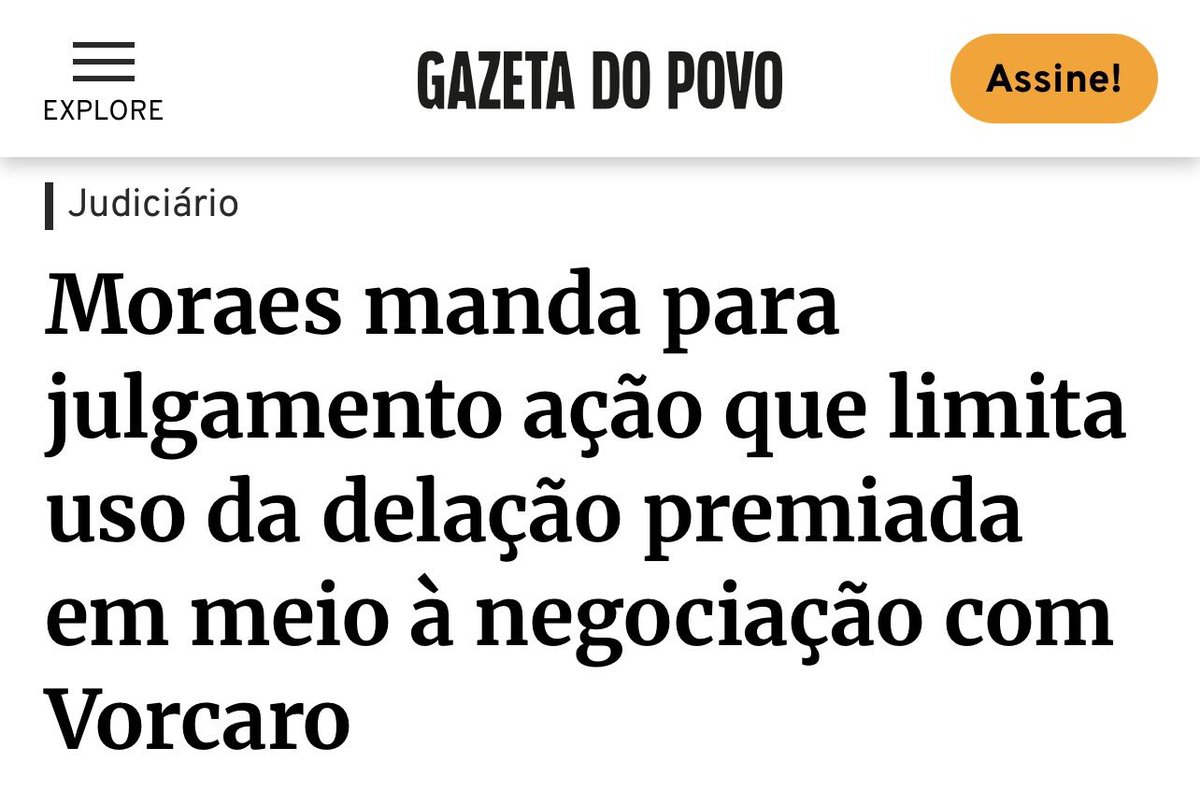
O cerco está se fechando, e o intocável supremo me parece saber de algo que a gente AINDA não sabe…
Esse país é uma piada. Enquanto não tiver um presidente capaz de dar um choque de moralidade nesse Supremo, pode esquecer qualquer chance de acabar com essa farra.
@CezarEspindola@PauloVi71420673@lebigh_official Vc não está errado, esse é um triângulo retângulo (tem 1 ângulo de 90 graus), é pitagórico (as medidas dos lados são números inteiros) e também é escaleno (3 lados com medidas diferentes)!
@TatianeFeitos Resposta é letra D) 1,60 h
1 hora = 60 min
96min ÷ 60 min = 1,6
Por que a letra C não está correta?
Porque na letra C está escrito 1,36h (vírgula) e não 1h:36 (com dois pontos) ou ainda 1h:36min (também com dois pontos).
@TatianeFeitos É Eva, a lógica está associada a ir e voltar.
No caso ir e voltar seria ler da esquerda para a direita (ir) e da direita para esquerda (voltar)... No caso da Eva, não é possível encontrar a mesma palavra nos dois sentidos. Já nos demais casos encontramos o mesmo nome.
@AC_SPFC@TatianeFeitos É Eva, mas a lógica está associada a ir e voltar. No caso ir e voltar seria ler da esquerda para a direita (ir) e da direita para esquerda (voltar)... No caso da Eva, não é possível encontrar a mesma palavra. Já nos demais casos encontramos o mesmo nome.